Article
Marina Ottaway, Omar Hossino
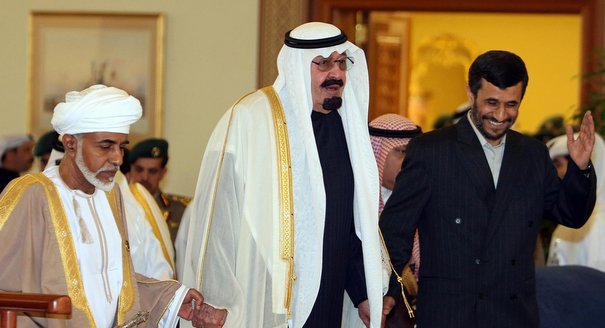
Source: Getty
Any effective U.S. diplomatic approach to Iran must involve other countries in the Gulf, but Washington will not succeed if it continues to strive for an anti-Iranian alliance. A normalization of relations between Iran and its neighbors is an important and attainable step for reintegrating Iran into the international community.
Any effective U.S. diplomatic approach to Iran must involve other countries in the Gulf, but Washington will not succeed if it continues to strive for an anti-Iranian alliance. While an overall security arrangement including all Gulf countries is not possible at this stage, a normalization of relations between Iran and its neighbors is an important and attainable step for reintegrating Iran into the international community, Marina Ottaway concludes in a new paper.
Gulf countries can help engage Iran in negotiations, but messy and often significant divisions between them complicate efforts to normalize relations. Ottaway analyzes Iran’s relationship with the Gulf Cooperation Council (GCC) countries—Saudi Arabia, Kuwait, Bahrain, Qatar, the United Arab Emirates, and Oman—as well as Jordan, Israel, Egypt, and Iraq.
Key Conclusions:
“Although during the negotiations over Iran’s nuclear program Gulf countries are essentially spectators to a process—the outcome of which will be determined by the United States, Iran, major European countries, Russia, and China—GCC countries have an important role to play in the difficult process of reintegrating Iran into the international community,” Ottaway writes. “Normalization of relations among the GCC countries, Iraq, and Iran would be a positive step in this process of reintegration. It would also help stabilize the region, decreasing tensions and the possibility of conflicts over bilateral issues that might trigger more serious problems.”

Former Senior Associate, Middle East Program
Before joining the Endowment, Ottaway carried out research in Africa and in the Middle East for many years and taught at the University of Addis Ababa, the University of Zambia, the American University in Cairo, and the University of the Witwatersrand in South Africa.
Recent Work
Marina Ottaway, Omar Hossino
Marina Ottaway
Carnegie does not take institutional positions on public policy issues; the views represented herein are those of the author(s) and do not necessarily reflect the views of Carnegie, its staff, or its trustees.
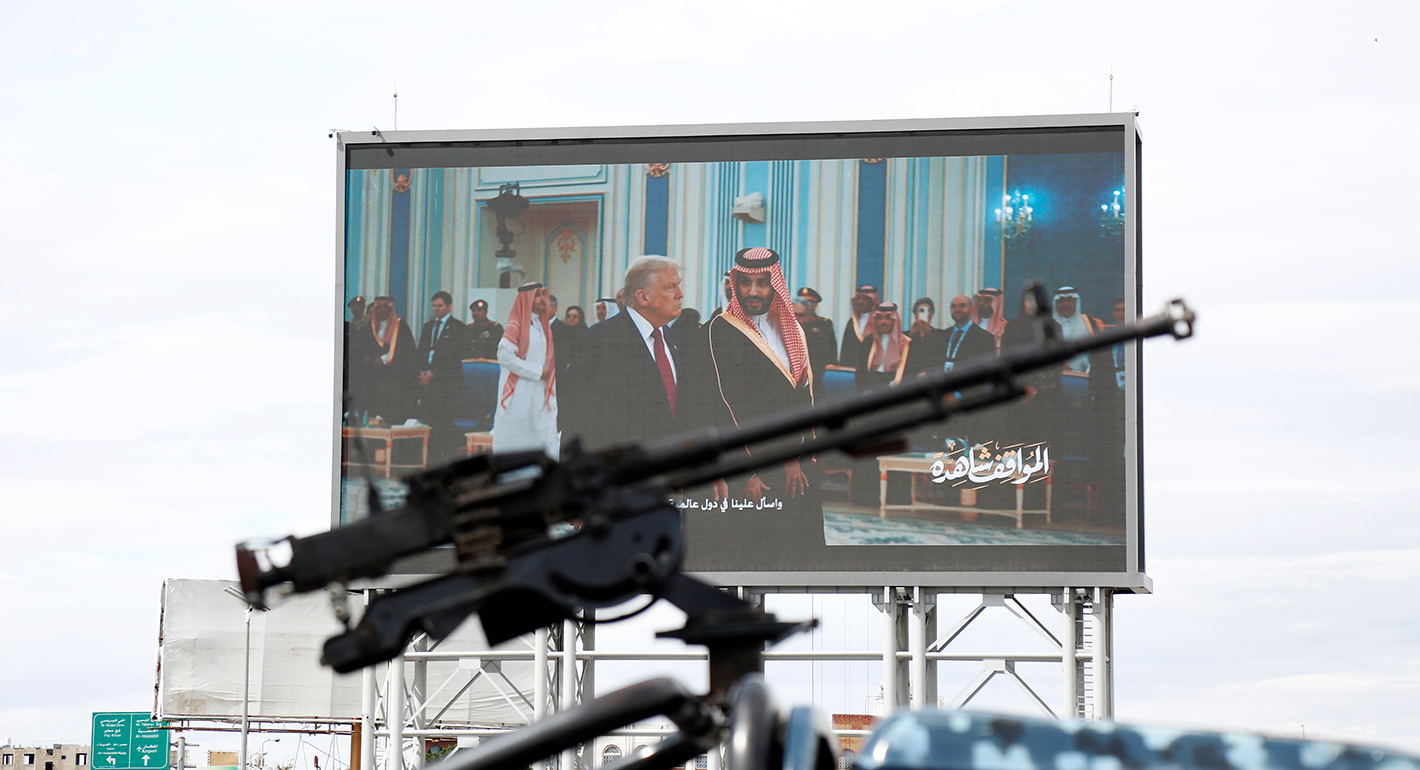
As the war between the United States, Israel, and Iran continues, Carnegie scholars contribute cutting-edge analysis on the events of the war and their wide-reaching implications. From the impact on Iran and its immediate neighbors to the responses from Gulf states to fuel and fertilizer shortages caused by the effective shutdown of the Strait of Hormuz, the war is reshaping Middle East alliances and creating shockwaves around the world. Carnegie experts analyze it all.
The return of war as the organizing factor in Middle Eastern politics has predictable consequences: governments are prioritizing regime stability and becoming averse to political and social reform.


Sarah Yerkes, Amr Hamzawy

Central Asia’s digital ambitions are achievable, but only if policy is aligned with the region’s physical constraints.

Aruzhan Meirkhanova
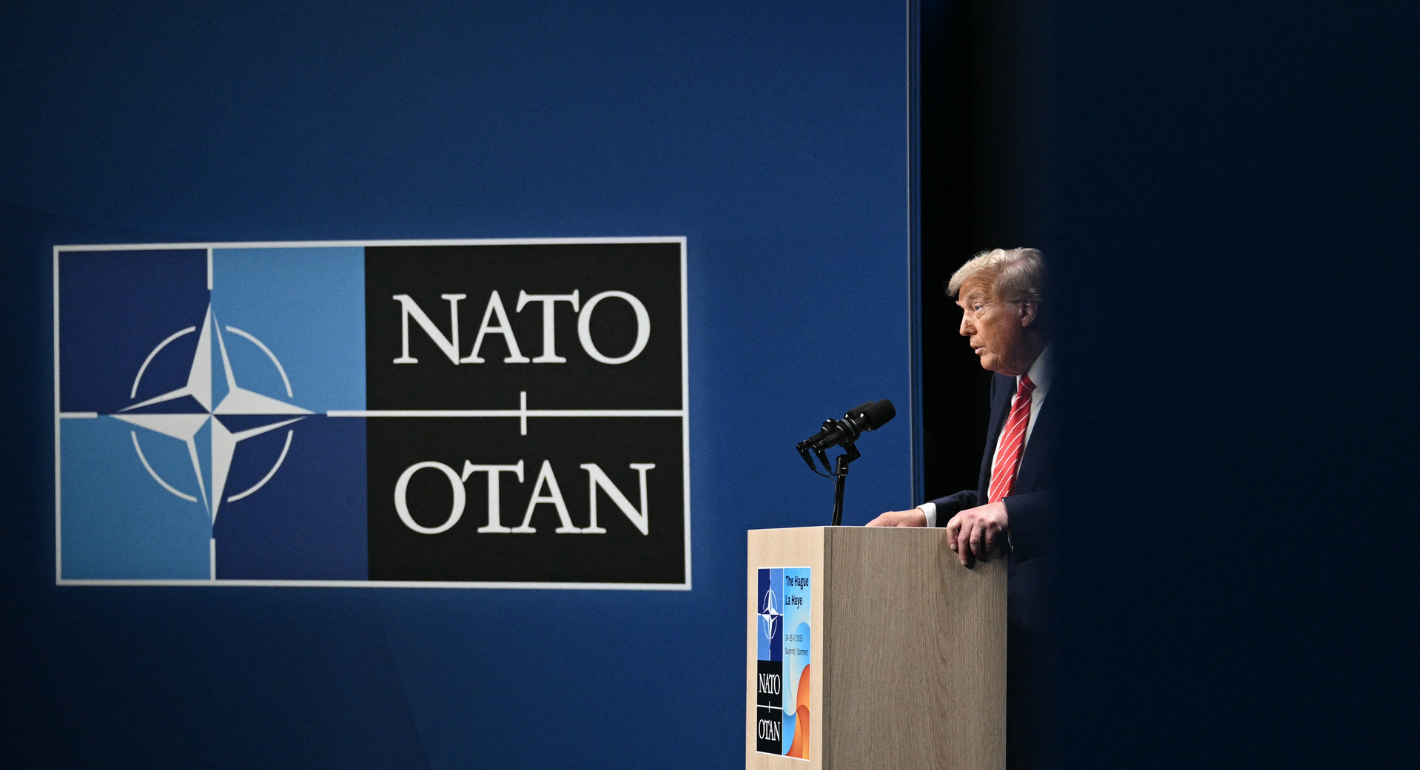
Donald Trump has repeatedly bashed NATO and European allies, threatening to annex Canada and Greenland and deploring their lack of enthusiasm for his war of choice in Iran. Is this latest round of abuse the final straw?

Rym Momtaz, ed.
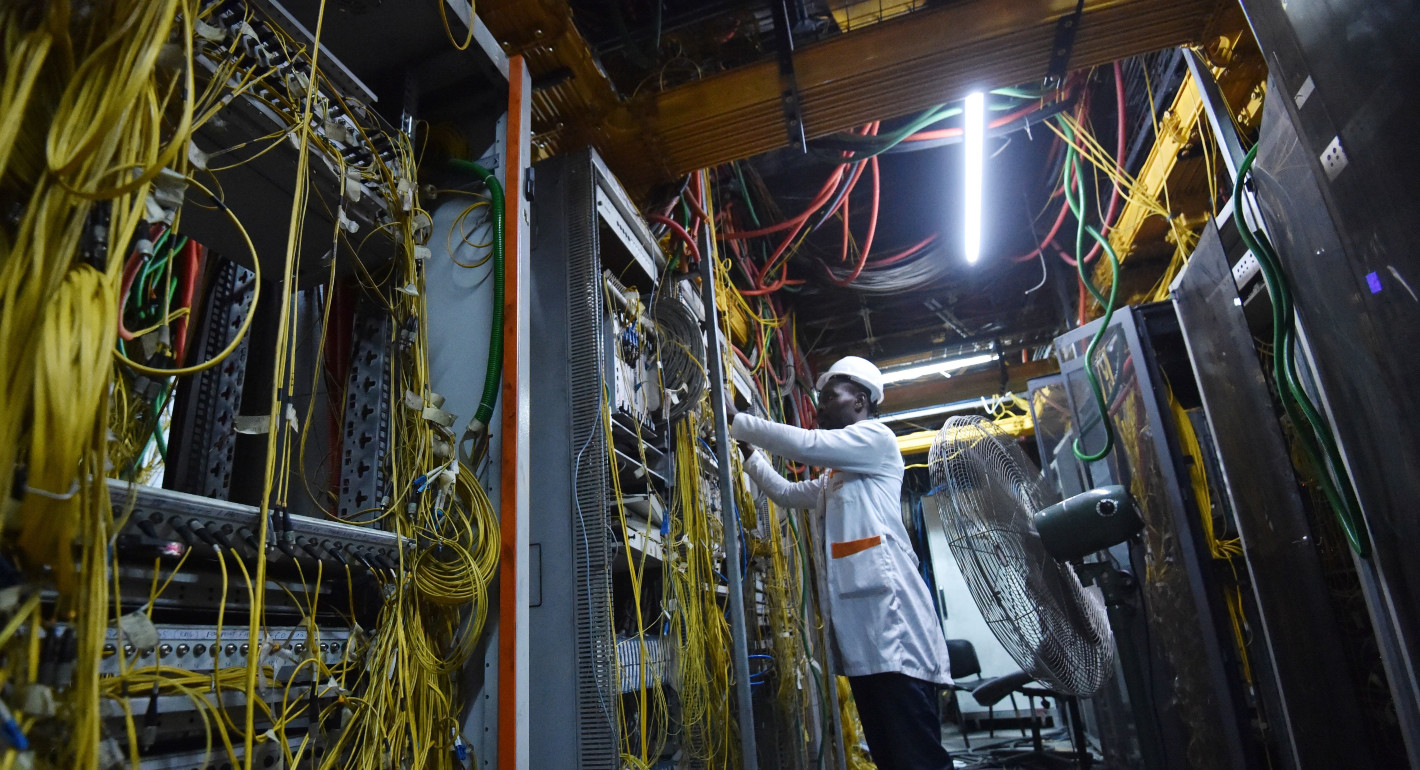
The Africa Technology Policy Tracker reveals policymakers’ priorities for the continent’s digital transformation.

Jane Munga