

Article
Thomas Carothers
{
  "authors": [
    "Thomas Carothers"
  ],
  "type": "legacyinthemedia",
  "centerAffiliationAll": "dc",
  "centers": [
    "Carnegie Endowment for International Peace"
  ],
  "collections": [],
  "englishNewsletterAll": "democracy",
  "nonEnglishNewsletterAll": "",
  "primaryCenter": "Carnegie Endowment for International Peace",
  "programAffiliation": "DCG",
  "programs": [
    "Democracy, Conflict, and Governance",
    "Middle East"
  ],
  "projects": [],
  "regions": [
    "North Africa",
    "Egypt"
  ],
  "topics": [
    "Political Reform",
    "Democracy",
    "Foreign Policy",
    "Civil Society"
  ]
}
Source: Getty
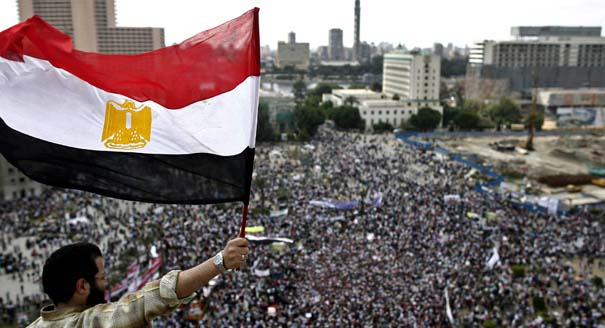
Accepting the Egyptian crackdown on civil society with only a token fuss might seem like a small price to pay for maintaining cordial relations with a stable, relatively friendly government in a region roiled by instability and conflict. This would be a serious mistake.
Source: Washington Post
It is an unusually mild day in Cairo for late September, but the young man perspires throughout our interview. He recounts the nightmares that continue months after he was released from prison, where he was detained for more than a month on unfounded accusations of illegally participating in a demonstration. Later that afternoon, arriving at the offices of a human rights organization, I trade glances with a thuggish man planted at a desk near the door to look over everyone who comes and goes. Inside, staff members describe in haunting terms the pressures they feel from heightened government surveillance and threats. That evening at a diplomatic dinner, a human rights activist renowned for his integrity tells me about an upcoming trip outside the country. Then he leans close and whispers, “I’m not coming back. It’s been made clear to me I have no choice.”
As one further step in his repressive centralization of power, Egyptian President Abdel Fatah al-Sissi is squeezing the life out of his country’s nongovernmental sector. Incidences of harassment, intimidation and legal persecution of civic activists are sharply increasing. Last month the government amended the criminal code to mandate life imprisonment for anyone who receives funds from foreign entities for what capricious legal authorities determine is the aim of “harming Egypt’s security and national interests.”The government appears set on a deadline of Nov. 10 for making nongovernmental organizations register under a law from the Hosni Mubarak era that gives the government invasive powers toward such organizations. Civic groups face the agonizing choice between submitting to government control or risking jail terms for failing to comply.
It is understandably tempting for U.S. and European officials to view the crackdown on civil society as something unfortunate but not worth really troubling about. Accepting it with only a token fuss might seem like a small price to pay for maintaining cordial relations with a stable, relatively friendly government in a region roiled by instability and conflict. This would be a serious mistake.
To start with, doing so would prompt questions about our own credibility. At the United Nations last year and again in New York last month, President Obama correctly identified growing attacks around the world on independent civil societies as a major threat to global democracy. Egypt is a crucial test of whether his administration will uphold the commitment he has made to resisting this trend.
But it is also a matter of hard interests. If we genuinely prize Egyptian stability — something in notably short supply for some time — we should take seriously the unfolding crackdown on nongovernmental organizations and fortify our support for Egyptian civil society. This should include strongly urging the government to follow legal common sense by not making thousands of NGOs conform to an outdated law that the government itself has said will be replaced next year.
The Egyptian president will avoid the fate of his two predecessors — mass popular protests that end in regime change — only if he transforms a crushingly inefficient, patronage-ridden state into one capable of meeting Egyptians’ long-neglected needs. Yet such a transformation can occur only through the establishment of a vibrant, open relationship of accountability between citizens and the state.
Especially in the absence of a parliament (which was disbanded in 2012 and 2013) and effective opposition parties, Egypt’s nongovernmental sector is the best source of technocratic expertise on the many challenges facing the country and has unique capabilities to monitor reforms and channel citizen input. Although Sissi may think that, by stifling independent voices, he is securing his grip, in fact he is ensuring the perpetuation of the bad-governance patterns that will likely spell his eventual political failure.
Similar shortsightedness exists in the security domain as well. U.S. policymakers are inclined to soft-pedal Sissi’s abuses because they see him as a partner in the larger regional struggle against Islamic radicalism. Yet his scorched-earth approach to Egypt’s political Islamists both undercuts those who are trying to forge a moderate Islamic alternative and plants seeds of dangerous radicalism among alienated young Egyptians.
U.S. policy toward Egypt has suffered for many years from our persistent underestimation of the negative impact that undemocratic Egyptian politics have on our interests there. The asphyxiation of the Egyptian nongovernmental sector should push us finally to build a policy toward the country based on an understanding of the essential relationship between the Egyptian quest for political openness and the achievement of prosperity and true stability.
This article was originally published by the Washington Post.

Harvey V. Fineberg Chair for Democracy Studies; Senior Fellow, Democracy, Conflict, and Governance Program
Thomas Carothers, a senior fellow in the Carnegie Endowment for International Peace’s Democracy, Conflict, and Governance Program, is a leading expert on comparative democratization and international support for democracy.
Recent Work
Thomas Carothers
Thomas Carothers
Carnegie does not take institutional positions on public policy issues; the views represented herein are those of the author(s) and do not necessarily reflect the views of Carnegie, its staff, or its trustees.
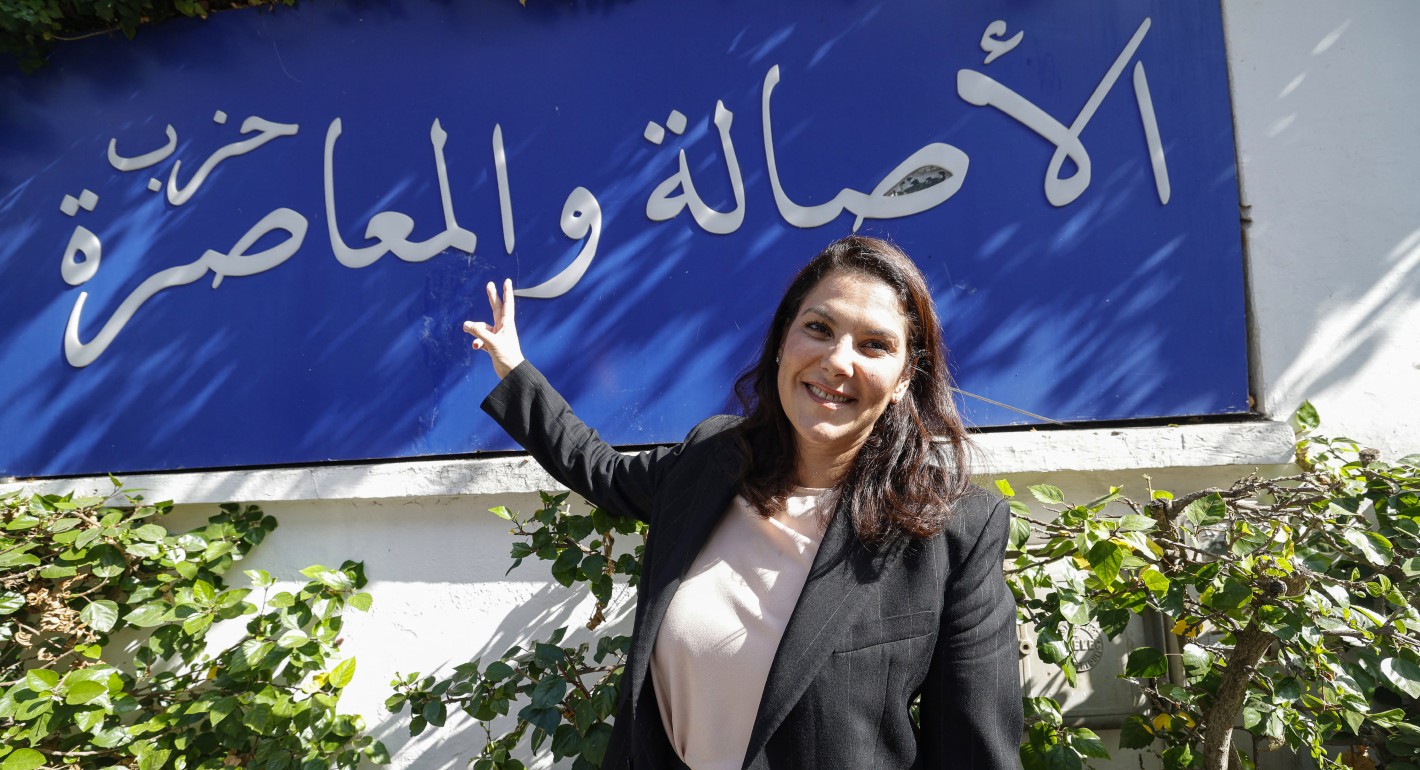
Fatima El Mansouri is the country’s first female prime minister. She’s also a privileged insider in a largely ceremonial position.

Sarah Yerkes

The acknowledgment has sparked fears of a new arms race with China and Russia.

Chris O’Meara

Smaller powers cannot go it alone, but Canadian history shows that integration with the United States will not always be benign.
Paul Samson

The European Commissioner for Trade is headed to China. But after President Xi’s bridge-building visit to Washington, can a more isolated EU overcome Beijing’s stranglehold on critical raw materials? Who will blink first?

Rym Momtaz, ed.
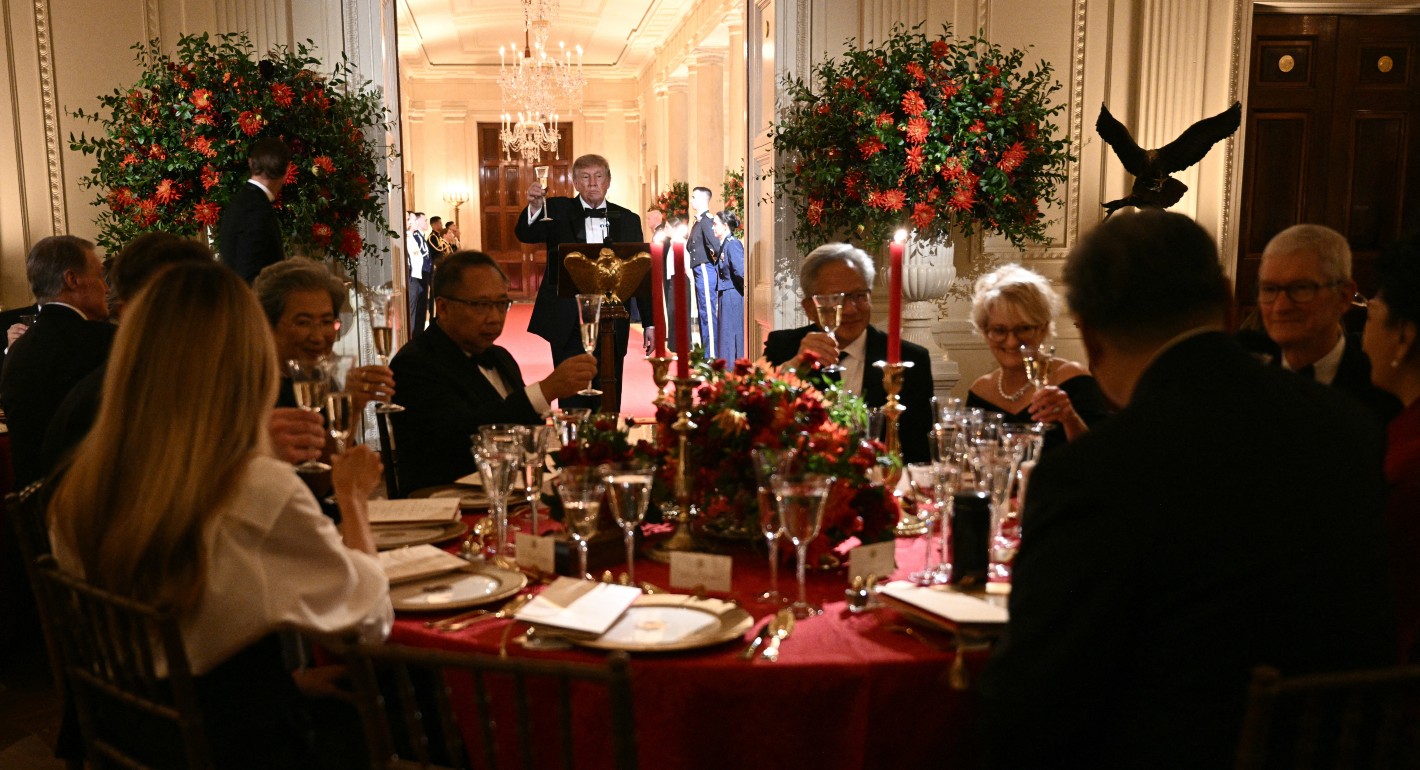
The summit may be remembered as a fatal blunder, when Washington, Beijing, and the AI industry collectively chose ceremony over action.

Jeffrey Prescott