

In The Media
Jessica Tuchman Mathews
{
  "authors": [
    "Jessica Tuchman Mathews"
  ],
  "type": "other",
  "centerAffiliationAll": "",
  "centers": [
    "Carnegie Endowment for International Peace"
  ],
  "collections": [],
  "englishNewsletterAll": "",
  "nonEnglishNewsletterAll": "",
  "primaryCenter": "Carnegie Endowment for International Peace",
  "programAffiliation": "",
  "programs": [],
  "projects": [],
  "regions": [
    "North America",
    "United States"
  ],
  "topics": [
    "Political Reform",
    "Democracy",
    "Security",
    "Foreign Policy"
  ]
}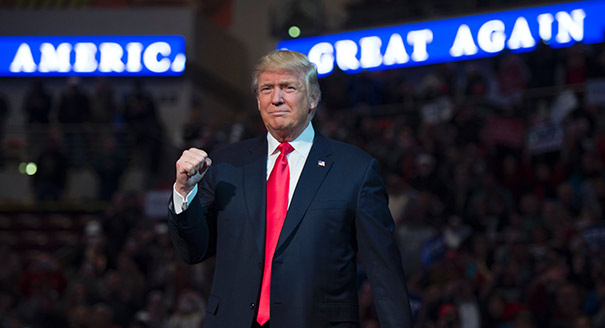
Source: Getty
In the quietest of times Trump’s policies would be alarming enough. But this is, nearly all agree, a particularly dangerous time of rapid and fundamental change in the military, economic, and political dominance to which the United States is accustomed.
Source: New York Review of Books
The following article will appear in the February 9, 2017 issue of The New York Review.
For three decades, roughly since the end of the cold war, American foreign policy has been the subject of a passionate battle among three groups with radically different views of the part the United States should play in the world and of whether force or diplomacy should be its primary method.
Neoconservatives, who were passionate advocates for the Iraq war, want the United States to be the world’s policeman, concerned not only with states’ external behavior but with their internal adherence to American values, which, they believe, the United States should impose principally through the use of force. They care little for international agreements, believing that bad guys will flout them and good guys don’t need them.
Liberal internationalists, most of whom are supporting the current nuclear agreement with Iran, also want the US to act globally. But they want to build an increasingly strong international system of cooperation and alliances and avoid unilateralism. They see international progress deriving from increasing interdependence and agreed-upon rules to which the United States, however exceptional it may be, must adhere.
For realists, international relations are propelled by powerful states promoting their own self-interest. This view holds that the US should concentrate on its relations with the other great powers and on the balance of power in the most important regions and not waste resources on other parts of the world. Generally, realists argue for a much more limited US involvement in the conflicts of the Middle East.....
This article was originally published in the New York Review of Books.

Distinguished Fellow
Mathews is a distinguished fellow at the Carnegie Endowment for International Peace. She served as Carnegie’s president for 18 years.
Recent Work
Jessica Tuchman Mathews
Jessica Tuchman Mathews
Carnegie does not take institutional positions on public policy issues; the views represented herein are those of the author(s) and do not necessarily reflect the views of Carnegie, its staff, or its trustees.
Closer EU-UK ties could help address urgent European concerns. But is the EU ready for rapprochement with the United Kingdom?

Rym Momtaz, ed.

The Russian state has opted for complete ideological control of the internet and is prepared to bear the associated costs.

Maria Kolomychenko
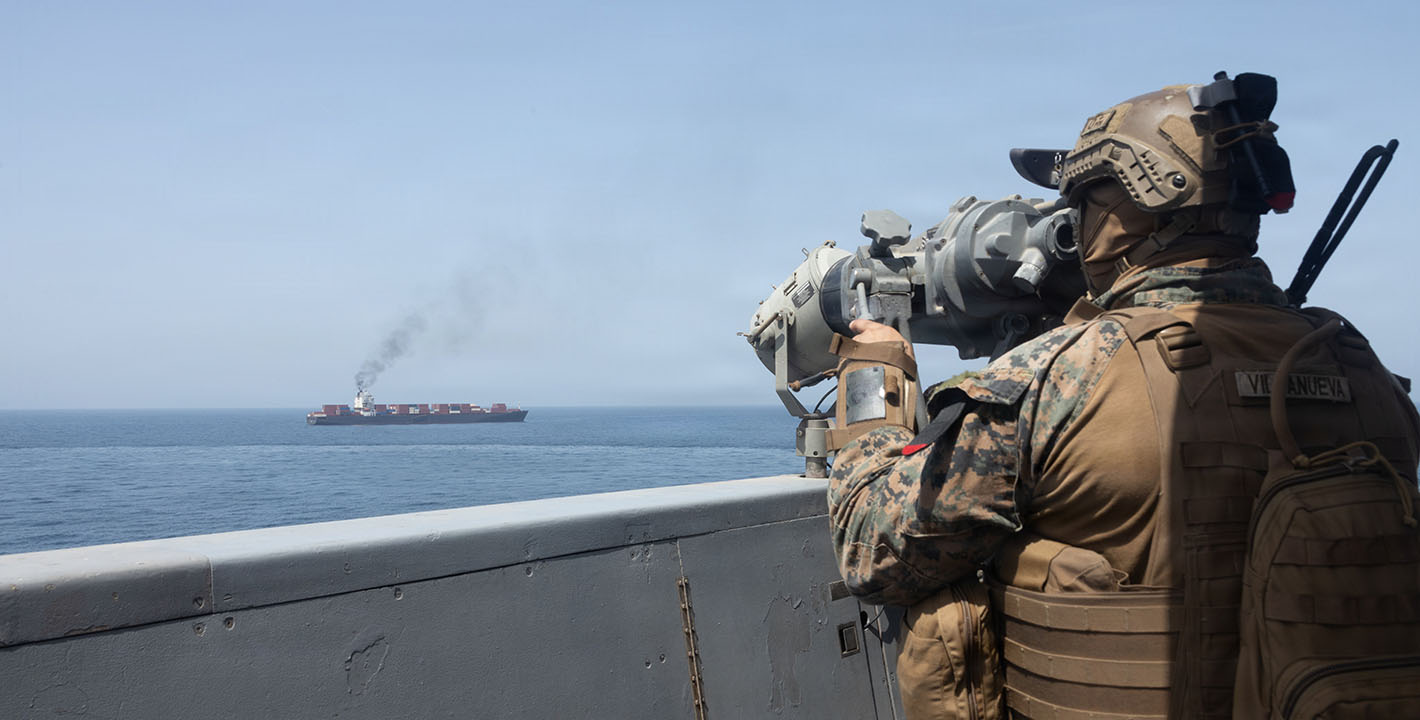
In an interview, Jim Lamson discusses the ongoing regional conflict and sees an unclear picture when it comes to winners and losers.

Michael Young

Our new report offers a path forward for local officials and future policymakers.



Joe McCannon, Jenny Keroack, Lauren Jensen, …

Present and future policymakers seeking to address climate-related health challenges can draw lessons from the successes and failures of the Biden administration.
Joe McCannon, Jenny Keroack, Lauren Jensen, …