

Commentary
Saied’s main accomplishment has been to destroy a decade’s worth of democratic progress.
Sarah Yerkes
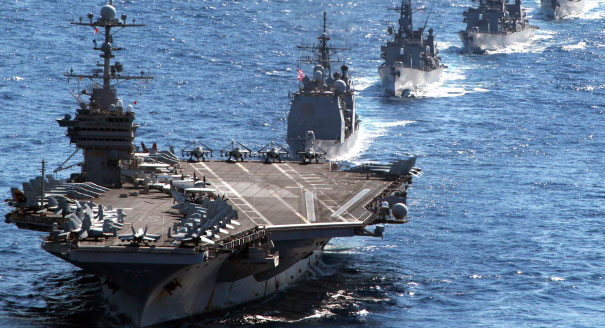
This book identifies how Asia’s major powers have developed military strategies to address their most significant challenges.
Source: National Bureau of Asian Research
Co-edited and introduced by Ashley J. Tellis, Strategic Asia 2017-18: Power, Ideas, and Military Strategy in the Asia-Pacific identifies how Asia’s major powers have developed military strategies to address their most significant challenges. In each chapter, a leading expert analyzes how national power and capabilities interact with strategic culture to shape a country’s military strategies and explains why decision-makers come to favor certain options over others. This is the final volume from a three-year project that takes stock of the national power of the major Asian states.
Order this book, or read the introduction by Ashley J. Tellis for free.
Ashley J. Tellis holds the Tata Chair for Strategic Affairs and is a senior fellow at the Carnegie Endowment for International Peace and research director of the Strategic Asia Program at the National Bureau of Asian Research (NBR).
Alison Szalwinski is assistant director for political and security affairs at NBR.
Michael Wills is senior vice president for strategy and finance at NBR.
Former Senior Fellow
Ashley J. Tellis was a senior fellow at the Carnegie Endowment for International Peace.
Alison Szalwinski
National Bureau of Asian Research
Alison Szalwinski is assistant director for political and security affairs at NBR.
Michael Wills
National Bureau of Asian Research
Michael Wills is senior vice president for strategy and finance at NBR.
Carnegie does not take institutional positions on public policy issues; the views represented herein are those of the author(s) and do not necessarily reflect the views of Carnegie, its staff, or its trustees.
Saied’s main accomplishment has been to destroy a decade’s worth of democratic progress.

Sarah Yerkes
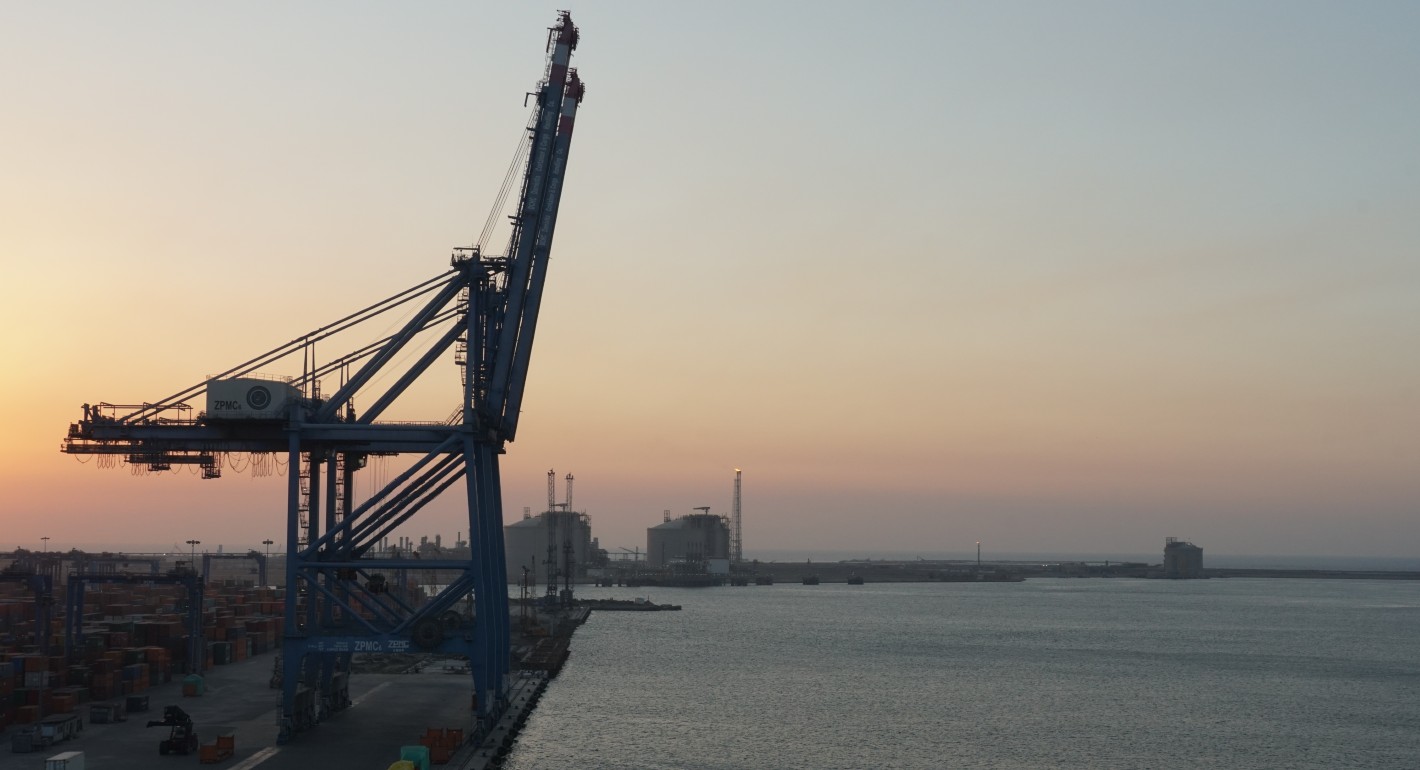
The targeting of Damietta Port appears to be more than a mere security message.

Amr Hamzawy
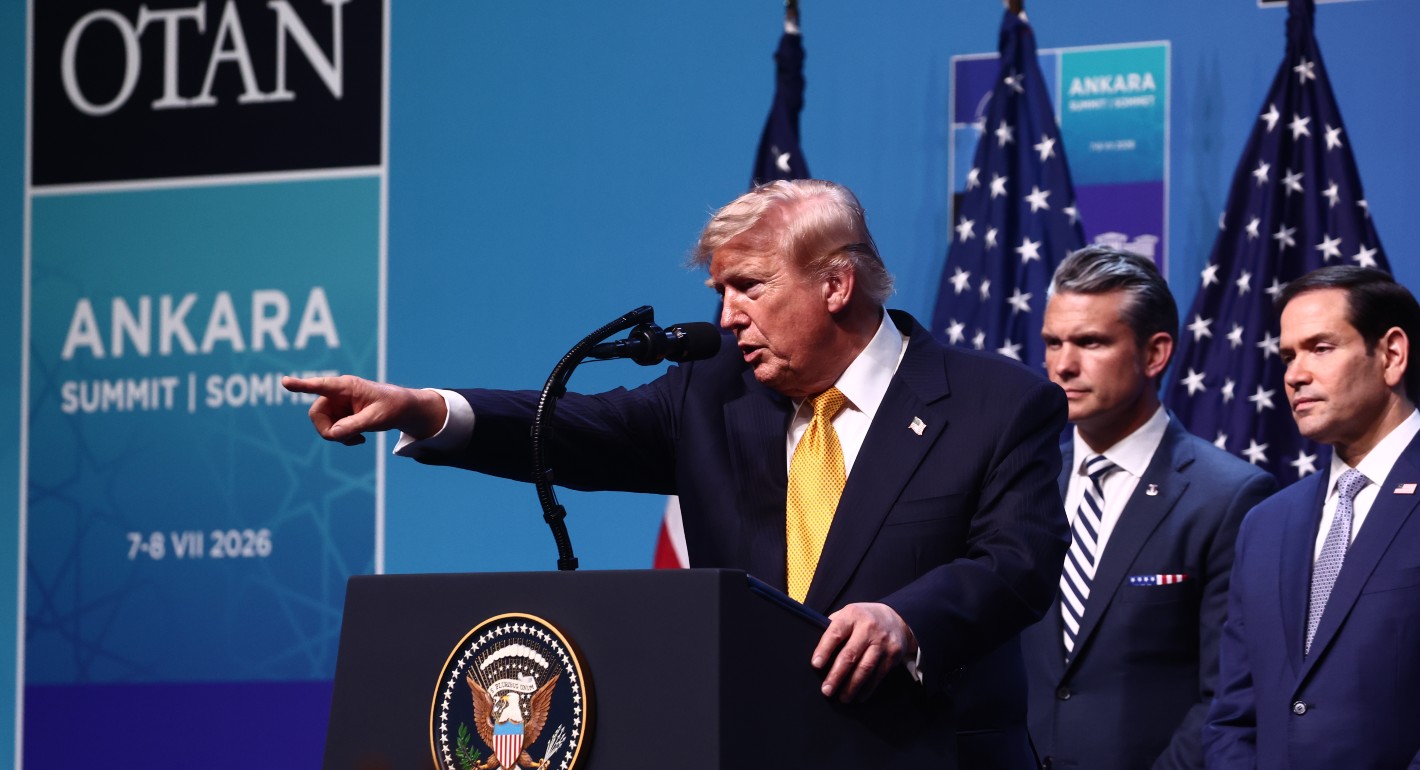
Does Donald Trump want to redraw the map of the world? Historian and geopolitical thinker Stephen Wertheim tries to parse the logic behind current American foreign policy

Stephen Wertheim

As AI grows more sophisticated, as the supply chains that power it become more contested, and as access to frontier models becomes geopolitically charged, India must begin to ask a different set of questions. Not what applications it can build on someone else’s infrastructure but what the world needs.

Konark Bhandari
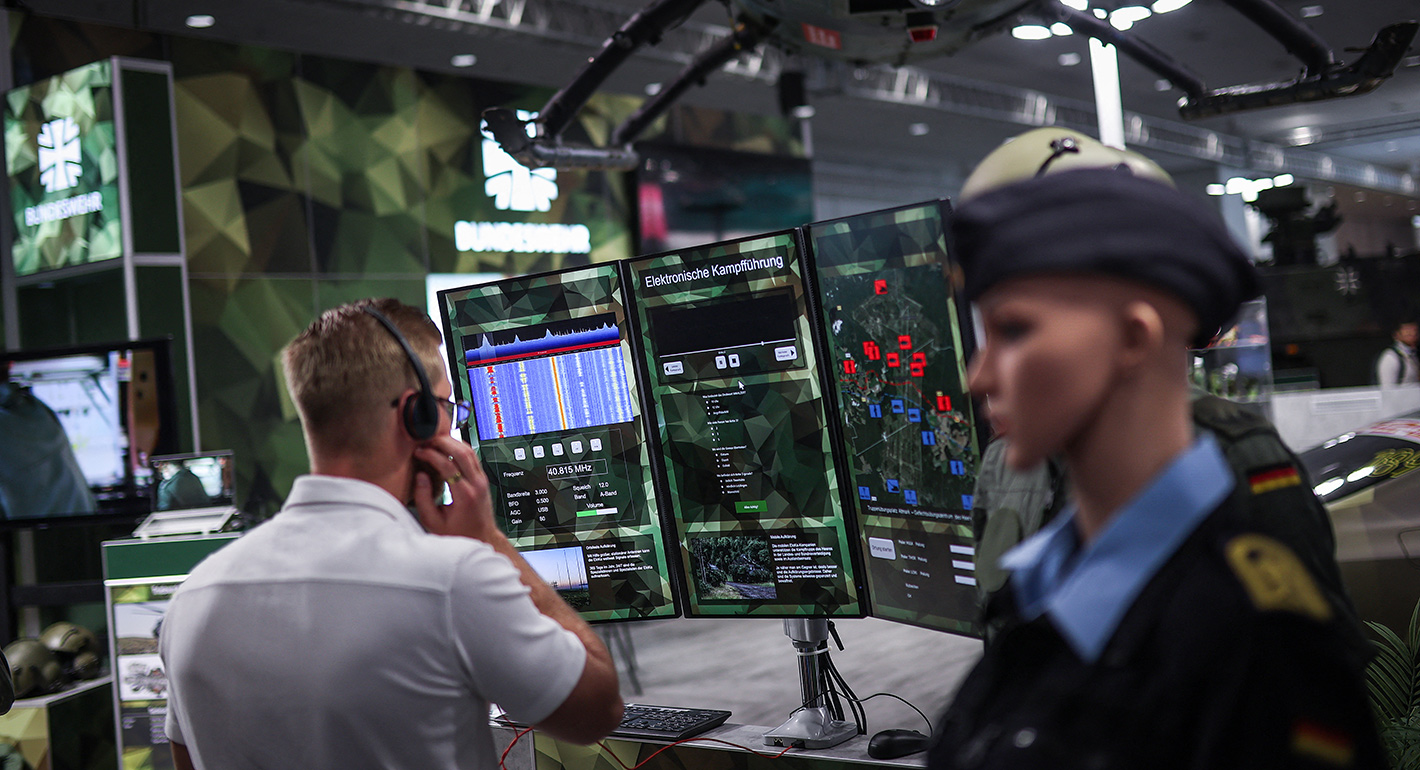
In the fog of modern war, generative AI offers every side a simple transaction: Trade documented reality for permanent doubt.
Mahsa Alimardani, Afsaneh Rigot