

Research
- +10
Jarrett Blanc, Thomas de Waal, Karim Sadjadpour, …
{
  "authors": [
    "Jarrett Blanc"
  ],
  "type": "legacyinthemedia",
  "centerAffiliationAll": "dc",
  "centers": [
    "Carnegie Endowment for International Peace"
  ],
  "collections": [],
  "englishNewsletterAll": "americanStatecraft",
  "nonEnglishNewsletterAll": "",
  "primaryCenter": "Carnegie Endowment for International Peace",
  "programAffiliation": "ASP",
  "programs": [
    "American Statecraft"
  ],
  "projects": [],
  "regions": [
    "North America",
    "United States",
    "East Asia",
    "China"
  ],
  "topics": [
    "Security",
    "Military",
    "Foreign Policy",
    "Nuclear Policy"
  ]
}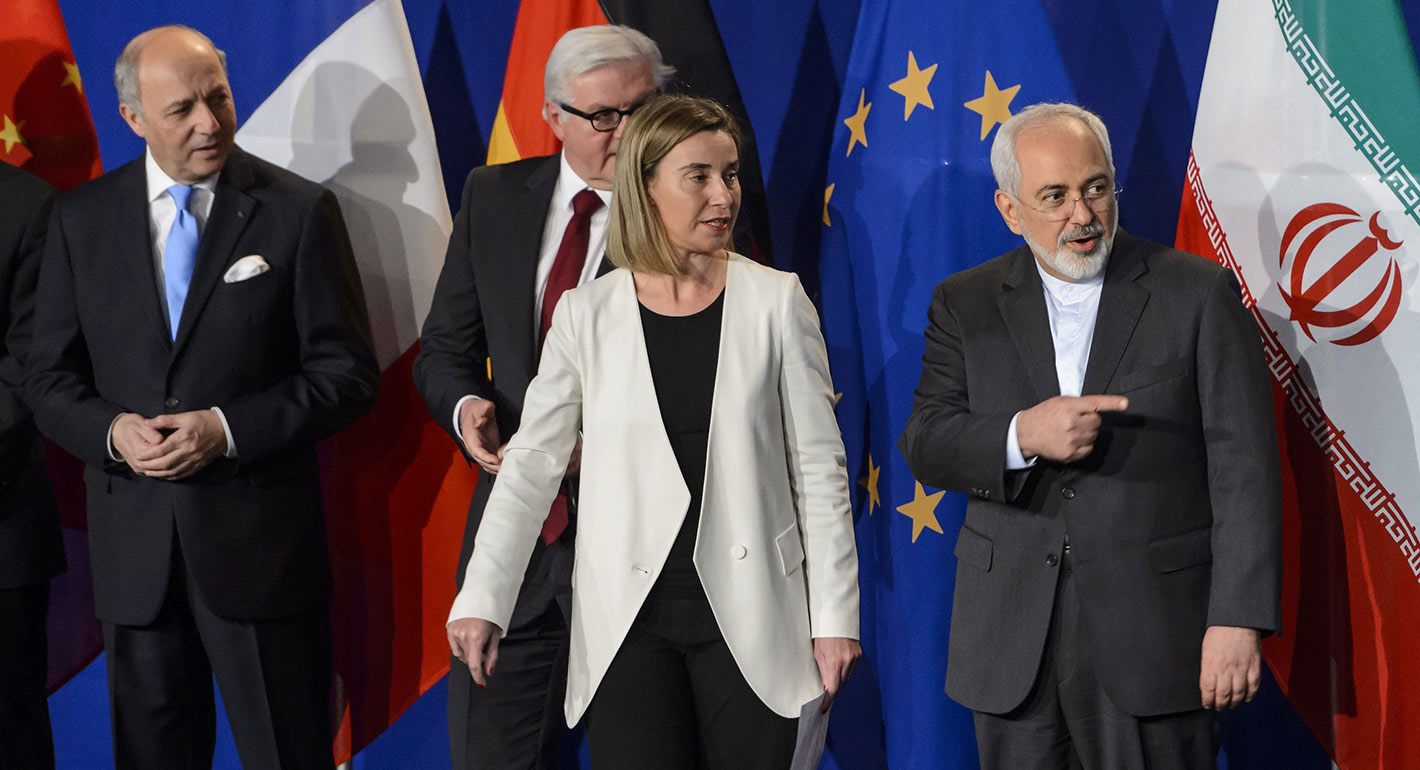
Source: Getty
Withdrawing waivers for civil nuclear cooperation may sound less aggressive than steps like the overhyped Guard Corps designation, but it is one of the most dangerous steps the administration has left.
Source: War on the Rocks
The Trump administration is busy ratcheting up pressure on Iran: Last week, the president made clear he is going to try to use sanctions threats to force Iranian oil sales to zero. Earlier this month, he announced the designation of Iran’s Revolutionary Guard Corps as a foreign terrorist organization. Now, members of the administration are debating whether to renew sanctions waivers for European, Chinese, and Russian cooperation with Iran on civil nuclear projects. These waivers allow international partners to work with Iran on non-military projects without fear of U.S. sanctions.
Failing to renew the waivers would be indefensible. The fact that there is even an internal debate is illuminating: At least some Trump advisors want a crisis with Iran, and the sooner the better.
Withdrawing waivers for civil nuclear cooperation may sound less aggressive than steps like the overhyped Guard Corps designation, but it is one of the most dangerous steps the administration has left, threatening the international nuclear cooperation that is Iran’s only remaining practical benefit from the deal. The waivers cover three projects. The first is Fordow. Originally a secret underground uranium enrichment facility, the discovery of Fordow prompted severe international concern and multilateral agreement on sanctions that set the stage for the Iran deal. Under the deal, Fordow’s uranium enrichment infrastructure was dismantled and the facility is to be turned into a harmless international “nuclear, physics, and technology centre” with leadership from Russia and the European Union. Some critics complained, Fordow was not “closed” and certainly, the deal did not require it to be dynamited or abandoned, but it was no longer a uranium enrichment facility. If Iran isn’t allowed to work with Russia and the European Union on this new plan, it may return Fordow to more threatening uses.
The second is Arak, where prior to the deal, Iran was building a heavy-water nuclear reactor capable of producing enough weapons grade plutonium for a bomb every year. Under the deal, Iran destroyed the heart of the reactor in exchange for a promise that China and the United States would help oversee the design and construction of a replacement reactor that would produce much less and lower grade plutonium that cannot be used for weapons. The United Kingdom has now stepped into the U.S. role. Iran wants to proceed with the new reactor design and its negligible proliferation risk. If China and the United Kingdom withdraw from the project due to threatened U.S. sanctions, Tehran may simply return to the old plan. A great deal has been made of ambiguous Iranian statements about spare parts that could be used to rebuild the heart of the reactor, but of course Iran is capable of redoing the project they have already built and dismantled once. That is why negotiators insisted not just on destroying the core but rebuilding the reactor using a different design.
The last is Iran’s only functioning commercial nuclear reactor, a Russian-supported project in Bushehr. Bushehr originally dates to the Shah’s time but was derailed by the Iranian revolution and the Iran-Iraq war. Russia took over in 1995, and as U.S. anxiety about Iran’s nuclear program rose, it was a point of contention between Washington and Moscow. Still, Russia took non-proliferation concerns seriously, controlling Bushehr’s fuel so that Iran would not be able to divert fissile material from civilian to military uses. While the U.S. never provided specific waivers, it also never enforced sanctions on the Russian partners in Bushehr.
Even now, advocates of withdrawing the other waivers, like the Foundation for Defense of Democracies, often make an exception for Bushehr, saying that it does not pose a proliferation concern. They are right, but since the same is true of the other two projects, the real distinction must lie elsewhere. If Washington doesn’t provide new waivers and applies new sanctions, it is doubtful that Russia would comply. Rosatom, Russia’s international commercial nuclear provider, an irreplaceable partner for the United States in nuclear safety and security projects worldwide, is probably too important for the U.S. to sanction in turn.
It is hard to predict what will happen if Washington refuses to extend some or all of these waivers. Most of the sanctions re-imposed by U.S. withdrawal from the Iran deal target private sector actors, so compliance or violation is not a government decision. Much of the nuclear cooperation resides in governments. While individual officials might fear U.S. sanctions, would the proud governments that negotiated the deal actually walk away in face of U.S. threats? If they stand their ground, would the United States actually target the governments of some of its closest allies and most important partners?
So, why would the United States risk the continued non-proliferation achievements of the Iran deal — now sustained despite tremendous economic pressure on Iran — as well as a break with our allies?
Simple. Iran is still complying with the deal. So long as it continues to do so, a future Democratic president could simply return the United States to the deal, undoing the hard work of Iran hawks around Trump. Some critics of the Iran deal want to wall in future presidents. But new Trump sanctions can be undone from the White House. The only reliable way to kill the nuclear deal is to pressure Tehran into a violation.
On Sunday, Iranian Foreign Minister Javad Zarif repeated a dark threat that Iran might withdraw from the nuclear deal and even from the Non-Proliferation Treaty (NPT). Unfortunately, some of President Trump’s advisors and supporters — the advocates of withdrawing civil nuclear cooperation waivers — prefer a return to an unconstrained Iranian nuclear program rather than a return to the realistic and effective diplomacy that produced the Iran deal. It is hard to imagine a riskier or more foolish basis for making policy in a tense region.
This article was originally published by the War on the Rocks.
Former Senior Fellow, Geoeconomics and Strategy Program
Jarrett Blanc was a senior fellow in the Geoeconomics and Strategy Program at the Carnegie Endowment for International Peace.
Recent Work


Jarrett Blanc, Thomas de Waal, Karim Sadjadpour, …

Dan Baer, Rosa Balfour, Jarrett Blanc, …
Carnegie does not take institutional positions on public policy issues; the views represented herein are those of the author(s) and do not necessarily reflect the views of Carnegie, its staff, or its trustees.
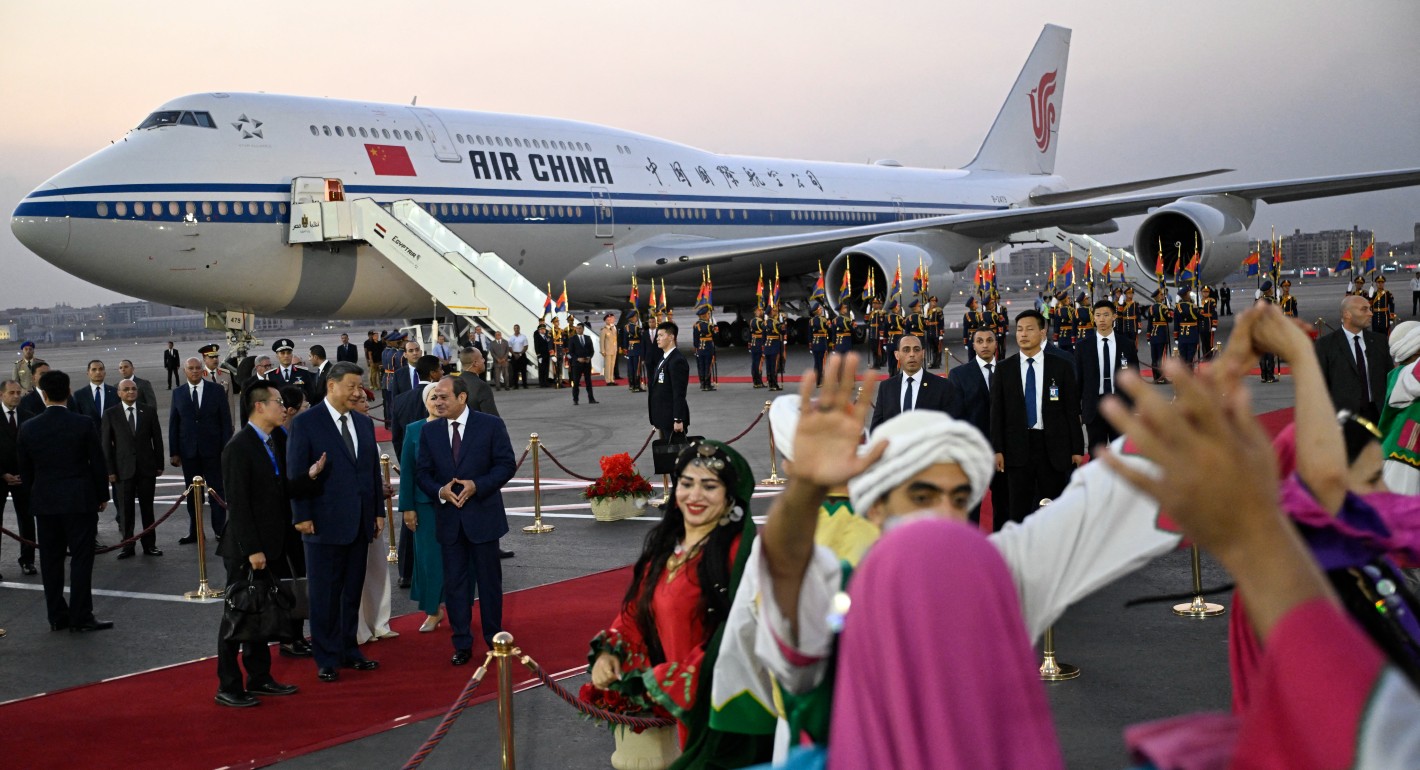
Amid celebrations of bilateral ties was a deeper focus on stability in the Middle East.

Amr Hamzawy

Canadian Prime Minister Mark Carney has twice inspired praise for standing up to U.S. President Donald Trump: at the 2026 World Economic Forum in Davos and on Canada-U.S. trade negotiations. Is Carney showing a third way better than the EU has in dealing with the Trump administration?

Rym Momtaz, ed.
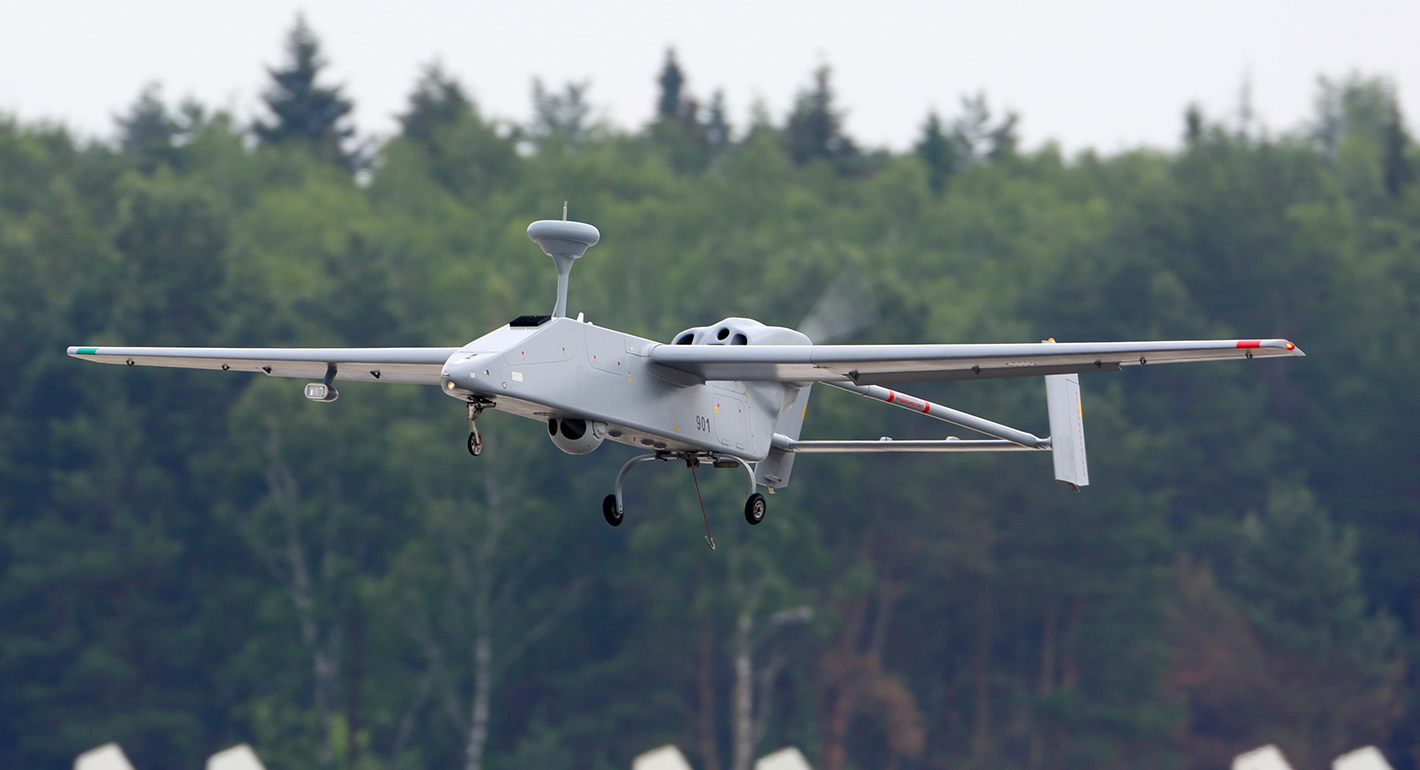
Moscow is testing Europe’s defenses with drone incursions and could decide to use drones against the continent on a much larger scale once the war in Ukraine pauses. European countries will need Kyiv to help them prepare for such a possibility.
Pavlo Zvenyhorodskyi

Middle Eastern states should welcome an accelerated U.S. disengagement from their region.

Michael Young
Xi, Putin, and other regional leaders are back-slapping in Bishkek, but the SCO has yet to answer the most serious questions about continental Asia's economic future.

Evan A. Feigenbaum