

Commentary
From Sudan to Ukraine, UAVs have upended warfighting tactics and become one of the most destructive weapons of conflict.
Jon Bateman, Steve Feldstein
{
  "authors": [],
  "type": "pressRelease",
  "centerAffiliationAll": "",
  "centers": [
    "Carnegie Endowment for International Peace",
    "Carnegie Europe",
    "Carnegie China",
    "Malcolm H. Kerr Carnegie Middle East Center"
  ],
  "collections": [],
  "englishNewsletterAll": "",
  "nonEnglishNewsletterAll": "",
  "primaryCenter": "Carnegie Endowment for International Peace",
  "programAffiliation": "",
  "programs": [
    "Asia"
  ],
  "projects": [],
  "regions": [
    "United States",
    "East Asia",
    "China",
    "Egypt",
    "Gulf",
    "Levant",
    "Maghreb",
    "Asia",
    "North America"
  ],
  "topics": [
    "Political Reform",
    "Security",
    "Economy",
    "Military",
    "Foreign Policy",
    "Domestic Politics"
  ]
}
REQUIRED IMAGE
The Carnegie Endowment announces the launch of the Carnegie–Tsinghua Center for Global Policy, a joint U.S.–China research center based at Tsinghua University in Beijing, China.
BEIJING, Apr 14—The Carnegie Endowment announced today the launch of the Carnegie–Tsinghua Center for Global Policy, a joint U.S.–China research center based at Tsinghua University in Beijing, China.
Making the announcement, Jessica T. Mathews, president of the Carnegie Endowment, said:
“The events of the last year have shown the urgent need for the United States and China to enhance understanding and cooperation on critical global issues. Whether effectively addressing climate change, nuclear security, or leading a global economic recovery, cooperation between the two countries is essential. I am delighted that Carnegie can play its part in developing that relationship through this new collaboration with the prestigious Tsinghua University. Our experts in Beijing will collaborate on these issues, and others, with their colleagues in Carnegie’s centers in Washington, Moscow, Beirut, and Brussels.
“We are lucky to have Paul Haenle lead Carnegie’s operation in Beijing as the director of the Carnegie–Tsinghua Center for Global Policy. Paul brings an important combination of on-the-ground knowledge and senior-level government policy expertise in China, as well as a distinguished academic background and more than twenty years of government experience working on international issues in the United States, Europe, the Middle East, and Asia.”
Shi Zhijin, deputy dean of Tsinghua University’s School of Humanities and Social Science said:
“The year 2010 is an eventful year for China and the world. This Carnegie–Tsinghua Center for Global Policy is definitely a very important symbol of friendship between China and the United States and will contribute to strengthening our mutual understanding on bilateral issues and on global issues around the world. We are, to some extent, writing a new history and will open a new window of looking at each other. It is a great mission for us and is also a fantastic co-journey for Carnegie and Tsinghua.”
Paul Haenle, who will direct the Carnegie–Tsinghua Center, said:
“It’s a privilege to join the Carnegie Endowment and lead its efforts in Beijing. I look forward to working with Carnegie’s global network of experts, as well as the leading Chinese scholars from Tsinghua University to enhance U.S. and Chinese understanding and help shape and influence policy in both countries.”
###
NOTES
EXPERTS IN BEIJING
Carnegie does not take institutional positions on public policy issues; the views represented herein are those of the author(s) and do not necessarily reflect the views of Carnegie, its staff, or its trustees.
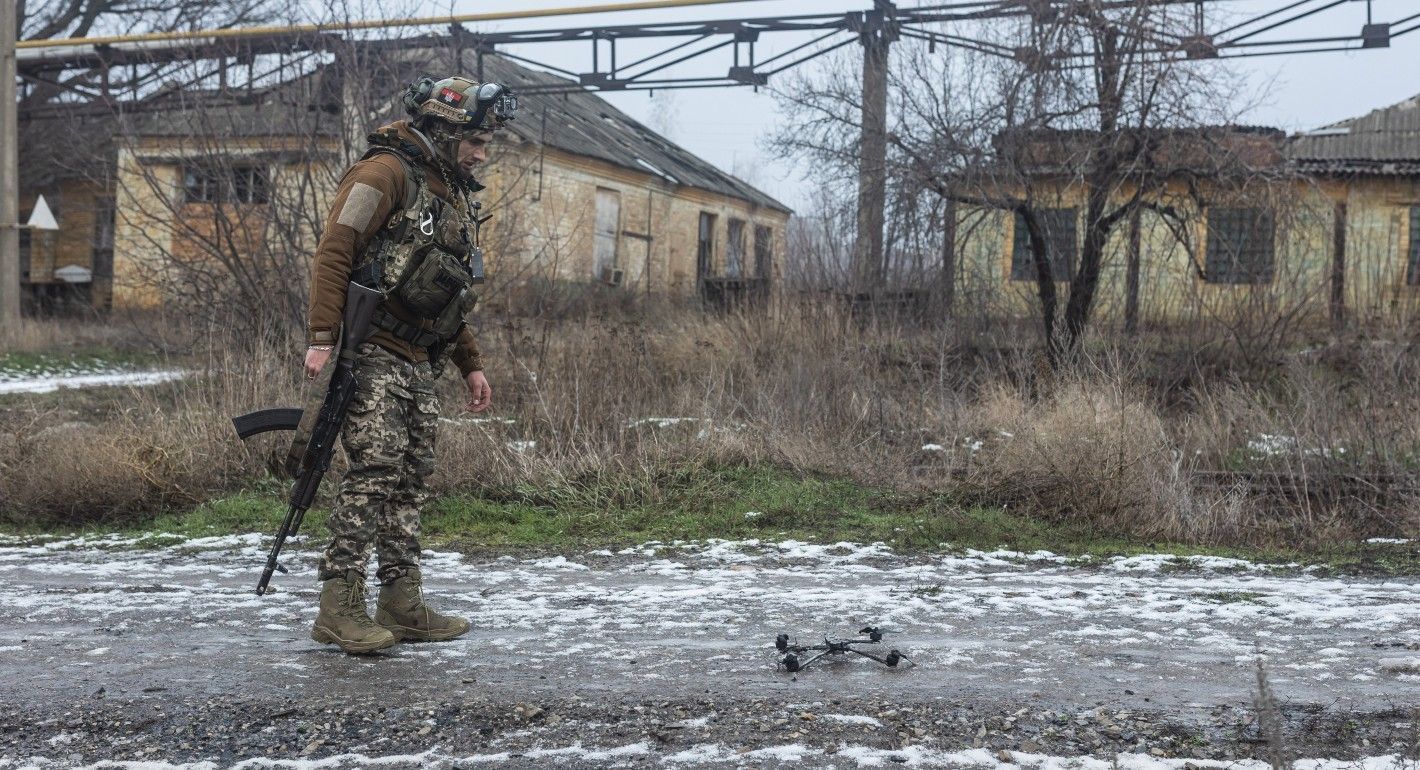
From Sudan to Ukraine, UAVs have upended warfighting tactics and become one of the most destructive weapons of conflict.

Jon Bateman, Steve Feldstein
And how they can respond.
Sophia Besch, Steve Feldstein, Stewart Patrick, …
They cannot return to the comforts of asymmetric reliance, dressed up as partnership.
Sophia Besch
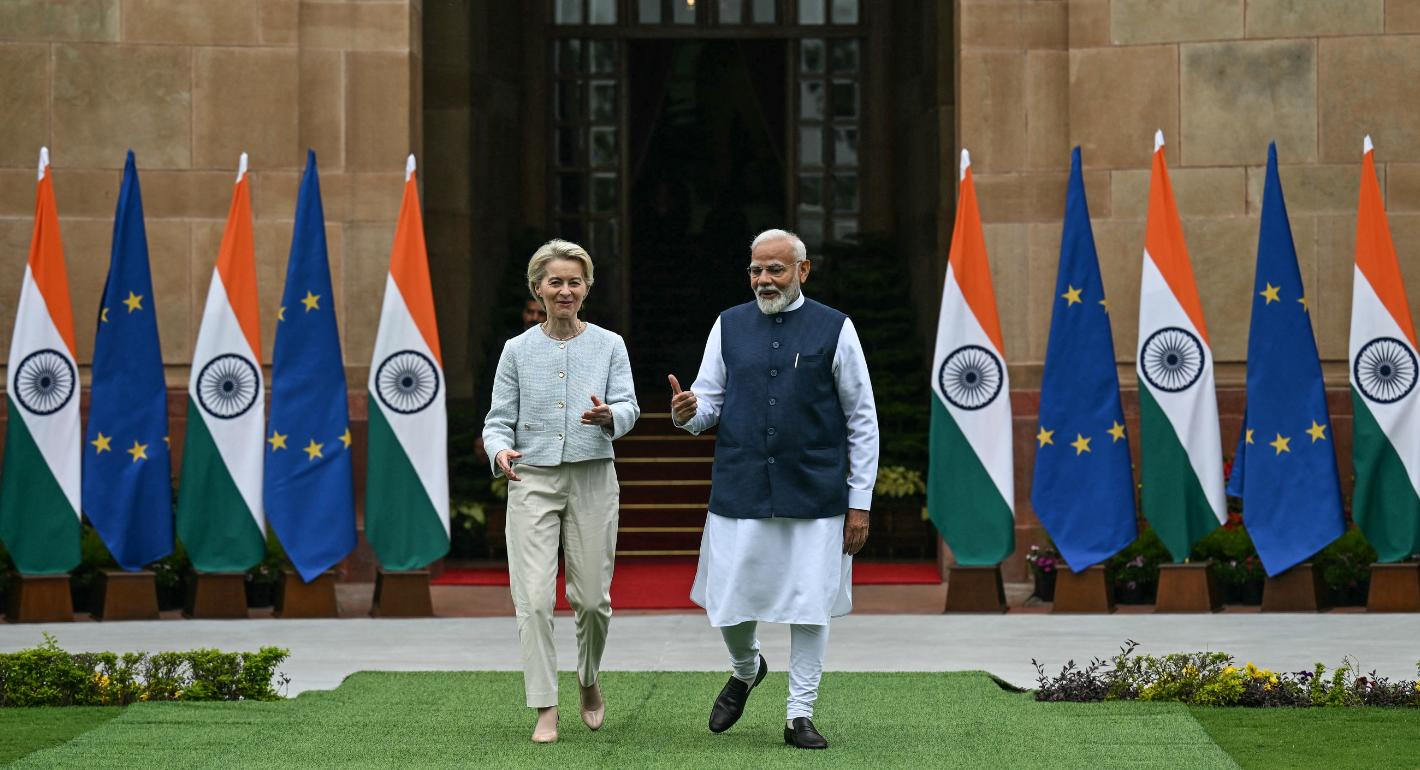
As European leadership prepares for the sixteenth EU-India Summit, both sides must reckon with trade-offs in order to secure a mutually beneficial Free Trade Agreement.
Dinakar Peri
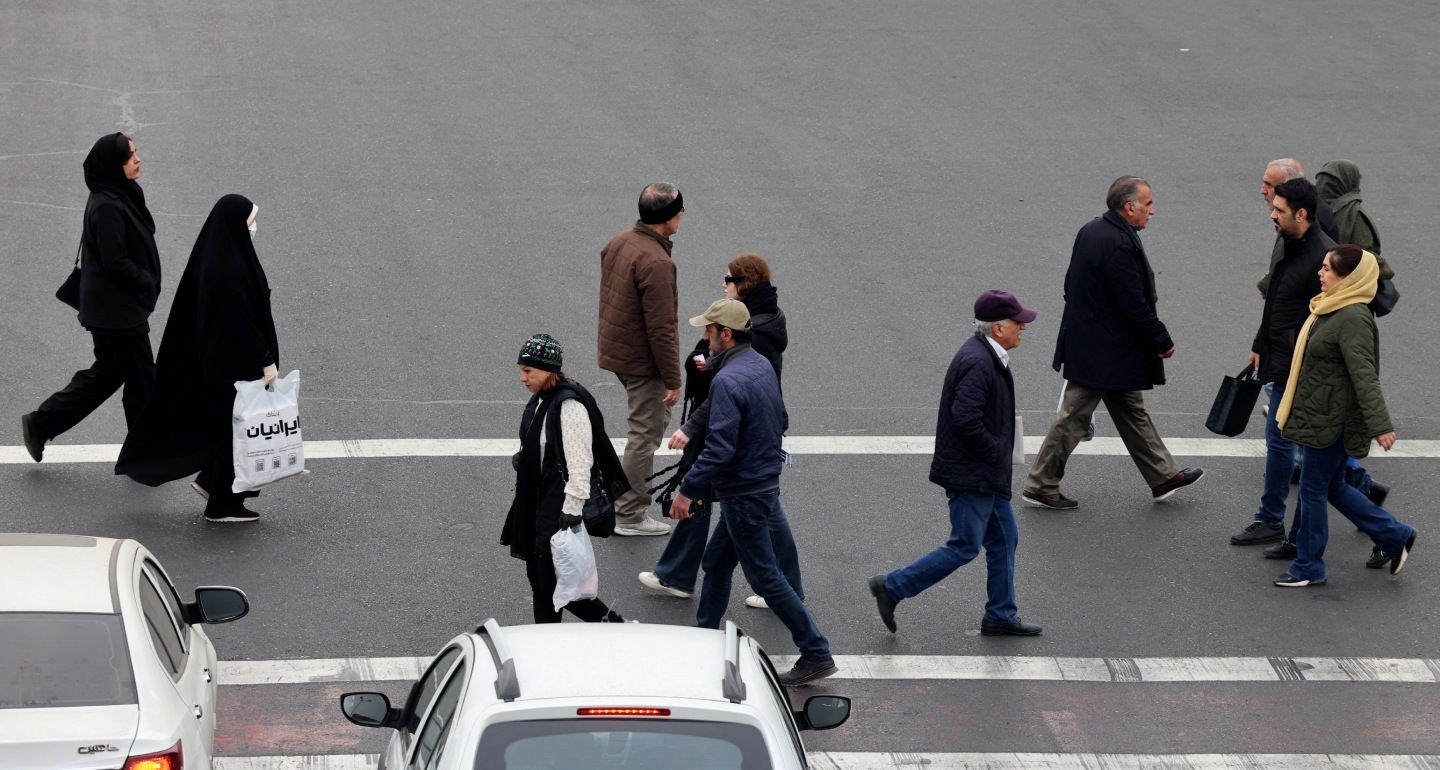
Baku may allow radical nationalists to publicly discuss “reunification” with Azeri Iranians, but the president and key officials prefer not to comment publicly on the protests in Iran.

Bashir Kitachaev