

Commentary
The uprisings showed that foreign military intervention rarely produced democratic breakthroughs.
Amr Hamzawy, Sarah Yerkes
{
  "authors": [
    "Michele Dunne",
    "Andrew Miller"
  ],
  "type": "commentary",
  "centerAffiliationAll": "",
  "centers": [
    "Carnegie Endowment for International Peace"
  ],
  "collections": [],
  "englishNewsletterAll": "",
  "nonEnglishNewsletterAll": "",
  "primaryCenter": "Carnegie Endowment for International Peace",
  "programAffiliation": "",
  "programs": [
    "Middle East"
  ],
  "projects": [],
  "regions": [
    "North Africa",
    "Egypt"
  ],
  "topics": [
    "Political Reform",
    "Foreign Policy"
  ]
}
Source: Getty
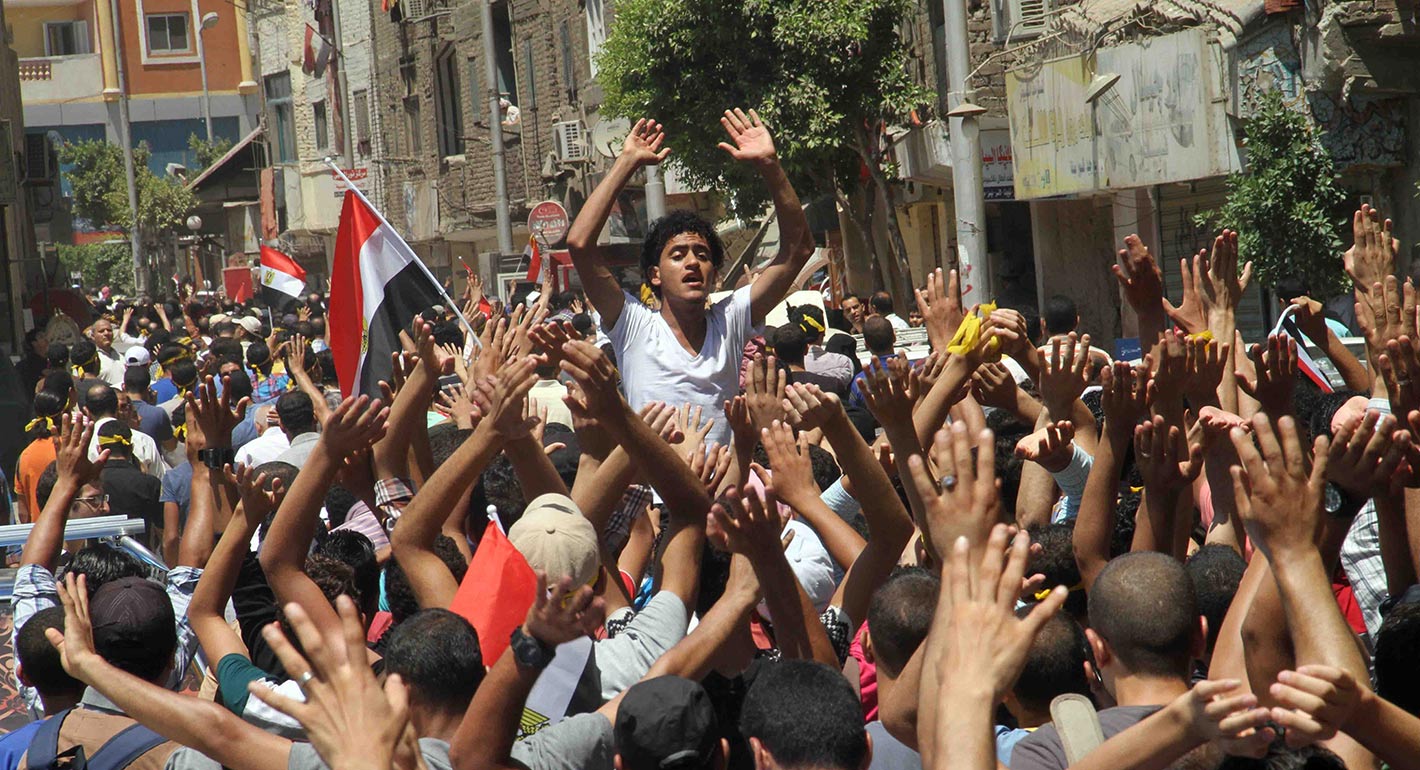
U.S. President Donald Trump wishes to designate the Muslim Brotherhood, a collection of loosely affiliated Islamist groups, as a terrorist organization. Here is why that would be deeply unwise.
There are legal, diplomatic, pragmatic, and civil rights reasons why such a designation would undermine efforts to keep Americans safe from terrorism.
In the end, designating the Muslim Brotherhood as a foreign terrorist organization would be a counterproductive political stunt that would make all Americans less safe.
Carnegie does not take institutional positions on public policy issues; the views represented herein are those of the author(s) and do not necessarily reflect the views of Carnegie, its staff, or its trustees.
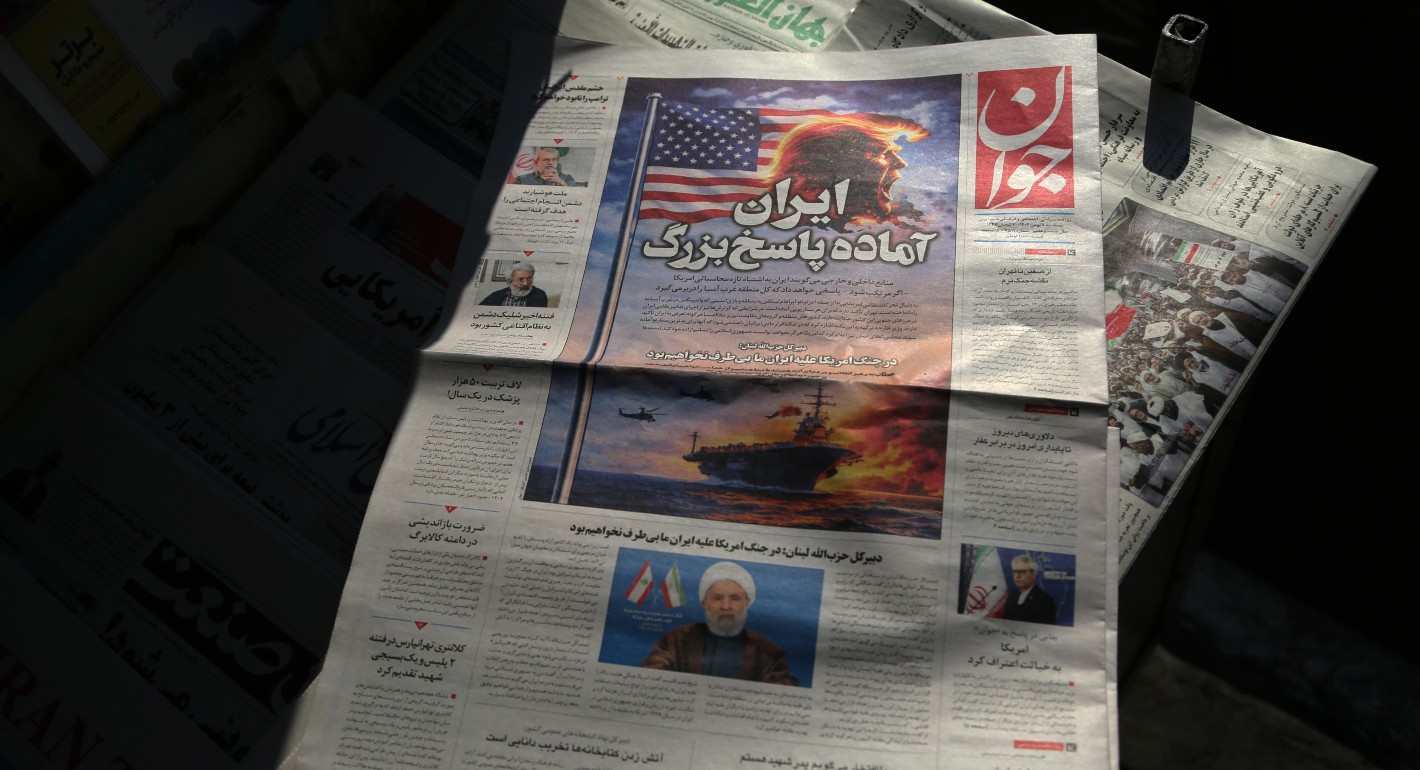
The uprisings showed that foreign military intervention rarely produced democratic breakthroughs.
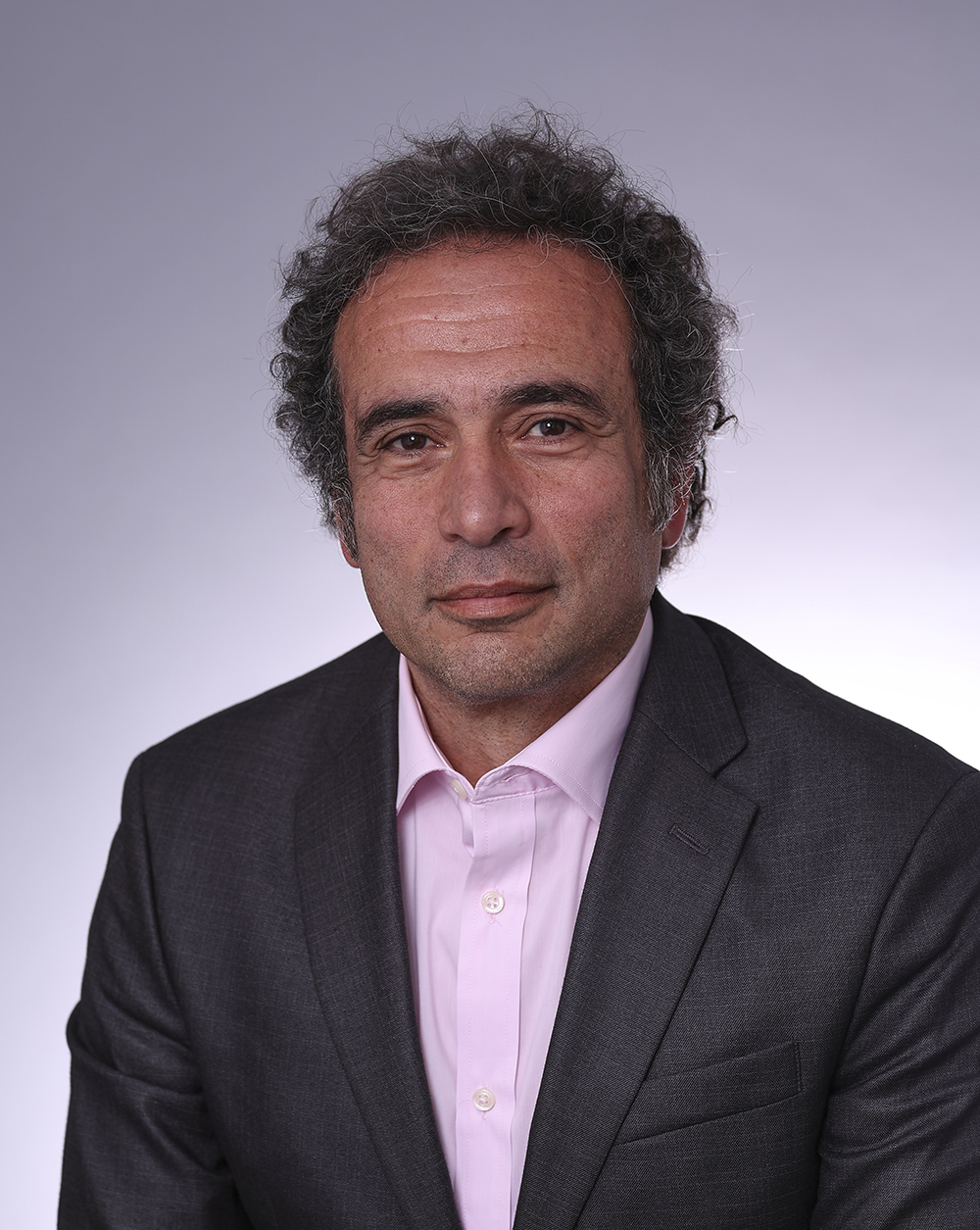
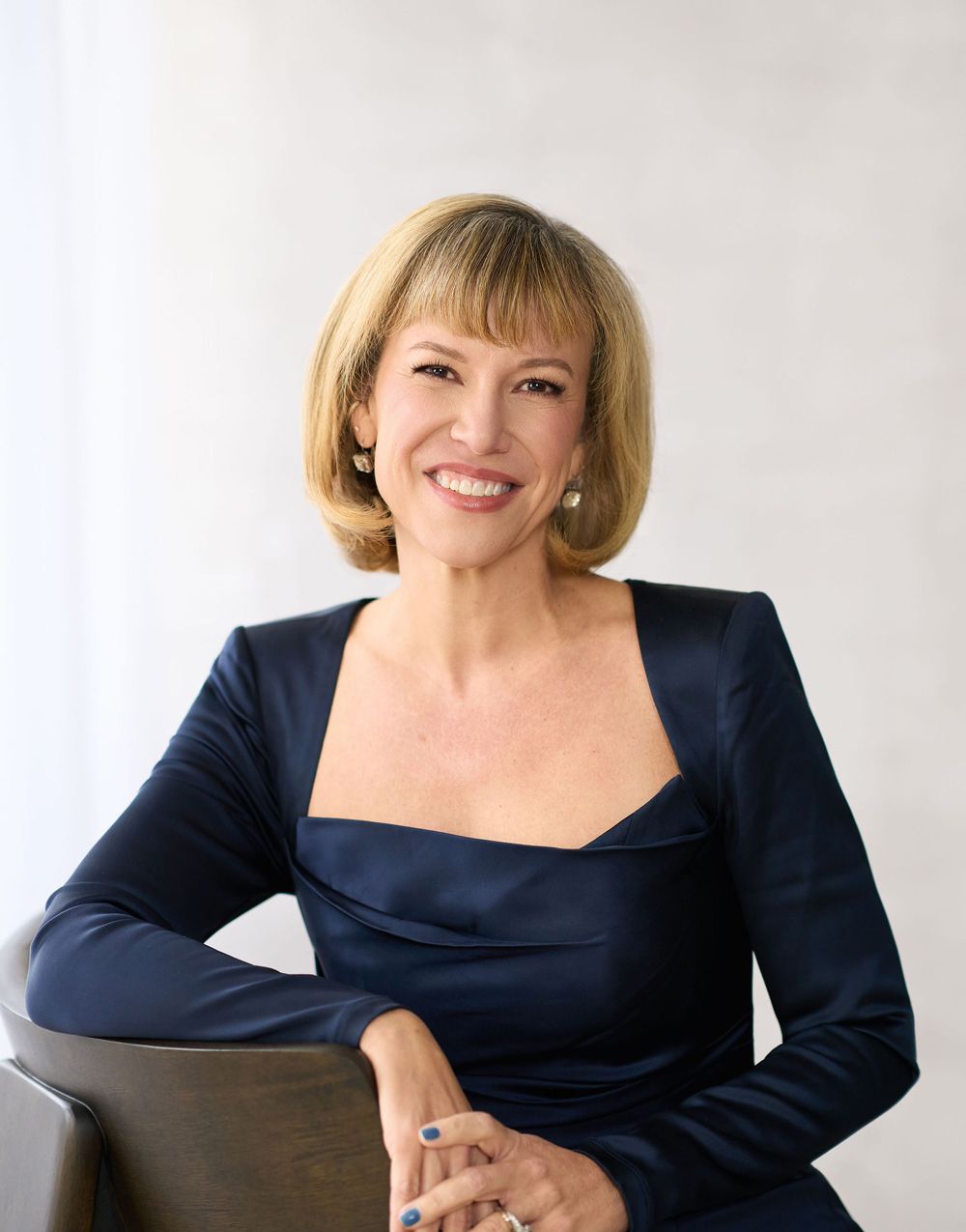
Amr Hamzawy, Sarah Yerkes
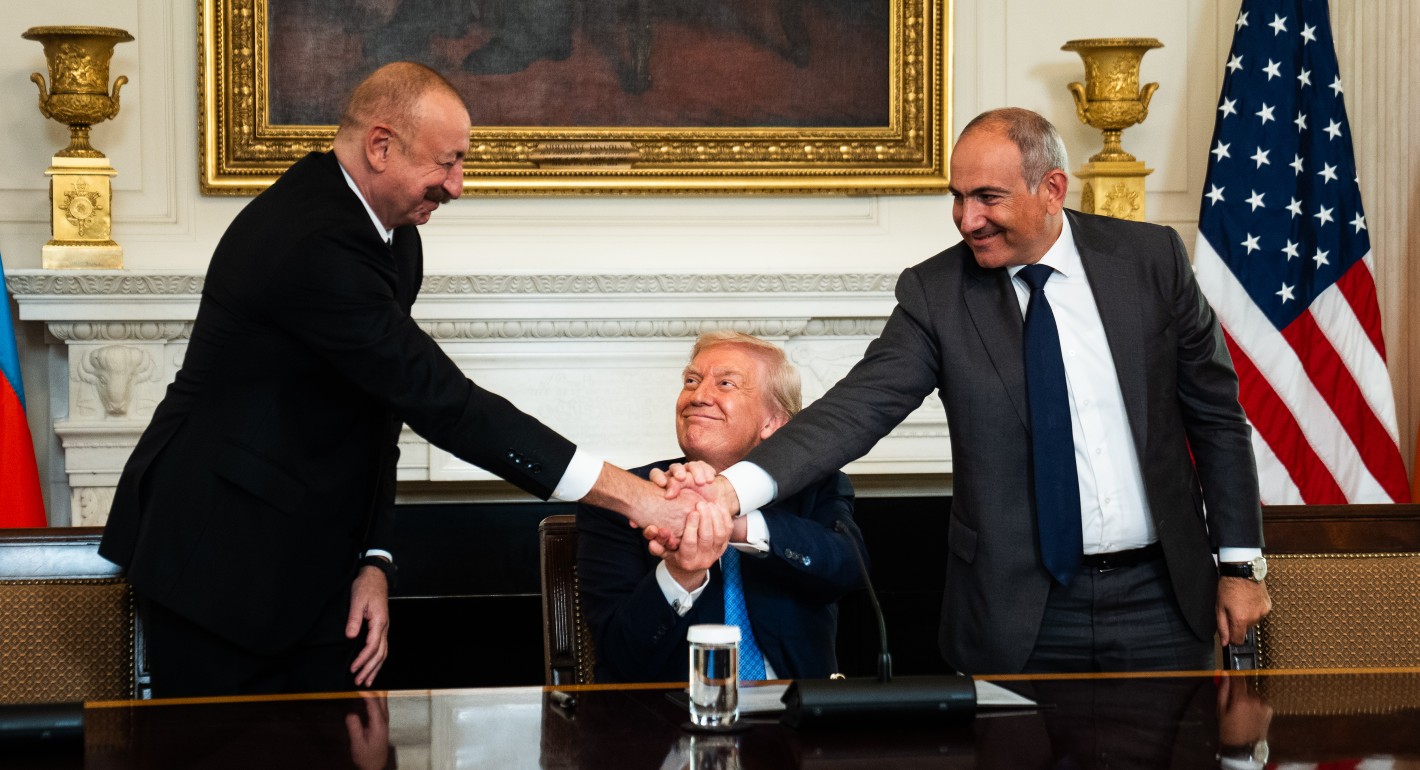
An Armenia-Azerbaijan settlement may be the only realistic test case for making glossy promises a reality.
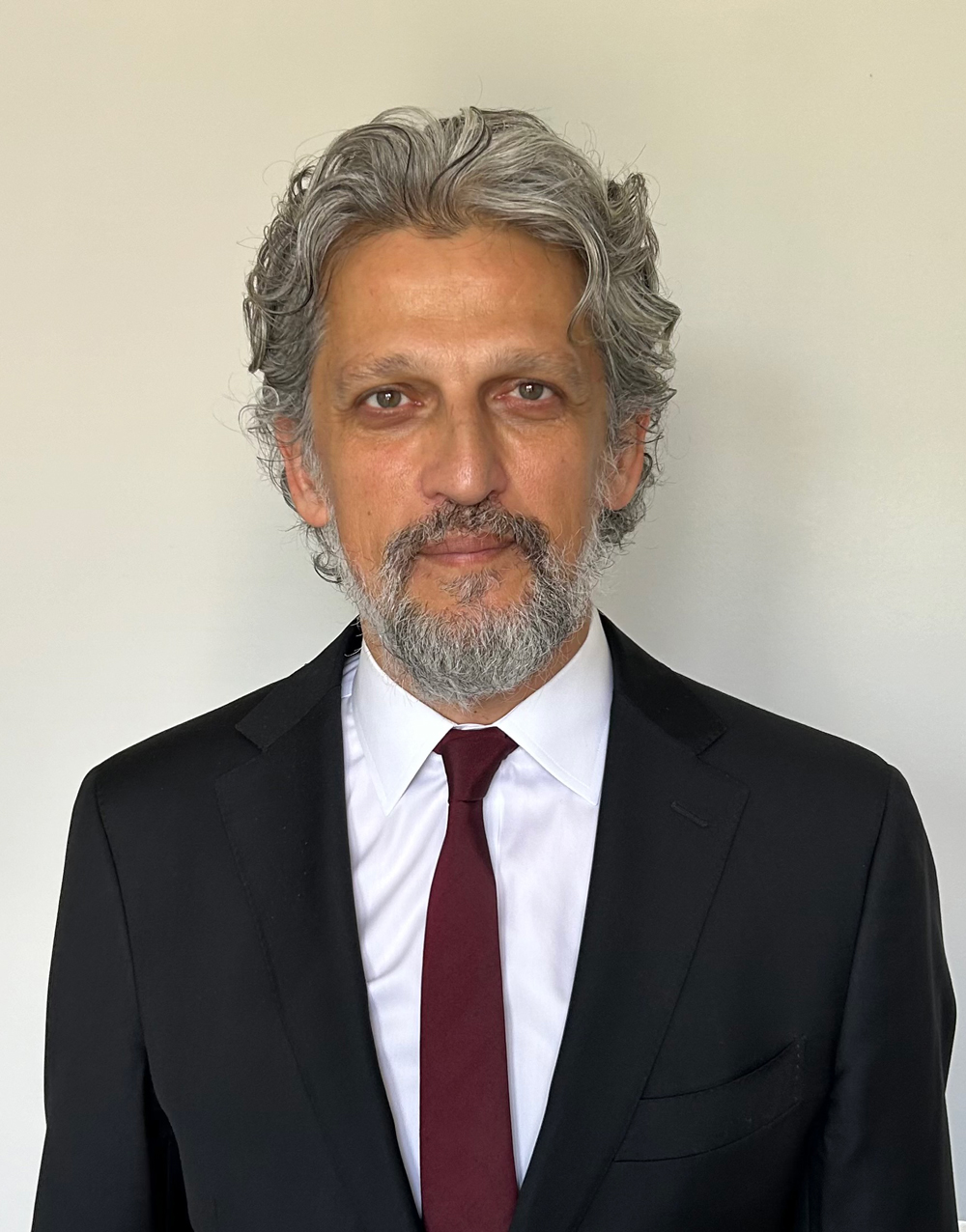
Garo Paylan
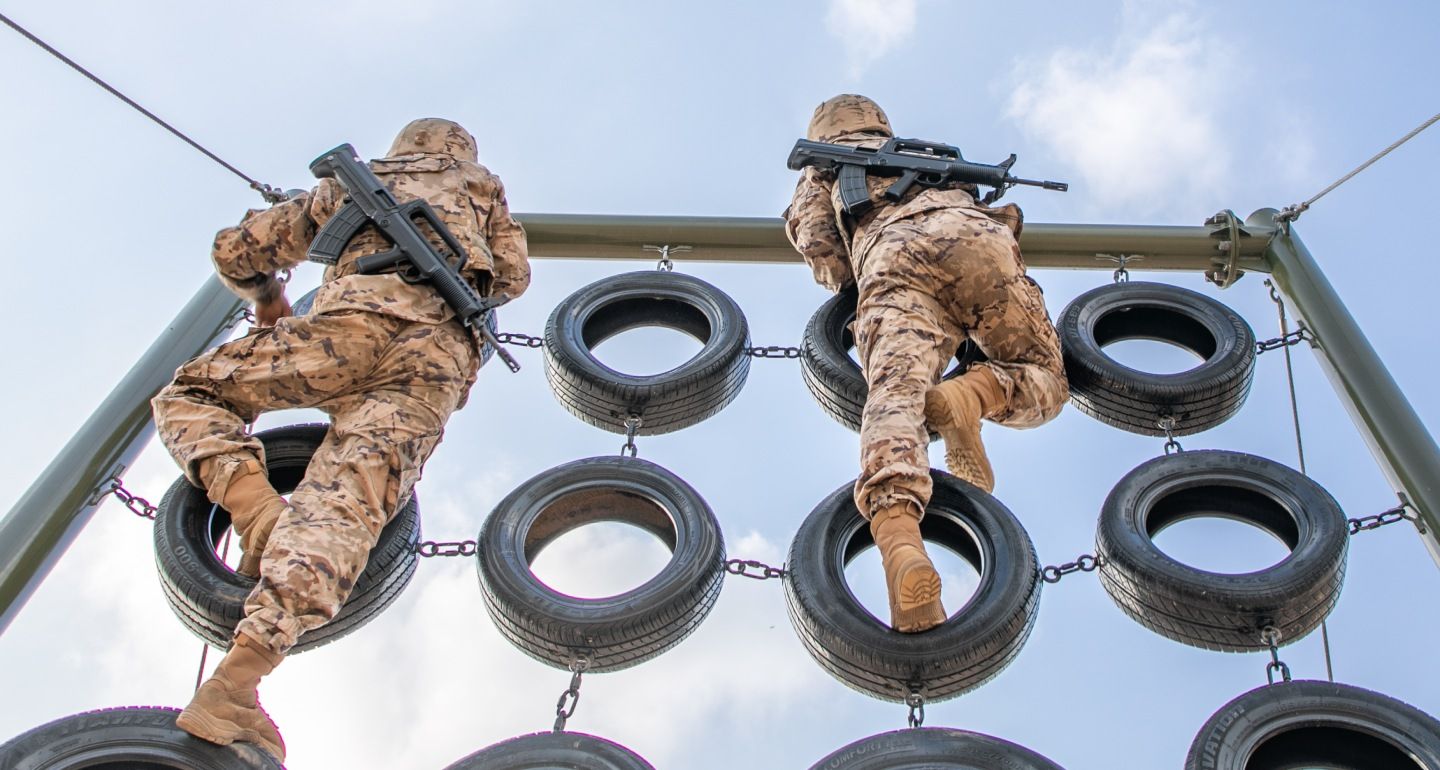
China has found a unique niche for itself within the global security ecosystem, eschewing military alliances to instead bolster countries’ internal stability using law enforcement. Authoritarian regimes from the Central African Republic to Uzbekistan are signing up.
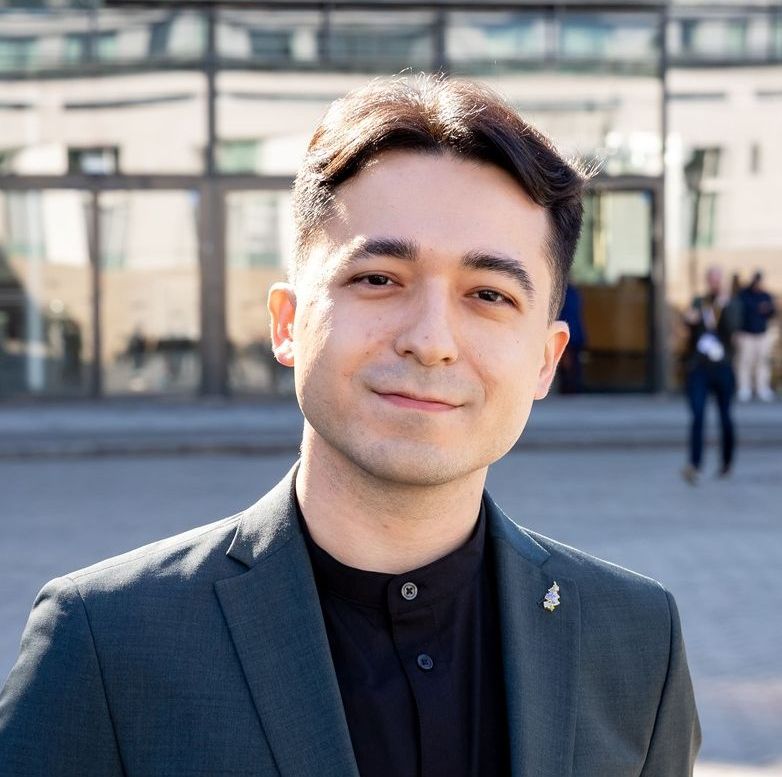
Temur Umarov
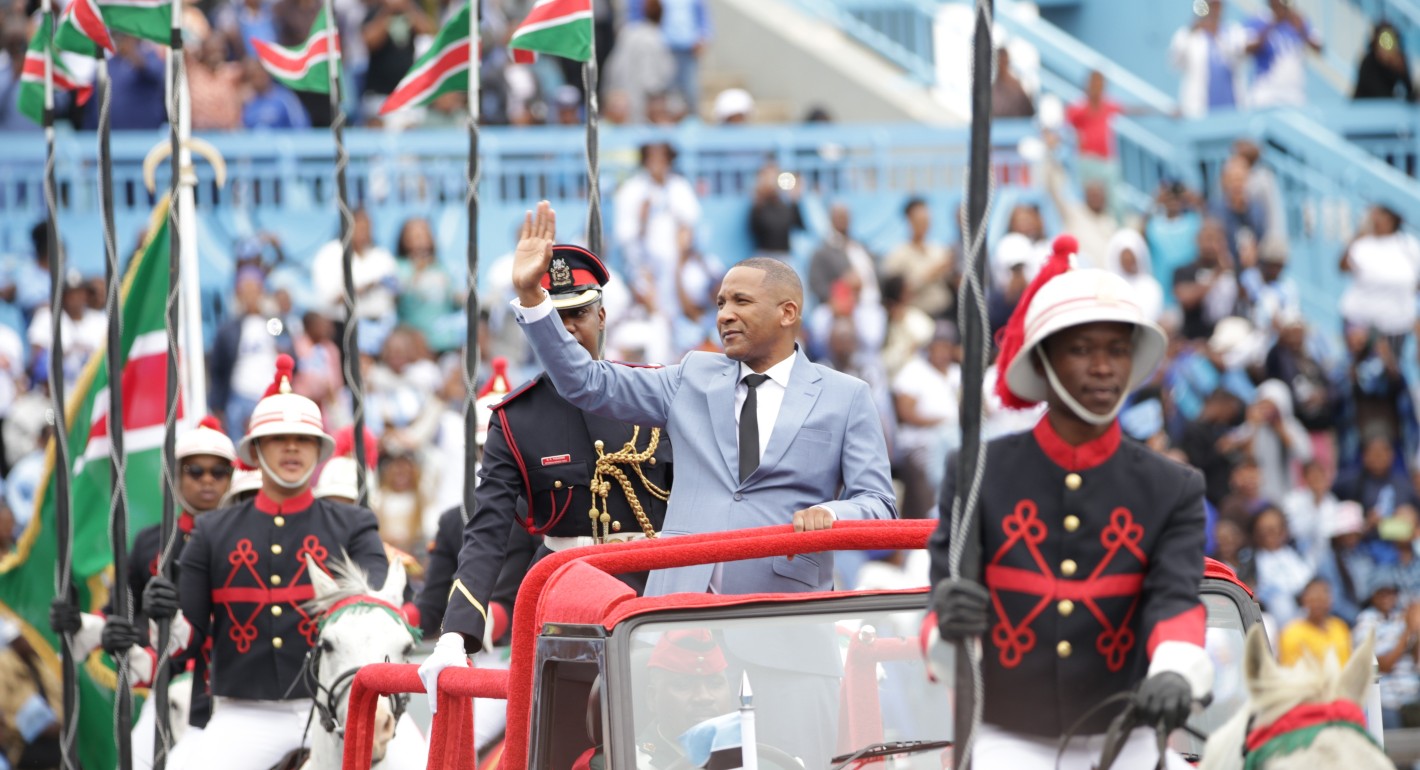
Supporters of democracy within and outside the continent should track these four patterns in the coming year.


Saskia Brechenmacher, Frances Z. Brown
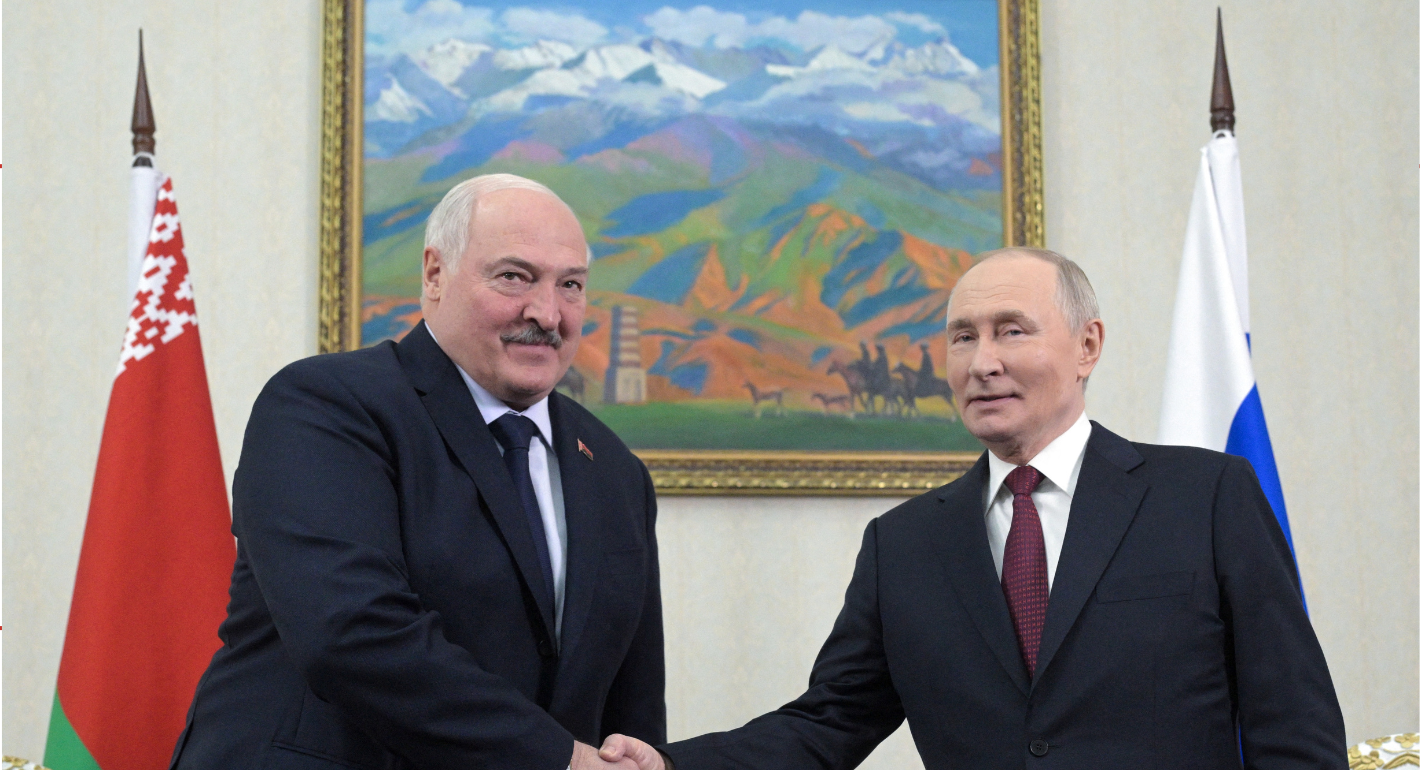
In return for a trade deal and the release of political prisoners, the United States has lifted sanctions on Belarus, breaking the previous Western policy consensus. Should Europeans follow suit, using their leverage to extract concessions from Lukashenko, or continue to isolate a key Kremlin ally?

Thomas de Waal, ed.