

Podcast Episode
A new book goes inside the AI industry and calls for a mass movement to restrain it.
Jon Bateman, Garrison Lovely
Sophia Besch sits down with Milo McBride to discuss the politics of clean energy technologies and the global struggle for clean energy dominance.
Over the past decade, China has emerged as a powerhouse here, producing the majority of key clean energy technologies. What does this mean for the United States, and for the race towards net zero emissions? In this episode, Sophia Besch and Fellow Milo McBride talk about the strategies the U.S. could deploy to better compete in the clean energy revolution. They unpack how innovative technologies could not only help close the clean energy gap with China but also redefine America’s role in the global energy landscape. They also explore how the incoming Trump administration might approach the U.S.-China race for clean energy dominance—and what all of this means for American allies abroad.
Notes:
Carnegie does not take institutional positions on public policy issues; the views represented herein are those of the author(s) and do not necessarily reflect the views of Carnegie, its staff, or its trustees.

A new book goes inside the AI industry and calls for a mass movement to restrain it.


Jon Bateman, Garrison Lovely

An ex-head of the Secret Service in his first-ever podcast on growing threats to U.S. leaders.

Jon Bateman, Ronald L. Rowe, Jr.
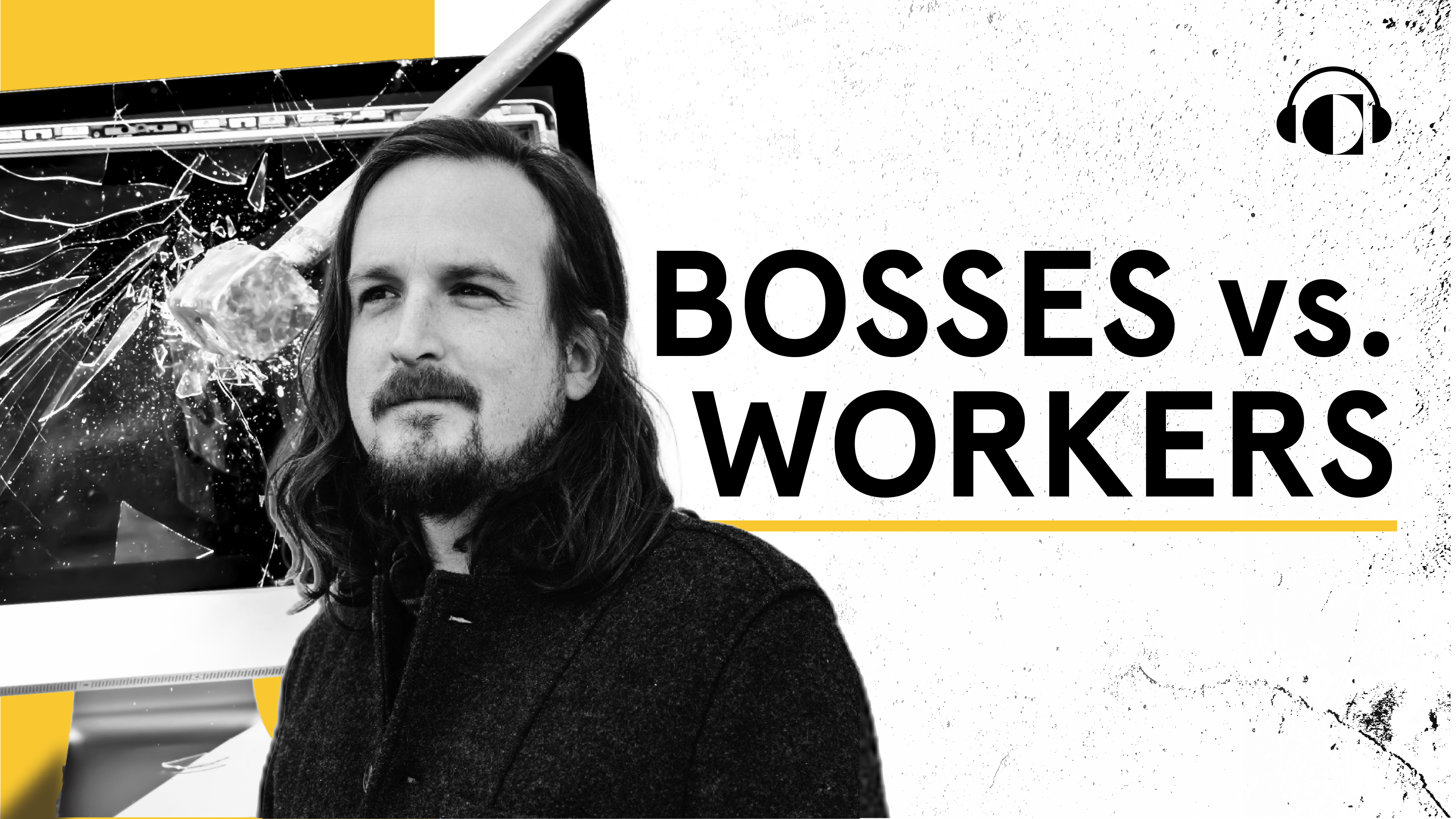
Brian Merchant on the Industrial Revolution’s failures, how AI undercuts workers, and the social order of technology.

Jon Bateman, Brian Merchant

The missing context that shows how AI isn’t the resource hog everyone thinks it is – with Andy Masley.

Jon Bateman, Andy Masley

Sophia Besch games out NATO’s future, Baltic scenarios, German rearmament, and Europe’s next way of war.

Jon Bateman, Sophia Besch