

Commentary
For every ruble allocated to social policy, health, and education in 2027, double that amount is earmarked for the army, the police, and the security services.
Alexandra Prokopenko
{
  "authors": [
    "Thomas Graham, Jr."
  ],
  "type": "legacyinthemedia",
  "centerAffiliationAll": "dc",
  "centers": [
    "Carnegie Endowment for International Peace"
  ],
  "collections": [],
  "englishNewsletterAll": "ctw",
  "nonEnglishNewsletterAll": "",
  "primaryCenter": "Carnegie Endowment for International Peace",
  "programAffiliation": "russia",
  "programs": [
    "Russia and Eurasia"
  ],
  "projects": [],
  "regions": [
    "Caucasus",
    "Russia"
  ],
  "topics": [
    "Foreign Policy"
  ]
}
REQUIRED IMAGE
Although President Bill Clinton himself warned earlier this week that Russia would pay "a heavy price" for its conduct in Chechnya Mr. Clinton has been unwilling to put the teeth in that rhetoric. Why? The United States, senior administration officials claim, has few levers to push. This stance is wrong.
Source: New York Times
Russia issued an ultimatum on Monday to the citizens of Chechnya's capital -- leave before Saturday or die. True, after stern words from the United States and the rest of the world, Russia backed off one day later. But yesterday President Boris Yeltsin was rattling his saber again, this time issuing an ominous reminder to President Clinton that Russia "has a full arsenal of nuclear weapons." Such bluster deserves a quick and firm response. But the Clinton administration, in typical fashion, is waffling. Although the president himself warned earlier this week that Russia would pay "a heavy price"for its conduct in Chechnya -- the warning that apparently ignited Mr.Yeltsin's outburst -- Mr. Clinton has been unwilling to put the teeth in that rhetoric.
Why? The United States, senior administration officials claim, has few levers to push. And they say that if we use the levers we have, like suspending financial aid to Russia, we will undermine our larger national interest in helping Russia build a democratic, free-market society and safeguarding its nuclear materials.
This stance is wrong. The war in Chechnya is itself a grave threat to democracy in Russia. It is fueling ethnic hatred among Russians, and siphoning financial support to an unreformed military and military-industrial complex. It provides cover for the successors to the K.G.B. who are emboldened to harass Russian citizens. Most important, by soaking up Russia's scarce resources, the war weakens the response to the nation's socioeconomic crisis, which is a much graver threat to long-term security than anything that has happened in or around Chechnya in the past few years.
If the United States backs up its oratory with action, will the Russians listen? There are several reasons to think they will. The most important is that Russians respect strength. Prime Minister Vladimir Putin has become phenomenally popular largely because he has demonstrated toughness with the Chechen rebels. Likewise, we need to demonstrate resolve in defending our values and principles if we ever hope to persuade Moscow to negotiate with Chechnya. Also, for all their anti-Western talk, Russians fear isolation from the West. Most members of the elite have their savings and investments in Western institutions. Capital flight remains unabated. Russian elites need to understand that by continuing the war in Chechnya they are isolating themselves from the West and jeopardizing their investments. Moreover, support for the war is not as great as many in the West have been led to believe. One-third of Russians are opposed to Russia's involvement, according to recent public opinion polls. Some critics are looking to the West for support. I spoke to a number of these people, including leading businessmen, when I was in Moscow last month. They wanted the United States to take a tough, principled stand on Chechnya. The pressure, they thought, would have impact over time and encourage more Russians to speak out. In addition, the majority that supports the war is beginning to waver. A recent poll by the Russian Center for Public Opinion suggests that close to half of all Russians would support negotiations with the Chechen leadership.
The polls also show that getting tough with Russia would not, as the Clinton administration fears, help the Communist and ultranationalist parties in the parliamentary elections nine days from now. Virtually every major political party in Russia already supports the war, even the reformist Union of Right-Wing Forces. The only parties to register a rise in the polls as a result of the war are the reformers and the pro-government bloc of regional governors. Support for the Communists has not budged over the past few weeks; ultranationalists are faring poorly. Nothing the United States says or does is likely to change the situation.
How do we get tough with Moscow? Suspend all loans from the International Monetary Fund and the Export-Import Bank, and explicitly link the suspension to the war in Chechnya. In no way should these loans even indirectly finance the military operation. Along with our allies, review all technical assistance to Russia. Suspend any aid provided directly to the Russian government except those programs dealing with nuclear weapons and material. Continue the assistance that directly benefits regional governments, private business and individuals, thereby encouraging democratic and market reforms. Warn that continuing the Chechen war will jeopardize Russia's invitation to the meetings of the seven most industrialized countries. Step up our support for Georgia, the Caucasus nation that has come under increasing pressure from Moscow for its alleged support of Chechen rebels.
Granted, none of these actions will persuade Moscow to move immediately toward a political solution in Chechnya. But over time, the pressure, along with inevitable battle fatigue among Russians, will nudge Moscow toward a negotiated settlement. Resolving this dispute peacefully is the best thing the Clinton administration can do, if, of course, it still believes democracy has a chance in Russia.
Former Senior Associate
Carnegie does not take institutional positions on public policy issues; the views represented herein are those of the author(s) and do not necessarily reflect the views of Carnegie, its staff, or its trustees.

For every ruble allocated to social policy, health, and education in 2027, double that amount is earmarked for the army, the police, and the security services.

Alexandra Prokopenko

The acknowledgment has sparked fears of a new arms race with China and Russia.

Chris O’Meara
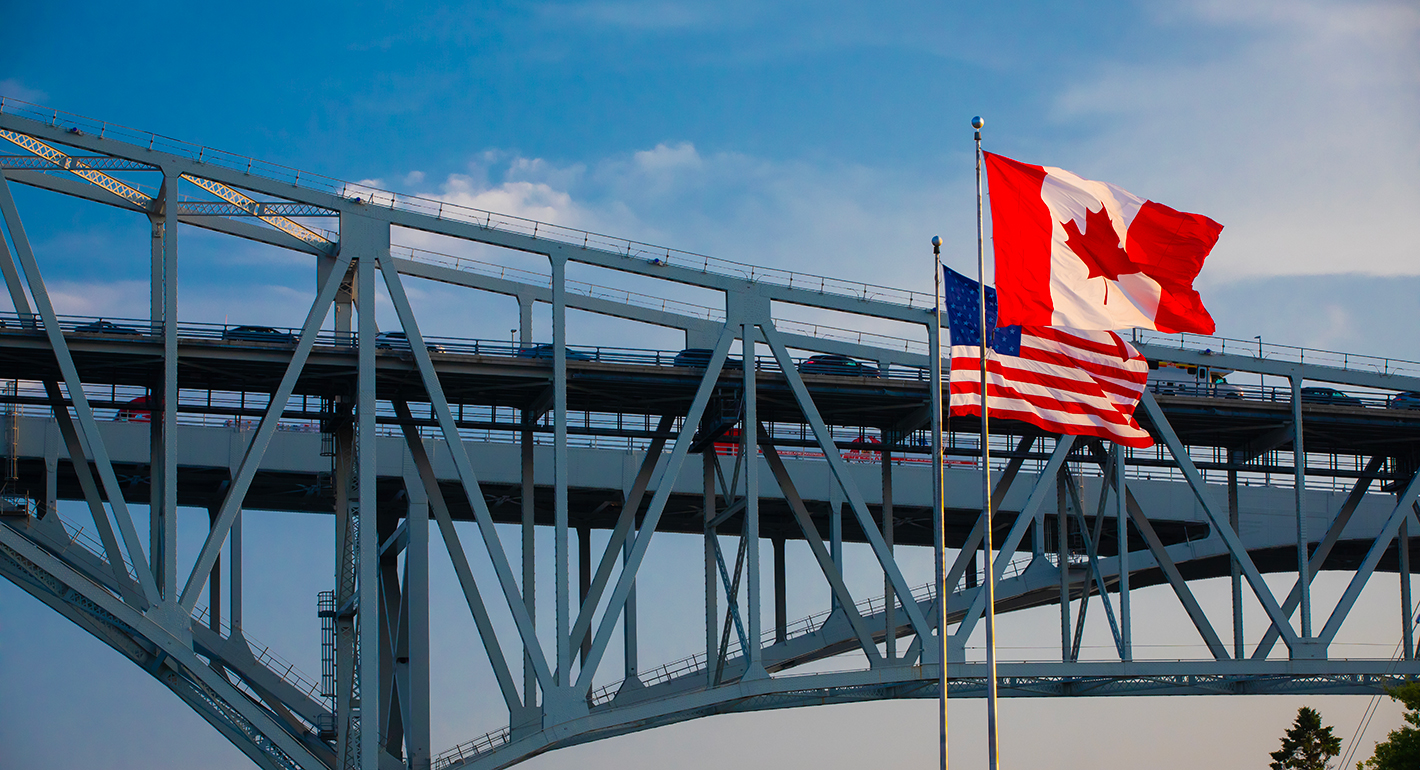
Smaller powers cannot go it alone, but Canadian history shows that integration with the United States will not always be benign.
Paul Samson

The European Commissioner for Trade is headed to China. But after President Xi’s bridge-building visit to Washington, can a more isolated EU overcome Beijing’s stranglehold on critical raw materials? Who will blink first?

Rym Momtaz, ed.
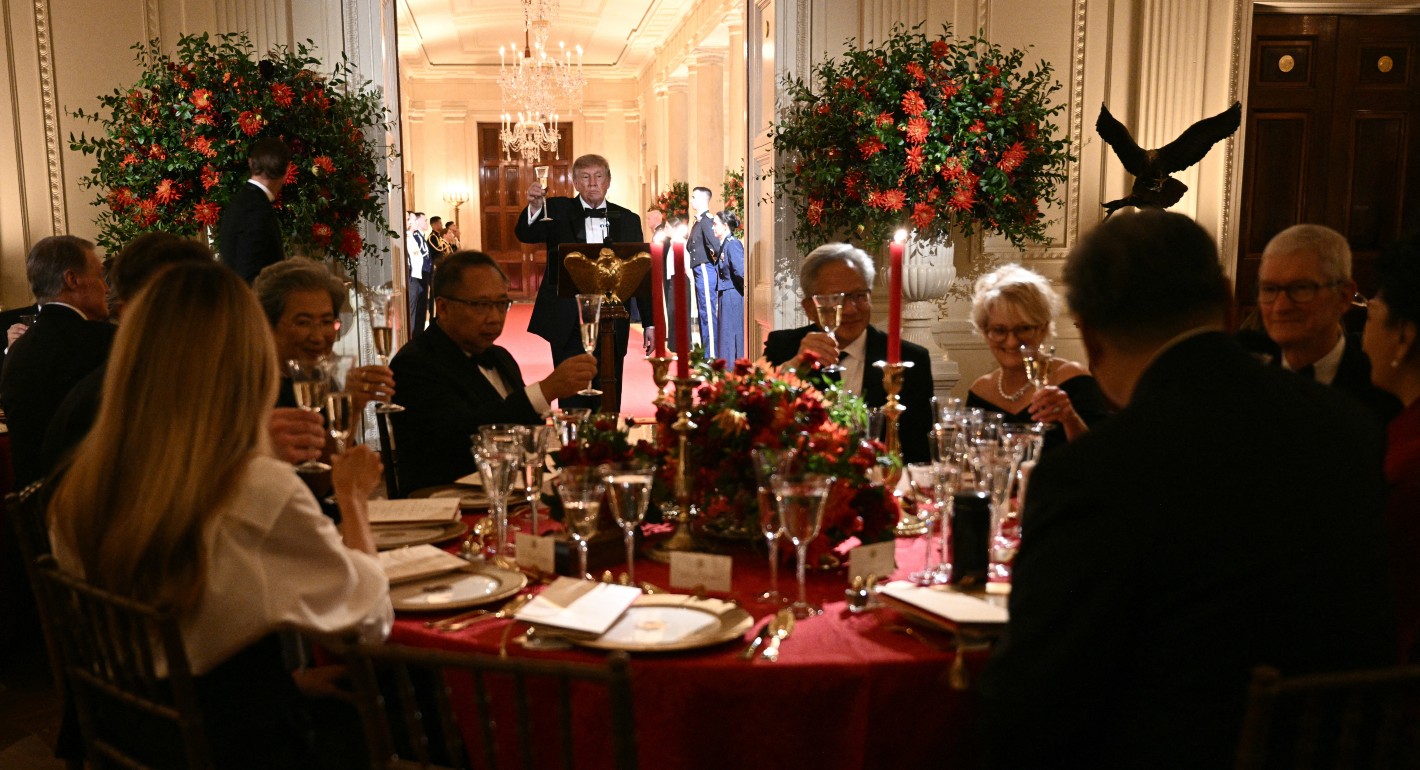
The summit may be remembered as a fatal blunder, when Washington, Beijing, and the AI industry collectively chose ceremony over action.
Jeffrey Prescott