• Research
  • Emissary
  • About
  • Experts
Carnegie Global logoCarnegie lettermark logo
DemocracyIran
  • Donate
{
  "authors": [
    "Anatol Lieven"
  ],
  "type": "legacyinthemedia",
  "centerAffiliationAll": "dc",
  "centers": [
    "Carnegie Endowment for International Peace"
  ],
  "collections": [],
  "englishNewsletterAll": "ctw",
  "nonEnglishNewsletterAll": "",
  "primaryCenter": "Carnegie Endowment for International Peace",
  "programAffiliation": "russia",
  "programs": [
    "Russia and Eurasia"
  ],
  "projects": [],
  "regions": [
    "Caucasus",
    "Russia"
  ],
  "topics": [
    "Foreign Policy"
  ]
}
REQUIRED IMAGE

REQUIRED IMAGE

In The Media

Poltergeist Economics

Link Copied
By Anatol Lieven
Published on Jun 1, 2001
Program mobile hero image

Program

Russia and Eurasia

The Russia and Eurasia Program continues Carnegie’s long tradition of independent research on major political, societal, and security trends in and U.S. policy toward a region that has been upended by Russia’s war against Ukraine.  Leaders regularly turn to our work for clear-eyed, relevant analyses on the region to inform their policy decisions.

Learn More

Source: Carnegie

About the Author

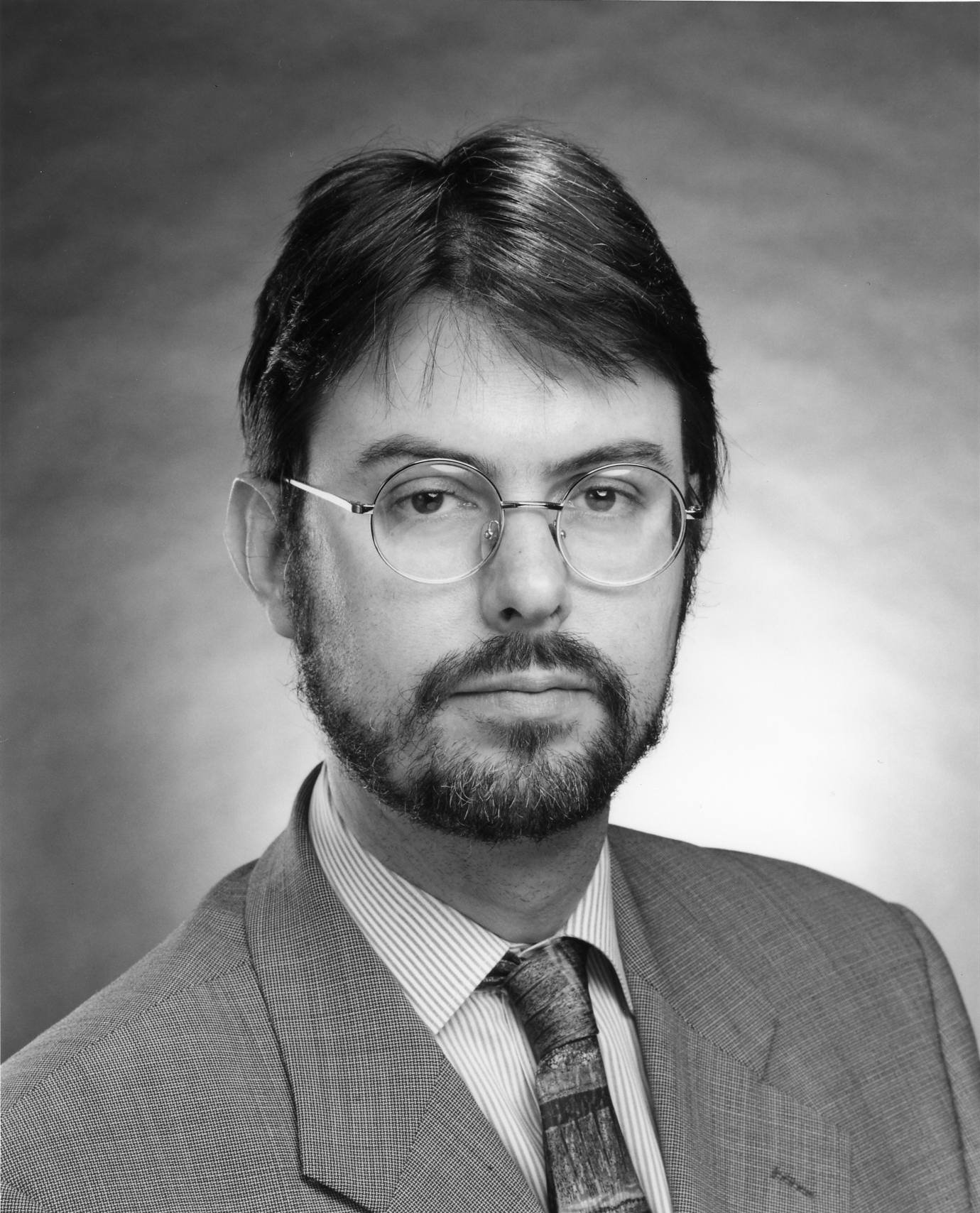
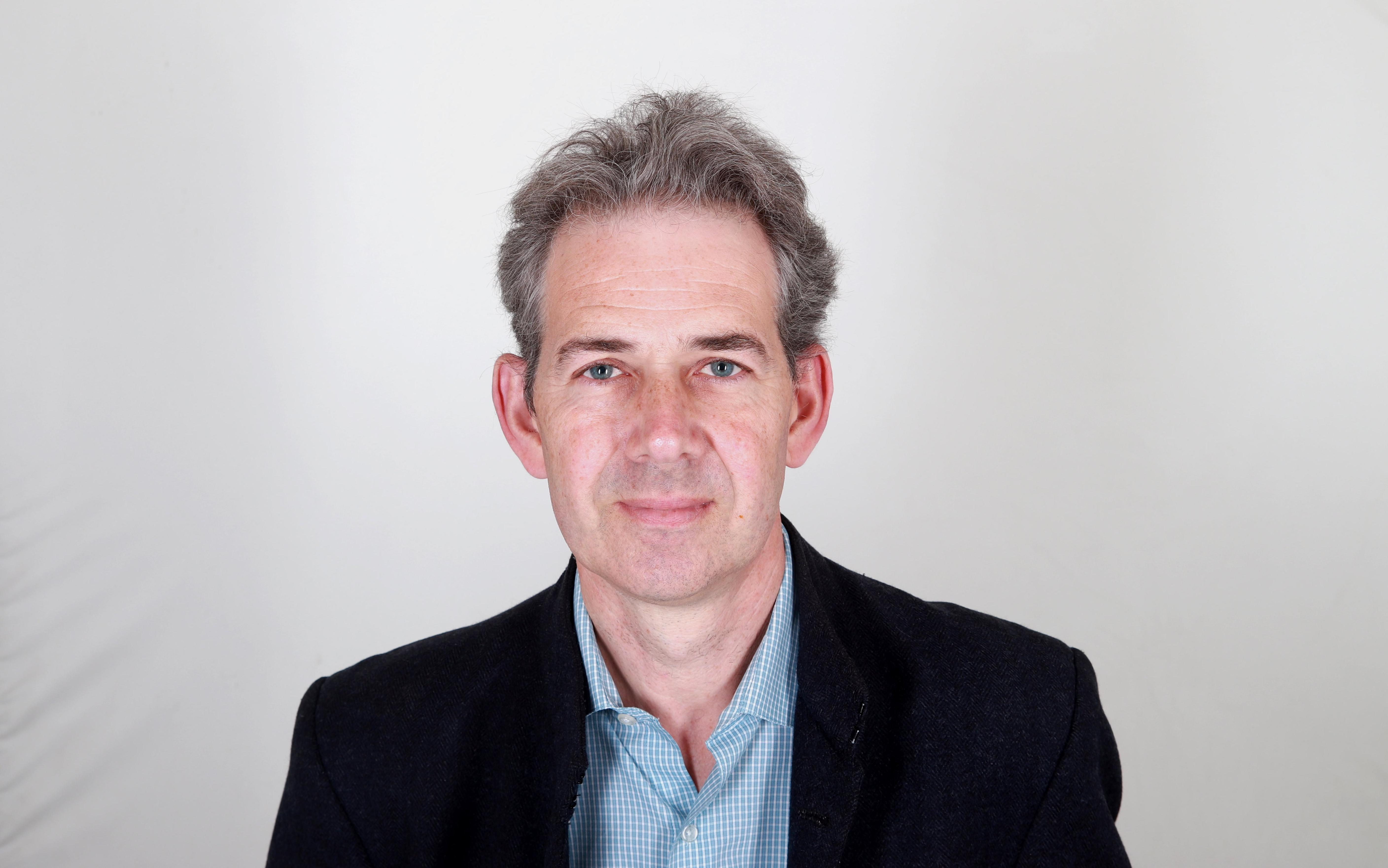
Anatol Lieven

Former Senior Associate

    Recent Work

  • Other
    A Spreading Danger: Time for a New Policy Toward Chechnya

      Fiona Hill, Anatol Lieven, Thomas de Waal

  • Other
    The Hinge to Europe: Don't Make Britain Choose Between the U.S. and the E.U.

      Anatol Lieven

Anatol Lieven
Former Senior Associate
Anatol Lieven
Foreign PolicyCaucasusRussia

Carnegie does not take institutional positions on public policy issues; the views represented herein are those of the author(s) and do not necessarily reflect the views of Carnegie, its staff, or its trustees.
More Work from Carnegie Endowment for International Peace

  • Commentary
    Strategic Europe
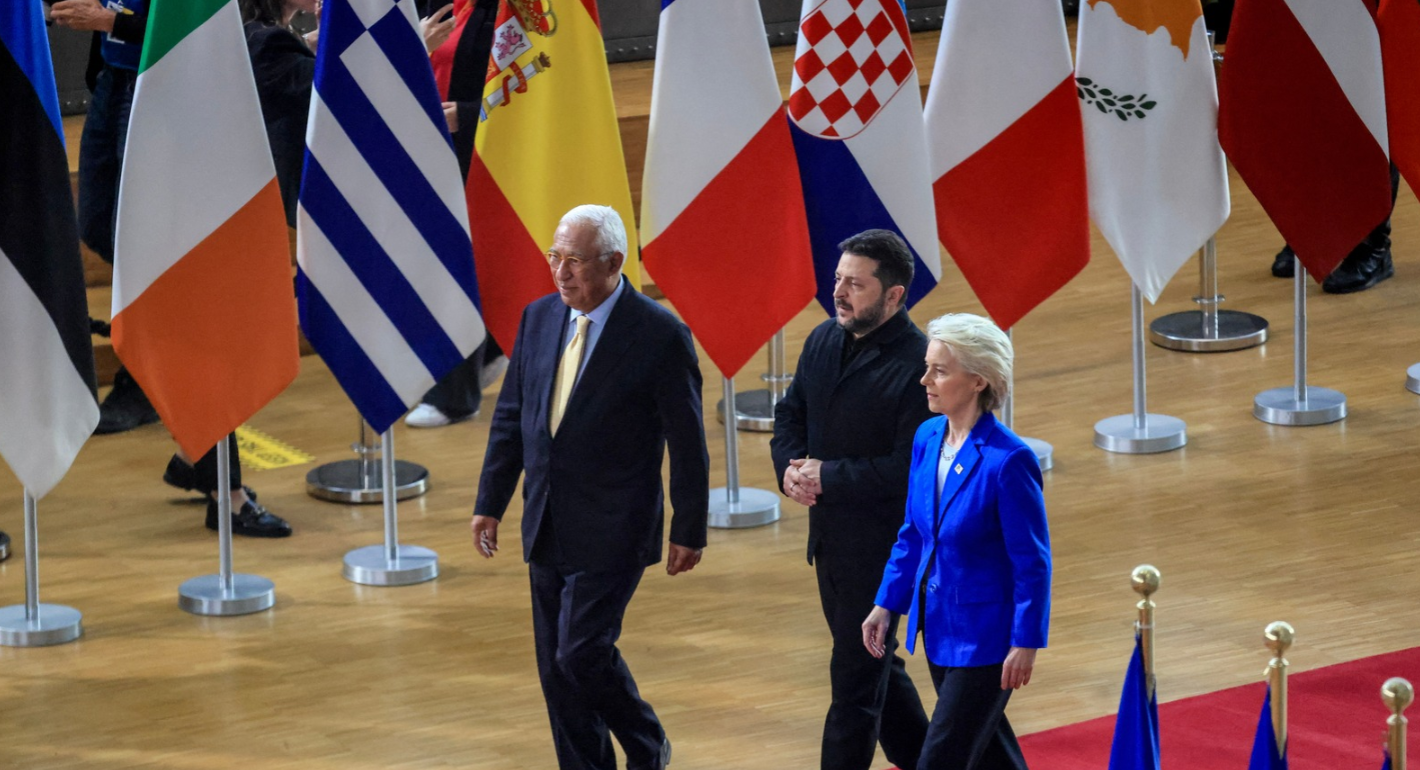
    Europe Needs its own Sanctions-Enforcement Muscle

    The EU can impose sanctions but struggles to enforce them without the United States. With Washington increasingly disinterested in backing European interests, the bloc must now fend for itself.
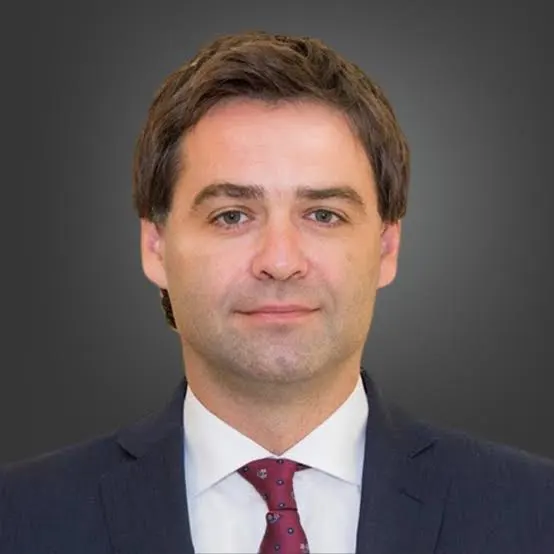
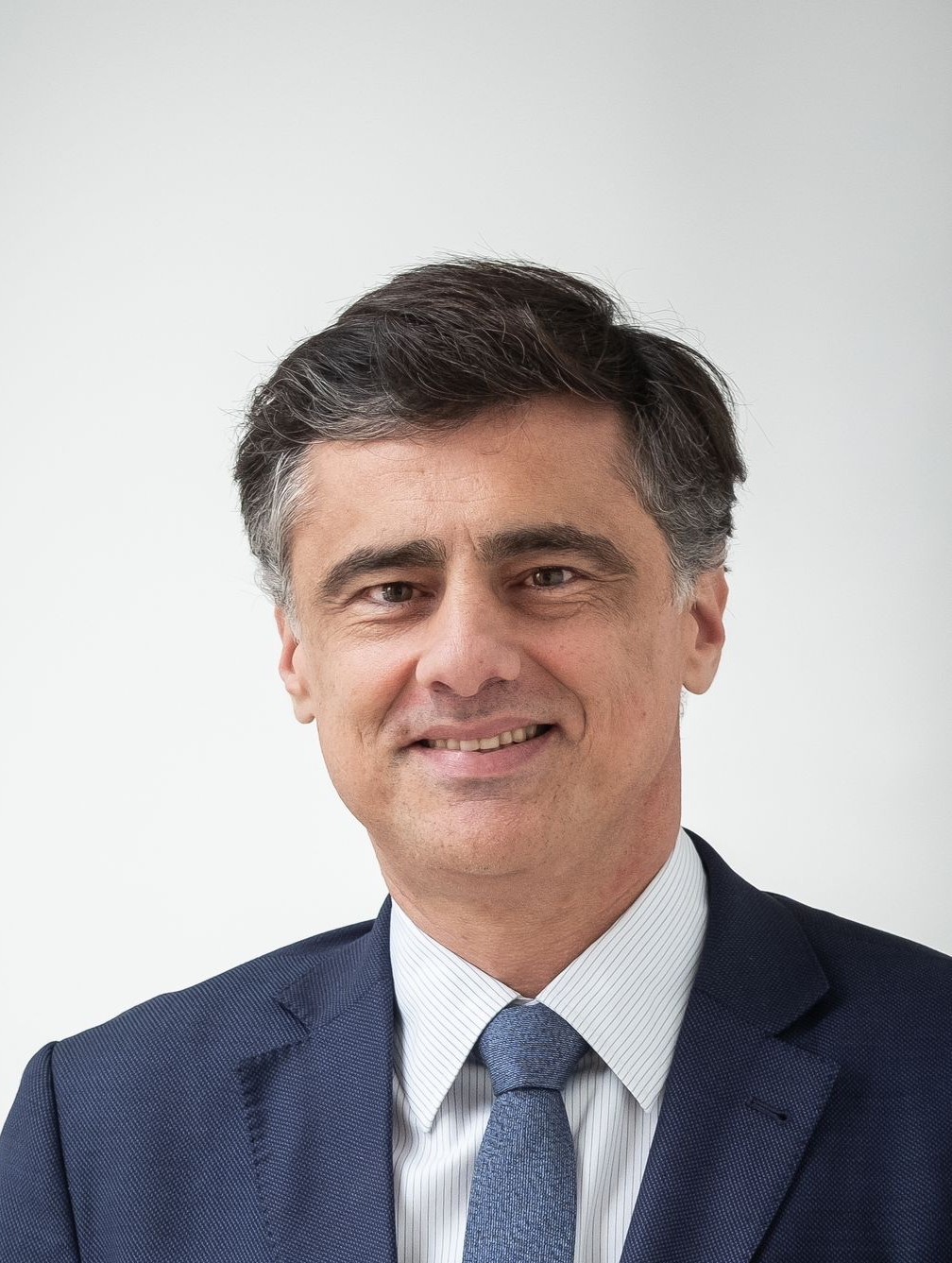
      Nicu Popescu, Tiago Antunes
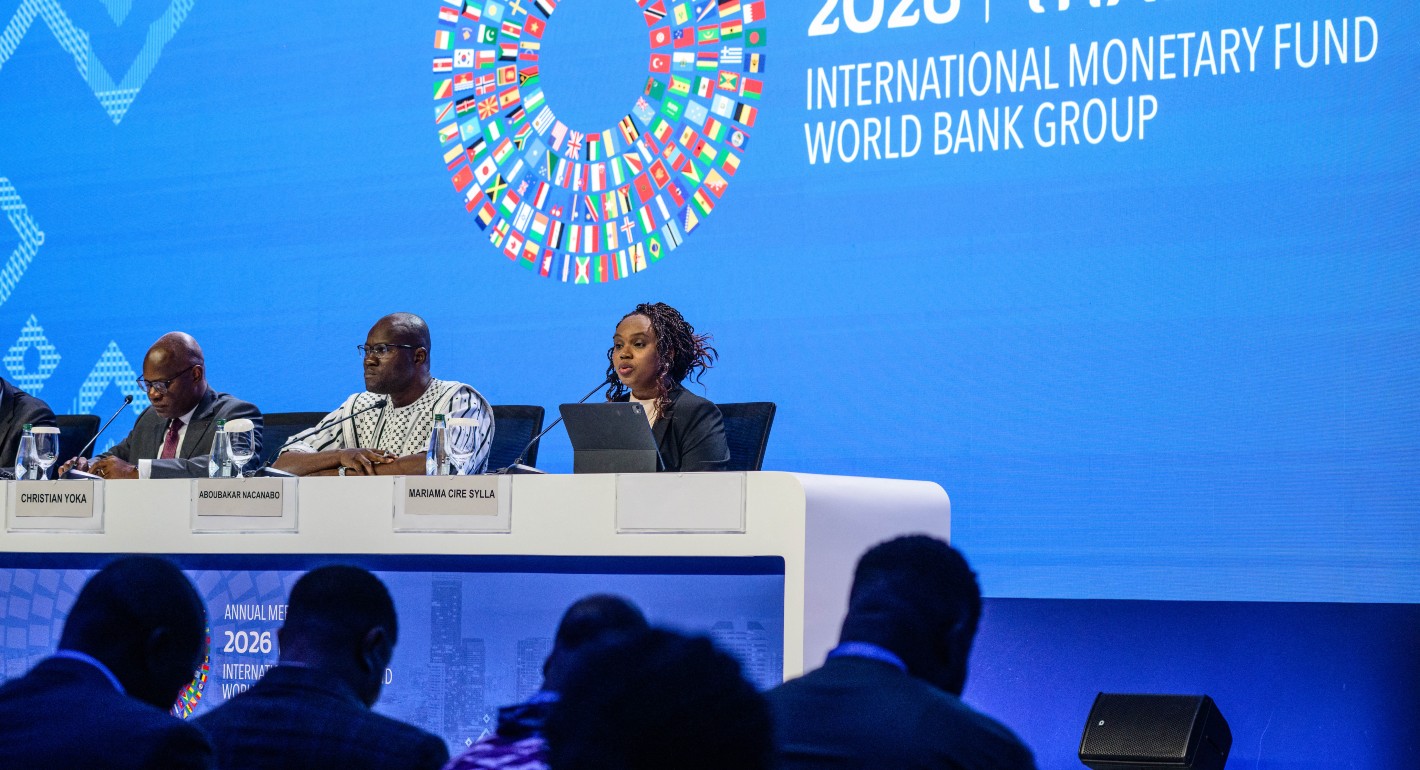
  • African finance ministers sit in front of a blue IMF-WB screen.
    Article
    Africa in Demand: How the Continent Is Advancing Its Interests in a Competitive World

    Global and rising powers will need to engage with Africa’s priorities and agency in order to secure the continent’s increasingly attractive partnerships.
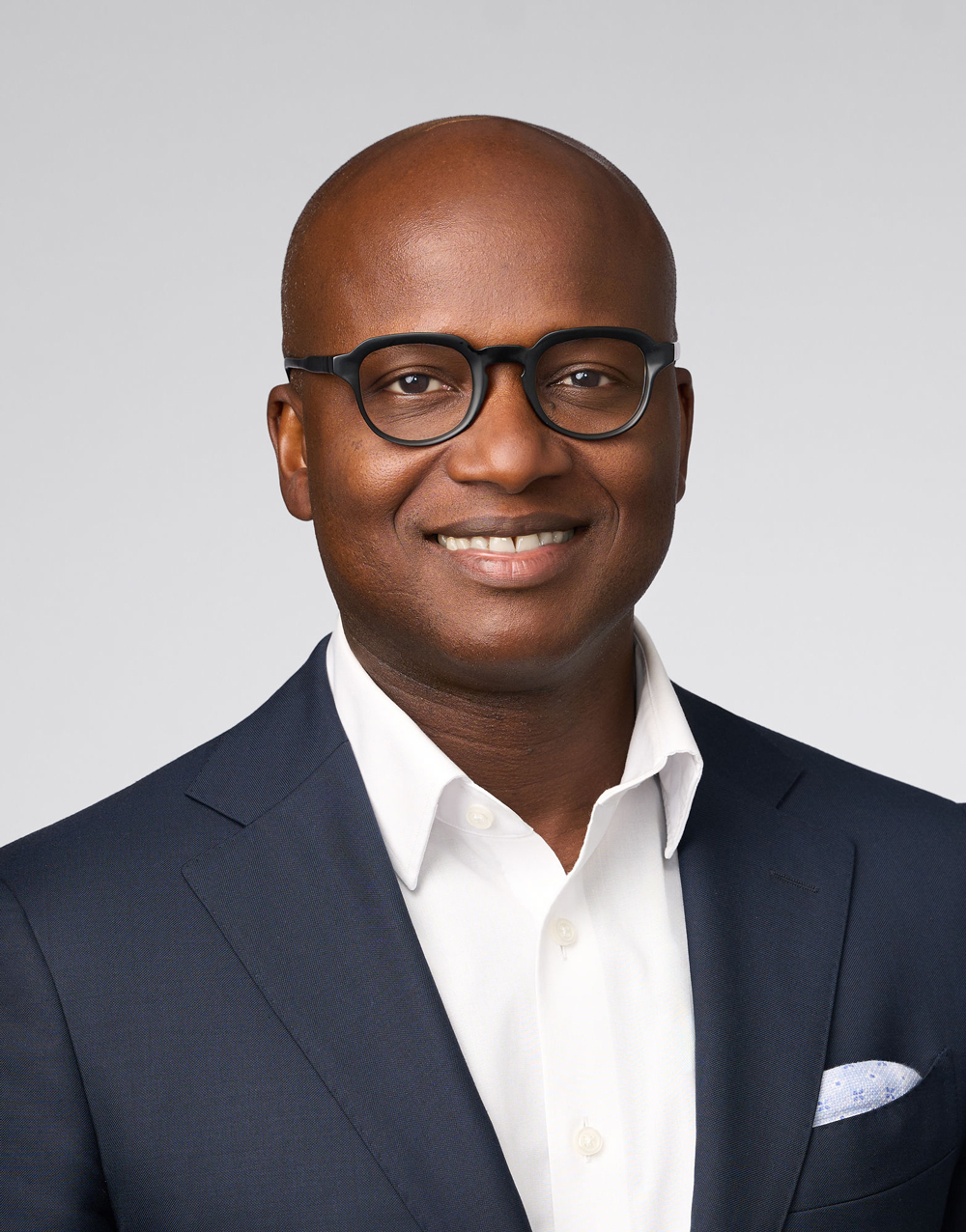
      • Fonteh Akum

      Fonteh Akum

  • Men in suits watching people dancing
    Commentary
    Emissary
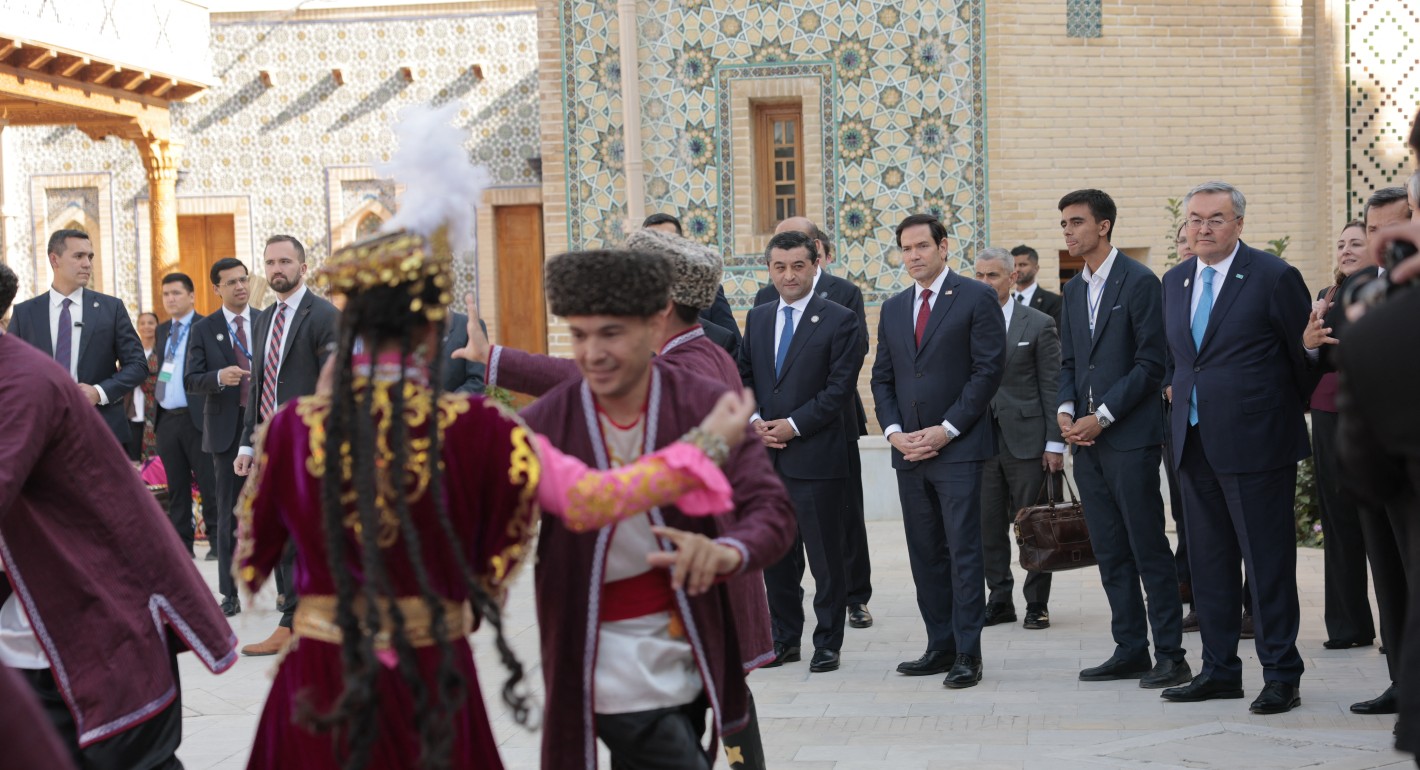
    Central Asia Wants U.S. Investments. It Is Less Sure About U.S. Conditions.

    Rubio’s recent visit brought welcome attention, but more capital requires governance changes that may be a hard sell for regional governments.

      Jennifer B. Murtazashvili

  • Military rescue helicopter during sunset stock photo
    Paper
    The End of Primacy Without Pain: Why the Domestic Foundation of American Power Is Crumbling

    America’s foreign-policy objectives have grown more demanding while Americans have demanded greater focus on their own affairs.
      Stephen Wertheim
  • Commentary
    Carnegie Politika
    Why Has Tokyo’s Response to Kremlin Challenges Been So Muted?

    Japan’s long-term security policy is driven by concerns about China, and there is little appetite for (or interest in) pursuing a confrontation with Moscow.  

      James D.J. Brown

Get more news and analysis from
Carnegie Endowment for International Peace
Carnegie global logo, stacked
1779 Massachusetts Avenue NWWashington, DC, 20036-2103Phone: 202 483 7600
  • Research
  • Emissary
  • About
  • Experts
  • Donate
  • Programs
  • Events
  • Blogs
  • Podcasts
  • Contact
  • Annual Reports
  • Careers
  • Privacy
  • For Media
  • Government Resources
Get more news and analysis from
Carnegie Endowment for International Peace
© 2026 Carnegie Endowment for International Peace. All rights reserved.