

Research
- +10
Rosa Balfour, Frances Z. Brown, Yasmine Farouk, …
{
  "authors": [
    "Moisés Naím"
  ],
  "type": "legacyinthemedia",
  "centerAffiliationAll": "",
  "centers": [
    "Carnegie Endowment for International Peace"
  ],
  "collections": [],
  "englishNewsletterAll": "",
  "nonEnglishNewsletterAll": "",
  "primaryCenter": "Carnegie Endowment for International Peace",
  "programAffiliation": "",
  "programs": [],
  "projects": [],
  "regions": [
    "North America",
    "South America"
  ],
  "topics": [
    "Economy",
    "Trade"
  ]
}
REQUIRED IMAGE
Source: Carnegie
Bush's Responsibility to Brazil
By Moisés Naím
Originally published in the Financial Times, on September 2, 2002
As soon as the results of Brazil's presidential election next month become known, George W. Bush should invite the winner to his ranch in Texas and propose a bilateral economic treaty that Brazil's new leader cannot refuse.
Such a deal would, of course, be a huge political gamble for a US president facing plenty of difficulties elsewhere. But the benefits for the two countries and the rest of the region would be considerable. Such an offer would also help to redress the US's neglect of the region as trends in South America pose a considerable threat to the US.
The US president should offer Brazil's next president freer access to the US market for Brazilian shoes, sugar, textiles, steel, soya beans, citrus fruits, ethanol and other products that currently face import barriers. Such a deal could boost annual Brazilian exports by up to $5bn.
Mr Bush should also commit his administration to supporting Brazil's macroeconomic stability through the International Monetary Fund and other international and US financial institutions. He should work to dissipate market fears of a catastrophic, Argentina-like debt default. The $30bn rescue package extended to Brazil by the IMF already provides the foundation for an offer along these lines.
Mr Bush should propose a new bilateral investment treaty designed to spur US corporations to look at Brazil with renewed interest. Expectations of growth, stability and clear rules could easily induce a foreign investment boom to Brazil. Furthermore, the US president should back an anti-poverty programme designed by Brazilians and implemented through the World Bank, the InterAmerican Development Bank and the US Agency for International Development. It would be hard for an incoming Brazilian president, even one of the two left-leaning candidates leading the polls, to refuse such a deal.
In exchange, Mr Bush should demand that Brazil open market sectors that restrict foreign imports or investors and commit to fiscal and monetary goals designed to ensure economic stability. Moreover, the region's two leading nations should agree that any other nation in the region can join this pact if it liberalises its trade, adopts the targets and policies of a hemispheric economic stability pact and enforces the provisions of the democratic charter of the Organisation of American States. Few countries in the region could afford to be excluded.
Why should Mr Bush incite the wrath of US corporations and labour unions currently protected from competition from Brazil? Because by now he should have learnt how costly and dangerous US disengagement from troubled regions can be. The US decisions to ignore Afghanistan's deterioration in the 1990s and pull out of the Middle East at the outset of the Bush administration helped make difficult situations desperate, leading their malignancies to spill over internationally and even to reach US shores. Unless a bold initiative creates credible hopes for Latin American voters, politicians and investors, the southern hemisphere's decay is bound to accel- erate, deepen and threaten the US in myriad ways.
In most South American countries, desperate social conditions fuel nasty politics that prevent elected leaders from sustaining policies long enough to ease the poverty that is now also wiping out an ever-thinner middle class. This foul political mood also prevents elected presidents from completing their terms in office and encourages the worst kinds of political adventurism.
Recurring external shocks amplify the dire effects of homegrown governmental malpractice. From global financial crises that cause capital droughts to sharp swings in export prices, external events regularly force weak Latin American governments to subject their frail economies to painful remedies. Fiscal austerity programmes that strip money from critical government functions - schools, police, hospitals, courts - are constant. So are banking crises that pulverise the public's meagre savings and pensions, spikes in interest rates that crush the private sector and layoffs that leave the families of the jobless without any reliable social safety net.
High expectations breed deep frustrations, and in the 1990s Latin American nations had high hopes for the political and economic reforms they were undertaking. Market reforms, it was believed, would lead to prosperity, democracy to civility, and imminent and deep economic integration with the US to modernity. Today, these promises look like just another swindle perpetrated by foreigners, acting in cahoots with corrupt accomplices in the local elites.
Privatisation was a scam, trade liberalisation a ploy to import expensive gadgets for the rich and fiscal austerity a trick to take money from the poor to pay foreign banks for loans that never reached the country. Moreover, democracy just fueled corruption, and the US was a callous, unreliable partner that cared only about Latin American debts, drugs and illegal immigrants.
This caricature of the Latin American experience of the 1990s informs national debates everywhere. Joseph Stiglitz is the most quoted economist among populist politicians in Latin America not because they know his Nobel Prize-winning work but because his rants against the Washington consensus, the IMF, US Treasury and globalisation provide perfect fodder for their speeches and platforms.
A deal between the US and Brazil would certainly not solve all the problems that beset Latin America or even Brazil. The difficulties of such a treaty, from the political to the technical, are as numerous as the powerful interests that would mobilise against it - from the sugar monopolies in Jeb Bush's Florida to the Mexican conglomerates threatened by new Latin interlopers in their North America Free Trade Area.
But an ambitious bilateral proposal that bypasses the decade-old logjam in the negotiations for a Free Trade Area of the Americas while including all other willing participants would be the first good news the region has heard in a decade. It can be done. All Mr Bush needs is political bravery and a thirst for history.
The writer is editor-in-chief of Foreign Policy Magazine. This column appears
monthly

Distinguished Fellow
Moisés Naím is a distinguished fellow at the Carnegie Endowment for International Peace, a best-selling author, and an internationally syndicated columnist.
Recent Work



Rosa Balfour, Frances Z. Brown, Yasmine Farouk, …
Moisés Naím
Carnegie does not take institutional positions on public policy issues; the views represented herein are those of the author(s) and do not necessarily reflect the views of Carnegie, its staff, or its trustees.
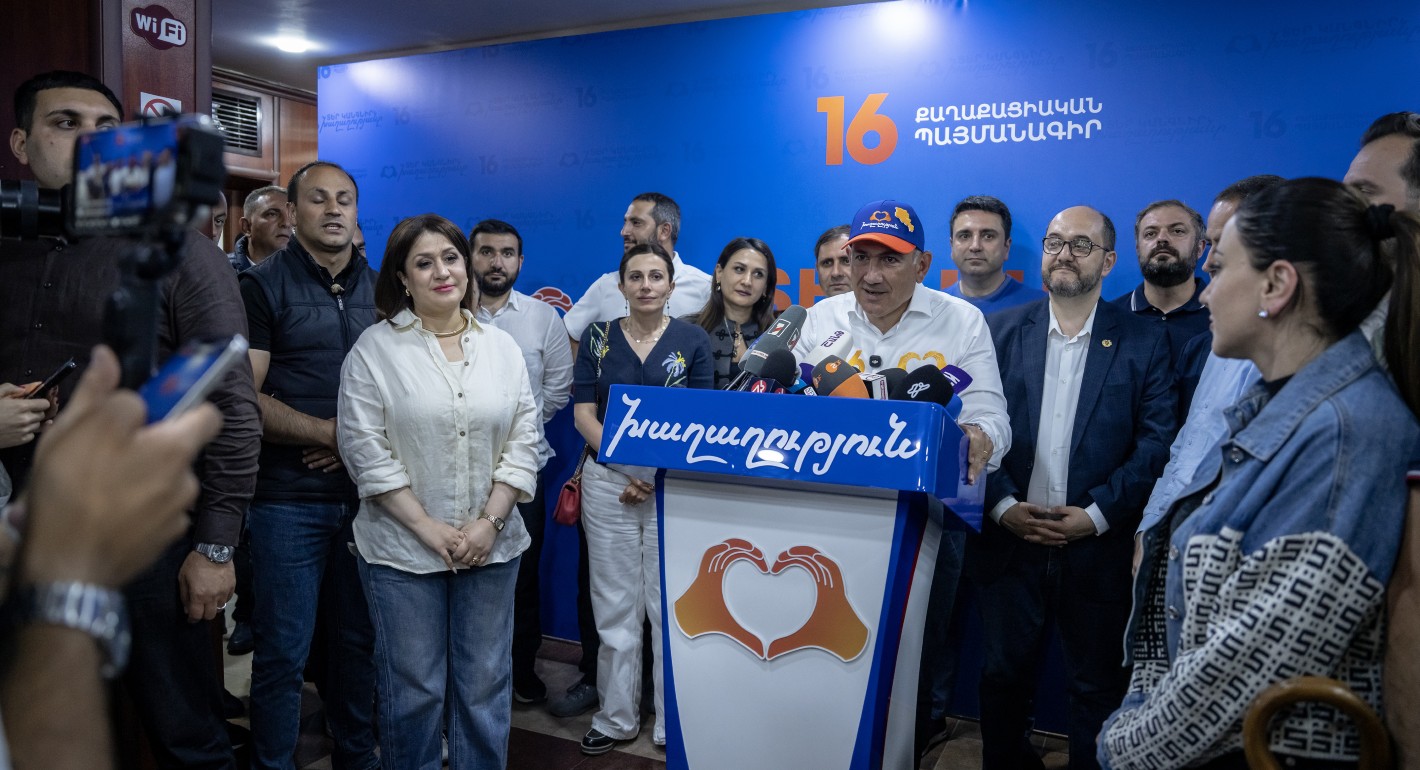
It’s time to build momentum, and Ankara is the venue of the next opportune diplomatic window to do this.

Alper Coşkun, Garo Paylan

The EU is putting together a new security strategy to meet today’s myriad challenges. But for any proposal to be effective, the union needs to grapple with its identity and ambitions.

Pierre Vimont
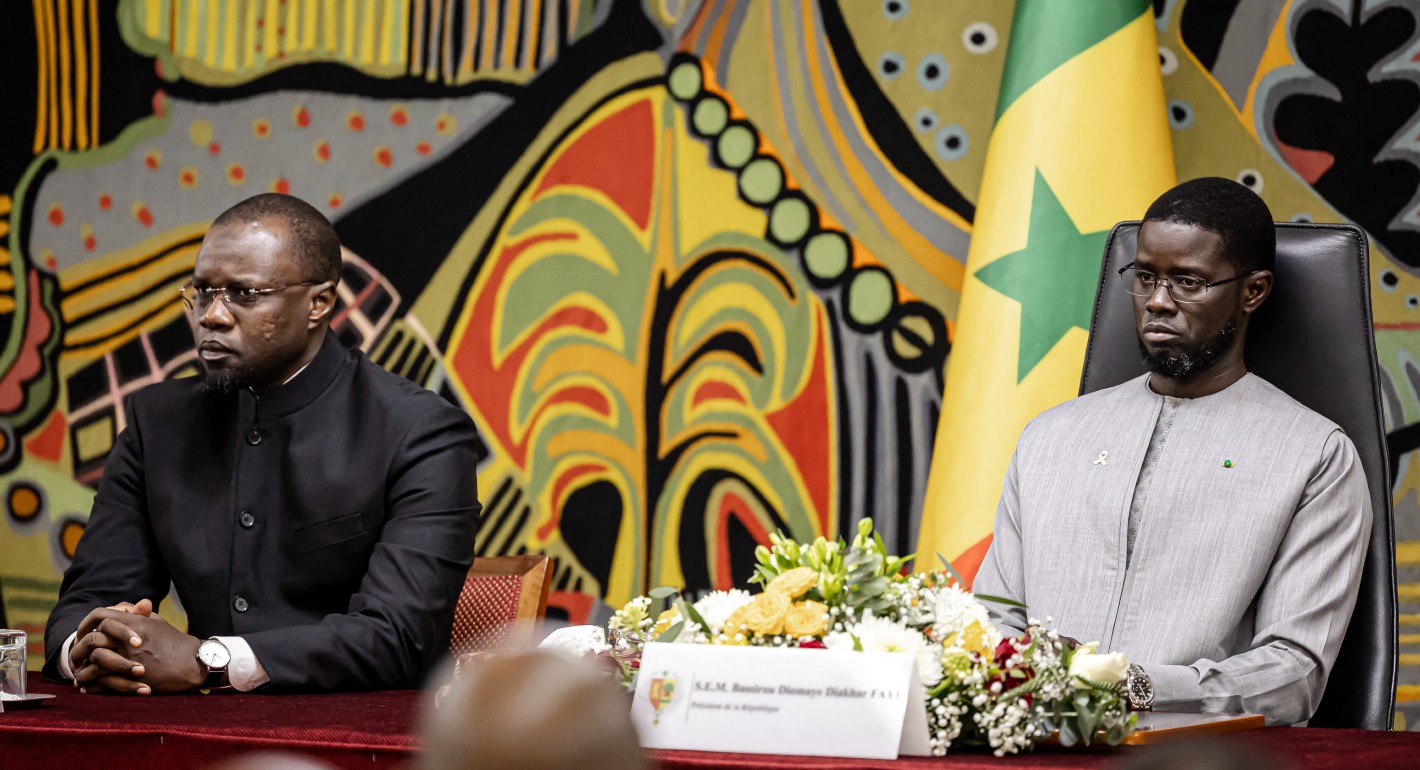
The impacts of the Faye-Sonko rupture could go well beyond the country’s borders.

Lesley Anne Warner
A much-discussed disagreement over internet restrictions in Russia was never an existential threat for Putin: It was about elite groups protecting their interests.

Alexandra Prokopenko

The demands of the Kremlin’s war in Ukraine, demographic problems, and public hostility toward Central Asians mean Russia does not have enough workers.

Salavat Abylkalikov