

Research
- +10
Rosa Balfour, Frances Z. Brown, Yasmine Farouk, …
{
  "authors": [
    "Moisés Naím"
  ],
  "type": "legacyinthemedia",
  "centerAffiliationAll": "",
  "centers": [
    "Carnegie Endowment for International Peace"
  ],
  "collections": [],
  "englishNewsletterAll": "",
  "nonEnglishNewsletterAll": "",
  "primaryCenter": "Carnegie Endowment for International Peace",
  "programAffiliation": "",
  "programs": [],
  "projects": [],
  "regions": [
    "North America",
    "South America"
  ],
  "topics": [
    "Political Reform",
    "Democracy",
    "Economy",
    "Trade",
    "Military",
    "Foreign Policy",
    "Nuclear Policy"
  ]
}
REQUIRED IMAGE
Source: Carnegie
Venezuela Gets a Hand from Nimble Castro
By Moises Naim
Originally published in the Financial Times, on January 21, 2003
Oil and beauty queens: for decades, those were the only stories from Venezuela to catch the attention of the international media. Now, with its oil industry paralysed, the economy in free fall and President Hugo Chávez stepping up his Bolivarian revolution, Venezuela's disintegration is a story the world can no longer ignore.
The greatest surprise of the crisis is how little Washington has mattered. Fidel Castro's Cuba - small, poor and isolated - has been far more influential in Caracas than George W. Bush's mighty US. Indeed, few episodes better illustrate the limits of US power than the outmanoeuvring of Uncle Sam by Fidel in a country that is one of the largest suppliers of oil to the US.
While the US government was once closely involved in any Latin American political intrigue, it now seems strangely slow to appreciate what is happening in its back yard. In only a few years President Chávez has transformed one of most reliable partners of the US in South America into one of its most adversarial neighbours. Last year, and despite common perceptions to the contrary, the US was taken by surprise when a cabal of military officers and business leaders hijacked a massive civil protest in Caracas and ousted Mr Chávez - albeit briefly.
The clumsy, anti-democratic behaviour of the plotters and the swift, effective reaction of Mr Chavez's supporters returned the president to power, leaving White House spokesmen spluttering awkwardly about their hesitation to condemn the coup unequivocally. More recently, Washington was caught unawares by the strike that is blocking exports of Venezuelan oil, just as the US prepares for war in Iraq.
Following the terrorist attacks of September 11 2001, Latin America all but disappeared from the map of top US policymakers. Without Islamic terrorists and nuclear capabilities, the region could not compete for attention. Moreover, as long as Mr Chávez, a thuggish but democratically elected president, did nothing to trigger an international reaction or threaten US interests, the options for intervention available to even a superpower were very limited. Washington's authority was further curtailed by its hesitant and ambiguous reaction to the attempted coup, a reaction denounced by Democrats in the US Congress.
In contrast, Cuba's attention to Venezuela has been sustained and effective. There is no foreign policy goal more fundamental to Cuba's economic well-being than ensuring that Mr Chávez stays in power. Venezuela's oil, sold at highly advantageous terms to Cuba, is an important reason but not the only one. An alliance with Venezuela has helped Cuba to ease the political and economic stranglehold the US has maintained since the collapse of the Soviet Union. Indeed, Venezuelan air force pilots report that the equivalent of an airlift between Caracas and Havana has been established.
The Cuban regime is extending its influence by sending thousands of government employees - among the health workers and sports trainers are intelligence officers - to Venezuela for extended periods. Meanwhile, large numbers of Mr Chávez's supporters are being sent to the island for training. Commenting on the aborted coup, one European ambassador in Caracas said: "I don't know which was a bigger factor in returning Chávez to power - the ineptitude of his enemies or the effectiveness of the Cubans - but I do know that both played a role."
Havana has the motives and means to prop up the Venezuelan leader. Its intelligence is highly active and effective. The US authorities believe the Cuban secret service has infiltrated some of the most sensitive intelligence facilities in the US. Historically, Cuban agents either were directly involved or had front-row seats in almost all the revolutions, coups and guerrilla movements in the developing world.
Cuban diplomacy supported by Venezuelan oil money has also made significant inroads in the island nations of the Caribbean, which control an influential voting bloc in the Organisation of American States. Such ties may well complicate the organisation's role as mediator in the talks between Mr Chávez and the opposition.
The Venezuelan crisis can be solved only by Venezuelans. But, as the crisis deepens, the role of other countries will be crucial. The world's last remaining superpower will have to avoid being outsmarted again by the western hemisphere's sole cold war dictator.
The writer is a former minister of trade and industry in Venezuela
and is editor of Foreign Policy magazine

Distinguished Fellow
Moisés Naím is a distinguished fellow at the Carnegie Endowment for International Peace, a best-selling author, and an internationally syndicated columnist.
Recent Work



Rosa Balfour, Frances Z. Brown, Yasmine Farouk, …
Moisés Naím
Carnegie does not take institutional positions on public policy issues; the views represented herein are those of the author(s) and do not necessarily reflect the views of Carnegie, its staff, or its trustees.
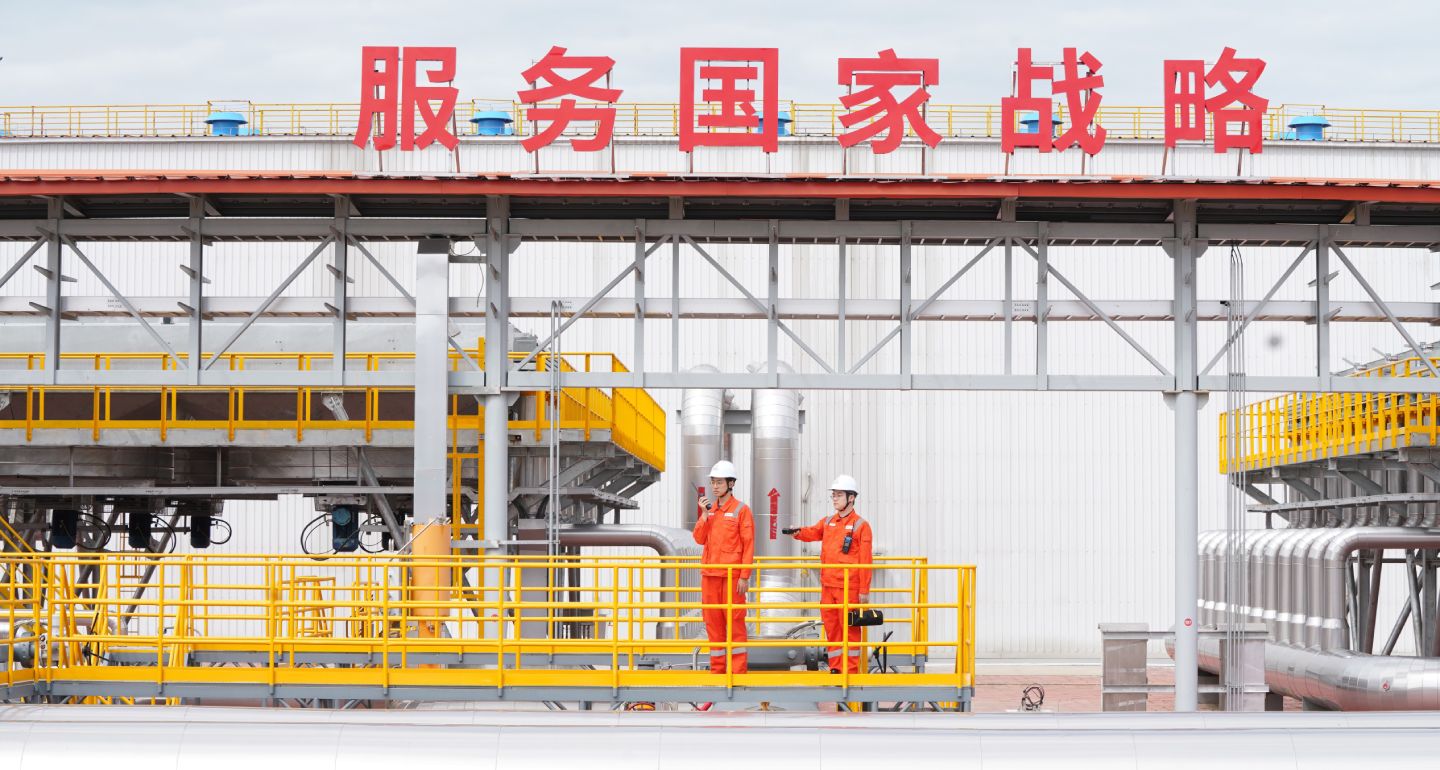
A leak of Russian gas price data helps establish that China is paying Russia far less than Central Asian countries and Gazprom’s former European customers.

Sergey Vakulenko

China’s political future will be shaped between now and next October. As the Communist Party enters its intense “campaign season” to prepare for a major political transition in 2027, reading Beijing's actions and responses may become more difficult as domestic politics weigh on its behavior more than usual.

Damien Ma

The EU can impose sanctions but struggles to enforce them without the United States. With Washington increasingly disinterested in backing European interests, the bloc must now fend for itself.


Nicu Popescu, Tiago Antunes
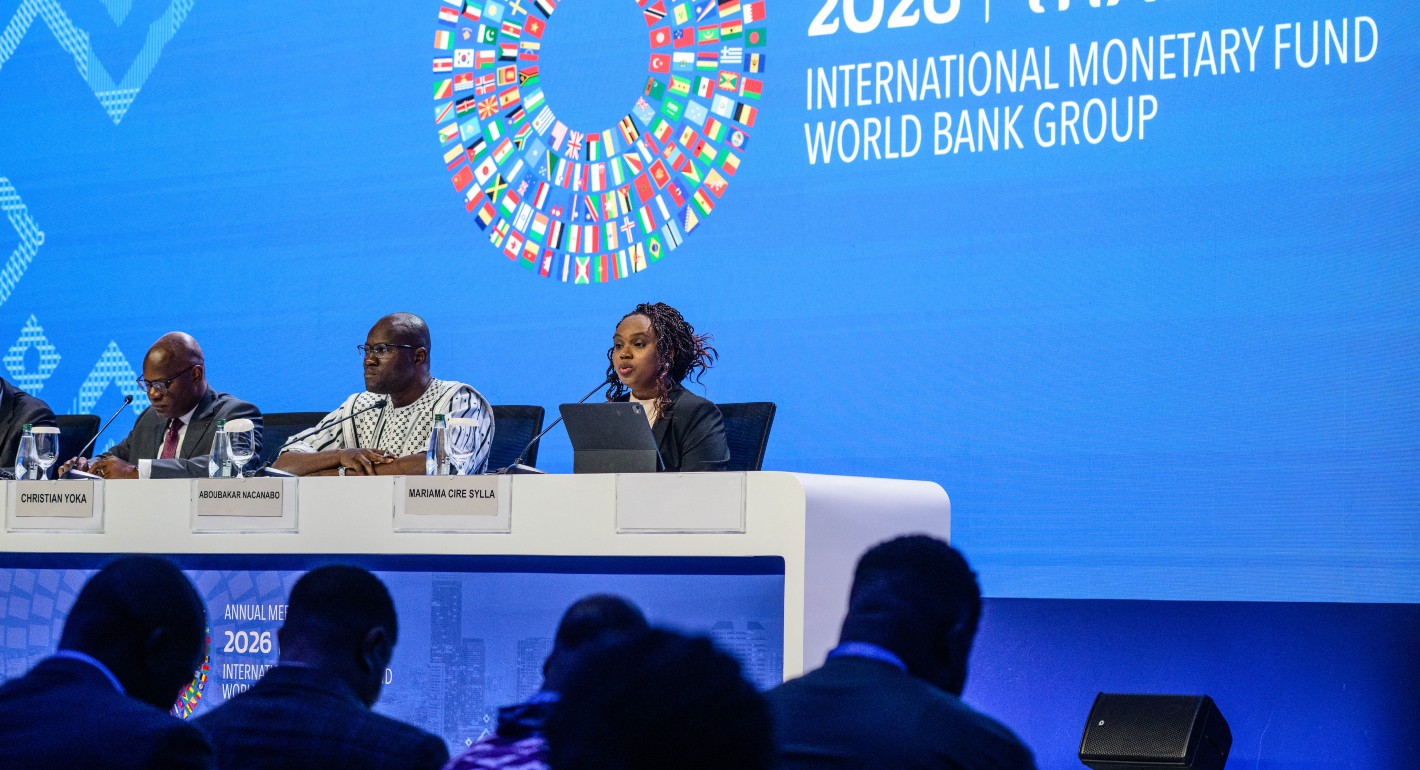
Global and rising powers will need to engage with Africa’s priorities and agency in order to secure the continent’s increasingly attractive partnerships.
Fonteh Akum

Rubio’s recent visit brought welcome attention, but more capital requires governance changes that may be a hard sell for regional governments.

Jennifer B. Murtazashvili