• Research
  • Emissary
  • About
  • Experts
Carnegie Global logoCarnegie lettermark logo
DemocracyIran
  • Donate
{
  "authors": [
    "Jessica Tuchman Mathews"
  ],
  "type": "legacyinthemedia",
  "centerAffiliationAll": "",
  "centers": [
    "Carnegie Endowment for International Peace"
  ],
  "collections": [],
  "englishNewsletterAll": "",
  "nonEnglishNewsletterAll": "",
  "primaryCenter": "Carnegie Endowment for International Peace",
  "programAffiliation": "",
  "programs": [],
  "projects": [],
  "regions": [
    "North America",
    "United States",
    "Middle East",
    "Iraq"
  ],
  "topics": [
    "Political Reform",
    "Foreign Policy"
  ]
}
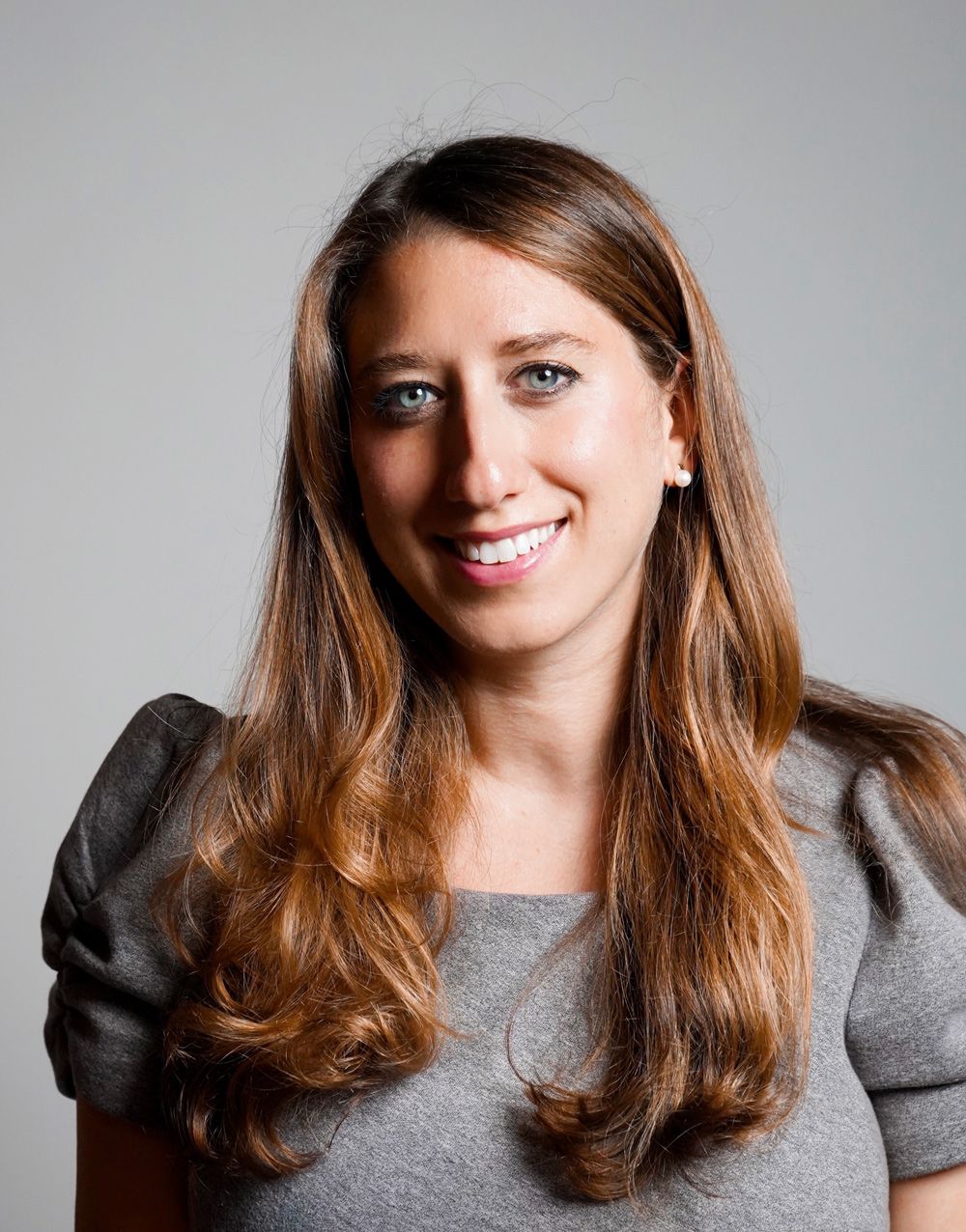
Source: Getty

In The Media

A Conversation about Post-War Iraq

Jessica Mathews discusses post-war Iraq with Fouad Ajami on The Charlie Rose Show.

Link Copied
By Jessica Tuchman Mathews
Published on Sep 4, 2003

Source: The Charlie Rose Show

On Septmber 4, Jessica Tuchman Mathews, President of the Carnegie Endowment for International Peace and Fouad Ajami, director of Middle East studies at Johns Hopkins University appeared on The Charlie Rose Show.  They discussed developments in the post-war conflict in Iraq, the rejection by France and Germany of the U.S. plan for a greater role for the U.N., the rationale for the war, and the goal of bringing democracy to Iraq.

Click here for video of the broadcast.

About the Author

Jessica Tuchman Mathews

Distinguished Fellow

Mathews is a distinguished fellow at the Carnegie Endowment for International Peace. She served as Carnegie’s president for 18 years.

    Recent Work

  • In The Media
    Washington Already Knows How to Deal with North Korea

      Jessica Tuchman Mathews

  • Commentary
    Trump Wins—and Now?

      Jessica Tuchman Mathews

Jessica Tuchman Mathews
Distinguished Fellow
Jessica Tuchman Mathews
Political ReformForeign PolicyNorth AmericaUnited StatesMiddle EastIraq

Carnegie does not take institutional positions on public policy issues; the views represented herein are those of the author(s) and do not necessarily reflect the views of Carnegie, its staff, or its trustees.

More Work from Carnegie Endowment for International Peace

  • Commentary
    Carnegie Politika
    Leaving Russian-Speakers Without Representation Is a Risk for Latvia

    If the Russian-speaking community in Latvia cannot articulate their interests without being seen as disloyal, they could end up embracing a pro-Kremlin agenda.

      Sergejs Potapkins
  • Commentary
    Diwan
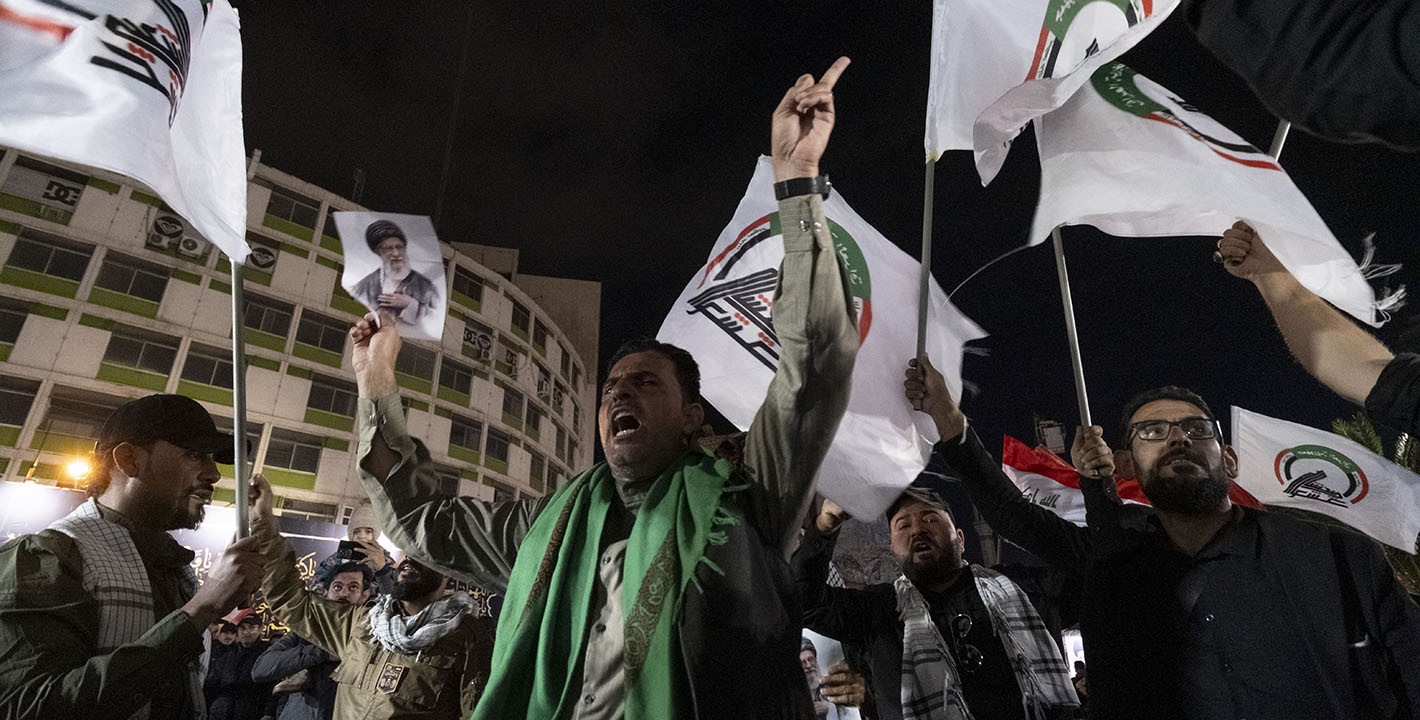
    Iraq’s Disarmament Path Begins with Reform of the PMF

    The Zaidi government’s objective to collect weapons is constrained by regional conflict, but it can take certain measures at home.

      Ali Al-Mawlawi
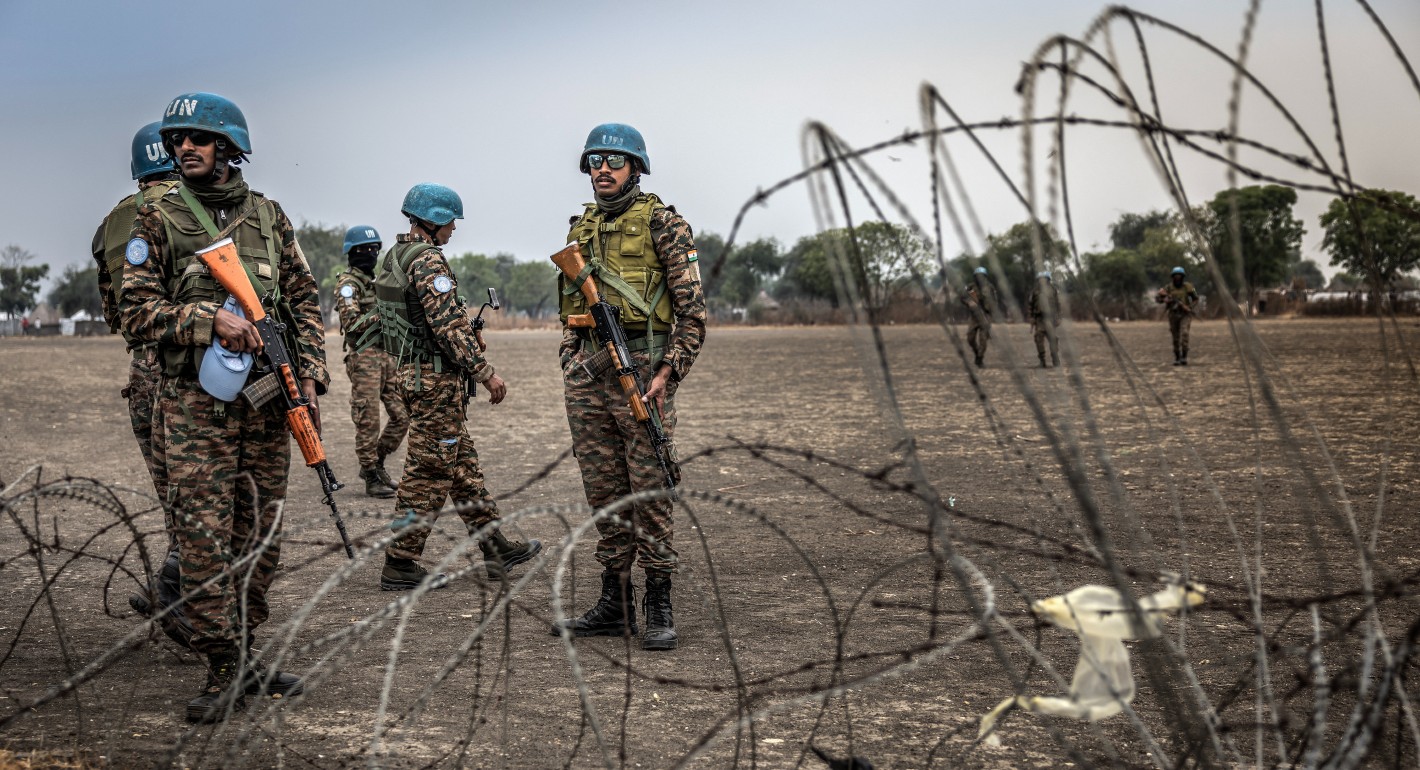
  • Soldiers standing behind barbed wire
    Commentary
    Emissary
    The UN Isn’t Declining. It’s Decomposing.

    Washington’s decision to support some UN functions while letting others wither is pulling the organization apart at the seams.

      Stewart Patrick, Theodore Zaritsky
  • 2026 Carnegie California AI Survey
    Paper
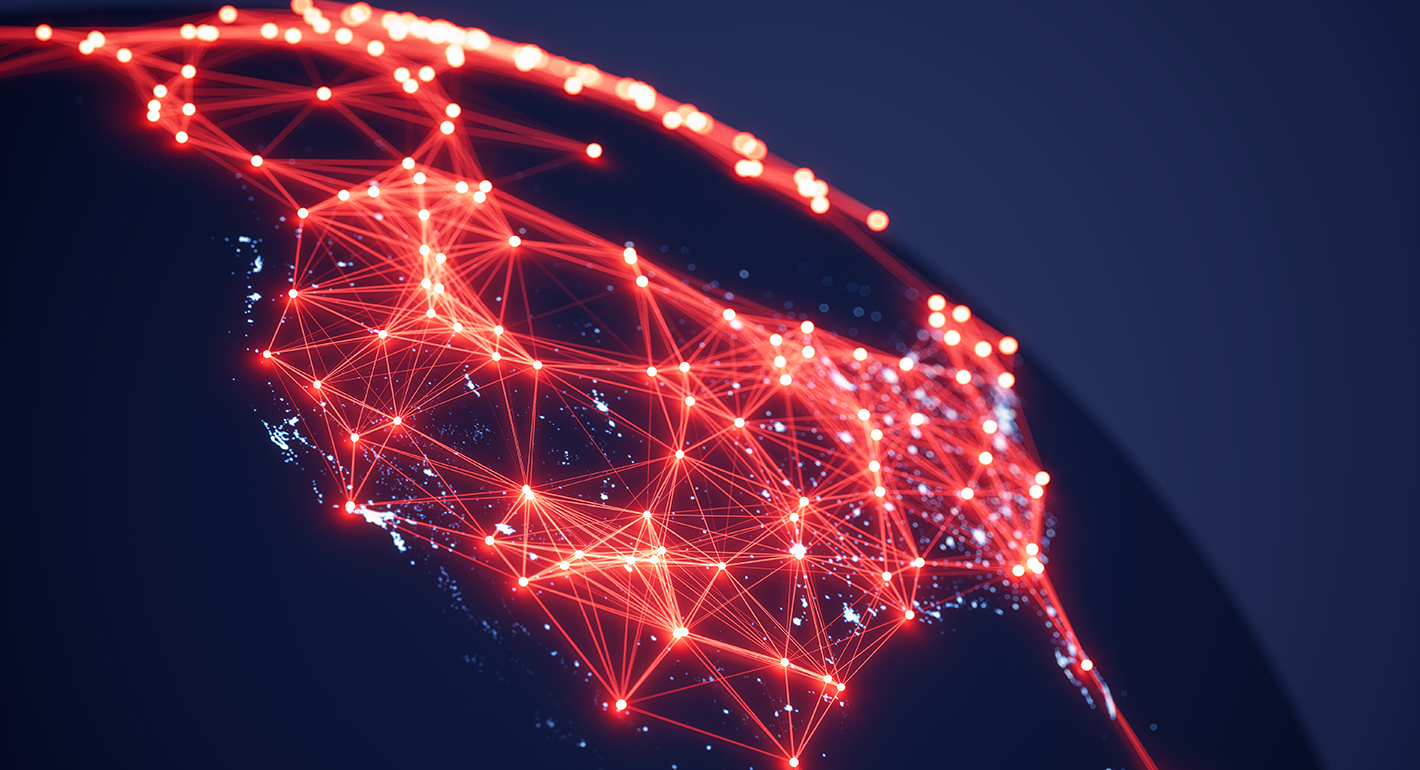
    2026 Carnegie California AI Survey

    While there are notable demographic, economic, and geographic divides over AI, there is also substantial alignment between Republicans and Democrats.
      • Rachel George
      • +2

      Ian Klaus, Mark Baldassare, Rachel George, …

  • Commentary
    Strategic Europe
    Taking the Pulse: Does the EU Have a Germany Problem?

    Are Germany’s economic, industrial, and political struggles becoming a liability for the EU’s ability to rise to the geopolitical moment?

      • Rym Momtaz

      Rym Momtaz, ed.

Get more news and analysis from
Carnegie Endowment for International Peace
Carnegie global logo, stacked
1779 Massachusetts Avenue NWWashington, DC, 20036-2103Phone: 202 483 7600
  • Research
  • Emissary
  • About
  • Experts
  • Donate
  • Programs
  • Events
  • Blogs
  • Podcasts
  • Contact
  • Annual Reports
  • Careers
  • Privacy
  • For Media
  • Government Resources
Get more news and analysis from
Carnegie Endowment for International Peace
© 2026 Carnegie Endowment for International Peace. All rights reserved.