

Commentary
The conflict is exposing the deep energy vulnerabilities of Korea’s chip industry.
Darcie Draudt-Véjares, Tim Sahay
{
  "authors": [],
  "type": "other",
  "centerAffiliationAll": "dc",
  "centers": [
    "Carnegie Endowment for International Peace"
  ],
  "collections": [],
  "englishNewsletterAll": "democracy",
  "nonEnglishNewsletterAll": "",
  "primaryCenter": "Carnegie Endowment for International Peace",
  "programAffiliation": "DCG",
  "programs": [
    "Democracy, Conflict, and Governance",
    "Middle East"
  ],
  "projects": [],
  "regions": [
    "Middle East",
    "Egypt",
    "Iraq"
  ],
  "topics": [
    "Political Reform",
    "Democracy",
    "Foreign Policy"
  ]
}
REQUIRED IMAGE
U.S. efforts to promote democracy in the Middle East have several components.
Source: Carnegie Resource Page
U.S. efforts to promote democracy in the Middle East have several components. The first and most visible component is the statements issued by the president and other high government officials. In addition, there is quiet diplomatic engagement with several countries in the region. The third, less understood component consists of a diverse array of assistance programs implemented by governmental and non-governmental actors. This fact-sheet provides an overview of these actors and their activities.
Please click on Word icon above to read full document.
Carnegie does not take institutional positions on public policy issues; the views represented herein are those of the author(s) and do not necessarily reflect the views of Carnegie, its staff, or its trustees.
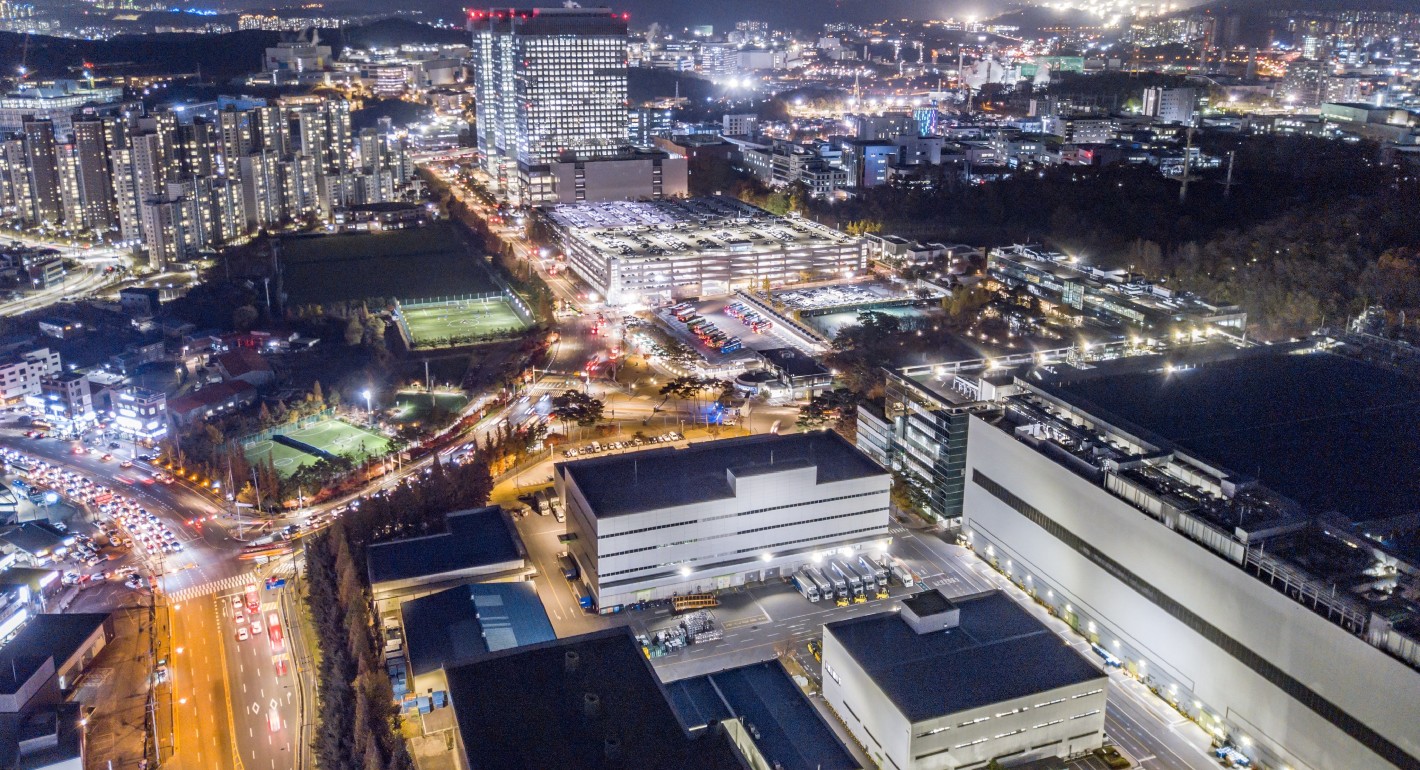
The conflict is exposing the deep energy vulnerabilities of Korea’s chip industry.

Darcie Draudt-Véjares, Tim Sahay
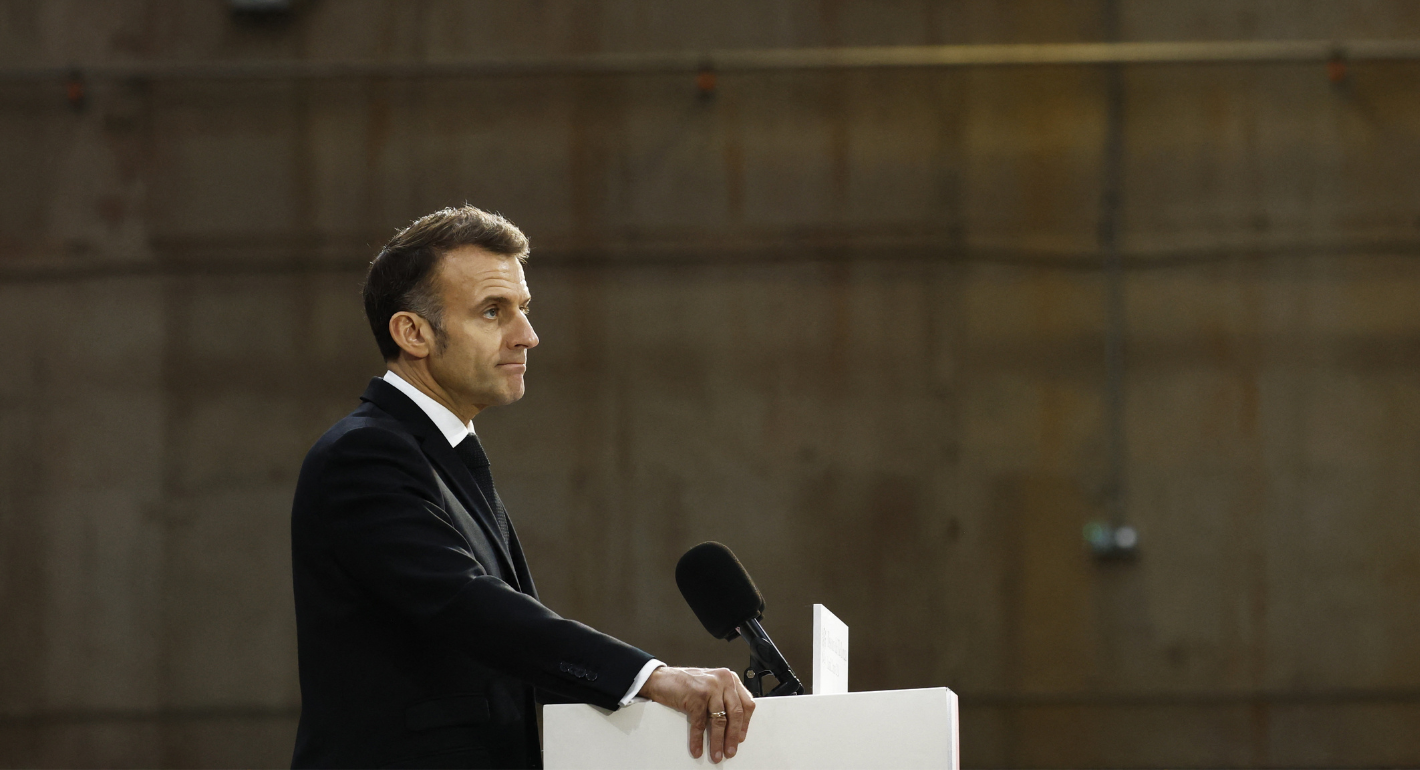
French President Emmanuel Macron has unveiled his country’s new nuclear doctrine. Are the changes he has made enough to reassure France’s European partners in the current geopolitical context?

Rym Momtaz, ed.
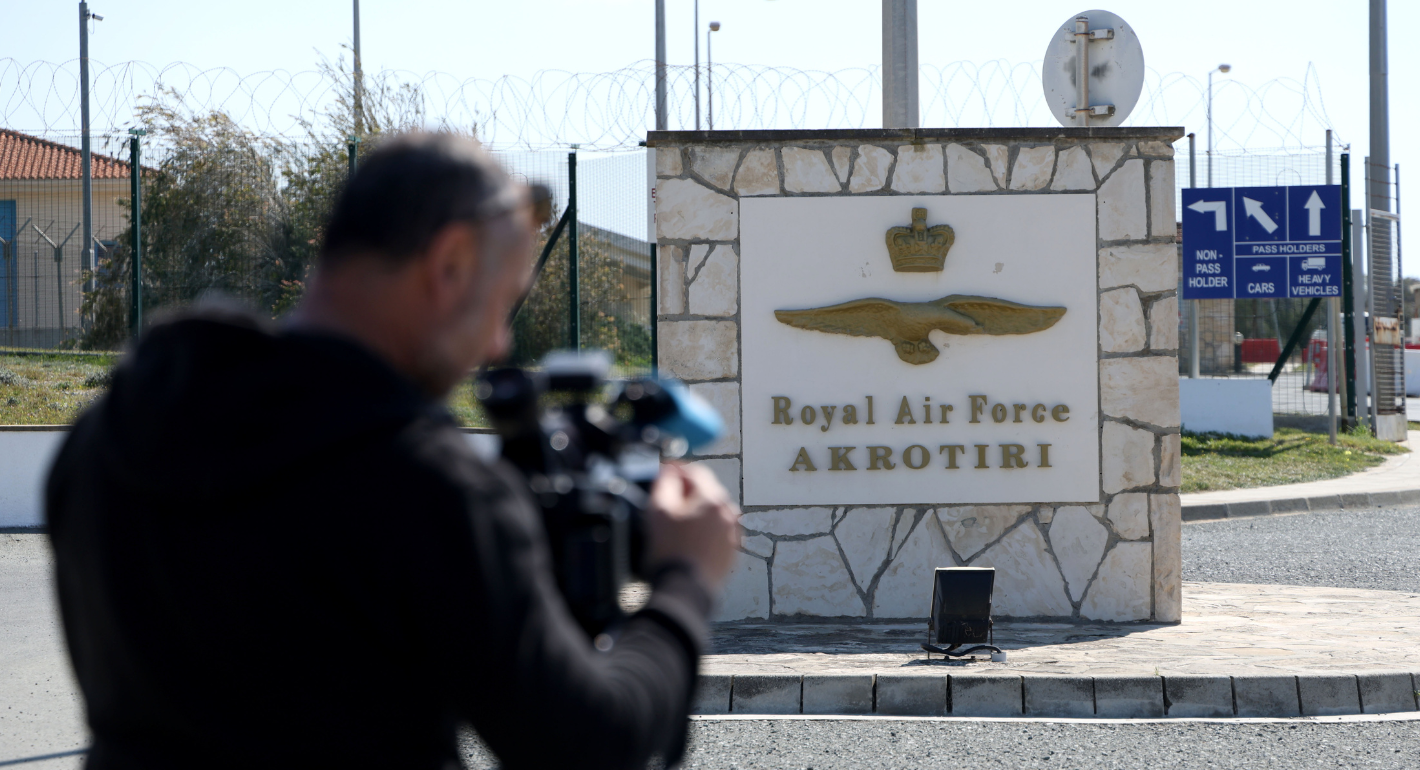
The drone strike on the British air base in Akrotiri brings Europe’s proximity to the conflict in Iran into sharp relief. In the fog of war, old tensions in the Eastern Mediterranean risk being reignited, and regional stakeholders must avoid escalation.

Marc Pierini
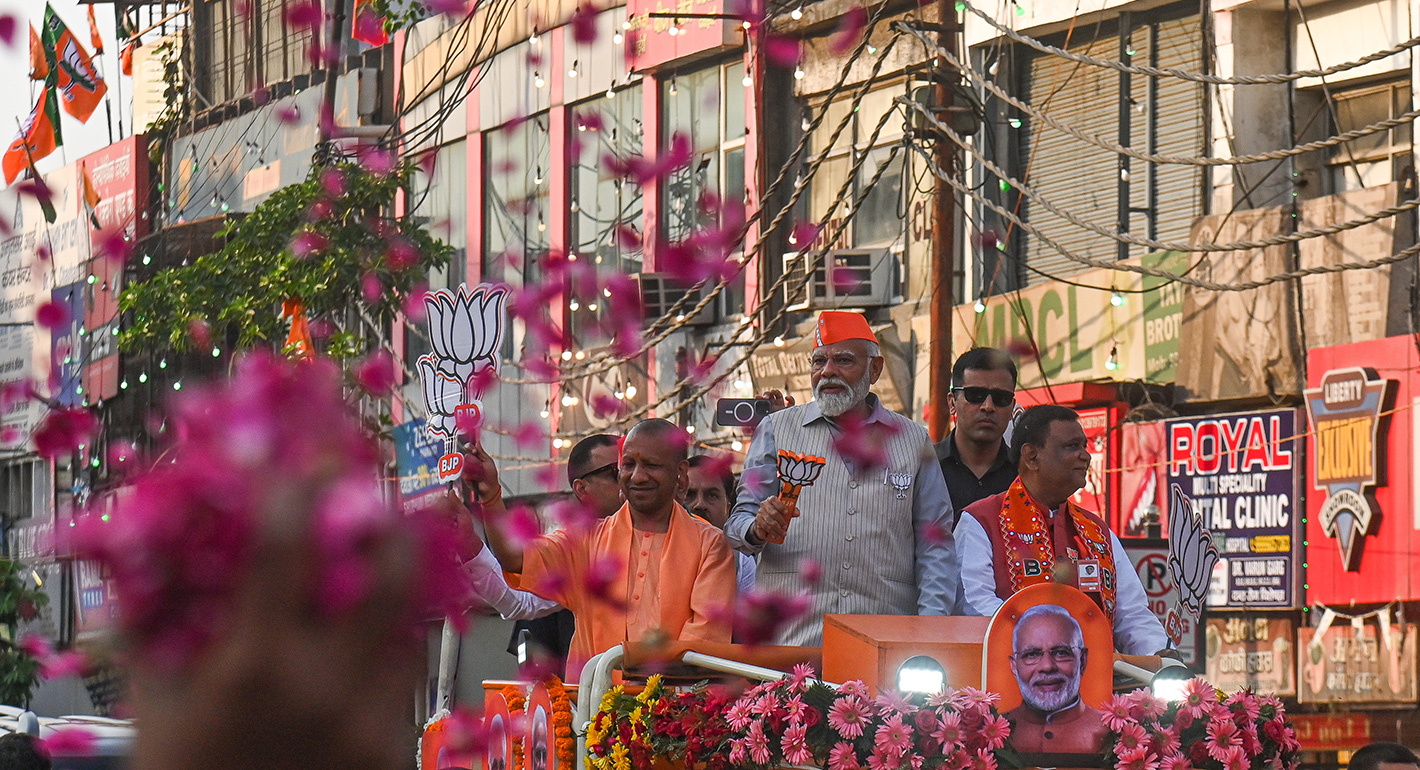
Domestic mobilization, personalized leadership, and nationalism have reshaped India’s global behavior.
Sandra Destradi
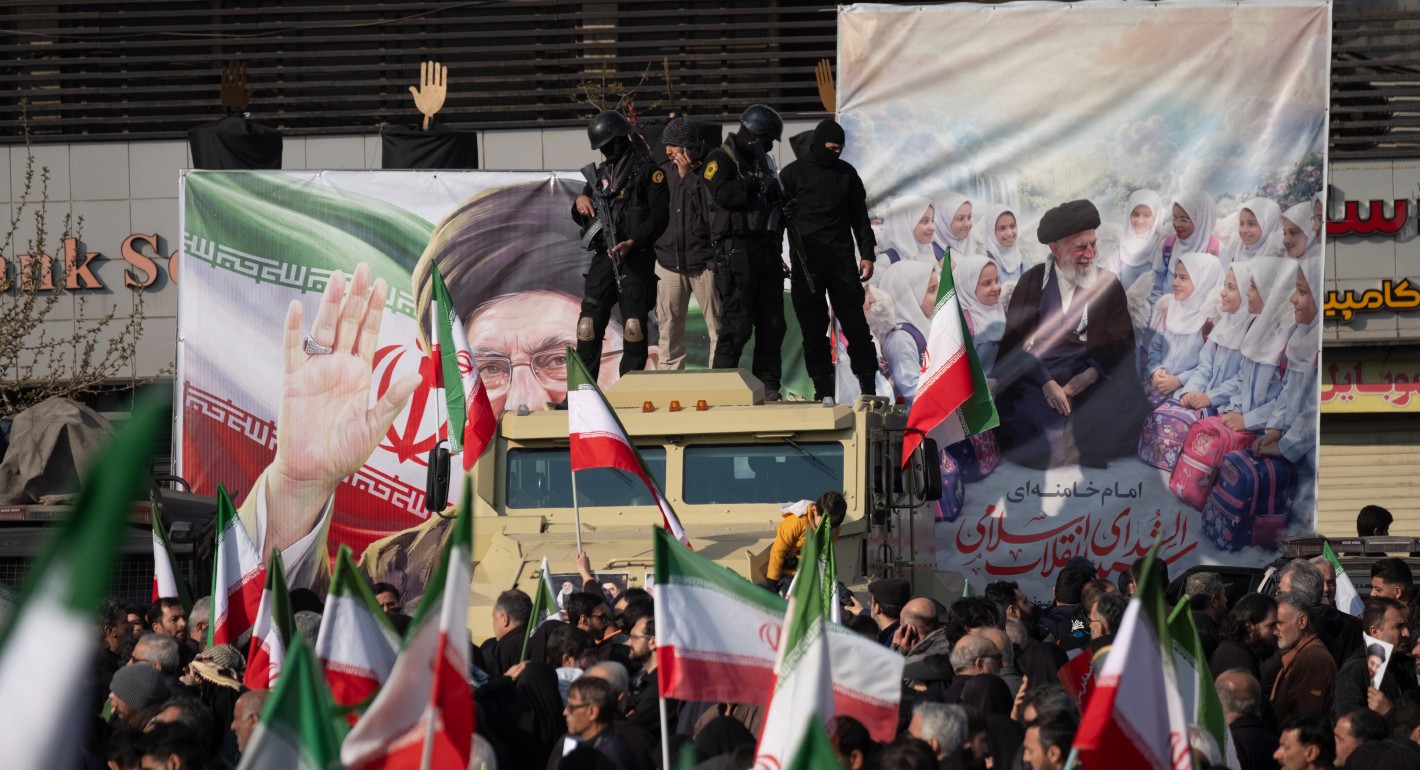
The recent record of citizen uprisings in autocracies spells caution for the hope that a new wave of Iranian protests may break the regime’s hold on power.


Thomas Carothers, McKenzie Carrier