

Paper
Policy proposals on sovereign debt must both match the scale of the challenge and be implementable within existing political constraints.
David McNair
{
  "authors": [
    "Michelle Kelemen"
  ],
  "type": "legacyinthemedia",
  "centerAffiliationAll": "dc",
  "centers": [
    "Carnegie Endowment for International Peace"
  ],
  "collections": [],
  "englishNewsletterAll": "ctw",
  "nonEnglishNewsletterAll": "",
  "primaryCenter": "Carnegie Endowment for International Peace",
  "programAffiliation": "russia",
  "programs": [
    "Russia and Eurasia"
  ],
  "projects": [],
  "regions": [
    "North America",
    "United States",
    "Middle East",
    "Iran",
    "Caucasus",
    "Russia",
    "Azerbaijan"
  ],
  "topics": [
    "Political Reform",
    "Democracy",
    "Economy",
    "Military",
    "Foreign Policy"
  ]
}
Source: Getty
Martha Brill Olcott discusses U.S.-Azeri relations with NPR's Michelle Kelemen.
Source: National Public Radio

To hear Kelemen's story, please click on the link below.
http://www.npr.org/templates/story/story.php?storyId=5368228
Michelle Kelemen
Carnegie does not take institutional positions on public policy issues; the views represented herein are those of the author(s) and do not necessarily reflect the views of Carnegie, its staff, or its trustees.

Policy proposals on sovereign debt must both match the scale of the challenge and be implementable within existing political constraints.
David McNair

Despite a new textbook, an influx of Russian teachers and managers, and an end to the teaching of Ukrainian, the Kremlin is unlikely to have “reprogrammed” locals.

Konstantin Skorkin

For every ruble allocated to social policy, health, and education in 2027, double that amount is earmarked for the army, the police, and the security services.

Alexandra Prokopenko
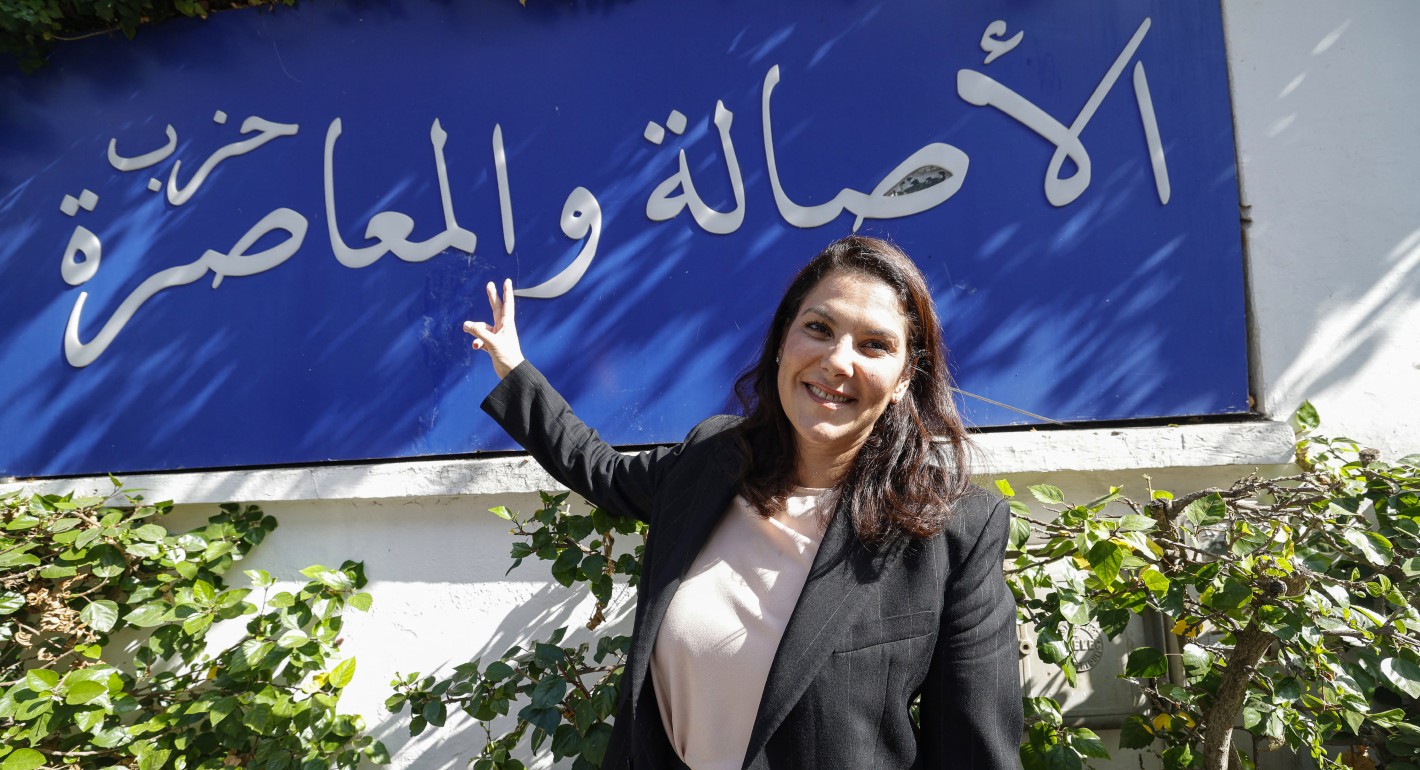
Fatima El Mansouri is the country’s first female prime minister. She’s also a privileged insider in a largely ceremonial position.

Sarah Yerkes

The acknowledgment has sparked fears of a new arms race with China and Russia.

Chris O’Meara