

Commentary
It should address the shortcomings of previous crisis communication efforts and adapt to the demands of frontier AI.
Lucy Luo
{
  "authors": [],
  "type": "pressRelease",
  "centerAffiliationAll": "dc",
  "centers": [
    "Carnegie Endowment for International Peace"
  ],
  "collections": [
    "U.S. Nuclear Policy"
  ],
  "englishNewsletterAll": "ctw",
  "nonEnglishNewsletterAll": "",
  "primaryCenter": "Carnegie Endowment for International Peace",
  "programAffiliation": "NPP",
  "programs": [
    "Nuclear Policy",
    "South Asia",
    "Middle East"
  ],
  "projects": [],
  "regions": [
    "North America",
    "United States",
    "Middle East",
    "Iran"
  ],
  "topics": [
    "Foreign Policy",
    "Nuclear Policy"
  ]
}
REQUIRED IMAGE
For Immediate Release: June 27, 2006
Contact: Jennifer Linker, +1 (202) 939-2372, jlinker@CarnegieEndowment.org
Tellis Analyzes Exaggerated Threat of Expanding Indian Nuclear Arsenal
New Report Refutes Assumptions Underlying Claims of Rapidly Expanding Nuke Stockpile
Among the most serious criticisms leveled at the U.S.-Indian nuclear cooperation initiative is that it would enable India to rapidly expand its nuclear arsenal. Ashley J. Tellis, senior associate at the Carnegie Endowment for International Peace, challenges these criticisms in a new report, Atoms for War? U.S.-Indian Civilian Nuclear Cooperation and India’s Nuclear Arsenal. Tellis argues that, contrary to current assumptions, India is not trying to construct the largest nuclear stockpile possible in South Asia, nor is its capacity to produce a large nuclear arsenal affected by the U.S.-Indian civilian nuclear agreement.
Tellis asserts that the evidence shows that the government of India is in no hurry to build the biggest nuclear stockpile it could construct based on material factors alone. The research in this report concludes that India already has the indigenous reserves of natural uranium necessary to develop the largest possible nuclear arsenal it may seek and, consequently, the U.S.-Indian civilian nuclear cooperation initiative will not materially contribute towards New Delhi's strategic capacities in any consequential way. Furthermore, that the current shortage of natural uranium in India is caused principally by constrictions in its mining and milling capacity but this is a transient problem that is in the process of being redressed.
Tellis also gives seven critical reasons why New Delhi views the U.S.-Indian nuclear cooperation agreement as vital to ensuring India’s energy security, and how it provides meaningful technical alternatives to Homi Bhabha’s “three-stage plan.”
To access a PDF file of the report, go to: www.CarnegieEndowment.org/AtomsforWar.
Ashley J. Tellis is a senior associate specializing in international security, defense, and Asian strategic issues at the Carnegie Endowment for International Peace. He is the co-editor of Strategic Asia 2005-06: Military Modernization in an Era of Uncertainty. He is also author of the Carnegie Report India as a New Global Power: An Action Agenda for the United States.
Press Contact:
Jennifer Linker, Tel: 202/939-2372, jlinker@CarnegieEndowment.org
###
Carnegie does not take institutional positions on public policy issues; the views represented herein are those of the author(s) and do not necessarily reflect the views of Carnegie, its staff, or its trustees.

It should address the shortcomings of previous crisis communication efforts and adapt to the demands of frontier AI.

Lucy Luo

Washington’s decision to support some UN functions while letting others wither is pulling the organization apart at the seams.

Stewart Patrick, Theodore Zaritsky
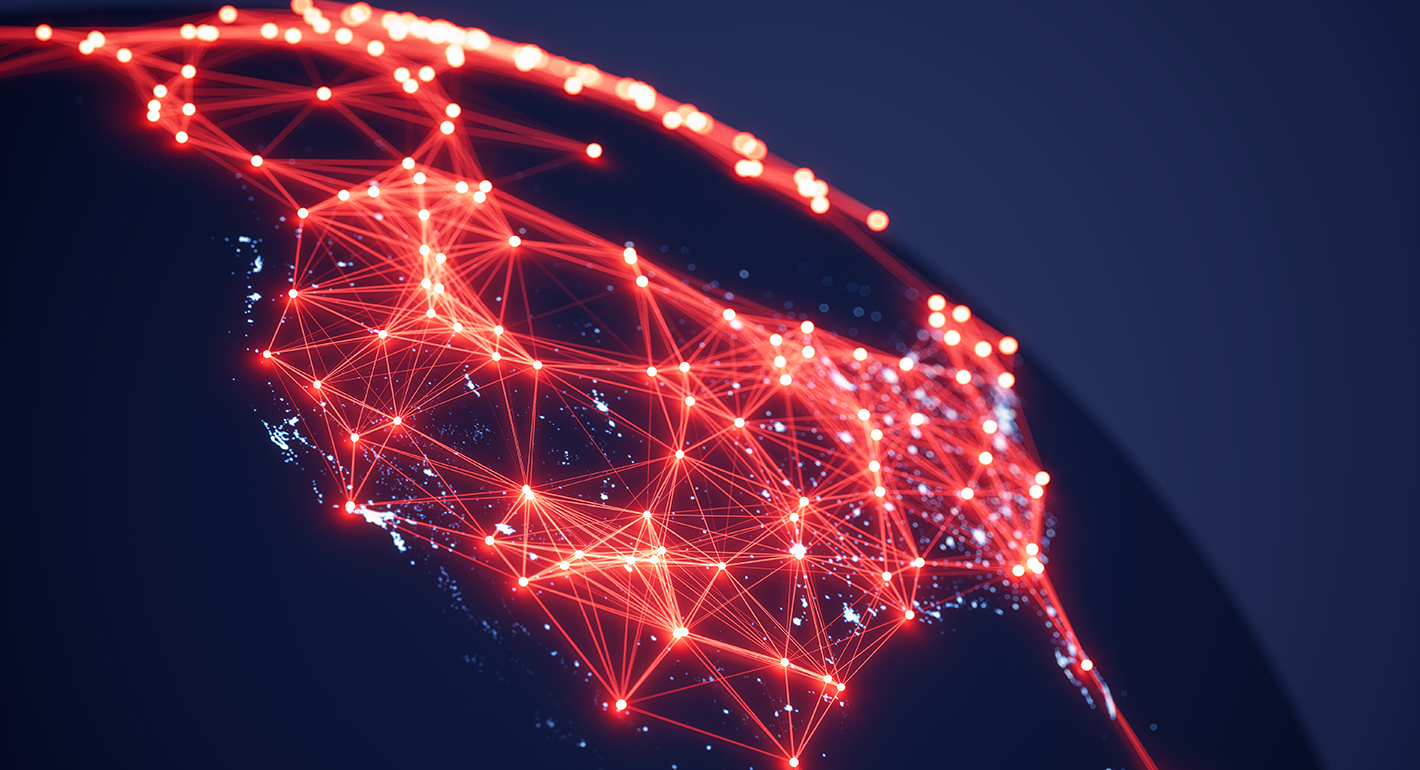
While there are notable demographic, economic, and geographic divides over AI, there is also substantial alignment between Republicans and Democrats.


Ian Klaus, Mark Baldassare, Rachel George, …

Are Germany’s economic, industrial, and political struggles becoming a liability for the EU’s ability to rise to the geopolitical moment?

Rym Momtaz, ed.

China’s police training infrastructure construction projects provide benefits to recipient countries, promote China’s image as a major global security provider, and are likely to reinforce alignment between Beijing’s security priorities and those of countries in the Global South.


Cameron Waltz, Sheena Chestnut Greitens, Kim Nguyen, …