

Commentary
Riad al Khouri
{
  "authors": [
    "Riad al Khouri"
  ],
  "type": "legacyinthemedia",
  "centerAffiliationAll": "dc",
  "centers": [
    "Carnegie Endowment for International Peace",
    "Malcolm H. Kerr Carnegie Middle East Center"
  ],
  "collections": [],
  "englishNewsletterAll": "menaTransitions",
  "nonEnglishNewsletterAll": "",
  "primaryCenter": "Malcolm H. Kerr Carnegie Middle East Center",
  "programAffiliation": "MEP",
  "programs": [
    "Middle East"
  ],
  "projects": [],
  "regions": [
    "Middle East",
    "North Africa",
    "Algeria",
    "Morocco",
    "Western Europe",
    "France"
  ],
  "topics": [
    "Economy",
    "Trade"
  ]
}
REQUIRED IMAGE
France has recently proposed a Mediterranean Union. To ensure this initiative’s effectiveness and avoid the pitfalls of the Euro-Mediterranean process, the EU must seriously review its linked aid and agricultural and immigration policies toward the region.
Source: The Daily Star
Though the European Union remains the most important economic partner of most Arab countries, a major strategic political element may also have just been added to the European role in the region. During his recent visit to the United Arab Emirates, French President Nicolas Sarkozy struck a deal that will see France become the only foreign power apart from the United States to have a permanent military base in a Gulf Cooperation Council state. The facility will be modest, but the move is significant in showing the new role that France is increasingly playing in the region. The French have also shown new initiative in the Maghreb through the idea of creating a Mediterranean Union. However, how serious is this project and what will its importance be amid existing European Union projects in the region?
The most important of these for Arab countries has been the Euro-Mediterranean (Euro-Med) partnership, launched in 1995 as a process with political, economic and cultural dimensions. The Euro-Med process was designed to allow EU member states and their Mediterranean counterparts to work together. However today, the countries involved - especially the Arab ones - complain about the disappointing results.
The Moroccan Euro-Med accord is a case in point. That pact was signed in 1996, but only came fully into force in 2000, a delay that was partly a reflection of the cumbersome ratification procedures. The agreement envisions a 12-year process of lowering tariffs and enhancing trade between the EU and Morocco. Yet despite initial hope about the benefits for Moroccans, there has been increasing skepticism. Problems include non-tariff protectionism by individual EU countries and growing dependence on Europe for food. Although the transition to full EU-Morocco association is still under way and may ultimately prove successful, indications so far are unpromising.
Morocco has also worked to diversify trade away from Europe, focusing on Euro-Med signatories among others. To that end, the Euro-Med pact with Morocco offers it (along with other Mediterranean partners) a system of "diagonal cumulation." To maximize the benefits of Euro-Med, Morocco in 2001 joined Egypt, Jordan, and Tunisia in initiating the Agadir process - the four states signing in 2004 a collateral free-trade accord (the Agadir Agreement) for harmonization of customs procedures to create a critical mass of South-South trade and benefit from cumulation of imported inputs to gain access to the EU market. The agreement finally entered into force in 2007, but it is still too early to tell whether the model will prove as successful as the United States' Qualifying Industrial Zone diagonal cumulation arrangements with Egypt and Jordan.
Morocco has also looked elsewhere for trade diversification, notably to the United States. To that end, in June 2004 Rabat signed a free-trade agreement (FTA) with the US. The agreement has increased trade between the two countries, and is modestly diversifying trade away from Morocco's heavy reliance on the EU (though that has partly come because of the recent fall in the value of the dollar).
An Arab country's having an FTA with the US does not prevent it from also signing a Euro-Med pact with the EU, though thus far this has been the case only with Jordan and Morocco. However, for both of these countries the contrast between Europe and America is apparent: trade with the US has gone up in a more balanced way, while with the EU the increase has been mainly reflected in imports from Europe.
In Morocco and elsewhere, one consequence of the Euro-Med accord is that migration to cities continues to be fueled by the uncertainties of the agricultural sector in rural areas. This is also prompting transformations that spur illegal migration, especially to Europe. In this respect, the potential contribution that the EU in particular can make toward sustainable development in the Arab world must involve a serious review of linked aid and agricultural and immigration policies.
How so? A more coherent EU working closely with a better-integrated Arab world could become a catalyst for progress in the region by liberalizing European agricultural imports, thus helping the economies of rural areas in places like Morocco. At the same time, by expanding the scope of emigration, the flow of people to Europe from Arab countries would contain less of an illegal element. Europe could thus also streamline aid by giving less money as consolation for closed borders and barred agricultural exports. This would revive Arab rural areas, better regulate migration, and reduce financial waste.
Such practical steps would deepen European-Arab integration and give teeth to projects such as the Mediterranean Union. Otherwise, the latter scheme will join the Euro-Med process and its offspring as cumbersome and largely ineffective in spurring positive change in the Arab world.
Riad al-Khouri is a visiting scholar at the Carnegie Middle East Center in Beirut and a senior fellow at the William Davidson Institute, University of Michigan. He wrote this commentary for The Daily Star.
Former Visiting Scholar, Middle East Center
Riad al Khouri is an economist specializing in the Middle East and North Africa region. He has undertaken extensive research on regional trade and political economy, among other topics, and writes widely about development issues. He taught economics at the American University in Beirut (AUB) and Beirut University College (now the Lebanese American University) and worked as a consultant for the European Commission, ESCWA, GTZ, ILO, IOM, OPEC Fund, UNDP, UNIDO, USAID, and the World Bank, among many other public sector organizations, as well as for numerous private firms.
Recent Work
Riad al Khouri
Riad al Khouri
Carnegie does not take institutional positions on public policy issues; the views represented herein are those of the author(s) and do not necessarily reflect the views of Carnegie, its staff, or its trustees.

A summer of escalation in the Black Sea has hurt Ukraine economically and is exacerbating world food security. A truce is needed—as is a broader reframing of Europe’s Ukraine strategy.

Thomas de Waal

As the U.S. stumbles in its war with Iran, we are likely to see an acceleration of its disengagement from the region.

Michael Young
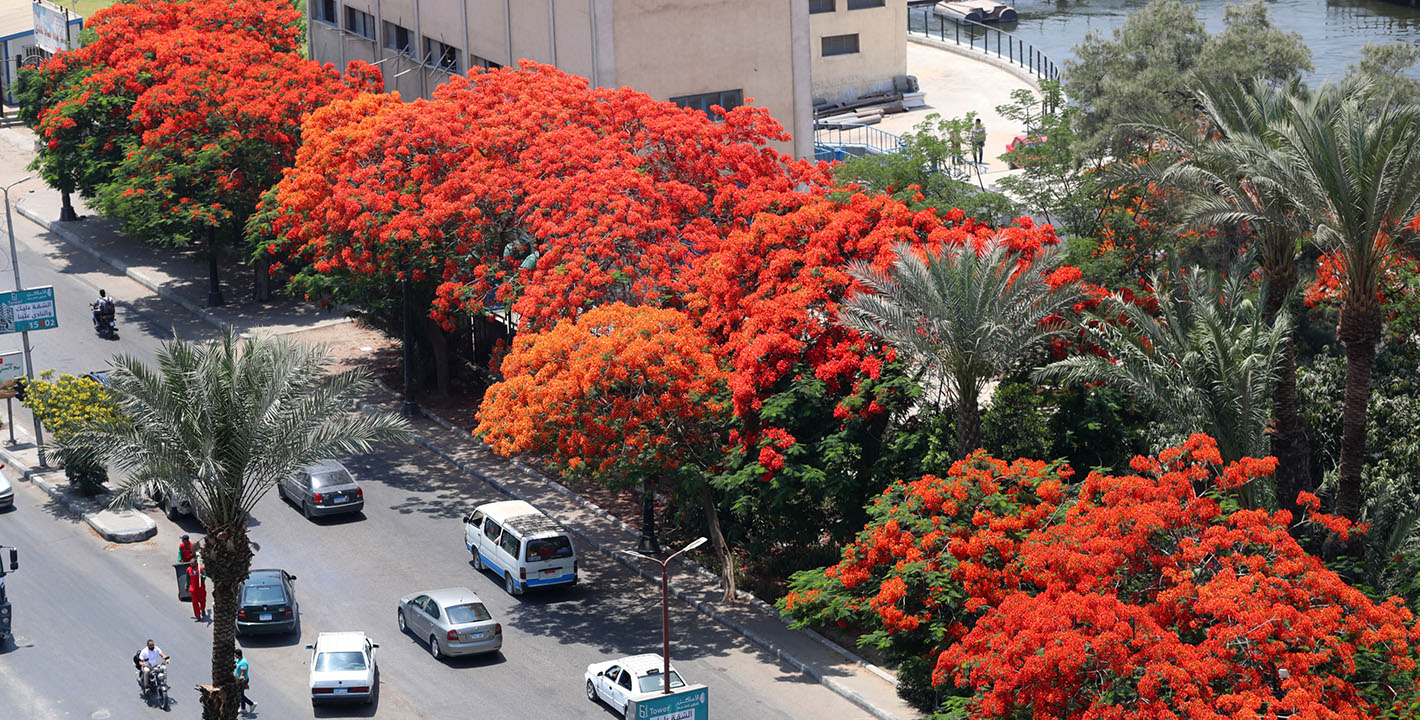
In Egypt’s dense cities, the disappearance of foliage has health implications and punishes daily commuters.

Angie Omar

Are Germany’s economic, industrial, and political struggles becoming a liability for the EU’s ability to rise to the geopolitical moment?

Rym Momtaz, ed.
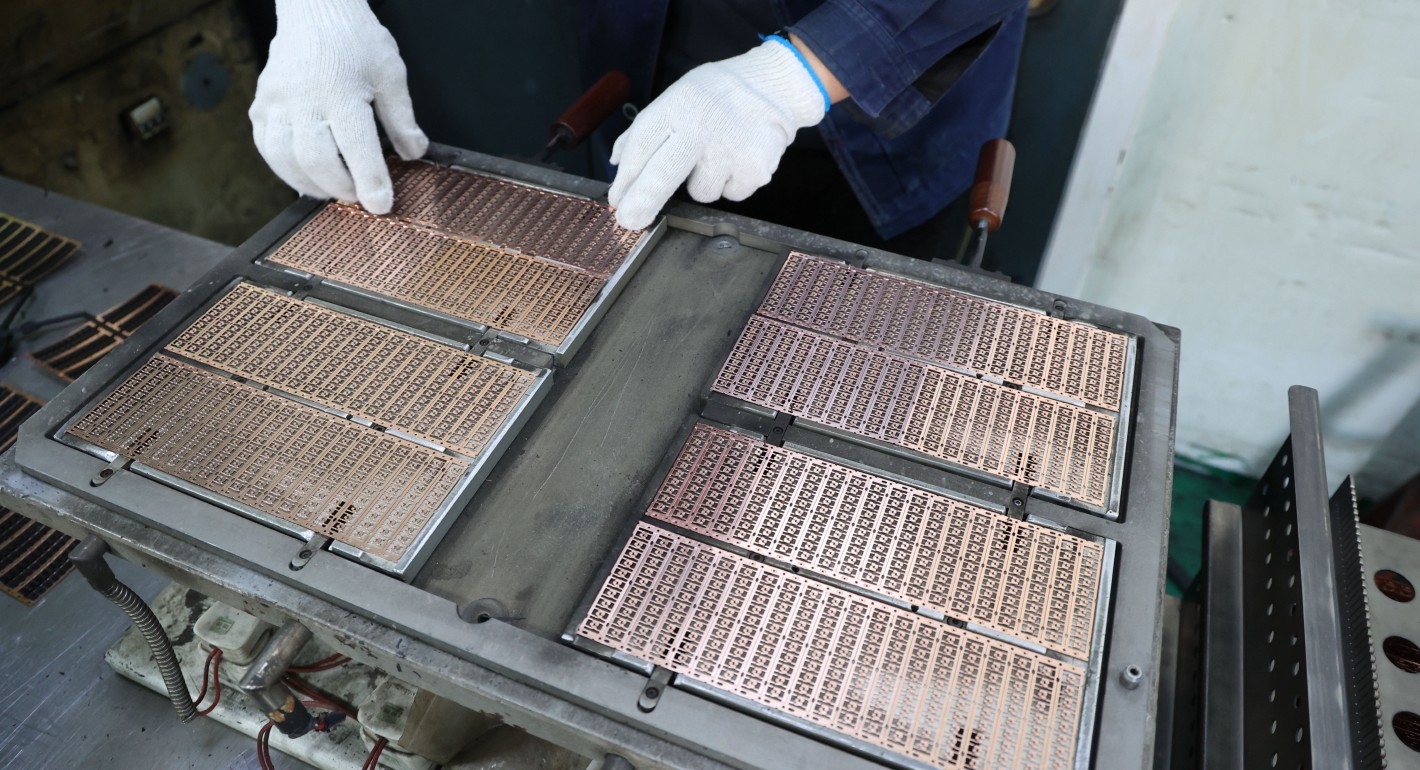
The Bureau of Industry and Security needs to adjust its focus and practices to maintain its position as the U.S. government’s primary champion of international technological competition.
Geoffrey Irving