Commentary
Nathan J. Brown
{
  "authors": [
    "Nathan J. Brown"
  ],
  "type": "other",
  "centerAffiliationAll": "dc",
  "centers": [
    "Carnegie Endowment for International Peace",
    "Malcolm H. Kerr Carnegie Middle East Center"
  ],
  "collections": [],
  "englishNewsletterAll": "menaTransitions",
  "nonEnglishNewsletterAll": "",
  "primaryCenter": "Malcolm H. Kerr Carnegie Middle East Center",
  "programAffiliation": "MEP",
  "programs": [
    "Middle East"
  ],
  "projects": [],
  "regions": [
    "Middle East",
    "Israel",
    "Palestine"
  ],
  "topics": [
    "Political Reform",
    "Economy",
    "Foreign Policy"
  ]
}
Source: Getty
The Middle East peace process will fail unless Palestinian political institutions are rebuilt. The international efforts to rebuild Palestine are in reality counterproductive. Instead, a long-term international strategy based on restoring Palestinian institutions, encouraging a Fatah–Hamas agreement, and emphasizing regional diplomacy are needed.
Source: Carnegie Endowment

In The Road Out of Gaza, Palestinian expert Nathan J. Brown discusses the economic and political disarray not only in Gaza and the West Bank but within Hamas and Fatah as well, and argues that the international efforts to rebuild Palestine are in reality counterproductive. Brown suggests a long-term international strategy based on restoring Palestinian institutions, encouraging a Fatah–Hamas agreement, and emphasizing regional diplomacy.
Key Conclusions:
“The risks of a strategy of ensnaring Hamas in traps laid by public opinion (expressed in part through elections), Arab diplomacy, and Palestinian political procedures are very real. But the path seems far more likely to pay off—both in security and diplomatic terms—than the current strategy of total isolation, abstract diplomacy, aid, and intermittent military operations,” concludes Brown.
This is a web-only publication.
About the Author
Nathan J. Brown is a nonresident senior associate at the Carnegie Endowment and is also professor of political science and international affairs and director of the Middle East Studies Program at the George Washington University. His past work has focused on Palestinian politics and on the rule of law and constitutionalism in the Arab world.

Nonresident Senior Fellow, Middle East Program
Nathan J. Brown, a professor of political science and international affairs at George Washington University, is a distinguished scholar and author of nine books on Arab politics and governance, as well as editor of five books.
Recent Work
Nathan J. Brown
Nathan J. Brown
Carnegie does not take institutional positions on public policy issues; the views represented herein are those of the author(s) and do not necessarily reflect the views of Carnegie, its staff, or its trustees.
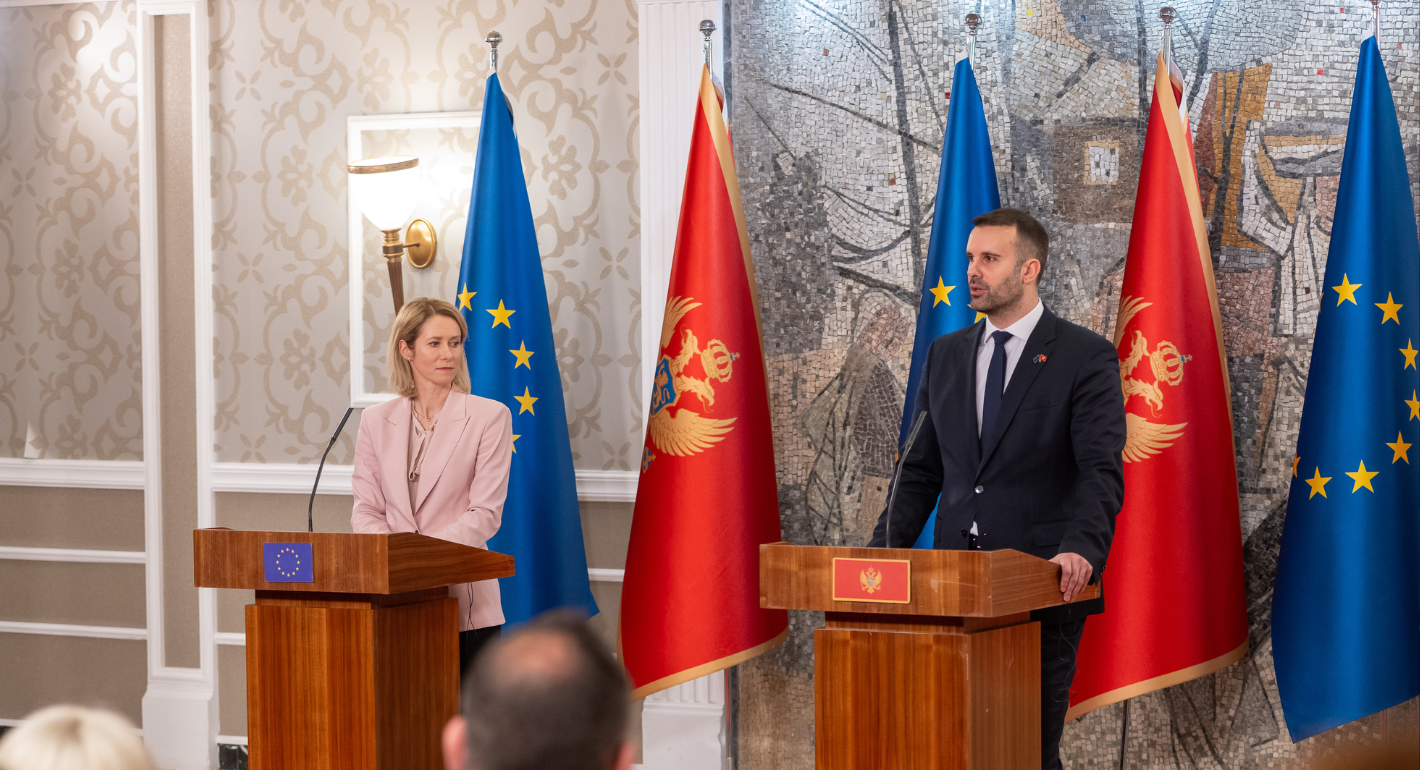
Montenegro and Albania are frontrunners for EU enlargement in the Western Balkans, but they can’t just sit back and wait. To meet their 2030 accession ambitions, they must make a strong positive case.


Dimitar Bechev, Iliriana Gjoni

Despite long-standing differences, China and Vietnam are reinforcing common ground for collaboration, especially in public security. This internal security–centered diplomacy offers a strengthened road map for how China moves forward with Southeast Asia.
Sophie Zhuang

Climate mobility interventions can vary, but they all present opportunities to unlock transformative results that mitigate costs associated with inaction.

Alejandro Martin Rodriguez

Four Middle East experts analyze the region’s reactions and next steps.



Amr Hamzawy, Andrew Leber, Eric Lob, …

As the war between the United States, Israel, and Iran continues, Carnegie scholars contribute cutting-edge analysis on the events of the war and their wide-reaching implications. From the impact on Iran and its immediate neighbors to the responses from Gulf states to fuel and fertilizer shortages caused by the effective shutdown of the Strait of Hormuz, the war is reshaping Middle East alliances and creating shockwaves around the world. Carnegie experts analyze it all.