

Commentary
Acknowledging these harms strengthens the case for ethical limits on the weaponization of critical infrastructure.
Alia Sajjadian, Andrew Leber
{
  "authors": [
    "Michele Dunne",
    "Robert Kagan"
  ],
  "type": "legacyinthemedia",
  "centerAffiliationAll": "dc",
  "centers": [
    "Carnegie Endowment for International Peace",
    "Carnegie Europe",
    "Malcolm H. Kerr Carnegie Middle East Center"
  ],
  "collections": [],
  "englishNewsletterAll": "menaTransitions",
  "nonEnglishNewsletterAll": "",
  "primaryCenter": "Carnegie Endowment for International Peace",
  "programAffiliation": "MEP",
  "programs": [
    "Middle East"
  ],
  "projects": [],
  "regions": [
    "North Africa",
    "Egypt",
    "Middle East"
  ],
  "topics": [
    "Political Reform",
    "Foreign Policy"
  ]
}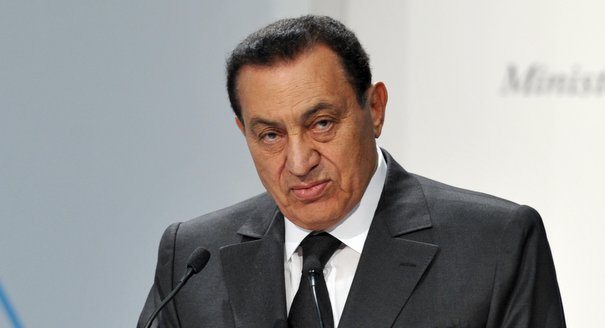
Source: Getty
Obama's Cairo speech had the admirable goal of improving relations with the Muslim world, but the administration has focused almost exclusively on building bridges with leaders and governments rather than supporting political and human rights.
Source: The Washington Post


Former Nonresident Scholar, Middle East Program
Michele Dunne was a nonresident scholar in Carnegie’s Middle East Program, where her research focuses on political and economic change in Arab countries, particularly Egypt, as well as U.S. policy in the Middle East.

Former Senior Associate
Kagan, author of the recent book, The Return of History and the End of Dreams (Knopf 2008), writes a monthly column on world affairs for the Washington Post and is a contributing editor at both the Weekly Standard and the New Republic.
Carnegie does not take institutional positions on public policy issues; the views represented herein are those of the author(s) and do not necessarily reflect the views of Carnegie, its staff, or its trustees.
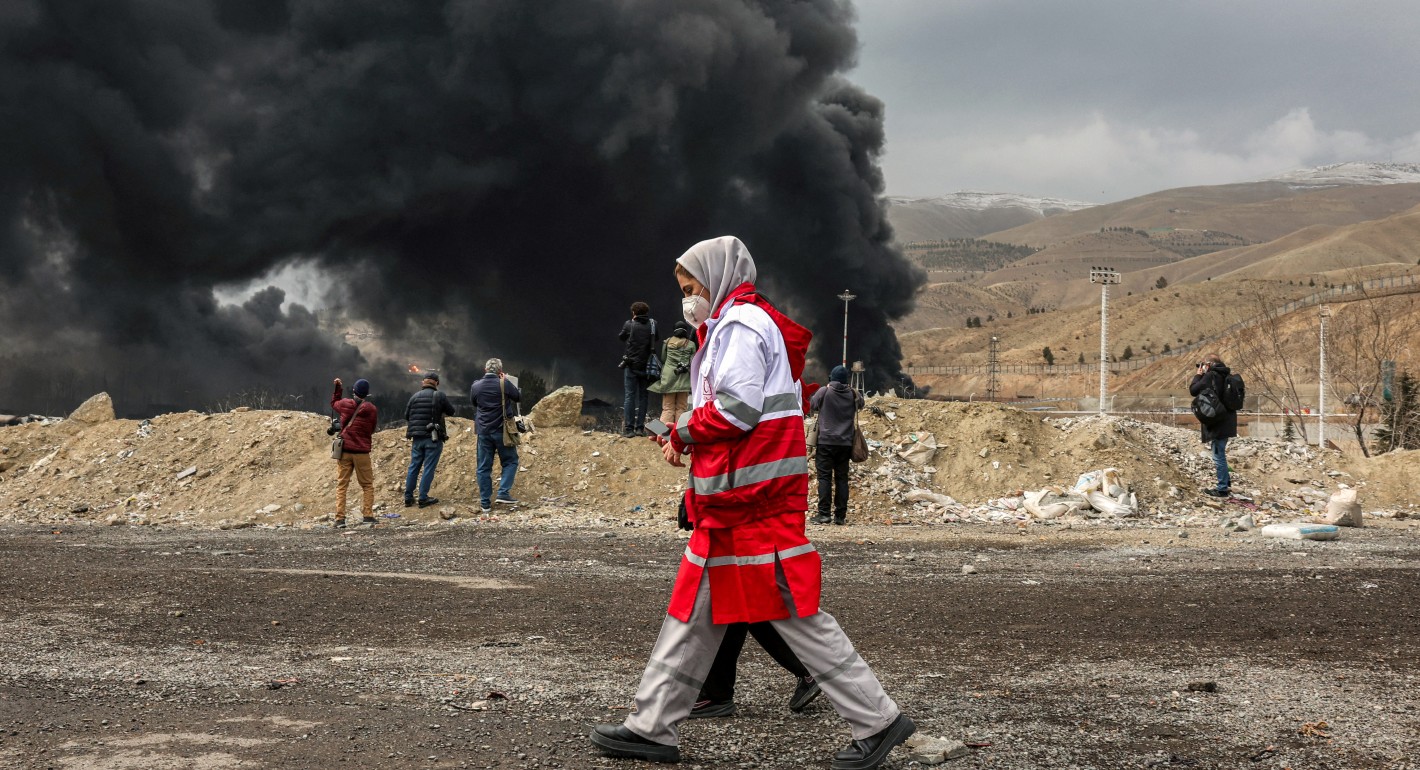
Acknowledging these harms strengthens the case for ethical limits on the weaponization of critical infrastructure.

Alia Sajjadian, Andrew Leber
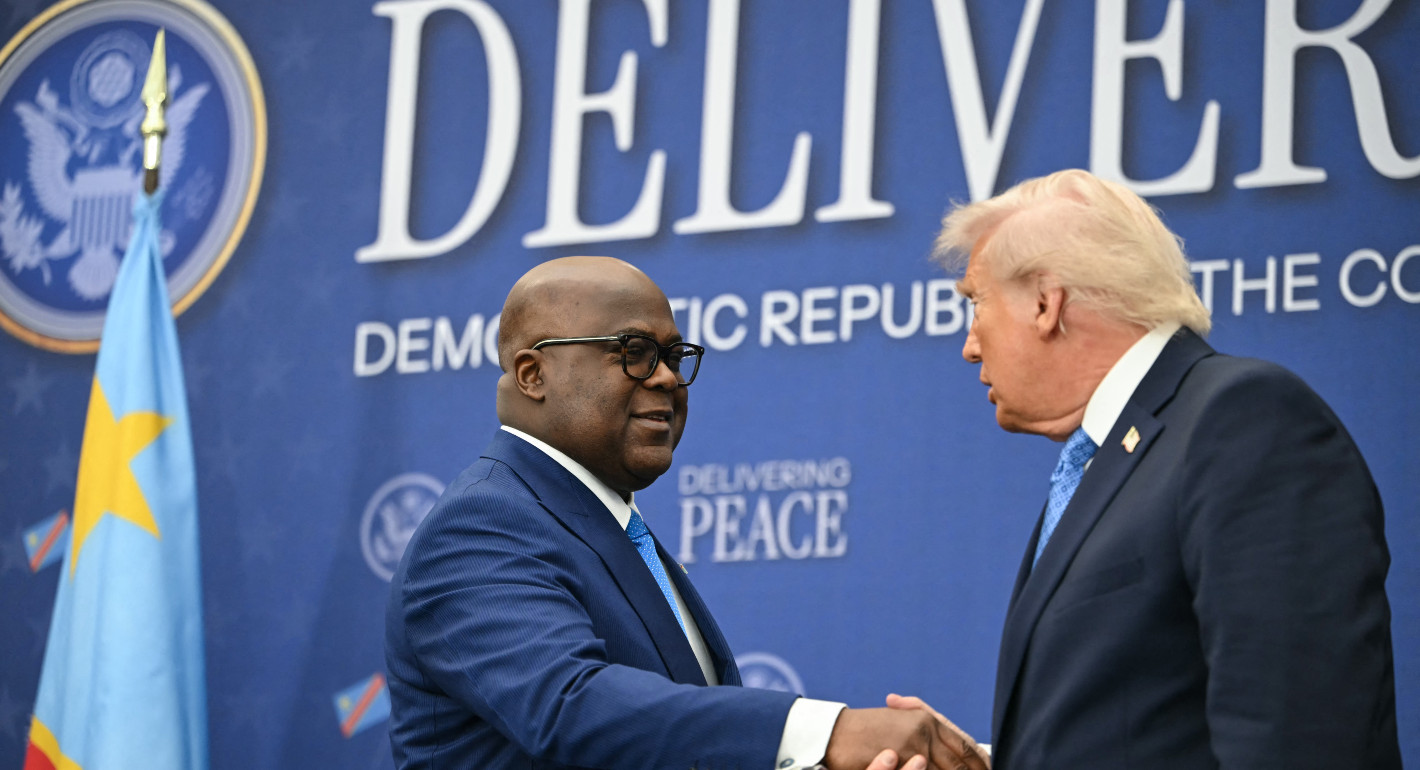
President Tshisekedi is implicating Washington in his pursuit of a third term. Staying silent may prove detrimental to the United States in the long run.
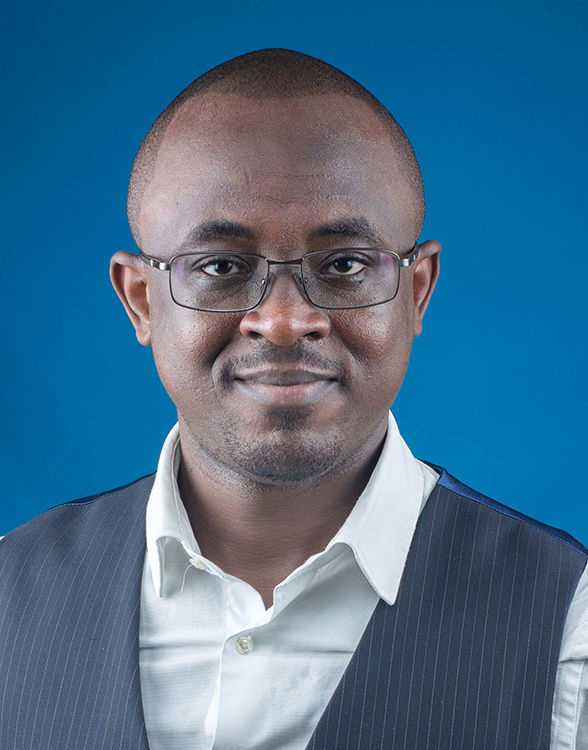
Christian-Géraud Neema
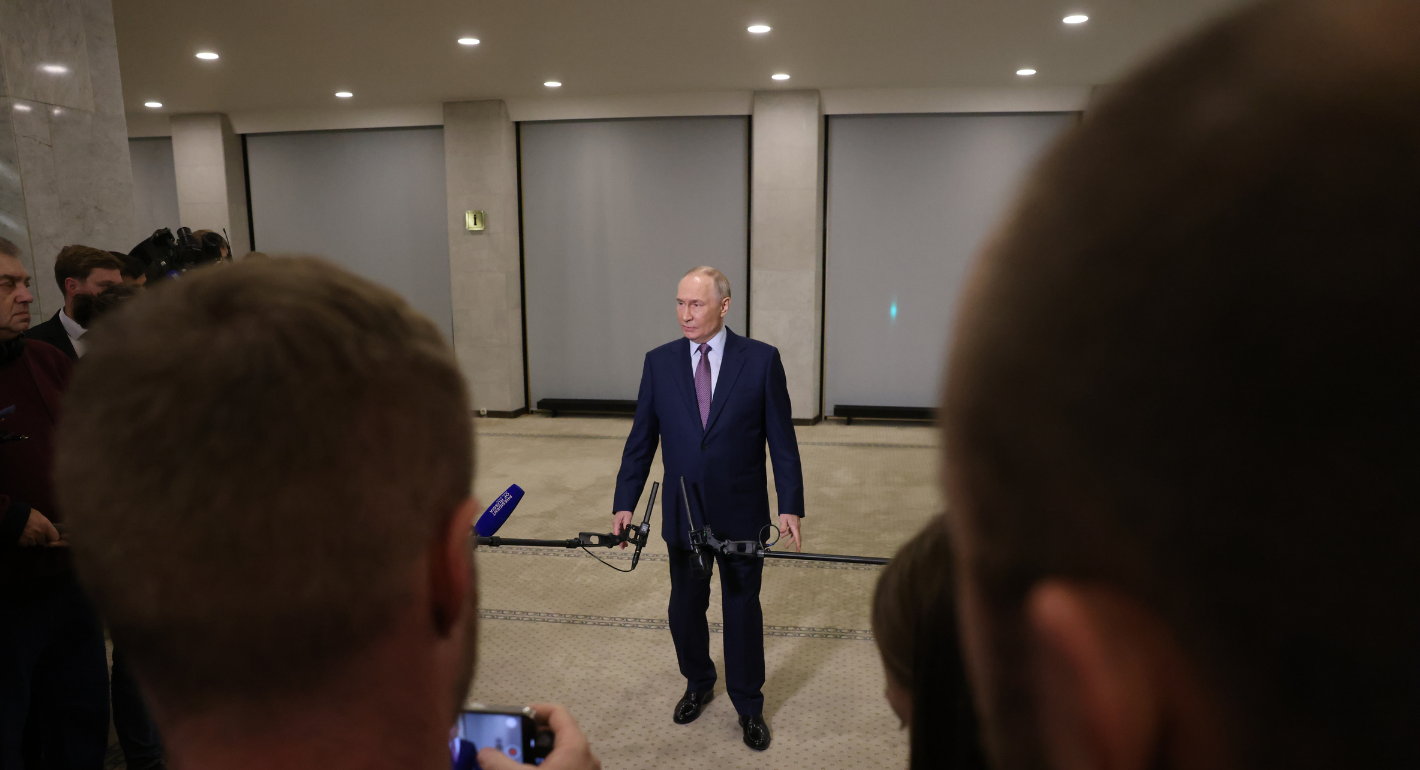
The EU had to compromise to adopt a twenty-first sanctions package against Russia, exposing growing cracks in the union’s resolve. Is this latest, weaker round worth it to keep pressure on Moscow?

Rym Momtaz, ed.
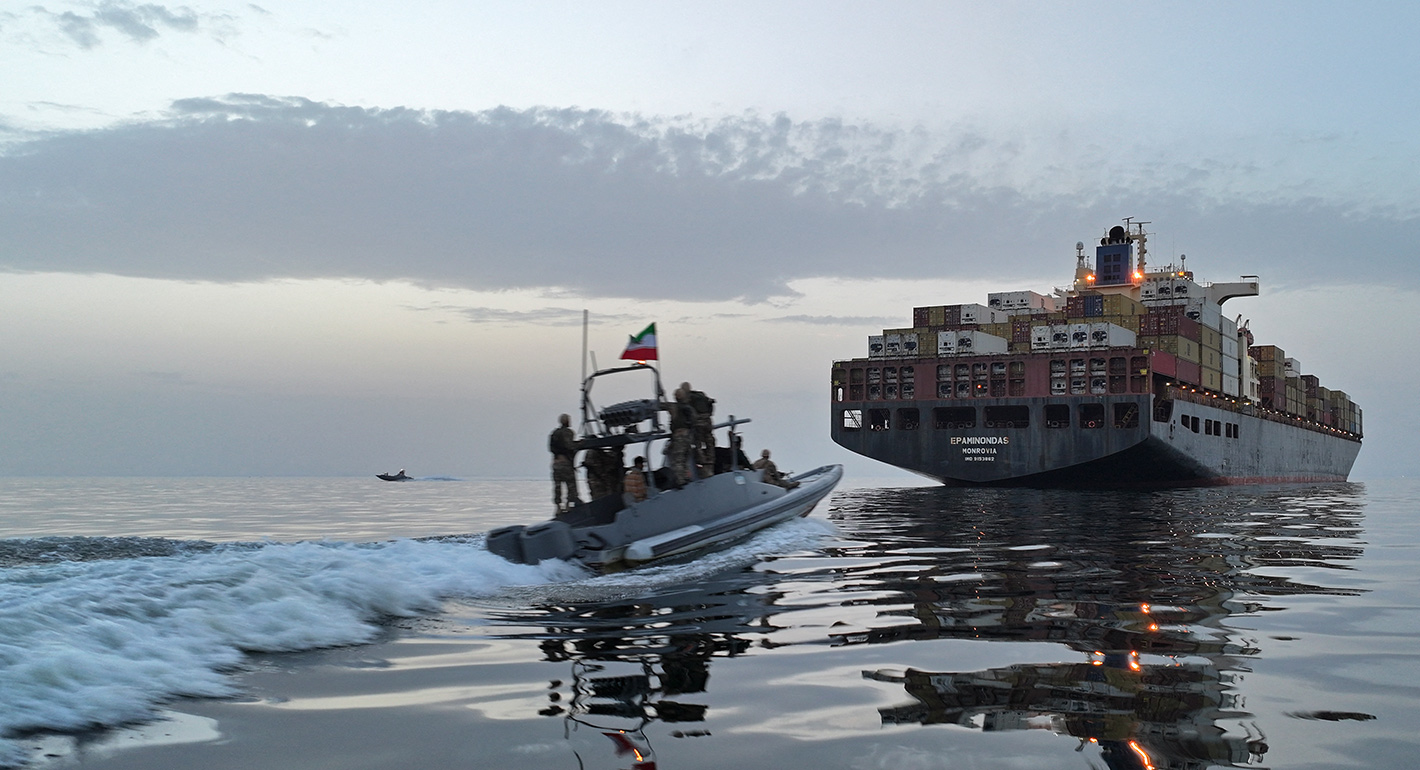
Potential Strait of Hormuz transit “fees” and Iran’s renminbi use are bringing attention to Beijing’s push to become a “financial power,” particularly in energy markets. Underdeveloped aspects of China’s financial system and its dollar dependencies still constrain the renminbi’s geoeconomic significance, but recent events may spur policy shifts aimed at changing these dynamics.
Robert Greene

Two divergent trends—Putin’s hardline vision of how to prosecute the war in Ukraine, and a growing desire for change in Russia—could tear the regime apart.

Tatiana Stanovaya