

Article
To carry out its global AI agenda, Washington will need strategic relationships with emerging markets in Africa, starting with Kenya.
Jane Munga
{
  "authors": [
    "James F. Collins",
    "Michael Sfraga",
    "Ross Virginia",
    "Kenneth S. Yalowitz"
  ],
  "type": "other",
  "centerAffiliationAll": "dc",
  "centers": [
    "Carnegie Endowment for International Peace"
  ],
  "collections": [],
  "englishNewsletterAll": "ctw",
  "nonEnglishNewsletterAll": "",
  "primaryCenter": "Carnegie Endowment for International Peace",
  "programAffiliation": "russia",
  "programs": [
    "Russia and Eurasia"
  ],
  "projects": [],
  "regions": [
    "North America",
    "United States",
    "Russia"
  ],
  "topics": [
    "Economy",
    "Trade",
    "Climate Change",
    "Foreign Policy"
  ]
}
Source: Getty
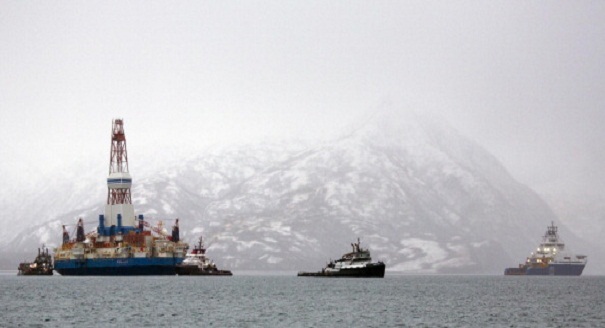
Climate change is making it increasingly likely that the Arctic will be developed for commercial purposes. This underscores the need for the Arctic countries to cooperate to prevent conflict and to defend the interests of the indigenous populations living in the region.
Source: Conference Report and Recommendations to the Arctic Council and Interested Parties
The Arctic is a region where North America, Europe, and Russia, working with indigenous peoples and interested non-Arctic states, have taken initial steps to make the Arctic a zone of peace, cooperation and stable, sustainable development. The Arctic Council remains the primary structure for Arctic-wide governance and policy formulation. Key to achieving greater and more effective cooperation is now to build, strengthen and sustain greater involvement of interested non-Arctic states, indigenous peoples organizations, public/private partnerships, and industries active in the Arctic. The Arctic has become a venue that demonstrates the advantages and benefits to be derived from inclusive cooperation among Russia, Western Europe’s Arctic states, and North America.Because of the accelerating pace of global warming and rapidly receding sea ice, linked with accelerating economic and social change in the region, Arctic states and a growing number of non-Arctic states and organizations are showing increased interest in and attention to a growing range of northern policy issues. These stakeholders recognize that Arctic environmental and security challenges affect all of them and require cooperation at multiple levels. The Arctic coastal states are pursuing claims for extending their territorial shelf and are acting to delineate and protect their borders. Differences are being adjudicated under the procedures of the U.N. Convention on the Law of the Sea (UNCLOS) and through diplomatic channels. Cooperation is the norm.
The prospects for resolving issues in the region by military force are presently slight; on the contrary, Arctic nations today accept that cooperation represents the most effective and efficient means to build sustainable, mutual security in the Arctic on issues such as oil spill preparedness and prevention; environmental pollution and food security; shipping regulation and maritime safety, especially cruise ship operations; threats to individual and community health and the cultural well-being of indigenous peoples; and natural disasters. The Arctic Council should strengthen this trend by encouraging cooperation between the respective militaries and coast guards in areas such as search and rescue and emergency-response joint training exercises; development of a common operating picture to increase situational awareness in the Arctic; and establishment of an Arctic Maritime Forum to share maritime information to further stability and shipping safety.
The Arctic is rich in energy and other natural resources, which are becoming more accessible with warming conditions and eventually will be developed. But access and development will be expensive, and world prices will be a major factor in determining the pace of energy development. The sharp increase in the world supply of gas is already producing uncertainty for some Arctic energy development projects. Arctic shipping is increasing as seasonal sea ice declines, but will remain largely destinational for the transport of Arctic energy and mineral resources. Economic considerations stemming from difficult sea ice conditions and the unpredictability of shipping schedules under Arctic conditions will severely limit the growth of trans-Arctic container shipping.
Arctic governance as provided by the Arctic Council, including its rotating chairmanship, working groups, the Permanent Participants (indigenous peoples’ organizations) and a newly established permanent secretariat, has proven sufficiently flexible to handle effectively an evolving agenda of Arctic issues. The Arctic Council serves as a valuable forum for the Arctic states, which themselves primarily define the norms and rules of the Arctic governance regime. There would be little if any benefit to Arctic governance in making the Council a formal international organization at this time, nor is there a perceived need for a new, comprehensive Arctic treaty.
Arctic Council member states, Permanent Participants, and observers should, however, continue to strengthen Council structures and improve outreach to increase international awareness of the importance of the Arctic region to global security and environment.
Nonresident Senior Fellow, Russia and Eurasia Program; Diplomat in Residence
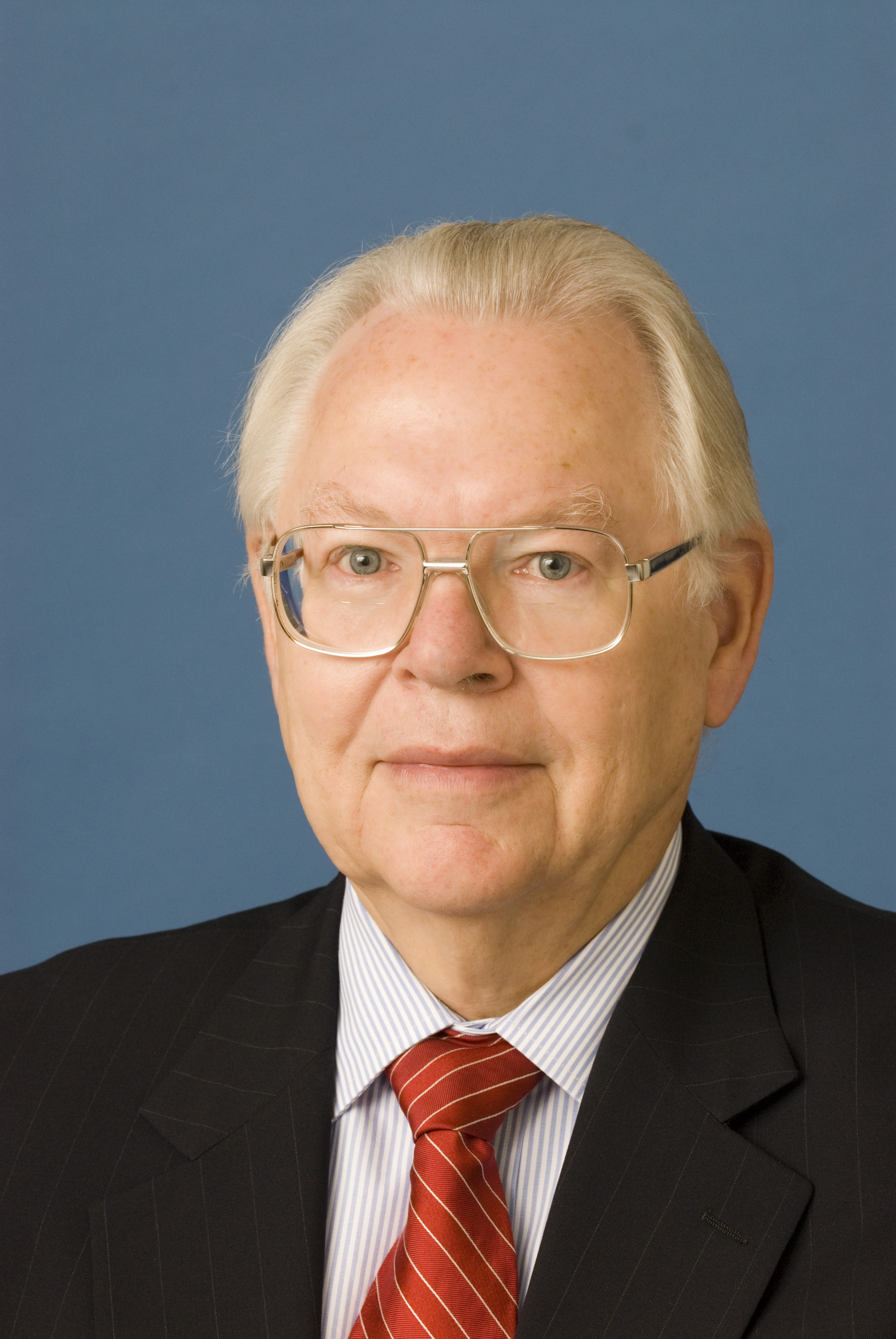
Ambassador Collins was the U.S. ambassador to the Russian Federation from 1997 to 2001 and is an expert on the former Soviet Union, its successor states, and the Middle East.
Michael Sfraga
Sfraga currently serves as vice chancellor for university and student advancement and is professor of arctic policy in the School of Natural Resources and Extension.
Ross Virginia
Institute of Arctic Studies
Ross Virginia is the director of the Institute of Arctic Studies. He is a distinguished co-lead scholar of the Fulbright Arctic Initiative.
Kenneth S. Yalowitz
Dartmouth College
Carnegie does not take institutional positions on public policy issues; the views represented herein are those of the author(s) and do not necessarily reflect the views of Carnegie, its staff, or its trustees.
To carry out its global AI agenda, Washington will need strategic relationships with emerging markets in Africa, starting with Kenya.

Jane Munga
Europe’s industrial supply chains leave it vulnerable to global shocks. The EU needs a pragmatic green industrial strategy that balances durable partnerships and bolsters homegrown clean tech without sacrificing low-carbon ambition.


Milo McBride, Pauline Gerard

Defense tech innovations will be at the heart of Europe’s new security strategy. But so far, Brussels has been making moves without a broader plan, undermining readiness and credibility.

Raluca Csernatoni
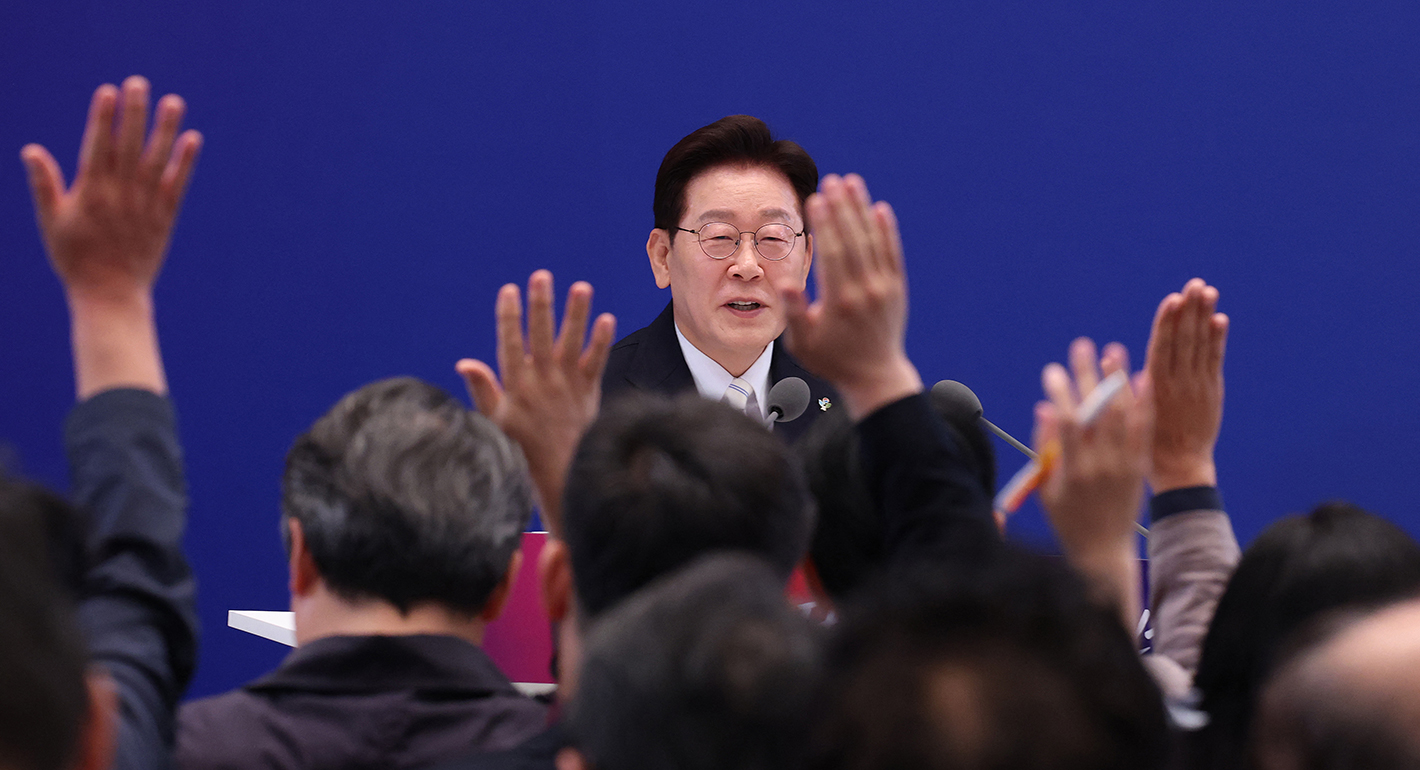
President Lee marked his first year in office after one of the most tumultuous periods in South Korean politics. Though Lee has enjoyed a high approval rating, a large majority in the National Assembly, and foreign policy victories, Lee and his party’s political fortunes depend on generating economic growth, learning the right lessons from the recent local elections, and managing contentious factional strife within his political base.

Chung Min Lee
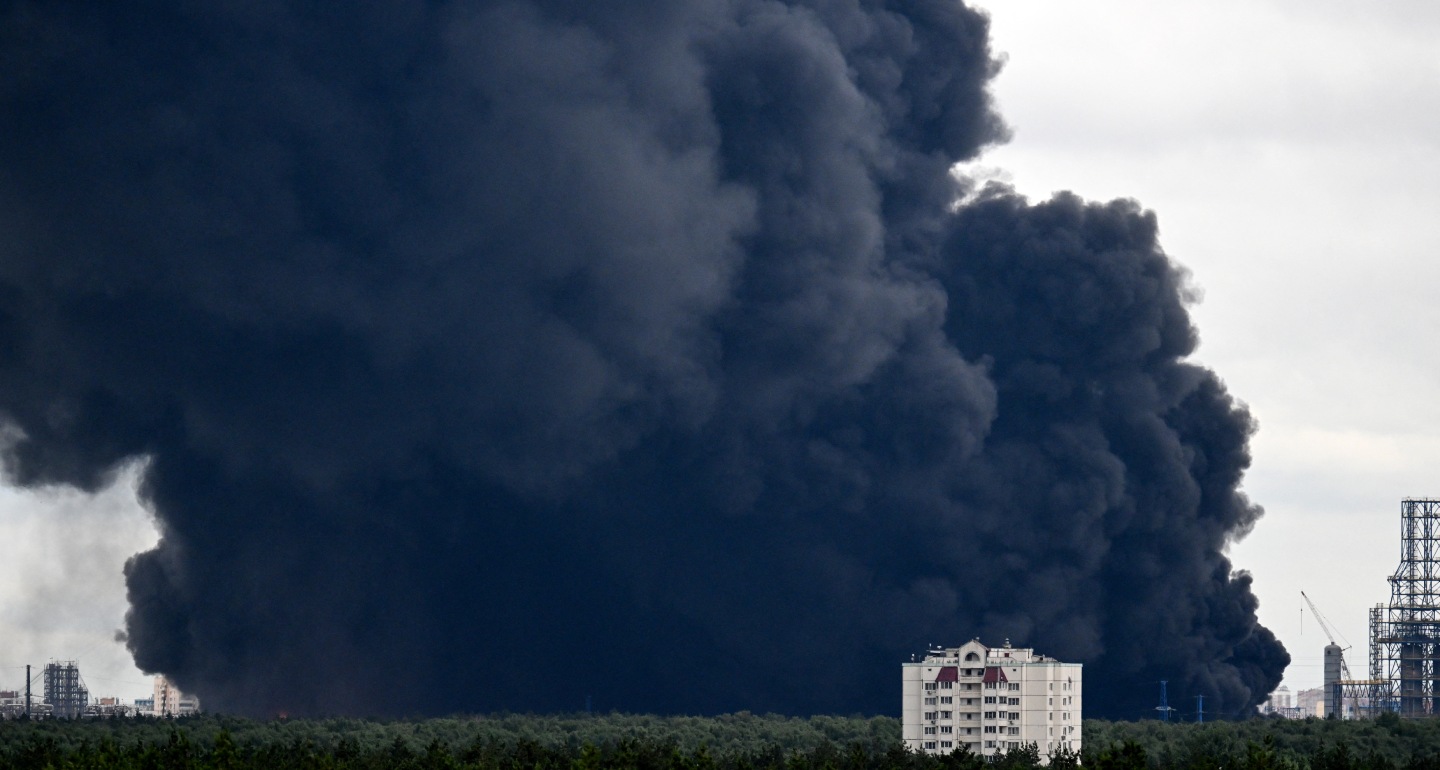
If it proves impossible for the Russian authorities to avoid a gasoline deficit, the question then becomes how they will organize the distribution of a scarce resource.

Sergey Vakulenko