

Article
Thomas de Waal
{
  "authors": [
    "Thomas de Waal"
  ],
  "type": "commentary",
  "centerAffiliationAll": "",
  "centers": [
    "Carnegie Endowment for International Peace",
    "Carnegie Europe",
    "Carnegie Russia Eurasia Center"
  ],
  "collections": [],
  "englishNewsletterAll": "",
  "nonEnglishNewsletterAll": "",
  "primaryCenter": "Carnegie Europe",
  "programAffiliation": "",
  "programs": [],
  "projects": [],
  "regions": [
    "Caucasus",
    "Russia",
    "Armenia",
    "Western Europe"
  ],
  "topics": [
    "Economy",
    "Foreign Policy"
  ]
}
Source: Getty
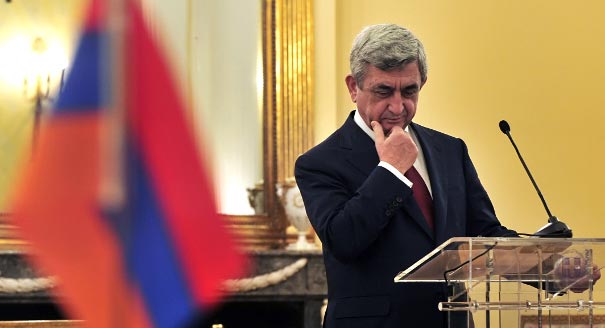
The administration of Armenian President Serzh Sargsyan embraced a Russian takeover of the nation’s economy that left political control in Armenian hands. As Sargsyan began to have second thoughts about this bargain, he found himself short of options.
The announcement came quite suddenly. Armenian President Serzh Sargsyan was going on a brief visit to Moscow.
Everyone knew there was only one item on the agenda: Vladimir Putin’s invitation to Armenia to join his Eurasian Union project. And, late in the day, we got the confirmation that this was an offer Sargsyan could not refuse. He duly declared that Armenia would be joining the Union.
As soon as the announcement was made, I followed a trail of agony and unhappiness from Armenians on Facebook who had been praying for things to turn out differently.
Could they? It has certainly been a long hot summer for the Armenian leadership. The pace of talks with the European Union accelerated ahead of the Eastern Partnership meeting in Vilnius this November. The Armenians were told that they could initial an Association Agreement, but also that, if they wanted, to pursue an EU Deep and Comprehensive Free Trade Area, that would preclude them from joining the Customs Union—in the first place, because the tariff levels would be incompatible.
The Russian response was direct. They released the news of a massive sale of offensive weapons to Armenia’s adversary, Azerbaijan. Putin made a blitz visit to Baku, bringing a dozen senior officials with him.
Armenian officials admit it was all about security, that they could not afford to alienate their only major military ally who could undermine them in the blink of an eye. In Moscow, Sargsyan stated, “I have repeatedly said before that when you are part of one system of military security it is impossible and ineffective to isolate yourself from a corresponding economic space.”
Sargsyan also emphasized that the decision did not amount to a rejection of the EU. It is true that the political parts of the Association Agreement can still be agreed on in Vilnius, but the economic integration project is now surely doomed.
Some in the Armenian government complain that the EU did not give them room for maneuver, and it is true that the Brussels bureaucracy is a clunky machine that does not do diplomacy well. But you can also see this as a car crash in slow motion over several years. Both the administration of Sargsyan, and Robert Kocharyan before them, embraced a Russian take-over of the economy, which left them political control and did not expose them to European-style competition. As Sargsyan began (tentatively) to have second thoughts about this bargain, he found himself badly short of options.
As for the Russians, they have played this game very cleverly. Armenia, of course, is not the main target—Ukraine is. Now the pressure on Kiev gets even greater.

Senior Fellow, Carnegie Europe
Thomas de Waal is a senior fellow at Carnegie Europe, specializing in Eastern Europe and the Caucasus.
Recent Work
Thomas de Waal
Thomas de Waal
Carnegie does not take institutional positions on public policy issues; the views represented herein are those of the author(s) and do not necessarily reflect the views of Carnegie, its staff, or its trustees.
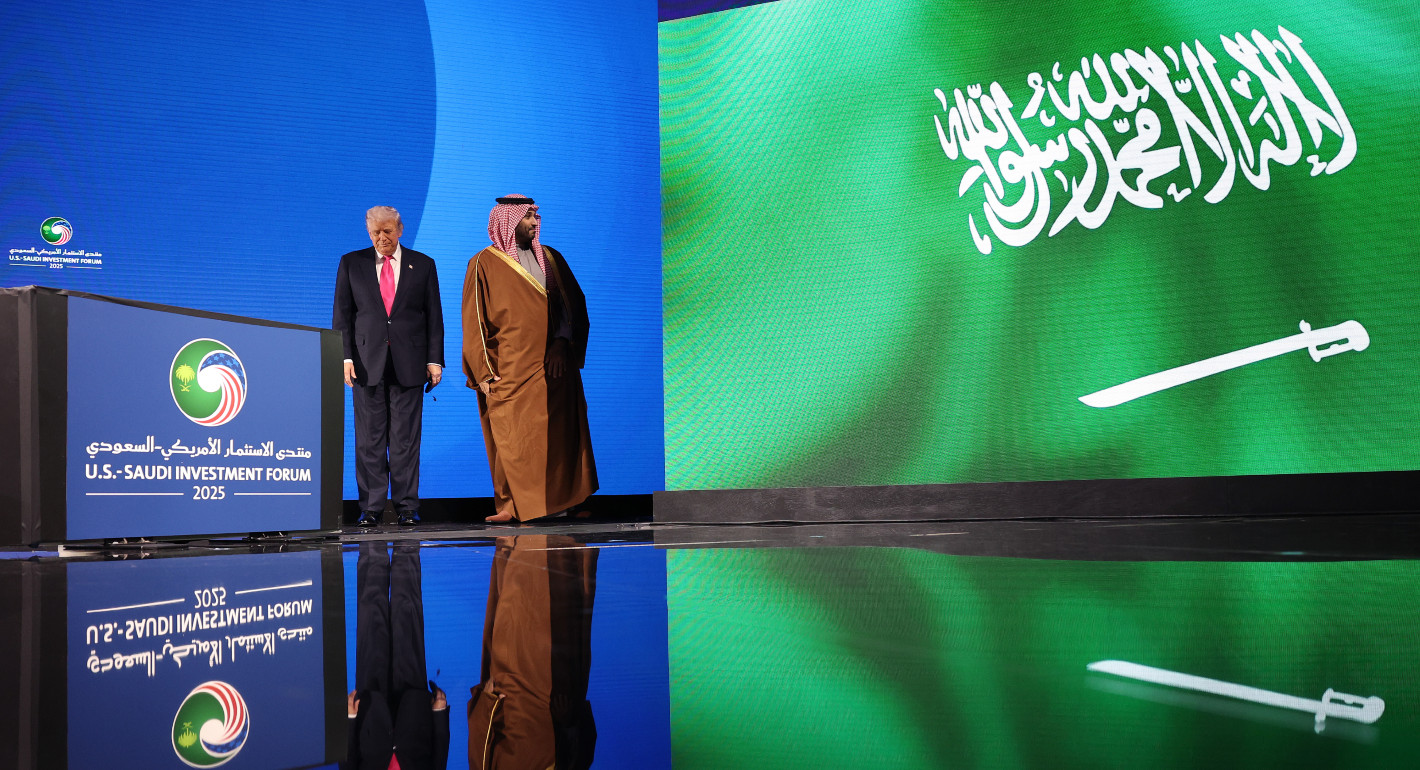
Congress should ask tough questions about the agreement’s more unique features and whether they advance U.S. interests or compromise them.

Jane Darby Menton

While France and Australia are seeking to establish the legal obligations of messaging apps like Telegram, Russia wants total subordination.

Maria Kolomychenko
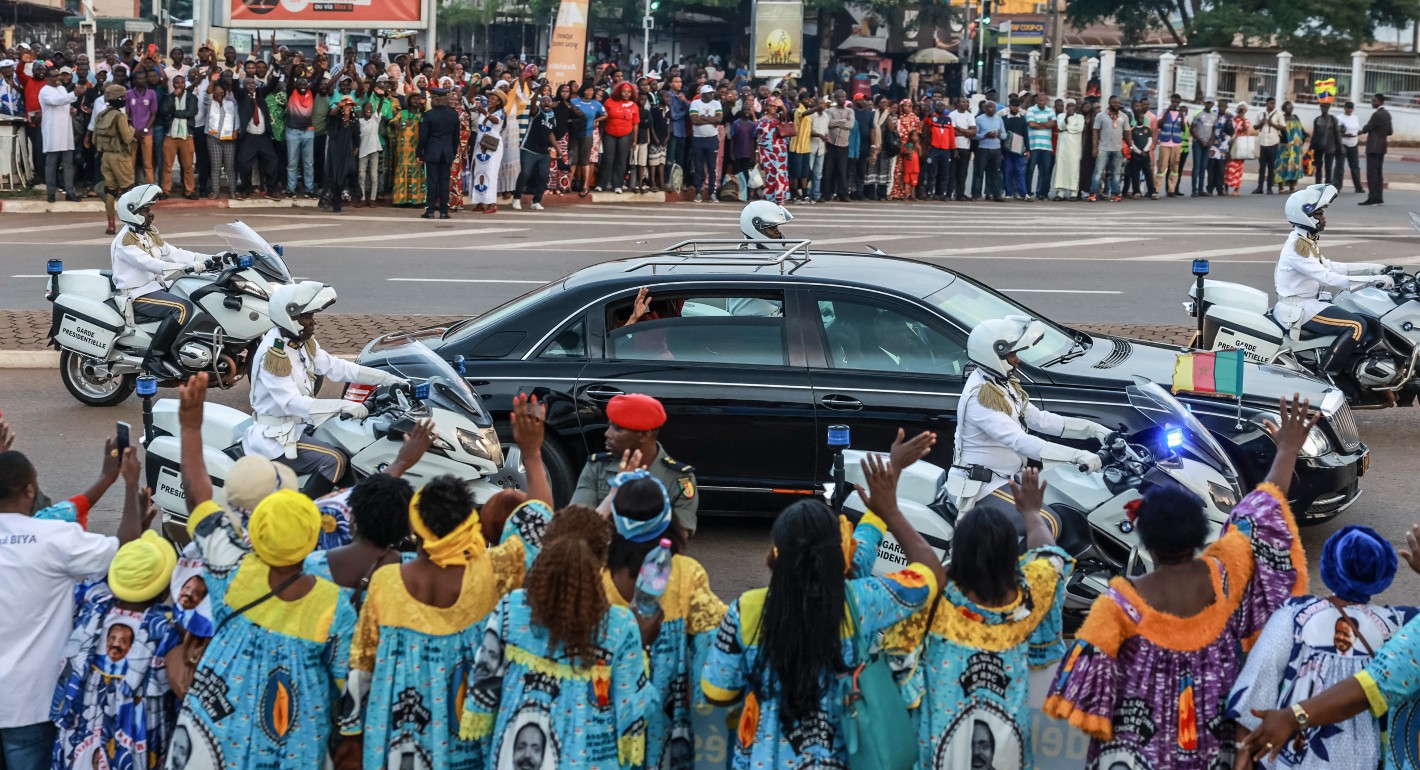
The ninety-three-year-old Biya’s absence and refusal to name a vice president threaten to upend domestic and regional stability.

Lesley Anne Warner
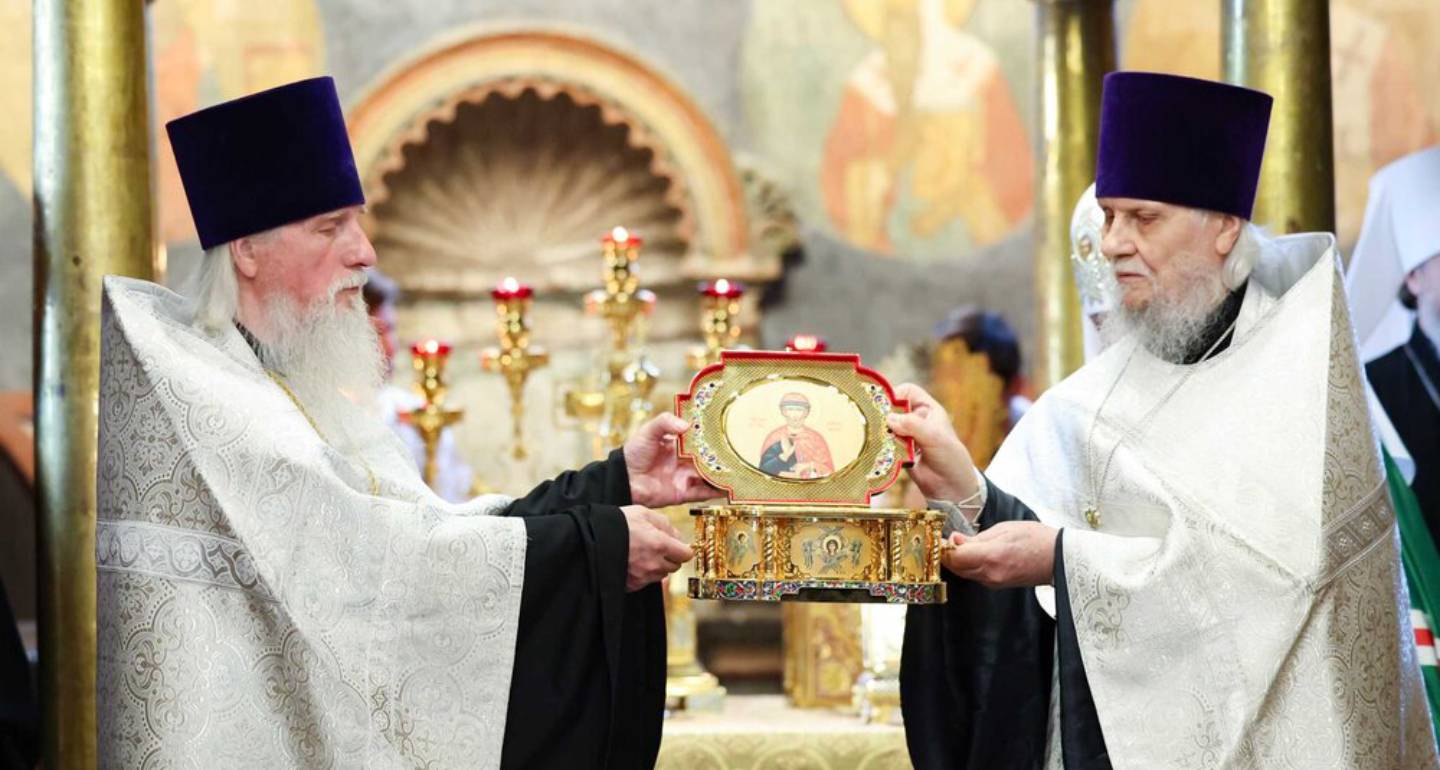
The recent uncovering of Dmitry Donskoy’s relics in the Cathedral of the Archangel is yet another attempt by the Russian Orthodox Church to help the state solve its problems. However, parroting the state’s version of Russian history leaves the Church with no message except “patriotism.”
Alexander Zanemonets

With the growth in points of friction between the great powers, organizations like the SCO will continue to play a role in the strategic adaptation of the smaller powers caught between them.

Temur Umarov