

Commentary
Alexey Malashenko
{
  "authors": [
    "Alexey Malashenko"
  ],
  "type": "commentary",
  "centerAffiliationAll": "",
  "centers": [
    "Carnegie Endowment for International Peace",
    "Carnegie Russia Eurasia Center"
  ],
  "collections": [
    "Iranian Proliferation"
  ],
  "englishNewsletterAll": "",
  "nonEnglishNewsletterAll": "",
  "primaryCenter": "Carnegie Russia Eurasia Center",
  "programAffiliation": "",
  "programs": [],
  "projects": [
    "Eurasia in Transition"
  ],
  "regions": [
    "North America",
    "United States",
    "Middle East",
    "Iran",
    "Israel",
    "Syria"
  ],
  "topics": [
    "Foreign Policy",
    "Nuclear Policy"
  ]
}
Source: Getty
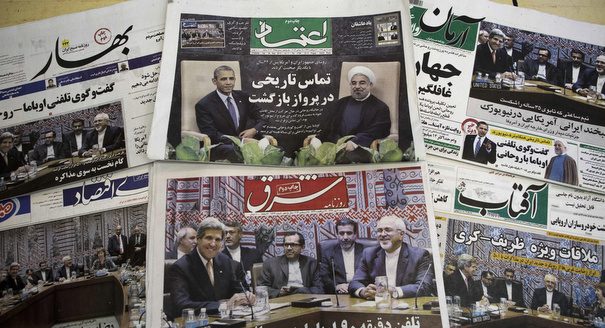
The improvement in the U.S.-Iran relations was quite expected after Hassan Rowhani came to power. The main question today is that of mutual confidence and the genuineness of the intentions of the new Iranian president.
The improvement in the U.S.-Iran relations, particularly on the issue of negotiations about Iran’s nuclear program, was quite expected after Hassan Rowhani came to power. The main question today is that of mutual confidence and the genuineness of the intentions of the new Iranian president. It appears that Rowhani is indeed trying to break out of the deadlock in the negotiation process, which his predecessor Mahmoud Ahmadinejad had created. Rowhani has some experience conducting negotiations on the nuclear issue, and this experience for the most part is rather positive. The economic difficulties Iran is facing as a result of the sanctions that were imposed on it prod Rowhani toward improving his country’s relations with the United States. He hopes to ease the burden of the sanctions by promising to make the nuclear program transparent.
The improvement in the relations between the two countries on the nuclear issue may also contribute to the search of a compromise in the Syrian crisis. Obviously, one should not expect immediate changes on this matter yet, but it becomes quite likely that the Teheran delegation will take part in Geneva-2 negotiations, which Americans had objected to.
The “reset” in the U.S.–Iran relations irritates Israel, which sees the shift in the Iranian position as a mere ploy—a tactical move that would allow Iran to relieve the pressure from the West and buy time for an accelerated development of the military component of its nuclear program. Israel is equally distrustful of Rowhani’s recognition of the Holocaust (publically denied by his predecessor).
The prospects of further normalization of the U.S.-Iran relations remove from the agenda (or postpone) the possibility of a military strike against the Iranian nuclear installations. It can also affect the U.S. relations with the Persian Gulf monarchies, although it is still too early to tell in what way.
Finally, all of this may devaluate the Russia-Iran ties, especially the intermediary role that Moscow has always tried to play in the relations between the West and Iran.
Former Scholar in Residence, Religion, Society, and Security Program
Malashenko is a former chair of the Carnegie Moscow Center’s Religion, Society, and Security Program.
Recent Work
Alexey Malashenko
Alexey Malashenko
Carnegie does not take institutional positions on public policy issues; the views represented herein are those of the author(s) and do not necessarily reflect the views of Carnegie, its staff, or its trustees.
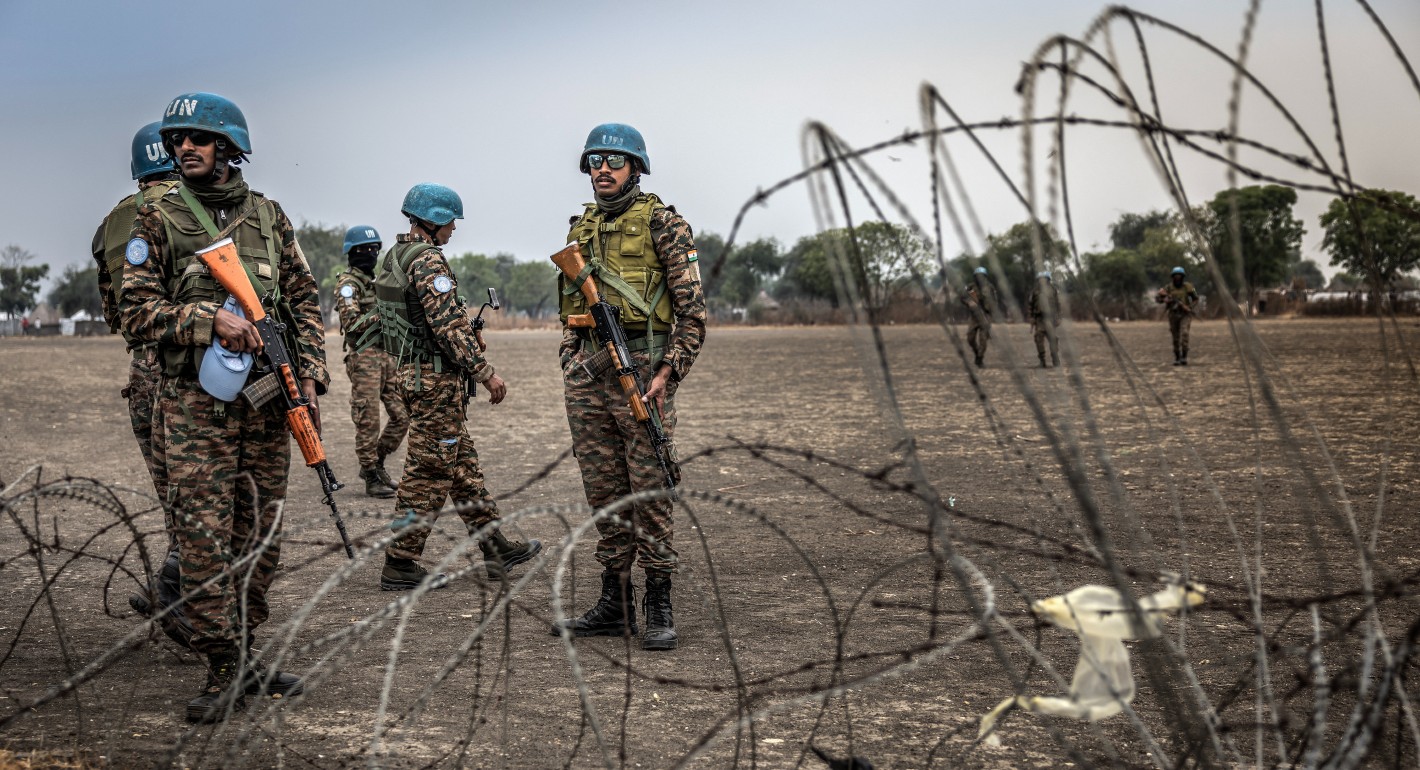
Washington’s decision to support some UN functions while letting others wither is pulling the organization apart at the seams.

Stewart Patrick, Theodore Zaritsky
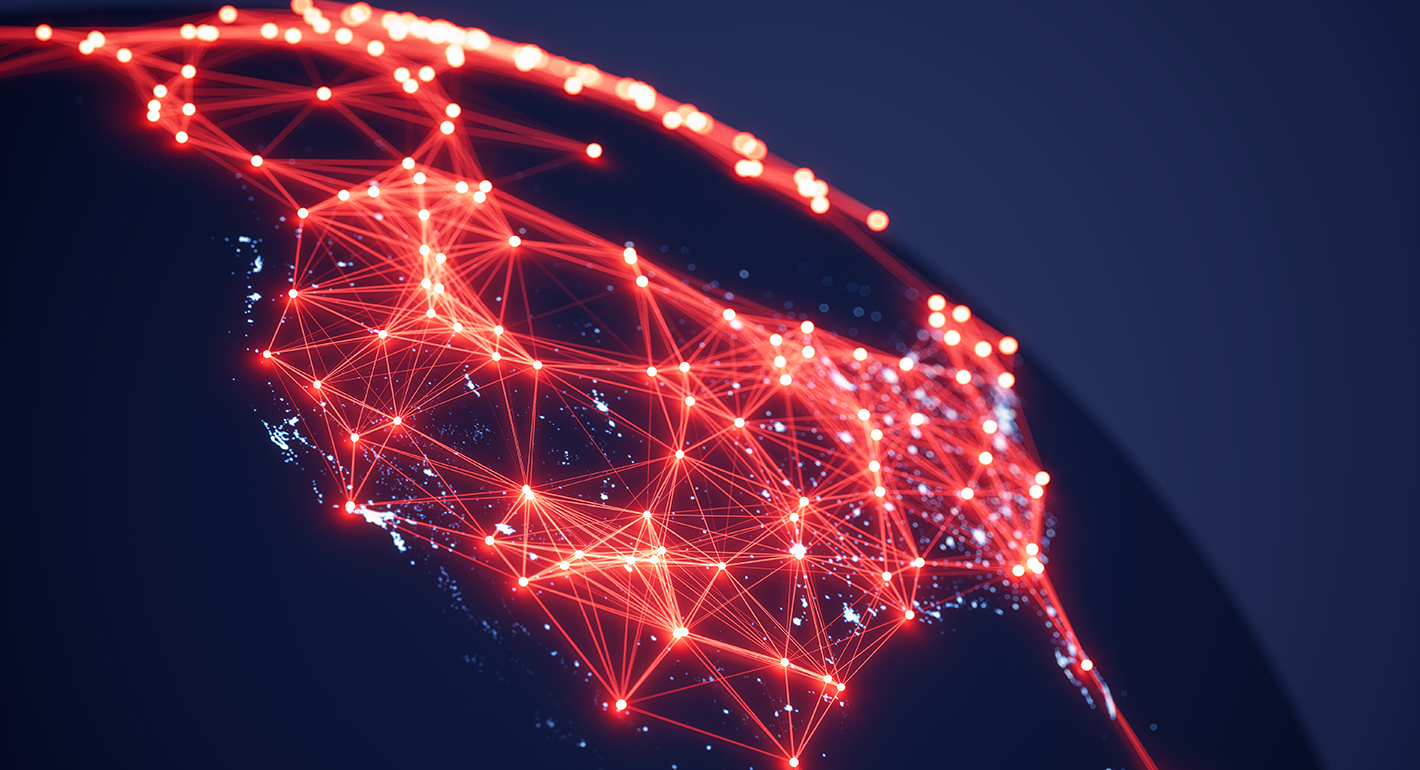
While there are notable demographic, economic, and geographic divides over AI, there is also substantial alignment between Republicans and Democrats.


Ian Klaus, Mark Baldassare, Rachel George, …

Are Germany’s economic, industrial, and political struggles becoming a liability for the EU’s ability to rise to the geopolitical moment?

Rym Momtaz, ed.

China’s police training infrastructure construction projects provide benefits to recipient countries, promote China’s image as a major global security provider, and are likely to reinforce alignment between Beijing’s security priorities and those of countries in the Global South.


Cameron Waltz, Sheena Chestnut Greitens, Kim Nguyen, …
AI capabilities are moving fast. Most institutions—including governments—can’t keep up.


Anton Leicht, Scott Singer