

In The Media
John Judis
{
  "authors": [
    "John Judis"
  ],
  "type": "legacyinthemedia",
  "centerAffiliationAll": "",
  "centers": [
    "Carnegie Endowment for International Peace"
  ],
  "collections": [
    "Iranian Proliferation"
  ],
  "englishNewsletterAll": "",
  "nonEnglishNewsletterAll": "",
  "primaryCenter": "Carnegie Endowment for International Peace",
  "programAffiliation": "",
  "programs": [],
  "projects": [],
  "regions": [
    "North America",
    "United States",
    "Middle East",
    "Iran"
  ],
  "topics": [
    "Political Reform",
    "Security",
    "Military",
    "Foreign Policy",
    "Nuclear Policy",
    "Arms Control"
  ]
}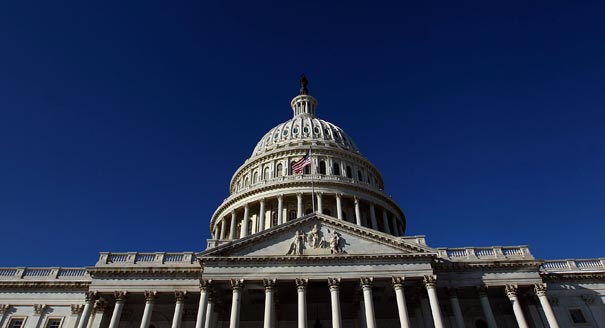
Source: Getty
As the debate over intervention in Syria demonstrated, the American public is not eager to go to war in the Middle East when the United States itself is not in danger.
Source: New Republic
I liked former New Republic writer Dana Milbank’s column this morning about how “Republicans mindlessly oppose Iran Nuclear Deal.” I liked it not just because it was witty, but because its prominence in the Washington Post—and its place when I woke up near the top of its list of the most popular stories—suggests that in this latest fracas over foreign policy, the conventional wisdom, as well as public opinion, is on the side of liberal internationalism rather than neo-conservative war-mongering. That this time it is the Bill Kristols and Ari Fleischers and Marco Rubios who are howling at the moon.
That’s especially important because in this case, there is an underlying truth—an emperor without any clothes, an elephant in the room—that no one in the administration or in the Republican opposition wants to openly acknowledge. It goes something like this: We all want Iran to abandon its quest for nuclear weapons, and we hope that through sanctions and negotiations, and the threat of war, we can achieve that result. But we Americans also know that if negotiations fail, then war may not be a real option. As the debate over intervention in Syria showed, the American public is not eager to go to war in the Middle East when the United States itself is not in danger. The Obama administration would have a hell of a time carrying out its threat. And even if it did, it would have a hell of a time achieving its objective of knocking out Iran’s nuclear capabilities.So the various politicians and pundits who called for upping the sanctions as the interim deal was being negotiated, and who now denounce the deal as being woefully inadequate are doing a particular disservice. On one level, they are calling for war, which is the only alternative if we don’t pursue diplomacy. But on another level—if you consider the political and strategic difficulty, in this case of war—they are calling for a shutdown of our foreign policy—for the kind of national embarrassment and blow to our global standing from which we were saved in Syria by the Russians. So three cheers for Dana Milbank and for the good sense of the American people and the old foreign policy establishment of the Scowcrofts, Albrights, and Brzezinskis.

Former Visiting Scholar
As a visiting scholar at Carnegie, Judis wrote The Folly of Empire: What George W. Bush Could Learn from Theodore Roosevelt and Woodrow Wilson.
Recent Work
John Judis
John Judis
Carnegie does not take institutional positions on public policy issues; the views represented herein are those of the author(s) and do not necessarily reflect the views of Carnegie, its staff, or its trustees.

China’s political future will be shaped between now and next October. As the Communist Party enters its intense “campaign season” to prepare for a major political transition in 2027, reading Beijing's actions and responses may become more difficult as domestic politics weigh on its behavior more than usual.

Damien Ma

The EU can impose sanctions but struggles to enforce them without the United States. With Washington increasingly disinterested in backing European interests, the bloc must now fend for itself.


Nicu Popescu, Tiago Antunes
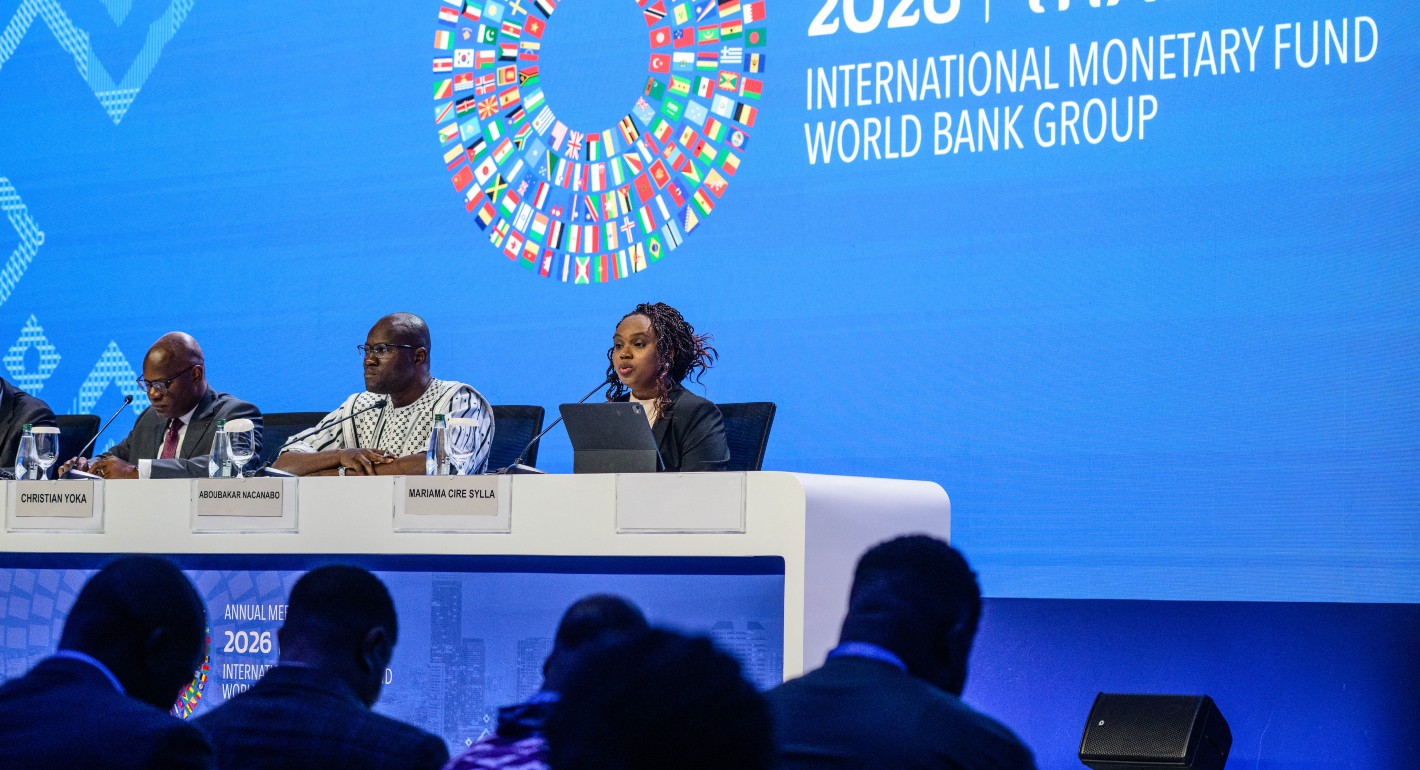
Global and rising powers will need to engage with Africa’s priorities and agency in order to secure the continent’s increasingly attractive partnerships.
Fonteh Akum

Rubio’s recent visit brought welcome attention, but more capital requires governance changes that may be a hard sell for regional governments.

Jennifer B. Murtazashvili

America’s foreign-policy objectives have grown more demanding while Americans have demanded greater focus on their own affairs.

Stephen Wertheim