

Commentary
Neither the Abraham Accords nor the presence of large U.S. bases are enough to protect Arab Gulf states.
Marwan Muasher
{
  "authors": [
    "Mikhail Krutikhin"
  ],
  "type": "commentary",
  "centerAffiliationAll": "",
  "centers": [
    "Carnegie Endowment for International Peace",
    "Carnegie Russia Eurasia Center"
  ],
  "collections": [
    "Iranian Proliferation"
  ],
  "englishNewsletterAll": "",
  "nonEnglishNewsletterAll": "",
  "primaryCenter": "Carnegie Russia Eurasia Center",
  "programAffiliation": "",
  "programs": [],
  "projects": [],
  "regions": [
    "Middle East",
    "Iran",
    "Russia"
  ],
  "topics": [
    "Economy",
    "Trade",
    "Climate Change",
    "Security",
    "Military",
    "Foreign Policy",
    "Nuclear Policy"
  ]
}
REQUIRED IMAGE
Russia’s unconfirmed intention to buy Iranian oil throws a monkey wrench in the sensitive mechanism of negotiating a gradual easing of the regime of economic sanctions against Tehran.
It would have appeared a regular trading contract in other circumstances. Gazprom already buys LNG from producers all over the world and resells it, with profit, making overall statistical records of Russian gas sales appear larger that the country’s real volume of natural gas exports. And the shape the Russian oil industry is in begs for a similar scheme: officials at the Ministry of Natural Resources in Moscow admit that crude oil production of Russia may start falling after 2016 and recoverable reserves can last for about 17 years. Reselling third parties’ oil could help Russia remain on the global oil market.
It is the identity of Russia’s proposed partner that makes the planned deal conspicuous. According to unidentified sources quoted by Reuters, Russia intends to buy 500,000 bpd of crude from Iran, boosting the Islamic Republic’s current production by 50 percent.
Even if the leak from Moscow is merely a bluff, it does throw a monkey wrench in the sensitive mechanism of negotiating a gradual easing of the regime of economic sanctions against Tehran. The Russians are apparently demonstrating they can play a more important role in the Middle East and need to be reckoned with.
The price of the contract is estimated at $1.5 billion a month at the current oil prices, and Russia is going to pay for the oil with some “goods.” The unknown “goods” are anther alarming signal to the international community. Moscow and Tehran have a long history of energy trade well before both countries suffered a dramatic change of regimes: the monarchy was overthrown in Iran in 1979 and the USSR fell apart in 1991.
In the late 1960s—early 1970s Iran supplied natural gas to the Soviet republics of Armenia and Azerbaijan and the payment came in the form of industrial projects (such as the steel plant in Isfahan), but also in many types of weaponry, from anti-aircraft machine guns and military trucks to 130-millimeter M-46 canons and floating PT-76 tanks.
Post-Soviet Russia has little to offer apart from weapons and—an uneasy assumption—nuclear technologies. It exports mostly raw stuff, dominated by oil and gas, and next to no hi-tech machinery. Fossil fuels account for 70 percent of exports.
The limited scope of articles available for payment could be a signal that the report of the new deal with Iran is little more than a political game-spoiler.
Mikhail Krutikhin is a partner at the independent RusEnergy consulting agency.
Mikhail Krutikhin
Carnegie does not take institutional positions on public policy issues; the views represented herein are those of the author(s) and do not necessarily reflect the views of Carnegie, its staff, or its trustees.
Neither the Abraham Accords nor the presence of large U.S. bases are enough to protect Arab Gulf states.

Marwan Muasher
Not only does the fighting jeopardize regional security, it undermines Russian attempts to promote alternatives to the Western-dominated world order.
Ruslan Suleymanov
The U.S.-sponsored TRIPP deal is driving the Armenia-Azerbaijan peace process forward. But foreign and domestic hurdles remain before connectivity and economic interdependence can open up the South Caucasus.


Thomas de Waal, Areg Kochinyan, Zaur Shiriyev
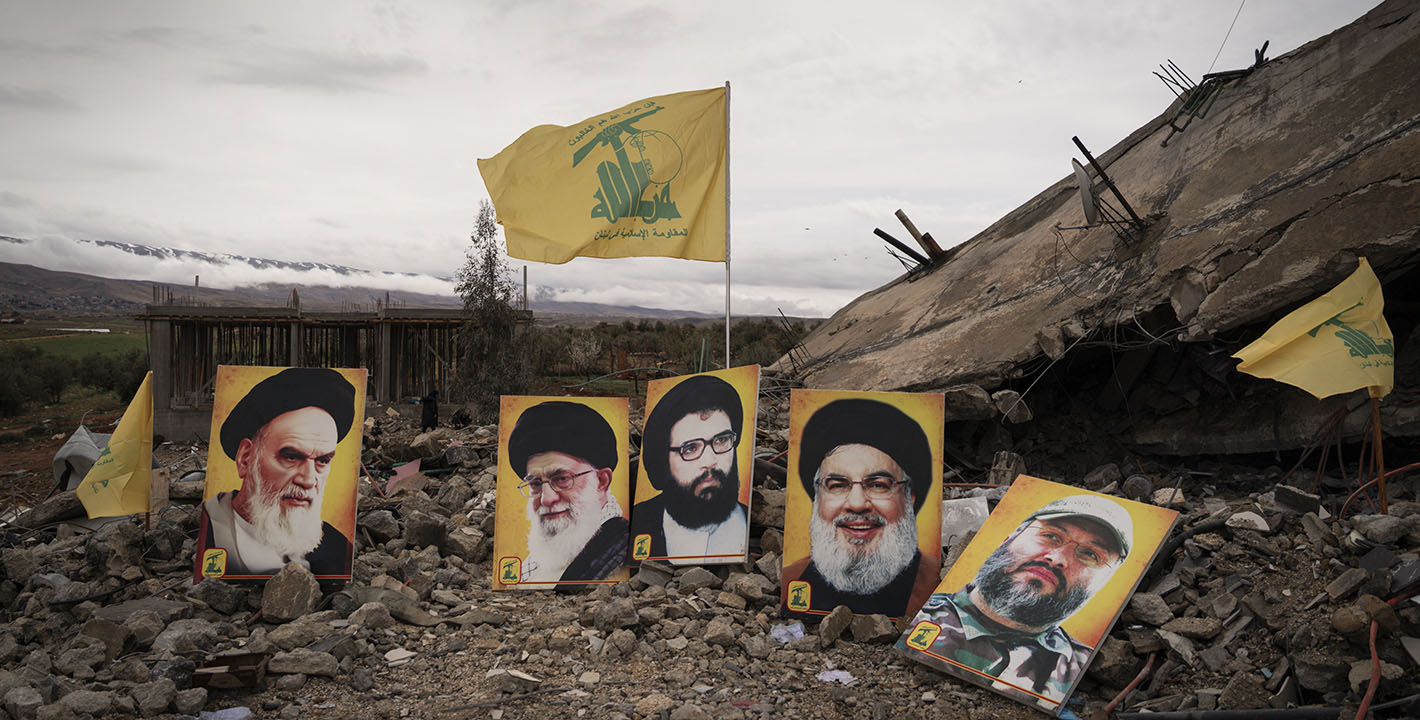
The party’s objectives involve tying together the Lebanese and Iranian fronts, while surviving militarily and politically at home.
Mohamad Fawaz
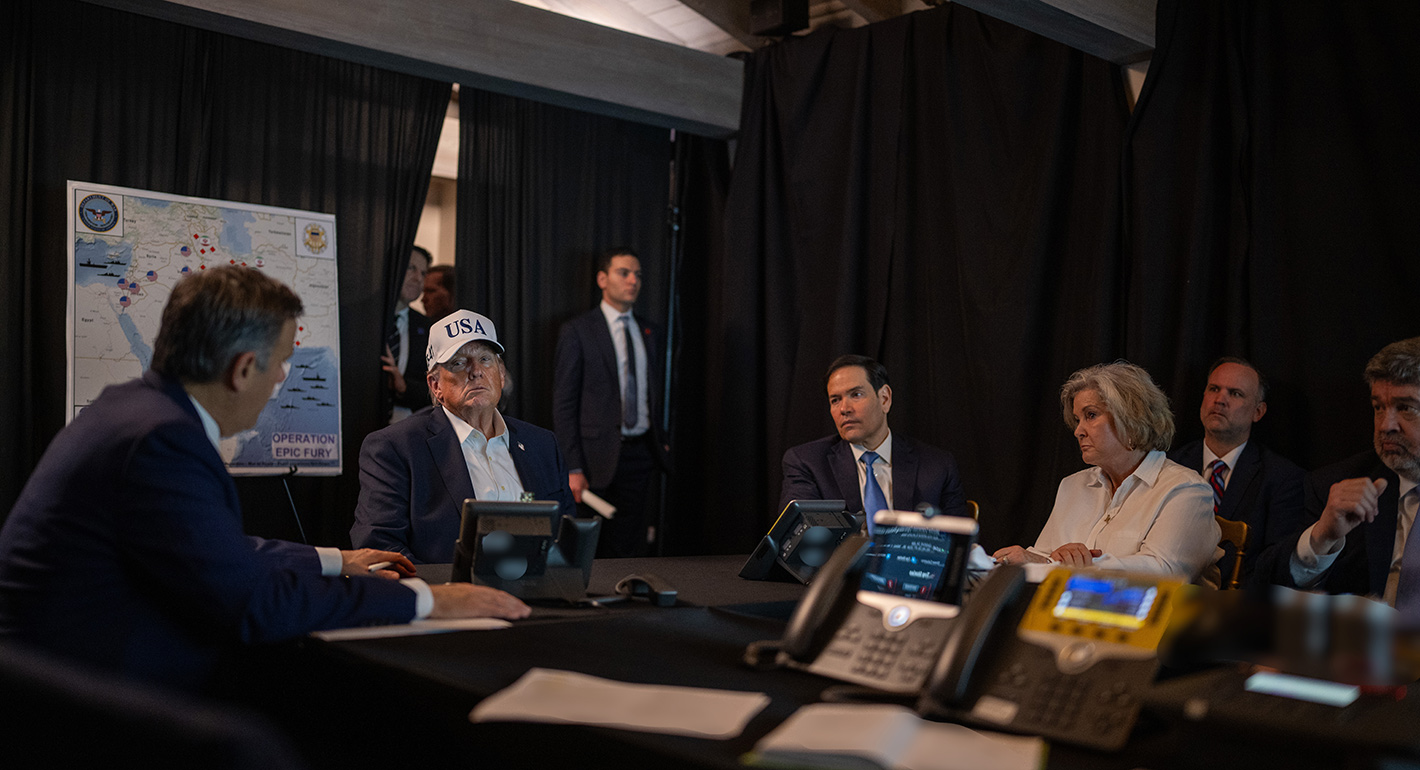
Assessing U.S. compliance with the international laws of war is essential at a time when these frameworks are already fraying.
Federica D’Alessandra