

Paper
Christopher S. Chivvis, Rohan Mukherjee, Milan Vaishnav
{
  "authors": [
    "Milan Vaishnav"
  ],
  "type": "legacyinthemedia",
  "centerAffiliationAll": "dc",
  "centers": [
    "Carnegie Endowment for International Peace"
  ],
  "collections": [],
  "englishNewsletterAll": "ctw",
  "nonEnglishNewsletterAll": "",
  "primaryCenter": "Carnegie Endowment for International Peace",
  "programAffiliation": "SAP",
  "programs": [
    "South Asia"
  ],
  "projects": [
    "India Decides 2014"
  ],
  "regions": [
    "South Asia",
    "India"
  ],
  "topics": [
    "Political Reform",
    "Economy"
  ]
}
Source: Getty
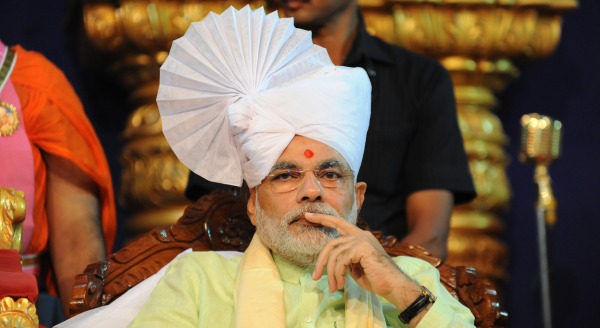
India is going to need to create a lot of jobs, and create a lot of economic growth, to satisfy its domestic needs.
Source: New Hampshire Public Radio
Home to a sixth of the world’s population and the third largest economy, India is certainly not a force to be ignored. With a GDP beyond the size of Japan’s, and a population getting close to China’s. At this magnitude, India’s economic problems are on a huge scale as well: a per capita income of two thousand dollars a year, a stubbornly sluggish growth rate, inflation almost at ten percent, and more than three hundred million people living in poverty. On the political front, there are challenges as well: tensions with India’s 13% Muslim population in an otherwise Hindu nation, and rising concern over violence against women. Now, all eyes are on new prime minister Narendra Modi to see which direction he’ll take the country, after his historic victory shook up India’s status quo.
Carnegie’s Milan Vaishnav and Matt Slaughter spoke with New Hampshire Public Radio’s Exchange about the challenges facing India and the new Modi government.
This interview was originally broadcast by New Hampshire Public Radio.

Director and Senior Fellow, South Asia Program
Milan Vaishnav is a senior fellow and director of the South Asia Program and the host of the Grand Tamasha podcast at the Carnegie Endowment for International Peace. His primary research focus is the political economy of India, and he examines issues such as corruption and governance, state capacity, federalism, and electoral behavior. He also conducts research on the Indian diaspora.
Recent Work
Christopher S. Chivvis, Rohan Mukherjee, Milan Vaishnav

Sophia Besch, Eric Ciaramella, Steve Feldstein, …
Carnegie does not take institutional positions on public policy issues; the views represented herein are those of the author(s) and do not necessarily reflect the views of Carnegie, its staff, or its trustees.

With the growth in points of friction between the great powers, organizations like the SCO will continue to play a role in the strategic adaptation of the smaller powers caught between them.

Temur Umarov
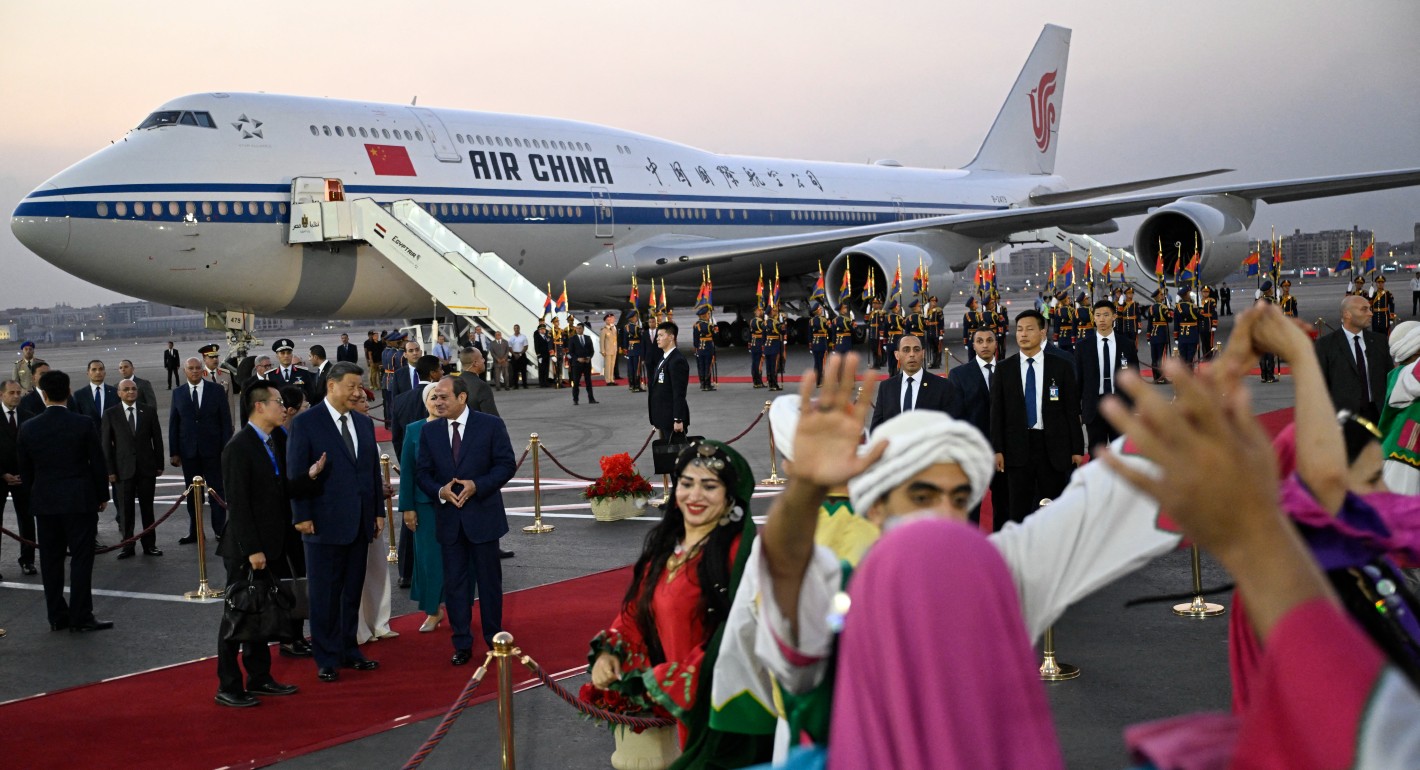
Amid celebrations of bilateral ties was a deeper focus on stability in the Middle East.

Amr Hamzawy

Xi, Putin, and other regional leaders are back-slapping in Bishkek, but the SCO has yet to answer the most serious questions about continental Asia's economic future.

Evan A. Feigenbaum

The greater threat to Zelensky comes not from Fedorov alone, but from the convergence between the former defense minister’s political campaign and the anti-corruption investigations moving ever closer to the presidential administration.

Balázs Jarábik

With his public call for new elections in Ukraine, ex-defense minister Mykhailo Fedorov has opened Pandora’s box.

Konstantin Skorkin