

Commentary
Ultimately, Zelensky sided neither with the reform camp nor with the military establishment as such, but with political control.
Balázs Jarábik
{
  "authors": [
    "Chrystia Freeland",
    "Michael McFaul",
    "John Mearsheimer",
    "Dmitri Trenin",
    "Roger Cohen"
  ],
  "type": "other",
  "centerAffiliationAll": "dc",
  "centers": [
    "Carnegie Endowment for International Peace",
    "Carnegie Russia Eurasia Center"
  ],
  "collections": [],
  "englishNewsletterAll": "ctw",
  "nonEnglishNewsletterAll": "",
  "primaryCenter": "Carnegie Russia Eurasia Center",
  "programAffiliation": "russia",
  "programs": [
    "Russia and Eurasia"
  ],
  "projects": [],
  "regions": [
    "North America",
    "United States",
    "Russia",
    "Eastern Europe",
    "Ukraine",
    "Western Europe"
  ],
  "topics": [
    "Security",
    "Foreign Policy",
    "Global Governance"
  ]
}
Source: Getty
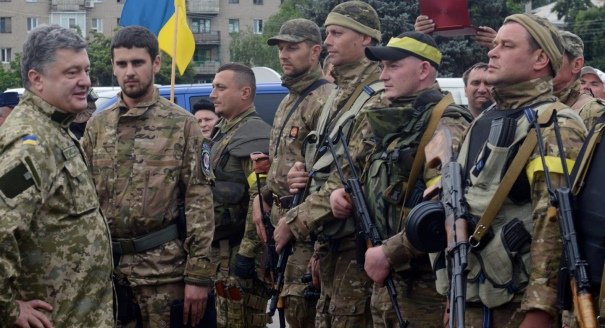
Ukraine is the most important strategic issue for Russia, and Putin, who mistrusts the West, worries that NATO enlargement may concern Ukraine.
Source: Chatham House
Chrystia Freeland, a member of the Canadian Parliament, Michael McFaul, U.S. Ambassador to Russia in 2012-2014, John Mearsheimer, a professor of political science at the University of Chicago, Carnegie’s Dmitri Trenin, and Roger Cohen, a columnist at the New York Times, discussed the current situation in Ukraine, as well as Russian-Western relations, at Chatham House. The event was held in association with the International New York Times.
Trenin stated that “Ukraine is absolutely the most important strategic issue for Russia,” suggesting that this is where Putin’s worry over NATO enlargement comes from. Trenin explained that Putin mistrusts the West because he belives it has acted duplicitously to Russia, saying that the excessive Libyan air strike in 2011 was “a test of Western sincerity.” According to Trenin, the safe limits of NATO’s enlargement to the east have been reached, and “what we’ve seen in Georgia, what we’re seeing in Ukraine, testifies to that fact.”Trenin underscored that Russian security obsession is based on the “flawed… post-Cold War settlement. [It] did not include Russia into a common security system with the West—as it did include Germany, as it did include Japan after the World War II.”
Speaking about the situation in Ukraine, Trenin elaborated on the events in Eastern Ukraine as “not a foreign war” for ordinary Russians. He noted that “some Russians have ceased to be on speaking terms with other Russians as a result of what’s been happening.” However, he stressed that, in his opinion, it is in Russia’s national interest to deal with Ukraine as with a foreign country instead of having to “pay for them, give them a huge vote in your councils, and then face the prospects of them turning their back on you and going.”
On the issue of Western media portrayals of the Ukrainian crisis, Trenin said that “there is too much ideology [from the Western media]—in foreign policy debates.” This is “not a good thing,” he added.
Chrystia Freeland
Former Senior Associate
In addition to his role at Carnegie, McFaul is Peter and Helen Bing Senior Fellow at the Hoover Institution and associate professor of political science at Stanford University.
John Mearsheimer
Former Director, Carnegie Moscow Center
Trenin was director of the Carnegie Moscow Center from 2008 to early 2022.
Roger Cohen
Carnegie does not take institutional positions on public policy issues; the views represented herein are those of the author(s) and do not necessarily reflect the views of Carnegie, its staff, or its trustees.
Ultimately, Zelensky sided neither with the reform camp nor with the military establishment as such, but with political control.

Balázs Jarábik
Despite the agreement’s uncertainty, it’s still a significant development in regional and nuclear policy.


Andrew Leber, Jane Darby Menton
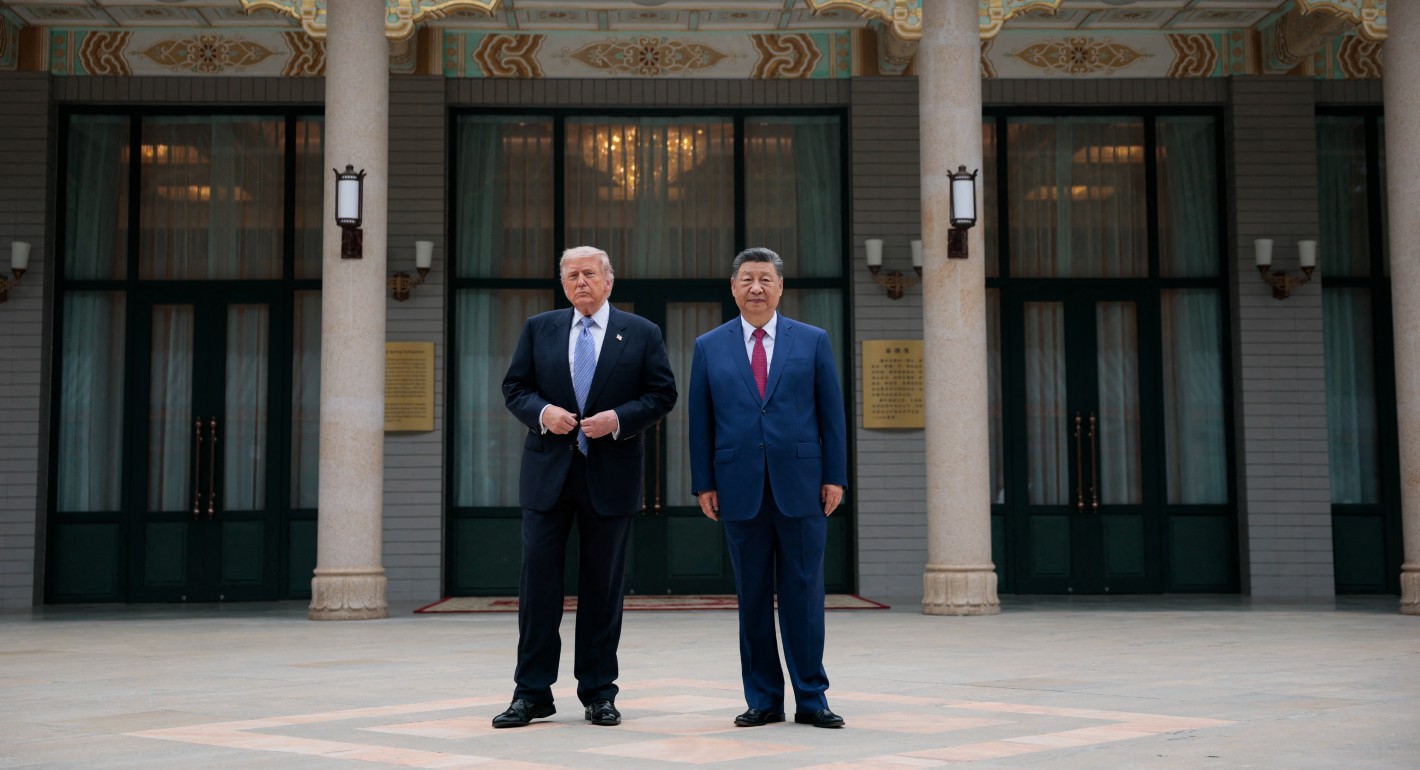
“AI safety in parallel” is modest and pragmatic but vital.

Matt Sheehan

Trump is distracted and Ukraine wants Europe to step up. The continent’s leaders must find their voice and assert it in talks with Russia.

Alissa de Carbonnel
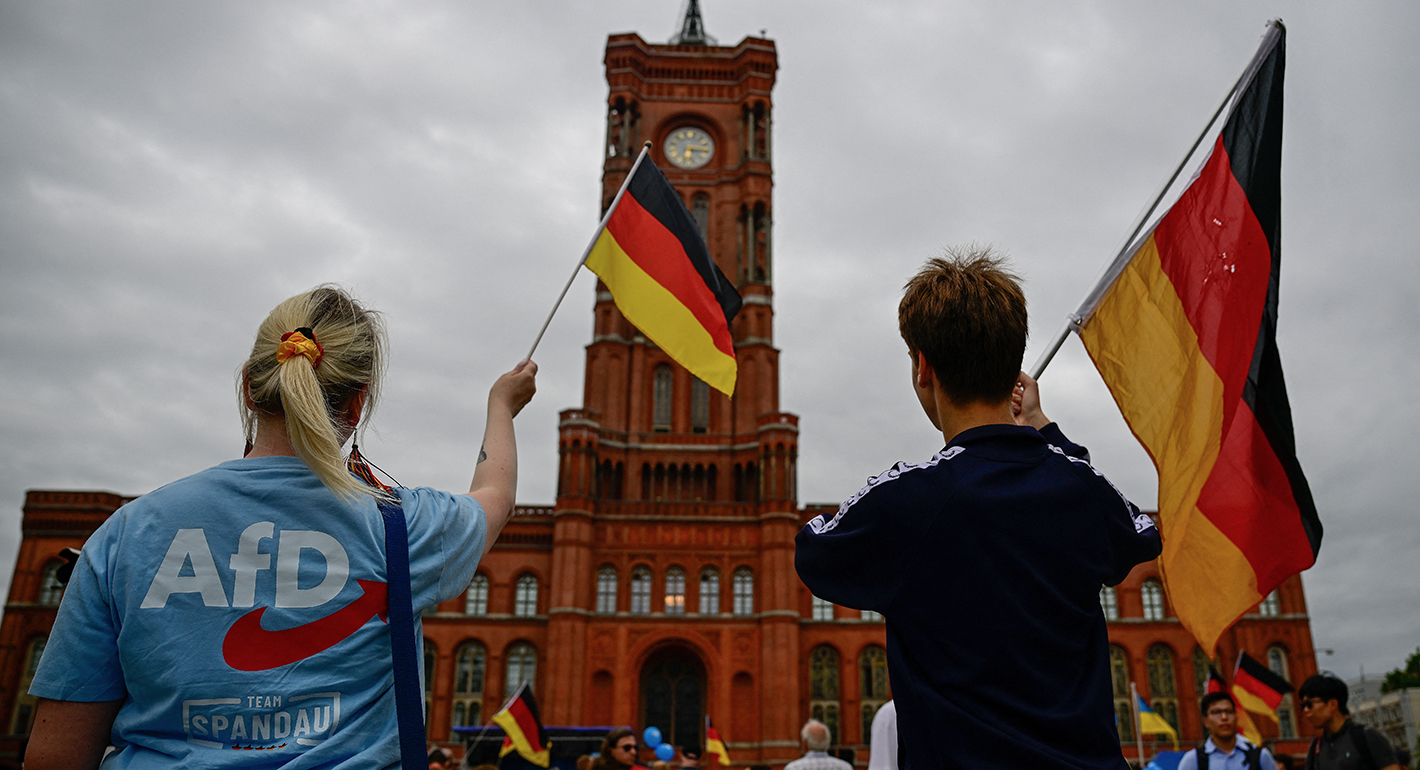
Unresolved tensions within the AfD may ultimately constrain the its potential as a leader among European and global populist forces.
Jeremy Cliffe