

Commentary
Dmitri Trenin
{
  "authors": [
    "Dmitri Trenin"
  ],
  "type": "legacyinthemedia",
  "centerAffiliationAll": "",
  "centers": [
    "Carnegie Endowment for International Peace",
    "Carnegie Russia Eurasia Center"
  ],
  "collections": [],
  "englishNewsletterAll": "",
  "nonEnglishNewsletterAll": "",
  "primaryCenter": "Carnegie Russia Eurasia Center",
  "programAffiliation": "",
  "programs": [],
  "projects": [],
  "regions": [
    "Russia",
    "Eastern Europe",
    "Ukraine",
    "Western Europe"
  ],
  "topics": [
    "Security",
    "Foreign Policy"
  ]
}
Source: Getty
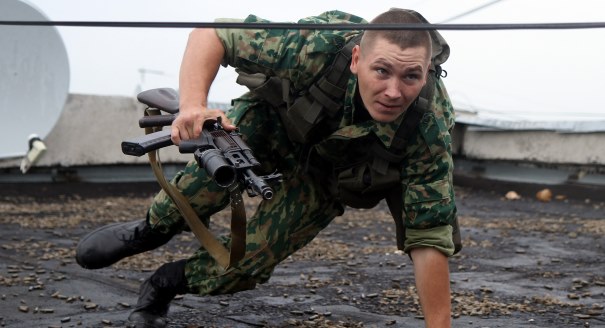
Russia’s policy toward Ukraine has nothing to do with Russian expansionism or imperial nostalgia and little with the need to win domestic political support for Putin. The Kremlin’s main strategic goal in Ukraine is to keep this country out of NATO.
Source: Al Jazeera America
The key to anticipating Russia’s next moves in Ukraine is to understand that its policy has been driven by geopolitical considerations that have nothing to do with Russian expansionism or imperial nostalgia and only little with the need to win domestic political support for President Vladimir Putin.
Essentially, the Kremlin has been reacting to the threat of post-Maidan Ukraine’s joining NATO. The prospect of NATO forces being deployed just across the border from Kursk and Belgorod, site of the biggest tank battle in World War II, or of U.S. missile interceptors in Ukraine materially diminishing Russia’s nuclear deterrent or of the U.S. Navy anchoring in Sevastopol or the Russian Black Sea Fleet being evicted from the base it founded over two centuries ago is absolute anathema to Russia’s political and military leaders. And it was that scenario that Moscow’s actions in Ukraine have been designed to prevent.The swift and highly professional Russian action in Crimea that resulted in the territory’s seceding from Kiev and returning to Moscow’s fold was likely based on contingency planning in place at least since 2008.
That was the moment Ukrainian leaders at the time — President Viktor Yushchenko, Prime Minister Yulia Tymoshenko and Rada Speaker Arseny Yatsenyuk — appealed to NATO to award Kiev a membership action plan to join the Western alliance.
Even though NATO’s Bucharest summit declined Kiev’s request — which was backed by the United States but opposed by Germany and France — it welcomed Ukraine’s membership at an unspecified point in the future.
President Viktor Yanukovych, who succeeded Yushchenko in 2010, formally adopted a policy of keeping Ukraine out of political-military blocs, but his forcible ouster by the Maidan in February 2014 reopened the issue of Ukraine’s strategic orientation.
Ostensibly, the Maidan protest movement centered not on NATO membership but on association with the European Union. However, Ukraine’s accession to the EU has been a highly remote prospect, given the country’s dire financial situation, its level of economic development and the huge funds needed to rehabilitate it.
Europe’s slow and uncertain postcrisis recovery and the spike in Euroskepticism underscored by the recent elections to the European Parliament make Ukrainian accession even less realistic. Yet what the Russians have concluded from watching the expansion of both the EU and NATO in Central and Eastern Europe over the past two decades is that joining the alliance either precedes or goes hand in hand with accession to the EU. ...
Former Director, Carnegie Moscow Center
Trenin was director of the Carnegie Moscow Center from 2008 to early 2022.
Recent Work
Dmitri Trenin
Dmitri Trenin
Carnegie does not take institutional positions on public policy issues; the views represented herein are those of the author(s) and do not necessarily reflect the views of Carnegie, its staff, or its trustees.

For every ruble allocated to social policy, health, and education in 2027, double that amount is earmarked for the army, the police, and the security services.

Alexandra Prokopenko

The acknowledgment has sparked fears of a new arms race with China and Russia.

Chris O’Meara
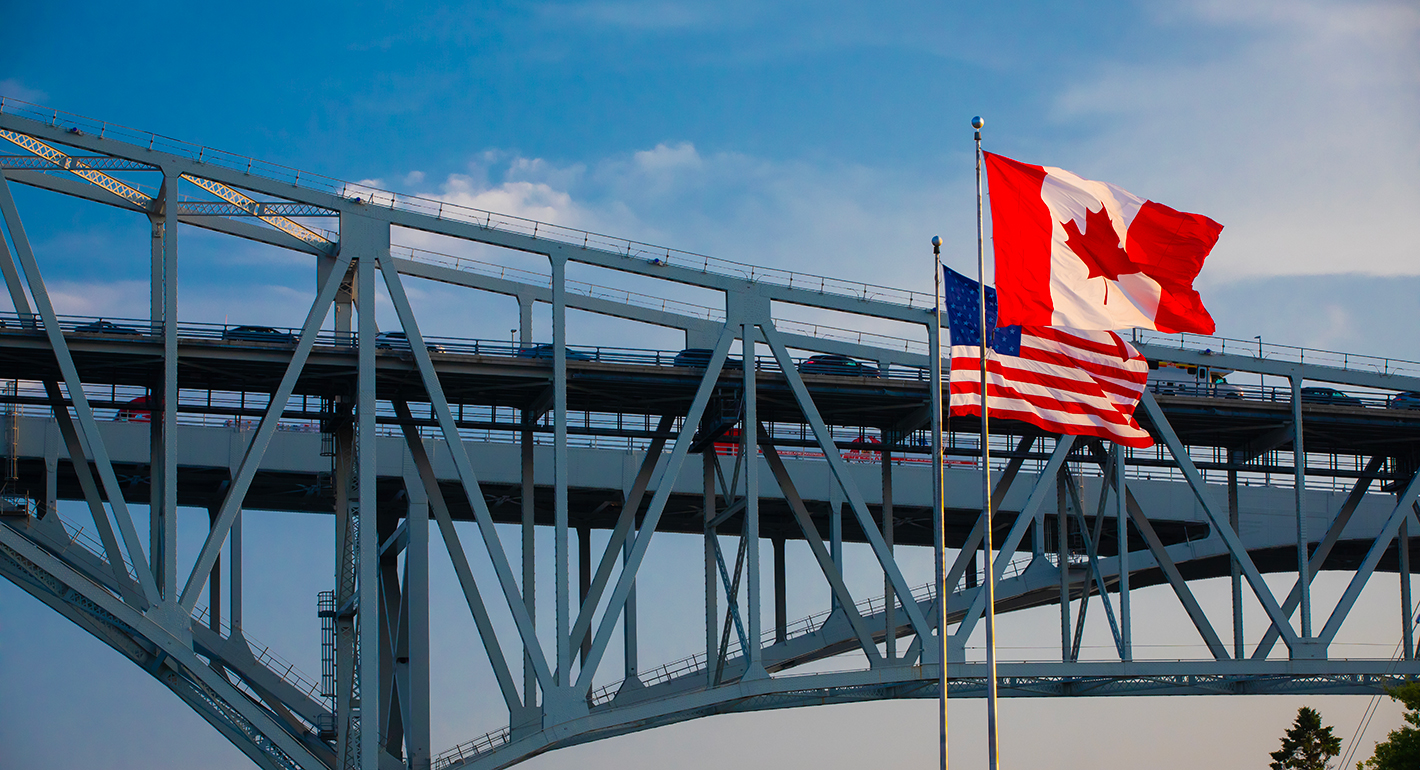
Smaller powers cannot go it alone, but Canadian history shows that integration with the United States will not always be benign.
Paul Samson

The European Commissioner for Trade is headed to China. But after President Xi’s bridge-building visit to Washington, can a more isolated EU overcome Beijing’s stranglehold on critical raw materials? Who will blink first?

Rym Momtaz, ed.
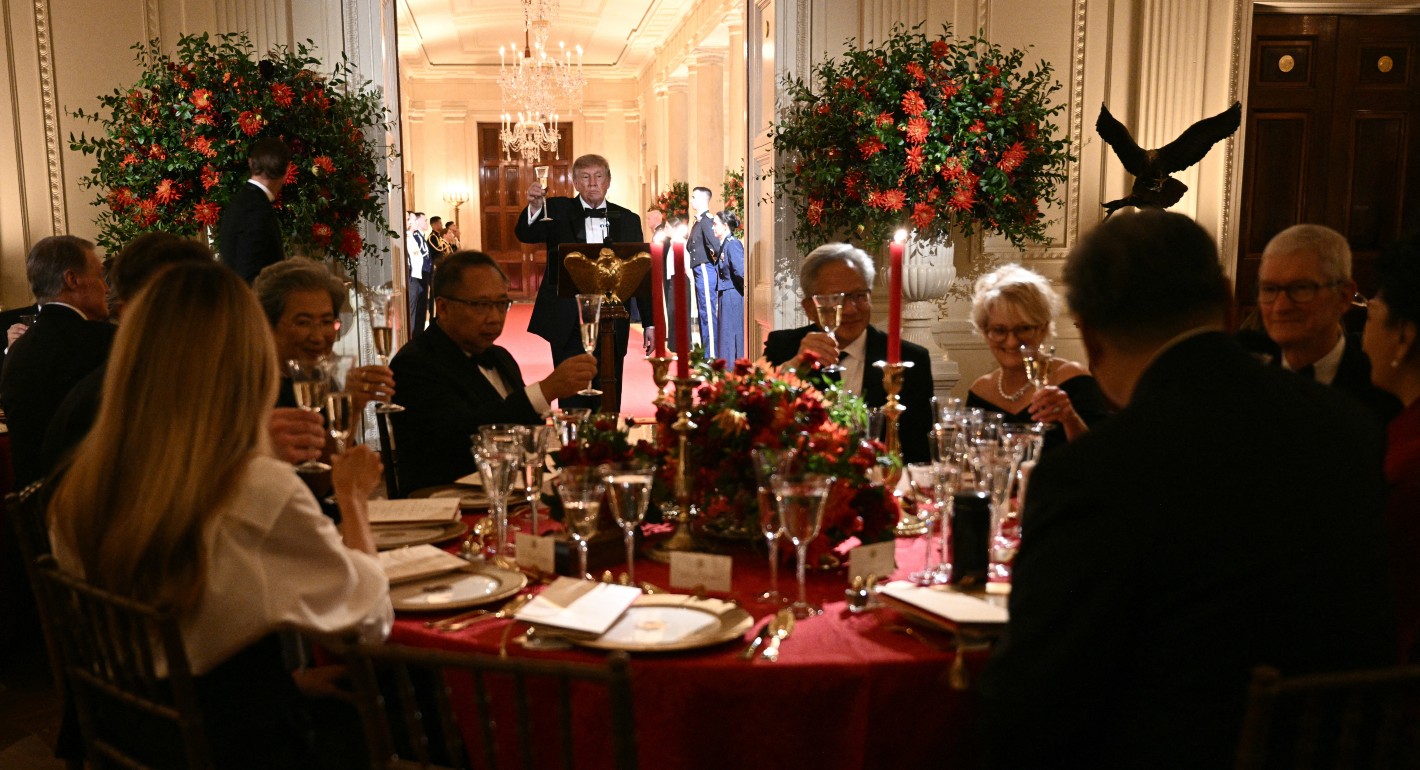
The summit may be remembered as a fatal blunder, when Washington, Beijing, and the AI industry collectively chose ceremony over action.
Jeffrey Prescott