

In The Media
Lilia Shevtsova
{
  "authors": [
    "Lilia Shevtsova"
  ],
  "type": "legacyinthemedia",
  "centerAffiliationAll": "",
  "centers": [
    "Carnegie Endowment for International Peace",
    "Carnegie Russia Eurasia Center"
  ],
  "collections": [],
  "englishNewsletterAll": "",
  "nonEnglishNewsletterAll": "",
  "primaryCenter": "Carnegie Russia Eurasia Center",
  "programAffiliation": "",
  "programs": [],
  "projects": [],
  "regions": [
    "North America",
    "United States",
    "Russia",
    "Eastern Europe",
    "Ukraine",
    "Western Europe"
  ],
  "topics": [
    "Security",
    "Military",
    "Foreign Policy"
  ]
}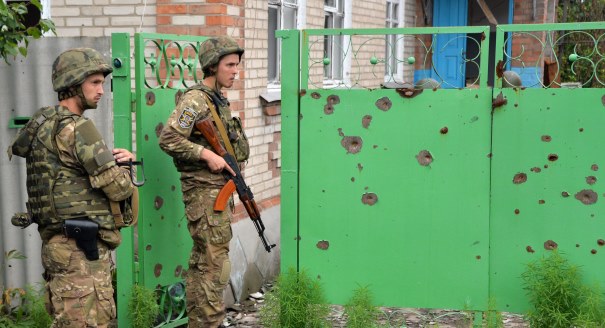
Source: Getty
Allowing Kiev to restore the country’s territorial integrity is the best way to bring real peace to Ukraine. At the same time, pressuring Kiev to declare a new ceasefire that will give the rebels another break will only prolong the conflict.
Source: American Interest
Ukrainian President Petro Poroshenko has kicked off his “Peace Plan” by ending the ceasefire and resuming military actions against pro-Russian forces. True, he promises to continue negotiations with the separatists, but this looks more like an attempt to soothe an openly irritated Kremlin, as well as grumpy Berlin and Paris. War and Peace in Ukraine have now acquired a paradoxical dimension: Not all efforts to pursue another ceasefire would be a step in the direction of achieving a sustainable peace.
Once upon a time it had seemed that, by creating (EU and NATO) mechanisms to prevent wars, Europe had found a remedy to the problems that had plagued the continent over the course of the blood-soaked 20th century. But the events in Ukraine have exposed a fundamental flaw in these efforts that Europe, and the West as a whole, isn’t ready to deal with. The flaw is plain for all to see: Russia and Ukraine maintain diplomatic relations. They participate in international forums together. They cooperate on economic matters, albeit less actively now. People and goods cross the border. Their leaders talk on the telephone. And yet these countries are at war with one another, and this is not just a war of soft power (information warfare) but hard power as well. How else would you describe Russia’s annexation of Ukrainian territory than as a hard power conflict? How else to describe an armed struggle conducted on one side by Russian citizens, on Ukrainian territory, under Russian banners, with weapons and funding supplied by Russia? Dozens of paratroopers from the 45th Guards Spetsnaz airborne regiment have been buried recently in Moscow—where and why did they suddenly die in such numbers?This is a war that no one wants to name as such. The West doesn’t want to call it war, since it would then have to take concrete measures against the aggressor, a nuclear state. Who would dare to do that? Ukraine isn’t ready to press the world to call the conflict a war out of fear of contradicting the West. And it’s quite clear why Russia wouldn’t want to acknowledge that it’s fighting a war: Moscow retains room for maneuver as long as the war goes undeclared, retaining the ability to switch out its aggressor’s hat for the peacemaker’s hat at will.
While the Kremlin will not recognize that Russia is at war with Ukraine, it won’t normalize relations with Kiev either. This blurring of the lines between war and peace when it comes to states parallels the blurring Putin has done within Russia itself, by turning to militarism and coercion to sustain the Russian System. The ongoing crisis merely represents the application of this model to Russia’s relations with Ukraine. And Ukraine isn’t an end in itself for Russia, but merely an instrument for the Kremlin. By destabilizing Ukraine, Russia is fighting a proxy war with the West. Putin has been perfectly candid about his reasons for wanting to do this, stating time and again that Russia is a unique civilization that seeks to contain the West not only inside Russia but outside it too.
The current developments should not come as a surprise to anyone. The blurring of the borders between war and peace occurred as Europe entered a phase after the collapse of the Soviet Union in 1991 that many have described as postmodern. This phase has been characterized by furtiveness on the part of the liberal democracies when it comes to living up to their principles in crafting policy: “Nothing’s sacred, everything is on the table,” Europe has seemed to say. After it lost its great rival and adversary, it no longer wished to focus any time or effort on preaching values. But the postmodern, transactional leaderships of Europe today find themselves poorly equipped to respond to the challenges posed by the Russian System, which is why their responses inevitably slide into accommodationism. ...
Read the full text of this article in the American Interest.
Former Senior Associate, Russian Domestic Politics and Political Institutions Program, Moscow Center
Shevtsova chaired the Russian Domestic Politics and Political Institutions Program at the Carnegie Moscow Center, dividing her time between Carnegie’s offices in Washington, DC, and Moscow. She had been with Carnegie since 1995.
Recent Work
Lilia Shevtsova
Lilia Shevtsova
Carnegie does not take institutional positions on public policy issues; the views represented herein are those of the author(s) and do not necessarily reflect the views of Carnegie, its staff, or its trustees.

The Bureau of Industry and Security needs to adjust its focus and practices to maintain its position as the U.S. government’s primary champion of international technological competition.

Geoffrey Irving
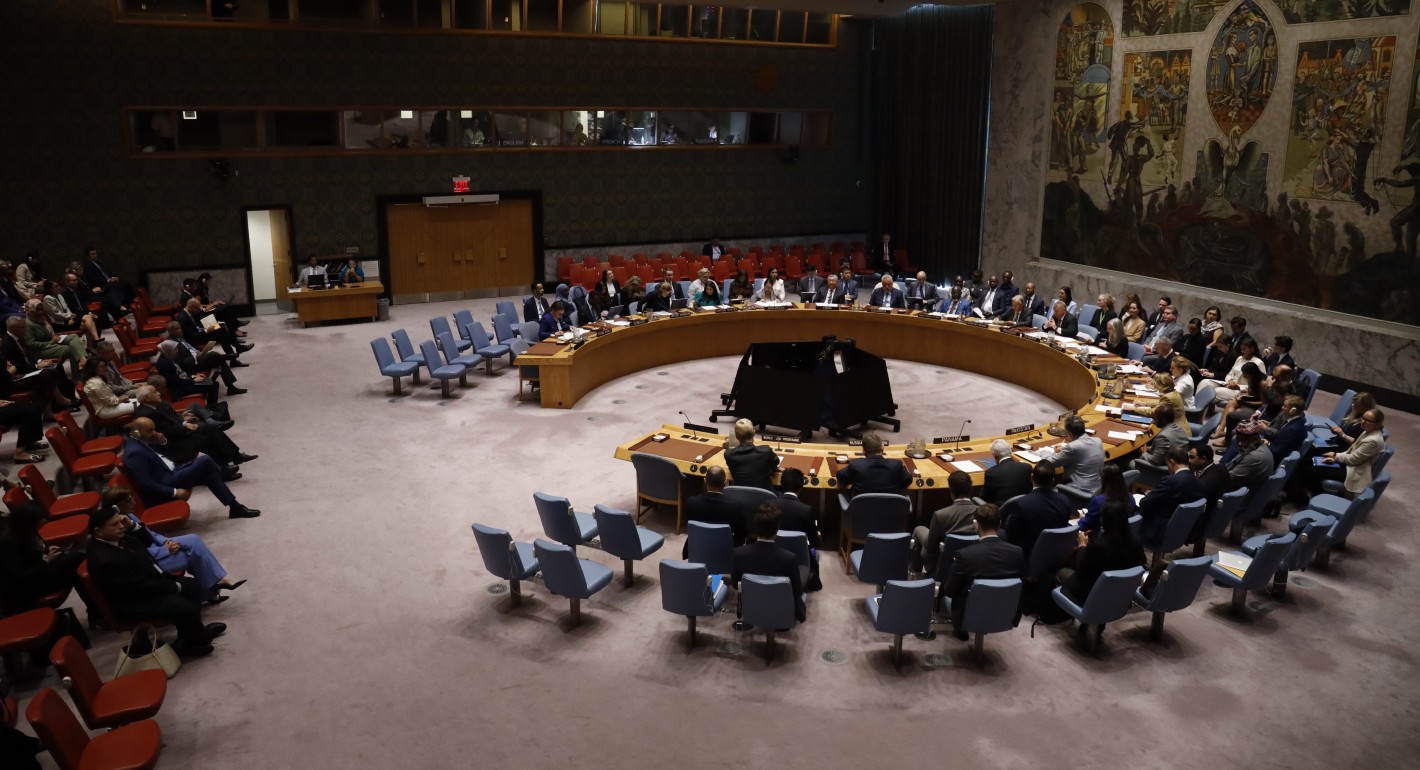
They face an uphill climb, but they could draw on a strategy that other diplomats have used in the past.


Shana Tabak, Alejandro Martin Rodriguez
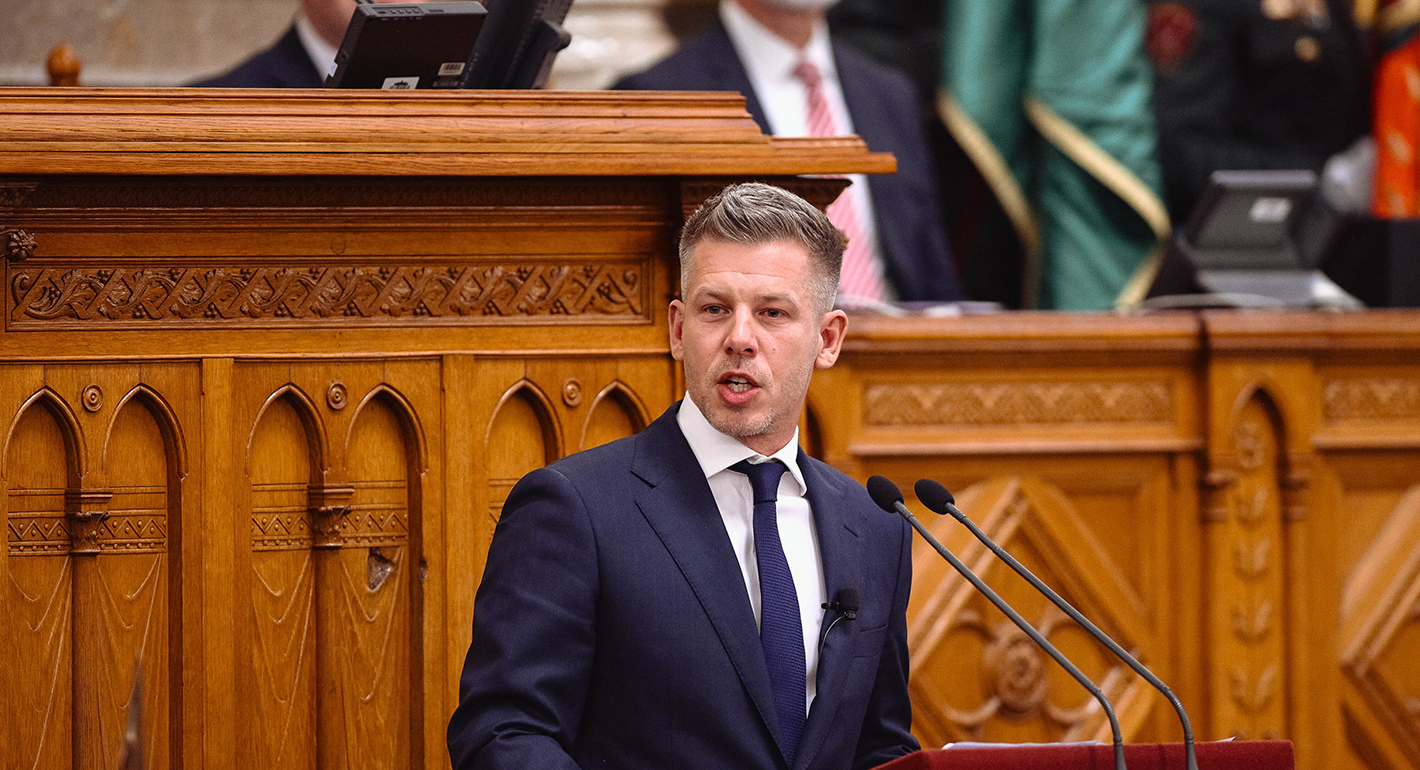
Despite myriad challenges and occasional stumbles, the new Hungarian government is moving ahead with energy and conviction to uproot years of illiberalism and corruption and rebuild Hungarian democracy.

Thomas Carothers

European Commission President Ursula von der Leyen is about to give her annual address on the state of the EU. Here’s what she won’t—but should—say.

Rym Momtaz

Depleted financial reserves and a shrinking tax base mean it is no longer possible to simultaneously deliver high defense spending, price stability, and economic growth.

Alexandra Prokopenko