

Commentary
Dmitri Trenin
{
  "authors": [
    "Dmitri Trenin"
  ],
  "type": "legacyinthemedia",
  "centerAffiliationAll": "",
  "centers": [
    "Carnegie Endowment for International Peace",
    "Carnegie China",
    "Carnegie Russia Eurasia Center"
  ],
  "collections": [
    "China’s Foreign Relations"
  ],
  "englishNewsletterAll": "",
  "nonEnglishNewsletterAll": "",
  "primaryCenter": "Carnegie Russia Eurasia Center",
  "programAffiliation": "",
  "programs": [],
  "projects": [],
  "regions": [
    "North America",
    "United States",
    "East Asia",
    "China",
    "Russia"
  ],
  "topics": [
    "Economy",
    "Trade",
    "Climate Change",
    "Foreign Policy"
  ]
}
Source: Getty
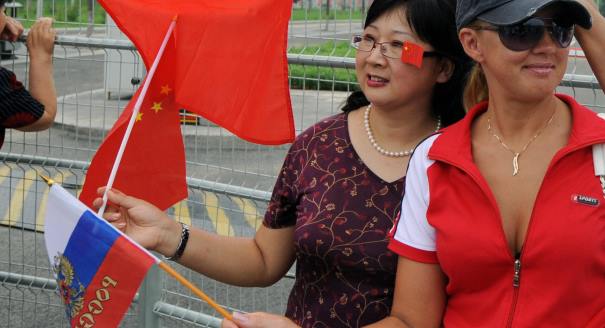
Russia’s efforts to find an acceptable place for itself in the U.S.-led Western system have ended in a bitter disappointment. The changing trading patterns point to a new era in Moscow’s foreign relations, in which Sino-Russian relations will be taking center stage.
Source: Global Times
Confrontation with the US over Ukraine and the economic sanctions imposed by the US and its allies have made the Russian government change its economic, financial and trade policies. The priority now is stimulating domestic development, particularly in industry and agriculture, as well as science and technology.
Russia is not about to abandon globalization, or shut itself out of the wider world and adopt autarky. Its foreign economic ties, however, are undergoing a major restructuring. The share of the West is going down, while the share of Asia, notably China, is going up.
China is the world's second largest economy, soon to become the global leader. It is the global manufacturing workshop. It owns the world's largest currency reserves. It hosts one of the world's three top financial centers, in Hong Kong.And - what is particularly important, from Moscow's perspective - Beijing is fully sovereign in setting its own policy course, successfully resisting and rebuffing Washington's pressure. Thus, it is one major economy in today's world unlikely to join US-led sanctions against Russia.
Moreover, for obvious geopolitical reasons, China has no interest in seeing Russia crushed by US policies. This makes the Sino-Russian economic relationship a major beneficiary of the downturn in Russia's ties with the West.
The signs for this are multiplying, above all in energy. In May, Russia agreed to supply China with natural gas in a historic, 30-year, $400 billion deal. This follows an earlier agreement to ramp up oil trade. According to The Wall Street Journal, Russia's oil deliveries to Asia, mostly to China, have grown from 20 percent to 30 percent of the country's total exports in just one year.
Since Russia's oil production is essentially stagnant, the growth of the Asia trade means a reduction of deliveries to Europe. After the West has banned exports to Russia of oil drilling technologies for use on the shelf, a Chinese company, Honghua, is reported to be in line to receive future Russian contracts.
The sanctions and the specific restrictions on banking operations with Russia are also closing the books on the long era of cheap Western credit. China, on the other hand, is awash with money and has already been lending to Russia. More is to come. Megafon, a leading communications company, has recently converted a large part of its assets into Hong Kong dollars, away from the US dollar and the euro.
Gennady Timchenko, President Vladimir Putin's close friend and Russia's sixth richest man who had made a fortune as oil trader, was specifically targeted by the Western sanctions. Unable to use his Visa and MasterCard accounts, Timchenko transferred his funds into a UnionPay card.
Taking a cue from this, the Russian government is currently working on a national electronic payments system which would end the monopoly of Visa and MasterCard in Russia. Both global companies proved themselves too pliant when confronted with Washington's demands to sanction Russian banks and their clients.
In a recent meeting with members of the Russian Duma, Putin was cautious when asked about radical steps away from Russia's reliance on the US dollar as a main medium of foreign transactions. However, Moscow has been moving in that direction.
In June, Russia joined China, India, Brazil, and South Africa in founding a BRICS development bank and a special reserve fund. Russia is considering selling some of its oil to China for the yuan, to be used for purchasing Chinese oil-drilling equipment.
All these changes are of fundamental importance because they signify a shift that is not tactical or transient.
The quarter-century of Russia's efforts to find an acceptable place for itself in the US-led Western system have ended in a bitter disappointment. The changing trading patterns point to a new era in Moscow's foreign relations, which will prioritize trading outside the West.
In this new era, Sino-Russian relations will be taking center stage. As Putin said in Yalta, Crimea recently, Russia looks to a long period of close and friendly relations with its great neighbor to the east.
Former Director, Carnegie Moscow Center
Trenin was director of the Carnegie Moscow Center from 2008 to early 2022.
Recent Work
Dmitri Trenin
Dmitri Trenin
Carnegie does not take institutional positions on public policy issues; the views represented herein are those of the author(s) and do not necessarily reflect the views of Carnegie, its staff, or its trustees.
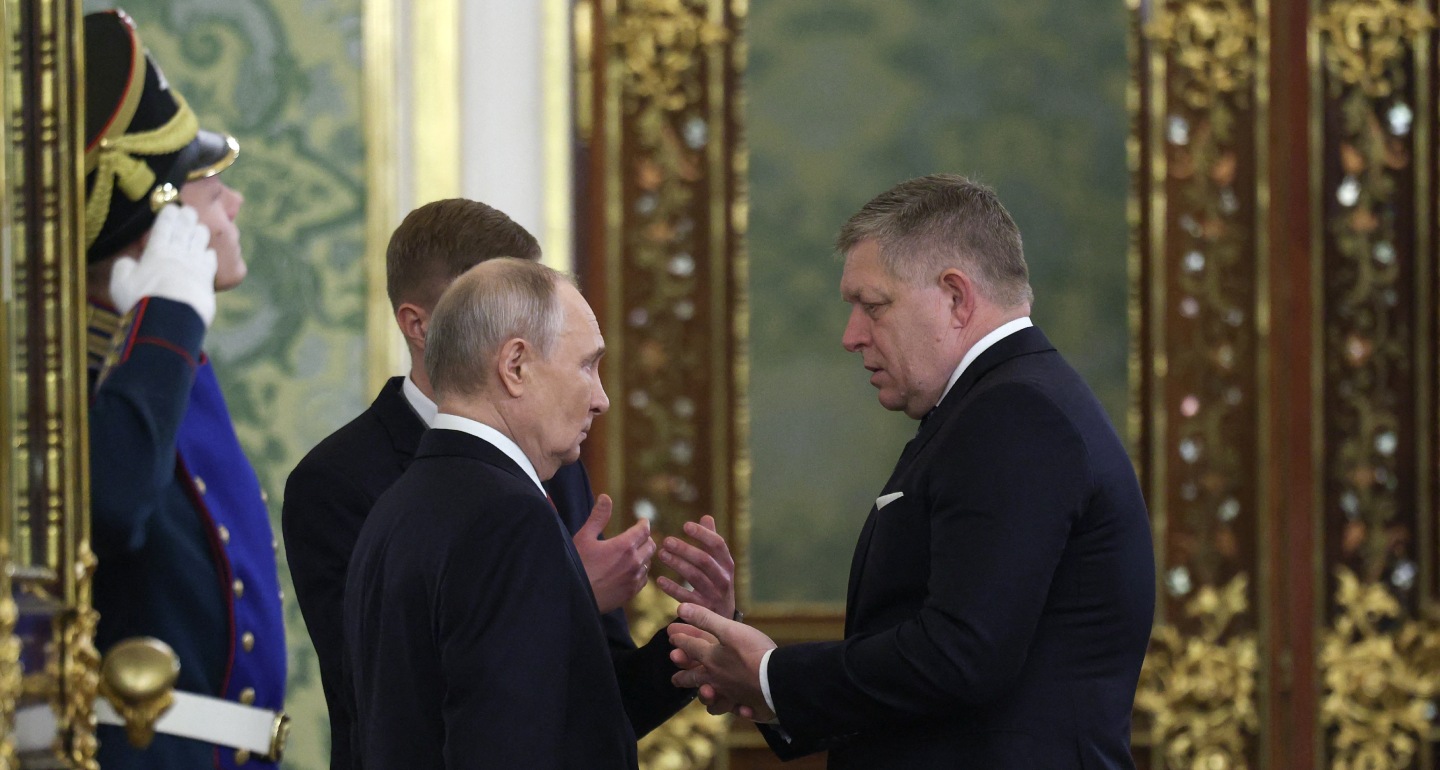
Though Orban is gone, Putin can still count on some like-minded individuals in Central and Eastern Europe. However, they will seek to avoid open confrontation with EU institutions over Ukraine and their ties with Moscow.

Dimitar Bechev
Beijing’s AI diplomacy is pivoting from infrastructure and associated technical standards toward a more comprehensive effort aimed at recrafting global norms and institutions of AI governance.

Arindrajit Basu

The truth is that Japan’s government is seeking a degree of reengagement but at a vastly reduced level than under Abe. Most significantly, Japan has shown no willingness to ease sanctions.

James D.J. Brown
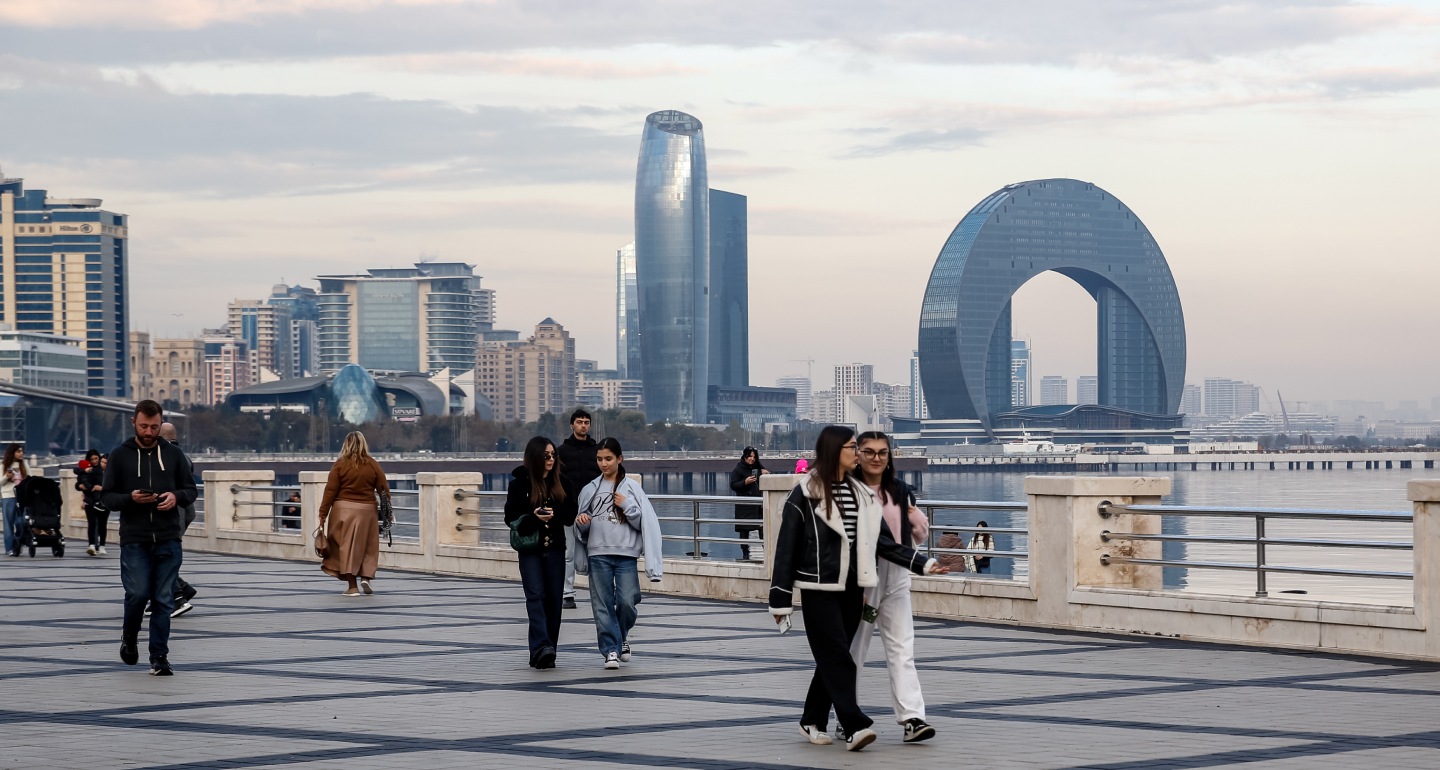
Azerbaijan’s relations with the EU appear to be going from strength to strength after several years in the deep freeze following the military escalation in Karabakh in 2023 and Azerbaijan’s bitter fallout with France and several other EU member states.

Shujaat Ahmadzada
The full list of humiliations Europe has endured since Donald Trump returned to the White House makes for grim reading. But Washington’s adversarial approach to its allies undermines its own power base.

Rym Momtaz