

Commentary
Two divergent trends—Putin’s hardline vision of how to prosecute the war in Ukraine, and a growing desire for change in Russia—could tear the regime apart.
Tatiana Stanovaya
{
  "authors": [
    "Mario Abou Zeid",
    "Juan Cole",
    "Aymenn Jawad Al-Tamimi"
  ],
  "type": "legacyinthemedia",
  "centerAffiliationAll": "dc",
  "centers": [
    "Carnegie Endowment for International Peace",
    "Malcolm H. Kerr Carnegie Middle East Center"
  ],
  "collections": [],
  "englishNewsletterAll": "menaTransitions",
  "nonEnglishNewsletterAll": "",
  "primaryCenter": "Malcolm H. Kerr Carnegie Middle East Center",
  "programAffiliation": "MEP",
  "programs": [
    "Middle East"
  ],
  "projects": [],
  "regions": [
    "Gulf",
    "Levant",
    "Syria",
    "Iraq",
    "Middle East"
  ],
  "topics": [
    "Political Reform",
    "Security"
  ]
}
Source: Getty
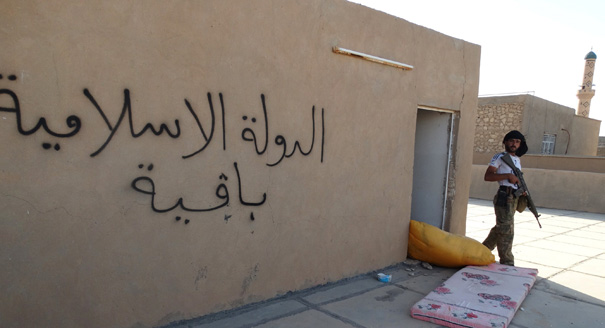
As the Islamic State continues to grow rapidly, questions are being raised about its origins.
Source: Al Jazeera Inside Story
The international alliance to fight the Islamic State group is gaining shape and momentum. The US secretary of state, John Kerry, met a number of Middle Eastern foreign ministers in Jeddah to discuss how best to deal with the group.
The Islamic State group's swift seizure of territory in Iraq and Syria was a shock to many countries in the region and beyond. The group is the successor to the Islamic State in Iraq. It has a seasoned military operation with a transnational membership, to which, despite heavy losses, it is constantly recruiting. With key leaders who were prominent in the Iraqi rebellion of the 2000s, it is also well-armed and financed.
On Inside Story a discussion on the root causes of the birth and emergence of the Islamic State group.
Presenter: Hazem Sika
Guests:
Mario Abou Zeid - political analyst with the Carnegie Middle East Center.
Aymenn Jawad Al-Tamimi - fellow with the Middle East forum and specialist on rebel groups in Iraq and Syria.
Juan Cole - history professor with the University of Michagan and author of the book, The New Arabs: How the Millennial Generation is Changing the Middle East.
This interview was originally broadcasted by Al Jazeera Inside Story.
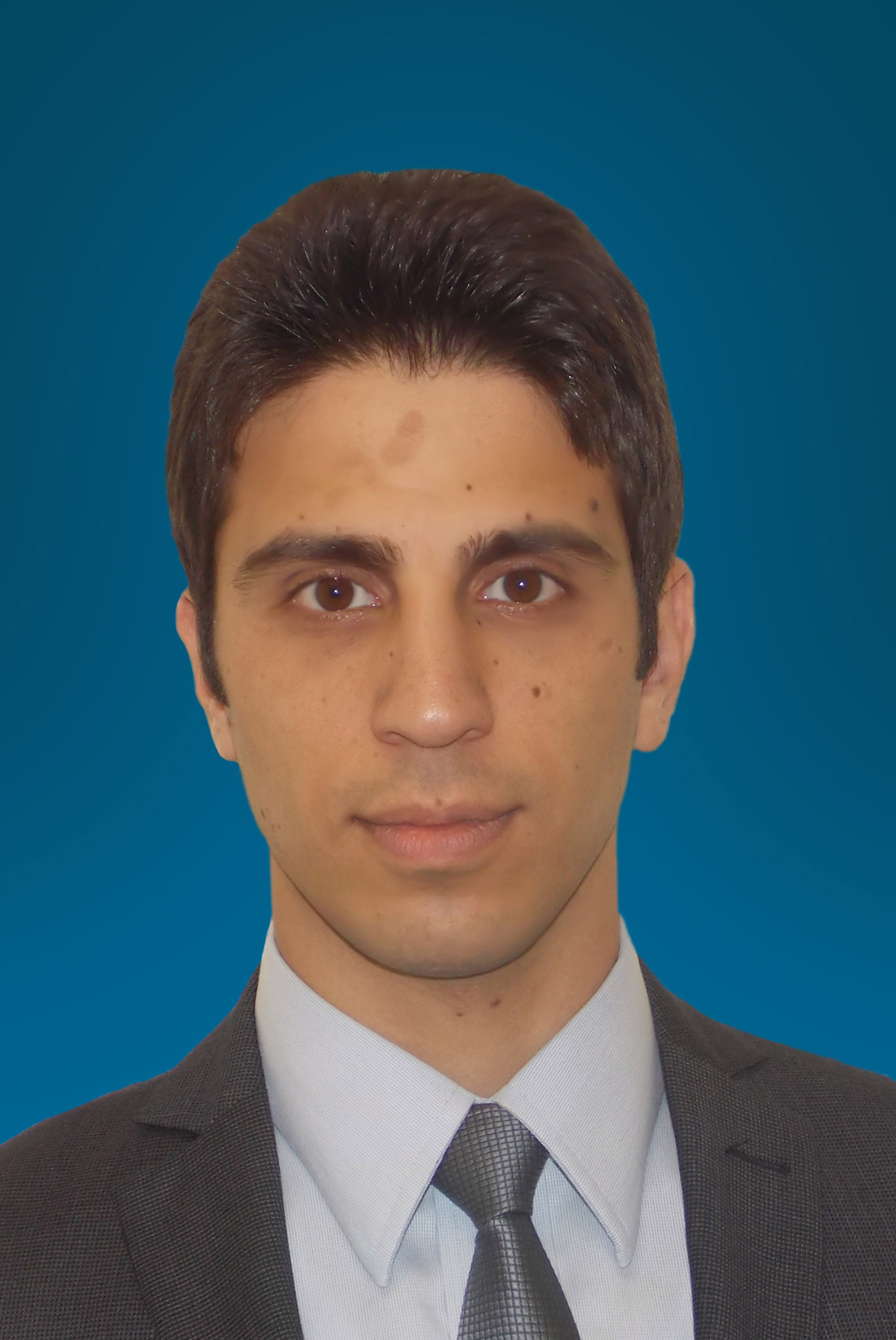
Former Research Analyst, Middle East Center
Abou Zeid was a research analyst at the Carnegie Middle East Center, where his work focuses on political developments in Lebanon, Syria, Iraq, and Iran.
Juan Cole
Aymenn Jawad Al-Tamimi
Carnegie does not take institutional positions on public policy issues; the views represented herein are those of the author(s) and do not necessarily reflect the views of Carnegie, its staff, or its trustees.

Two divergent trends—Putin’s hardline vision of how to prosecute the war in Ukraine, and a growing desire for change in Russia—could tear the regime apart.

Tatiana Stanovaya
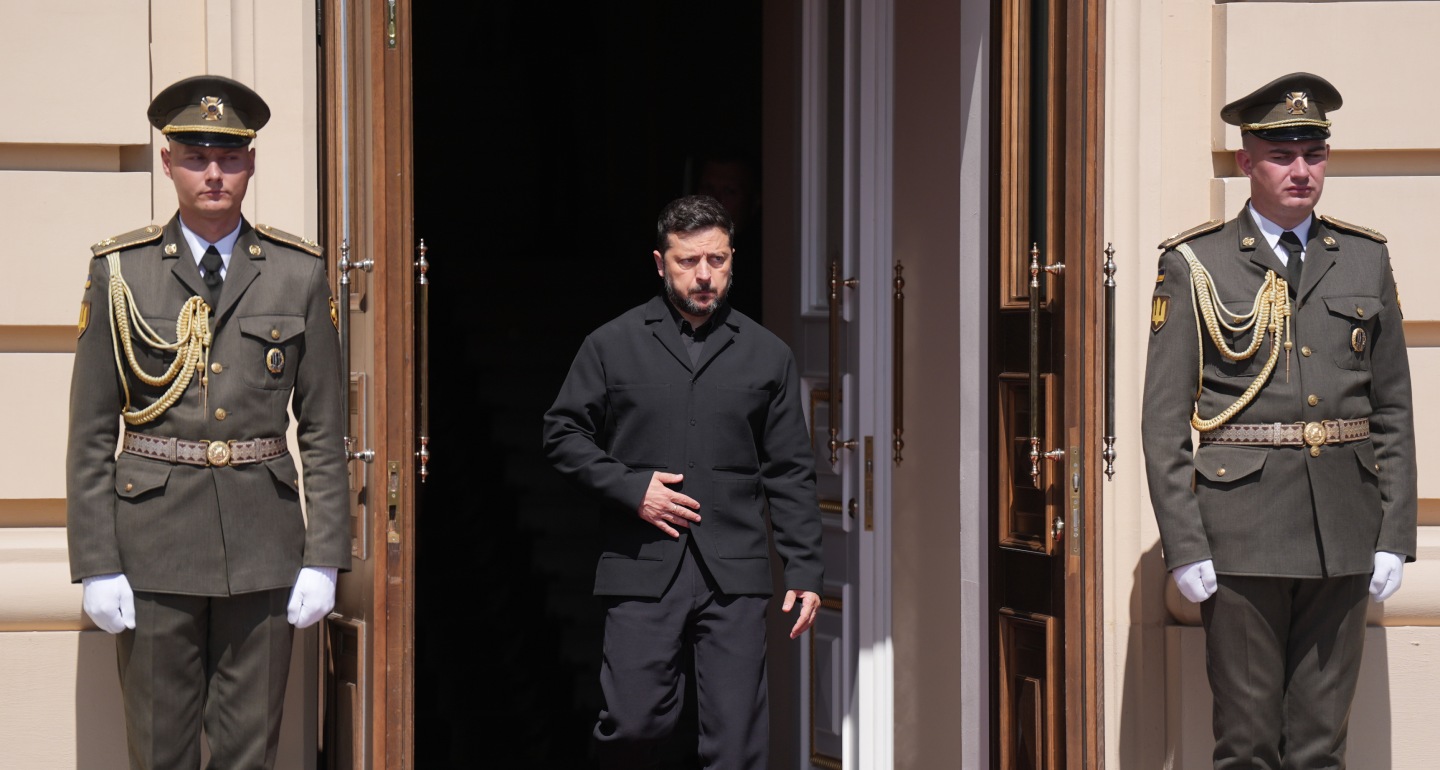
Ultimately, Zelensky sided neither with the reform camp nor with the military establishment as such, but with political control.

Balázs Jarábik
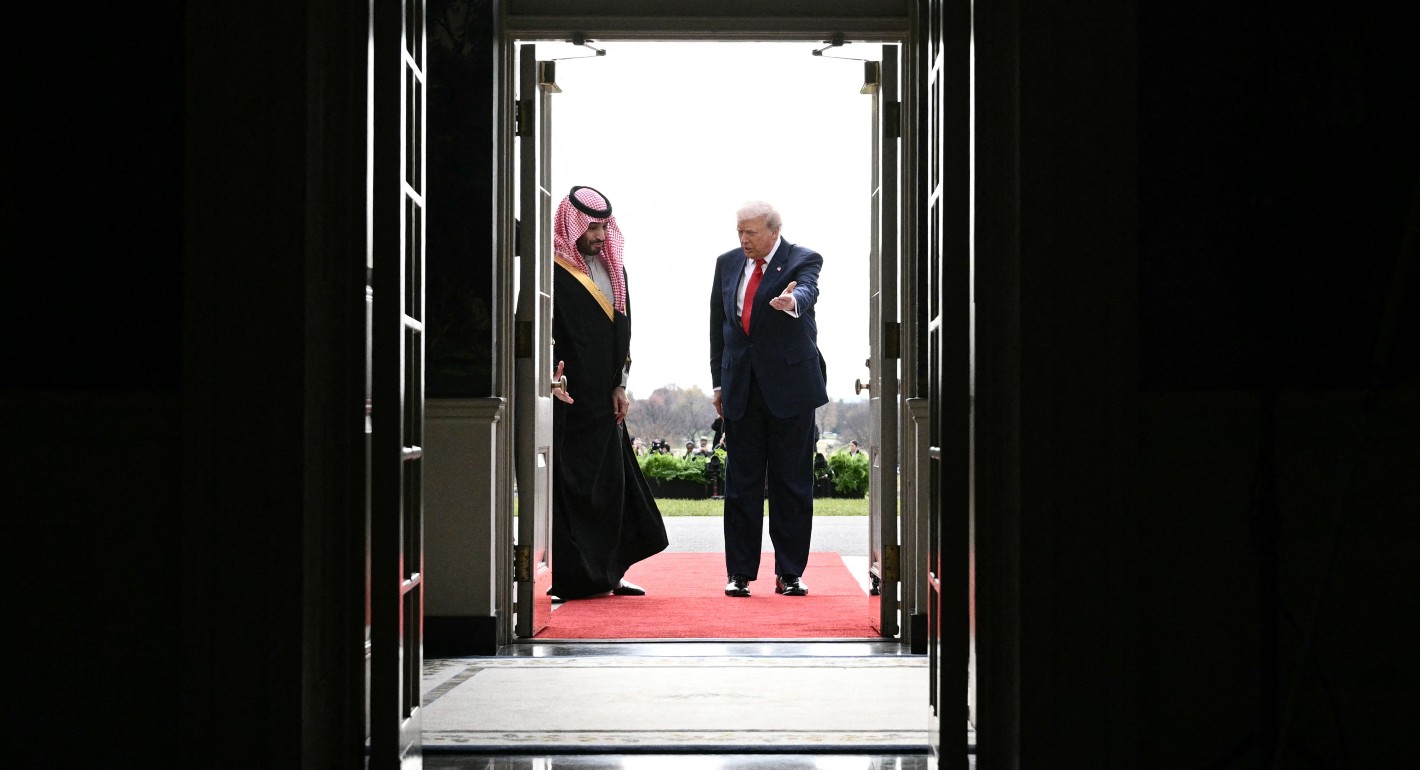
Despite the agreement’s uncertainty, it’s still a significant development in regional and nuclear policy.


Andrew Leber, Jane Darby Menton
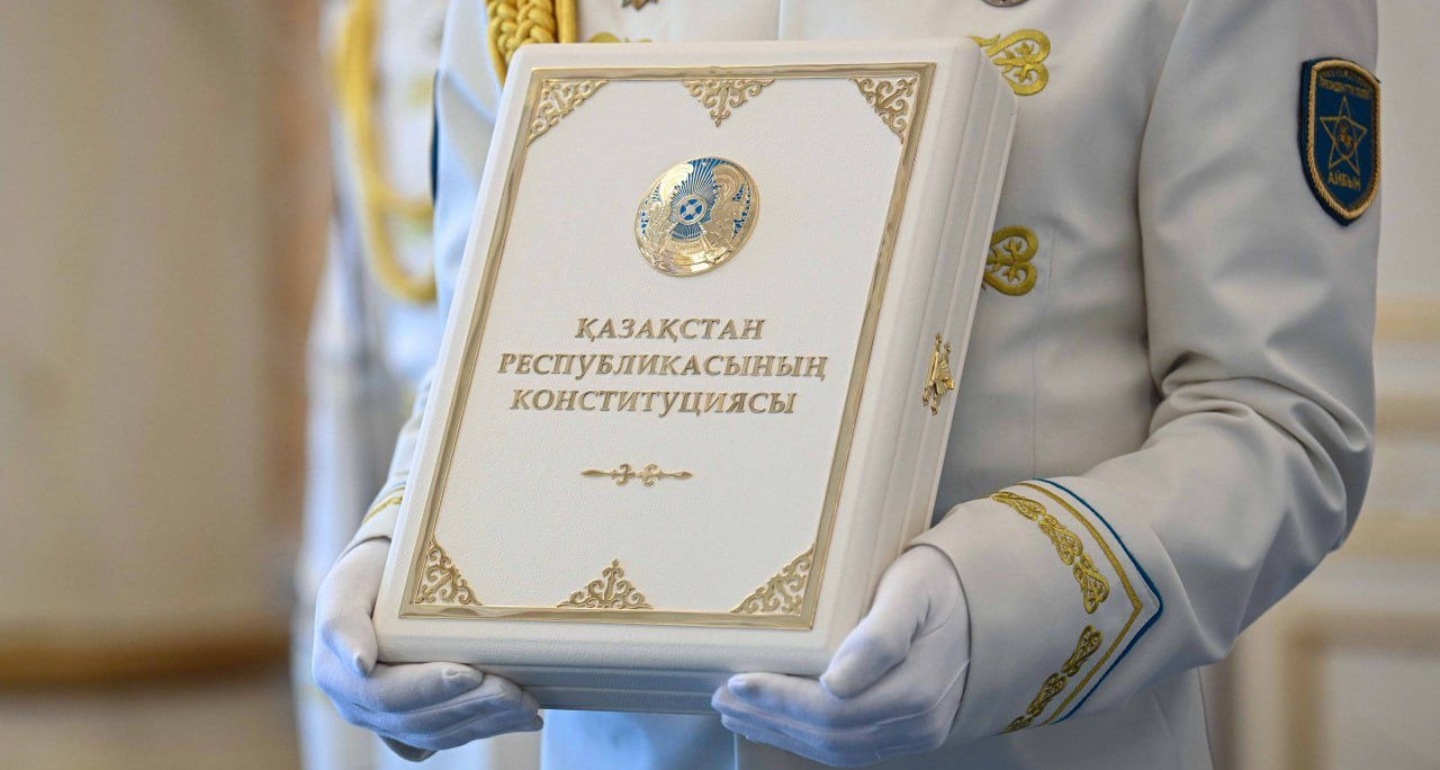
Tokayev’s predecessor, Nursultan Nazarbayev, outlined arrangements for a power transition too soon and in too much detail, ultimately losing control over the process. Tokayev is determined not to meet the same fate.

Temur Umarov

Mounting economic strain and battlefield losses will not necessarily make the Kremlin less dangerous. They could instead push Moscow toward a more aggressive hybrid campaign designed to test NATO’s Eastern flank, exploit allied hesitation, and fracture European resolve.

Maksym Beznosiuk