

Other
- +18
James M. Acton, Saskia Brechenmacher, Cecily Brewer, …
{
  "authors": [
    "Marc Pierini"
  ],
  "type": "legacyinthemedia",
  "centerAffiliationAll": "dc",
  "centers": [
    "Carnegie Endowment for International Peace",
    "Carnegie Europe",
    "Malcolm H. Kerr Carnegie Middle East Center"
  ],
  "collections": [
    "Europe’s Southern Neighborhood"
  ],
  "englishNewsletterAll": "ctw",
  "nonEnglishNewsletterAll": "",
  "primaryCenter": "Carnegie Europe",
  "programAffiliation": "EP",
  "programs": [
    "Europe"
  ],
  "projects": [],
  "regions": [
    "Middle East",
    "Europe",
    "Gulf",
    "Levant",
    "Iraq",
    "Syria",
    "Western Europe",
    "Iran"
  ],
  "topics": [
    "Foreign Policy",
    "Security"
  ]
}
Source: Getty
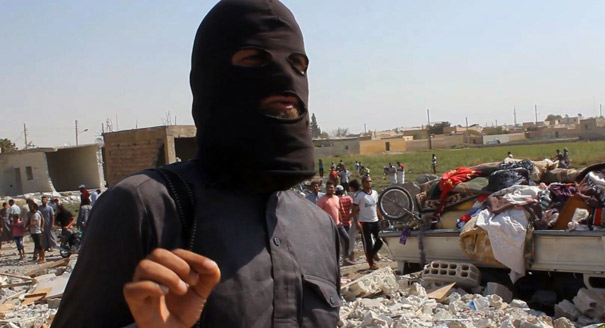
What can the EU do to prevent its citizens from leaving for Syria and Iraq to join the Islamic State and becoming a domestic threat once they return to European soil?
Source: euronews
Speaking to on the Frontline on euronews, Marc Pierini was asked what he believes Europe should do to stop more of its citizens from joining militant groups, including the Islamic State (IS), in Syria and Iraq, and how unified the EU’s strategy is to deal with foreign fighters if and when they return home.“The majority of the young people going to Syria are from poor neighborhoods, school dropouts, [with] no job and vague, very vague religious indoctrination,” Pierini said when asked if Europe should prevent people from being recruited to IS.
Pierini argues that Europe has not been inactive on this matter and has in fact been working on counterterrorism measures for a year. But, he says, the EU needs to do more, from reinforcing counterterrorism cooperation within the EU and with Turkey to strengthening the Schengen system within Europe.

Senior Fellow, Carnegie Europe
Pierini is a senior fellow at Carnegie Europe, where his research focuses on developments in the Middle East and Turkey from a European perspective.
Recent Work

James M. Acton, Saskia Brechenmacher, Cecily Brewer, …
Marc Pierini
Carnegie does not take institutional positions on public policy issues; the views represented herein are those of the author(s) and do not necessarily reflect the views of Carnegie, its staff, or its trustees.

Germany's sometimes ambiguous nuclear policy advocates nuclear weapons for deterrence purposes but at the same time adheres to non-proliferation. This dichotomy can turn into a formidable dilemma and increase proliferation pressures in Berlin once no nuclear protector is around anymore, a scenario that has become more realistic in recent years.
Ulrich Kühn
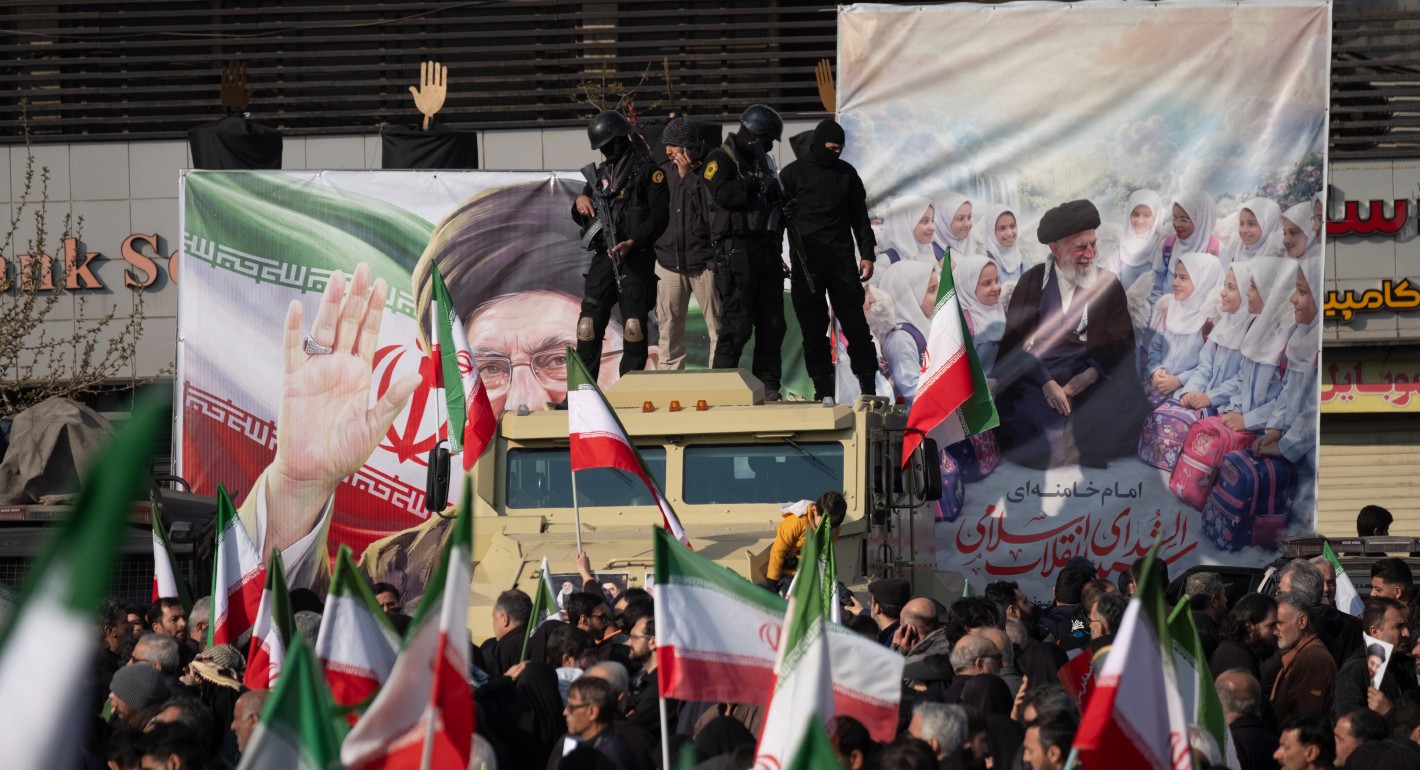
The recent record of citizen uprisings in autocracies spells caution for the hope that a new wave of Iranian protests may break the regime’s hold on power.

Thomas Carothers, McKenzie Carrier
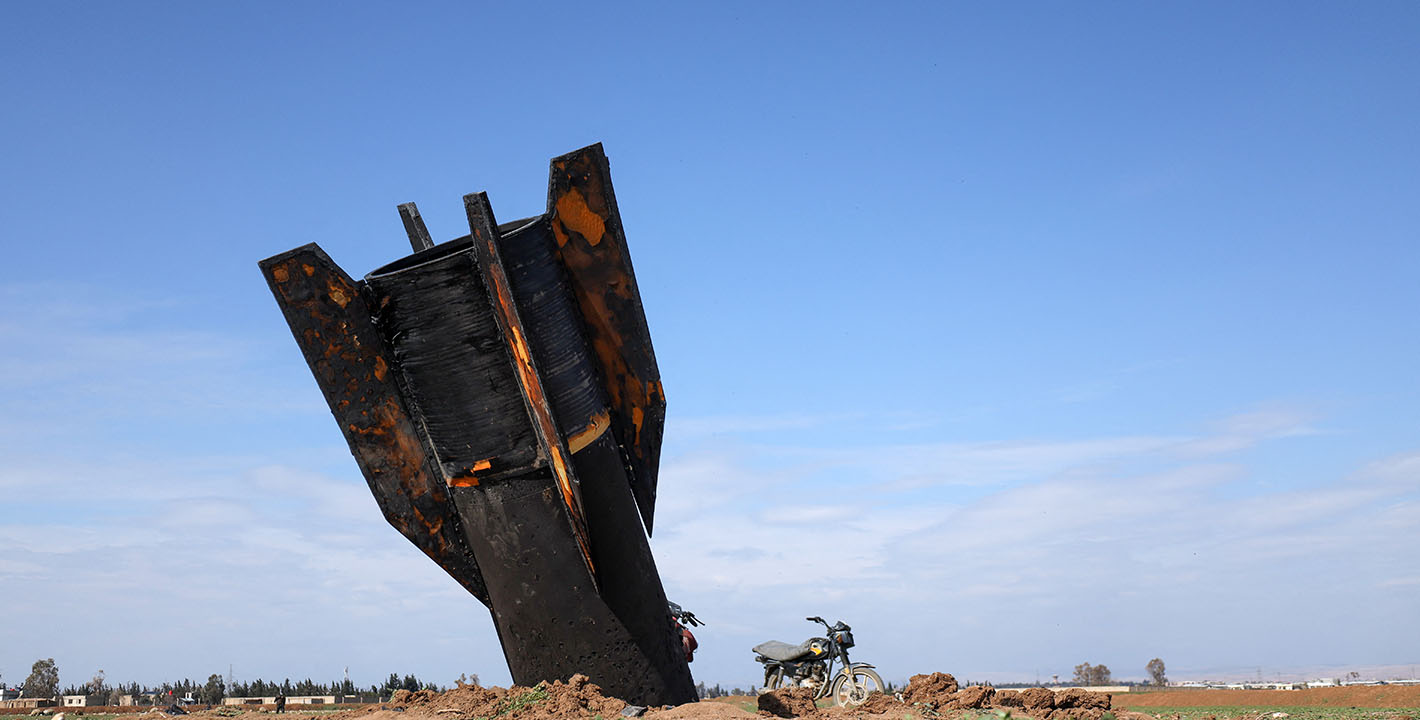
In an interview, Nicole Grajewski discusses the military dimension of the U.S. and Israeli attacks on Iran.

Michael Young
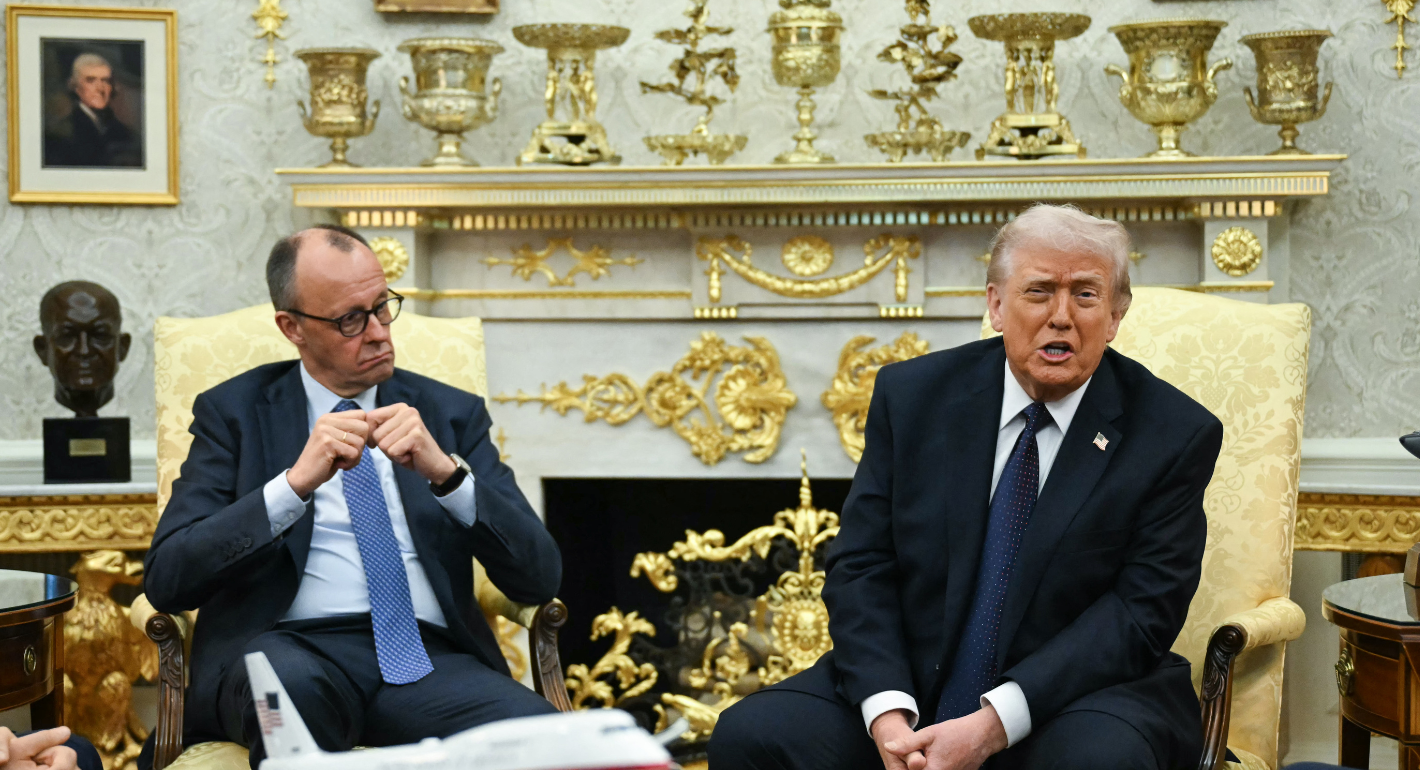
European reactions to the war in Iran have lost sight of wider political dynamics. The EU must position itself for the next phase of the crisis without giving up on its principles.

Richard Youngs
For years, the United States anchored global cyber diplomacy. As Washington rethinks its leadership role, the launch of the UN’s Cyber Global Mechanism may test how allies adjust their engagement.
Patryk Pawlak, Chris Painter