

Q&A
- +1
Amr Hamzawy, Andrew Leber, Eric Lob, …
{
  "authors": [
    "Marwan Muasher"
  ],
  "type": "legacyinthemedia",
  "centerAffiliationAll": "dc",
  "centers": [
    "Carnegie Endowment for International Peace",
    "Malcolm H. Kerr Carnegie Middle East Center"
  ],
  "collections": [
    "Arab Awakening"
  ],
  "englishNewsletterAll": "menaTransitions",
  "nonEnglishNewsletterAll": "",
  "primaryCenter": "Carnegie Endowment for International Peace",
  "programAffiliation": "MEP",
  "programs": [
    "Middle East"
  ],
  "projects": [],
  "regions": [
    "Middle East",
    "North Africa",
    "Egypt",
    "Saudi Arabia",
    "Yemen",
    "Gulf"
  ],
  "topics": [
    "Political Reform",
    "Security",
    "Foreign Policy"
  ]
}
Source: Getty
The Arab world is facing a vacuum of leadership. It is a new era, one that still has unknown repercussions.
Source: KPCC Airtalk
Speaking on KPCC Airtalk, Carnegie’s Marwan Muasher said that Saudi Arabia’s King Abdullah is probably the last leader of stature in the Arab world that belongs to the old generation. With his death, the mantle will be passed to a younger generation, one that does not have his leadership qualities, he continued. Today in the Arab world, there is a vacuum of leadership—it is a new era, one that still has unknown repercussions.
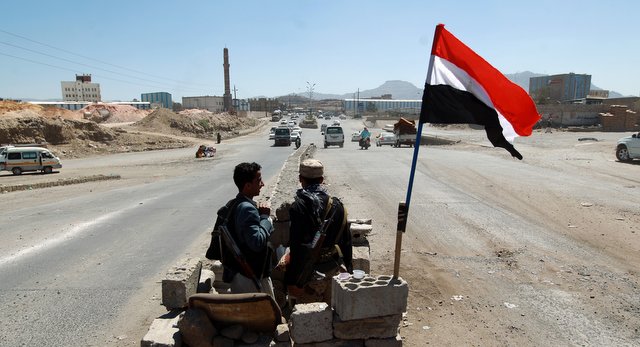
With the Houthi takeover of Sanaa, Yemen, the Saudis are particularly concerned with the growing Shia presence. Yemen will also continue to face a number of difficulties, such as the large presence of al-Qaeda, problems between the south and north, and the economy, which has been an issue for quite some time, Muasher added.
In regards to Egypt, he argued that the Egyptians need to realize that they have to rule in a more inclusionist manner, in the way that the Tunisians have done. Sisi will not be as popular as he is now, Muasher said, if he’s not able to address the structural issues in a meaningful way rather than in an ad-hoc manner.

Vice President for Studies
Marwan Muasher is vice president for studies at Carnegie, where he oversees research in Washington and Beirut on the Middle East. Muasher served as foreign minister (2002–2004) and deputy prime minister (2004–2005) of Jordan, and his career has spanned the areas of diplomacy, development, civil society, and communications.
Recent Work



Amr Hamzawy, Andrew Leber, Eric Lob, …
Marwan Muasher
Carnegie does not take institutional positions on public policy issues; the views represented herein are those of the author(s) and do not necessarily reflect the views of Carnegie, its staff, or its trustees.

How Ukraine is driving doctrinal change in modern warfare.

Andriy Zagorodnyuk
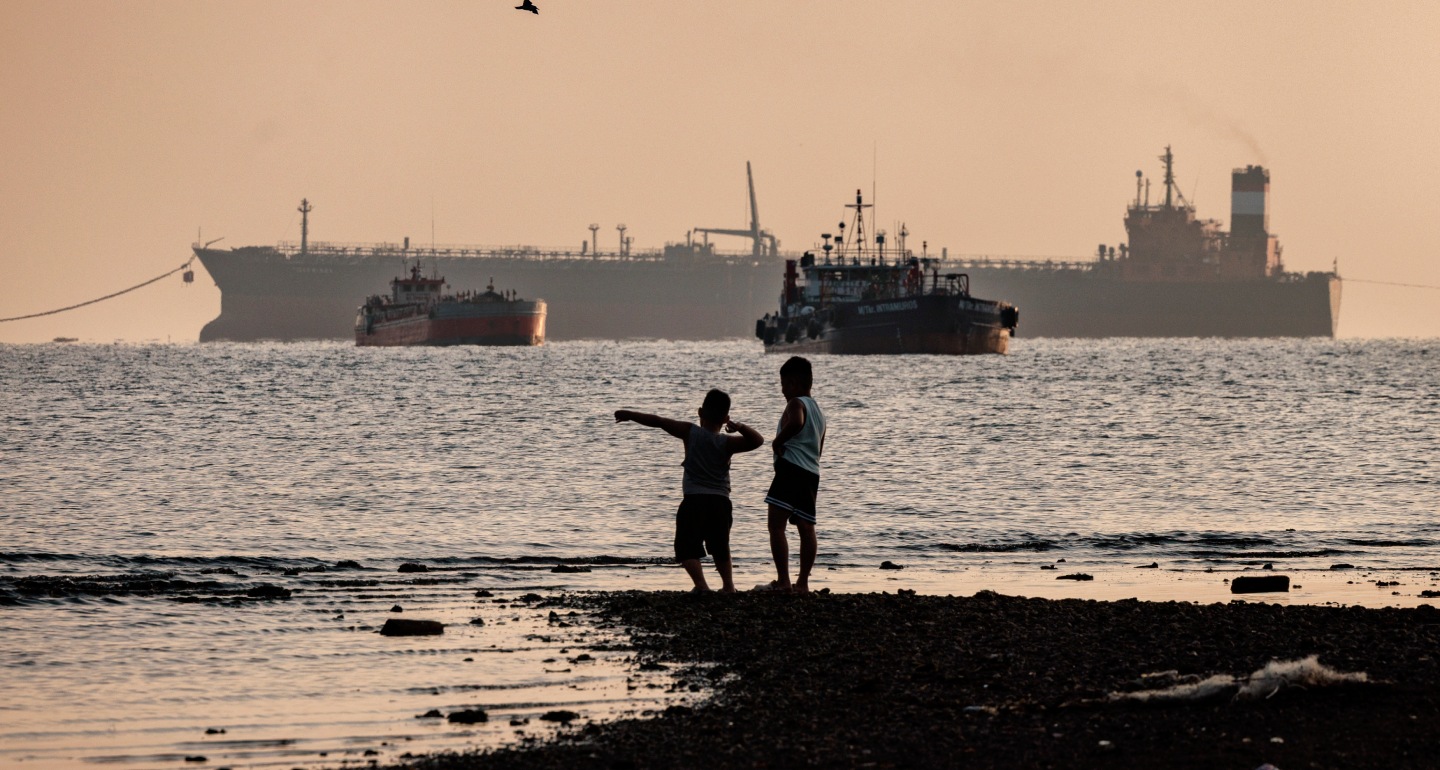
Although Ukrainian strikes have led to a noticeable decline in the physical volume of Russian oil exports, the rise in prices has more than made up for it.

Sergey Vakulenko

Five problems—and solutions—to make it actually work as a tool of great power competition.
Afreen Akhter
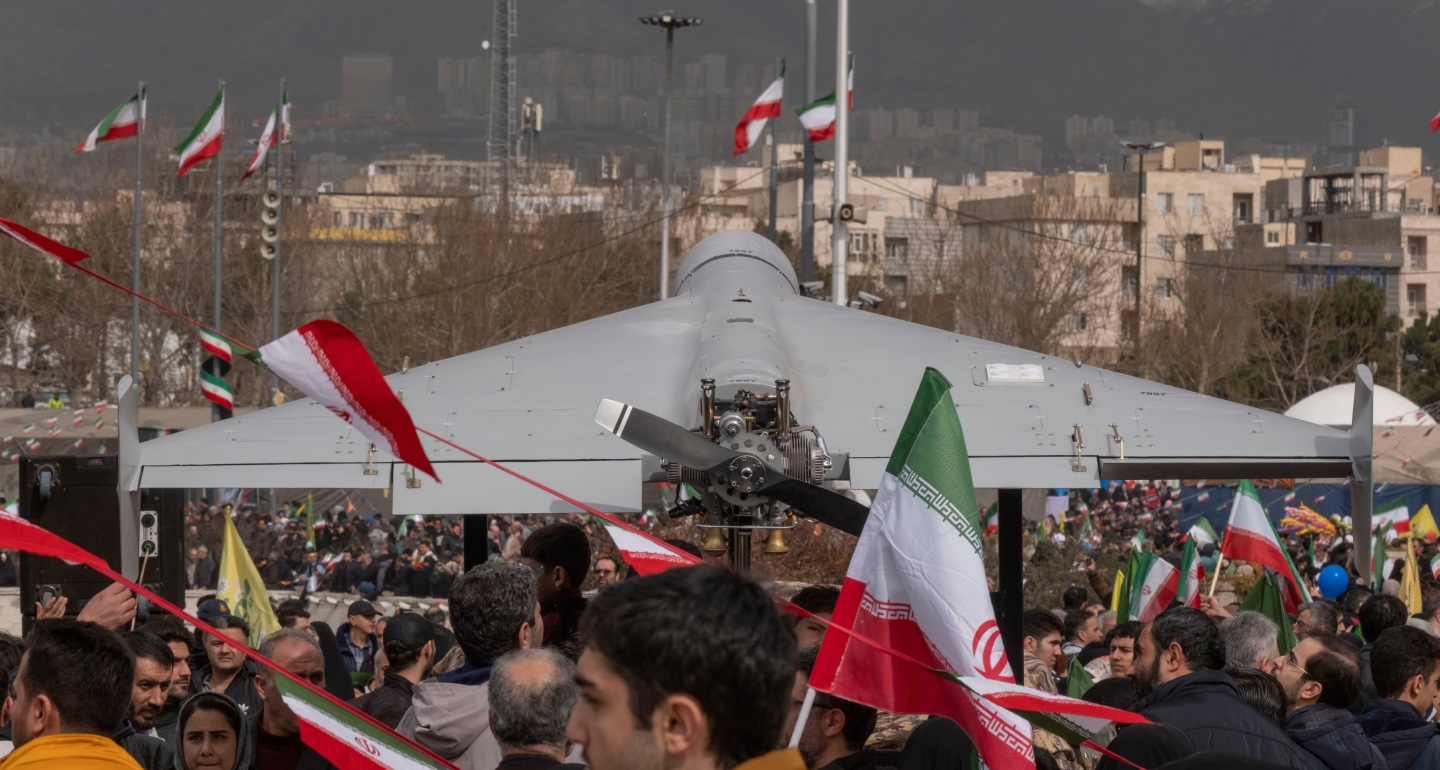
The Russian leadership wants to avoid a dangerous precedent in which it is squeezed out of Iran by the United States and Israel—and left powerless to respond in any meaningful way.

Nikita Smagin
One is hopeful. One is realistic. One is cautionary.
Andrew Leber, Sam Worby