

Paper
Christopher S. Chivvis, Rohan Mukherjee, Milan Vaishnav
{
  "authors": [
    "Milan Vaishnav"
  ],
  "type": "legacyinthemedia",
  "centerAffiliationAll": "dc",
  "centers": [
    "Carnegie Endowment for International Peace"
  ],
  "collections": [],
  "englishNewsletterAll": "ctw",
  "nonEnglishNewsletterAll": "",
  "primaryCenter": "Carnegie Endowment for International Peace",
  "programAffiliation": "SAP",
  "programs": [
    "South Asia"
  ],
  "projects": [],
  "regions": [
    "North America",
    "United States",
    "South Asia",
    "India"
  ],
  "topics": [
    "Foreign Policy"
  ]
}
Source: Getty
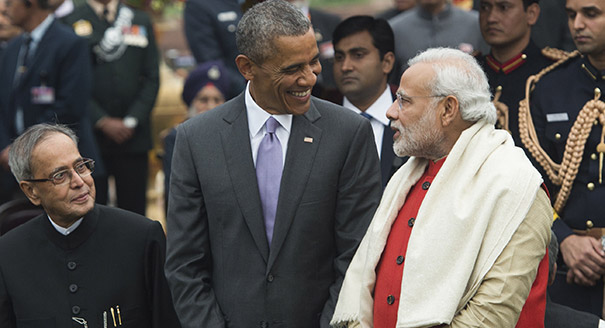
After a power packed long weekend for both President Obama and Prime Minister Modi, what does each country take back from this visit?
Source: Bloomberg TV India
From Sunday’s nuclear deal breakthrough to the commitments made on defence, taxation, and trade, it's been a power packed long weekend for both President Obama and Prime Minister Modi. So what does each country take back from this visit? Anupriya Nair discusses that with Sudhir Kapadia of EY, Vikas Vasal of KPMG, Milan Vaishnav of the Carnegie Endowment for International Peace, and Arun Kumar, Professor at the Jawaharlal Nehru University.
Director and Senior Fellow, South Asia Program
Milan Vaishnav is a senior fellow and director of the South Asia Program and the host of the Grand Tamasha podcast at the Carnegie Endowment for International Peace. His primary research focus is the political economy of India, and he examines issues such as corruption and governance, state capacity, federalism, and electoral behavior. He also conducts research on the Indian diaspora.
Recent Work
Christopher S. Chivvis, Rohan Mukherjee, Milan Vaishnav
Sophia Besch, Eric Ciaramella, Steve Feldstein, …
Carnegie does not take institutional positions on public policy issues; the views represented herein are those of the author(s) and do not necessarily reflect the views of Carnegie, its staff, or its trustees.
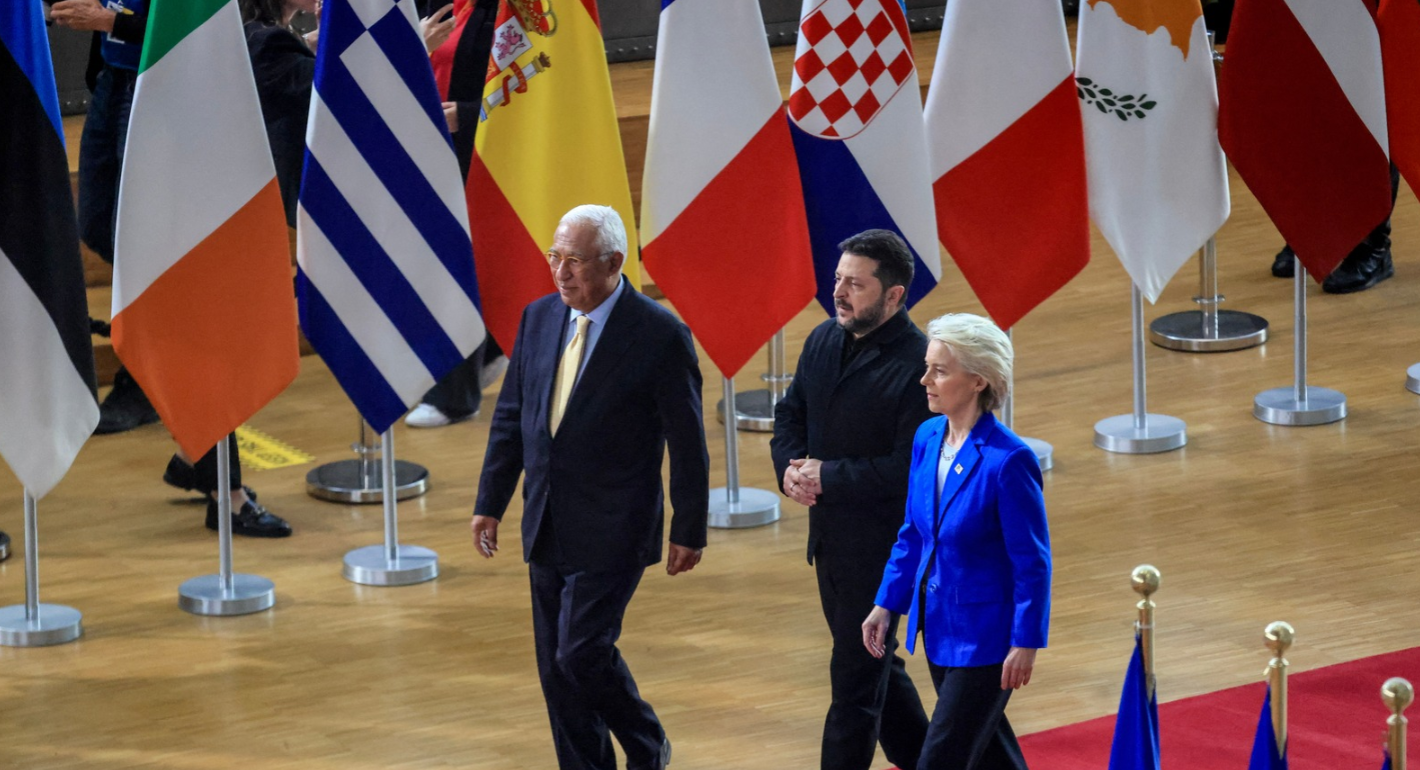
The EU can impose sanctions but struggles to enforce them without the United States. With Washington increasingly disinterested in backing European interests, the bloc must now fend for itself.
Nicu Popescu, Tiago Antunes
Global and rising powers will need to engage with Africa’s priorities and agency in order to secure the continent’s increasingly attractive partnerships.
Fonteh Akum
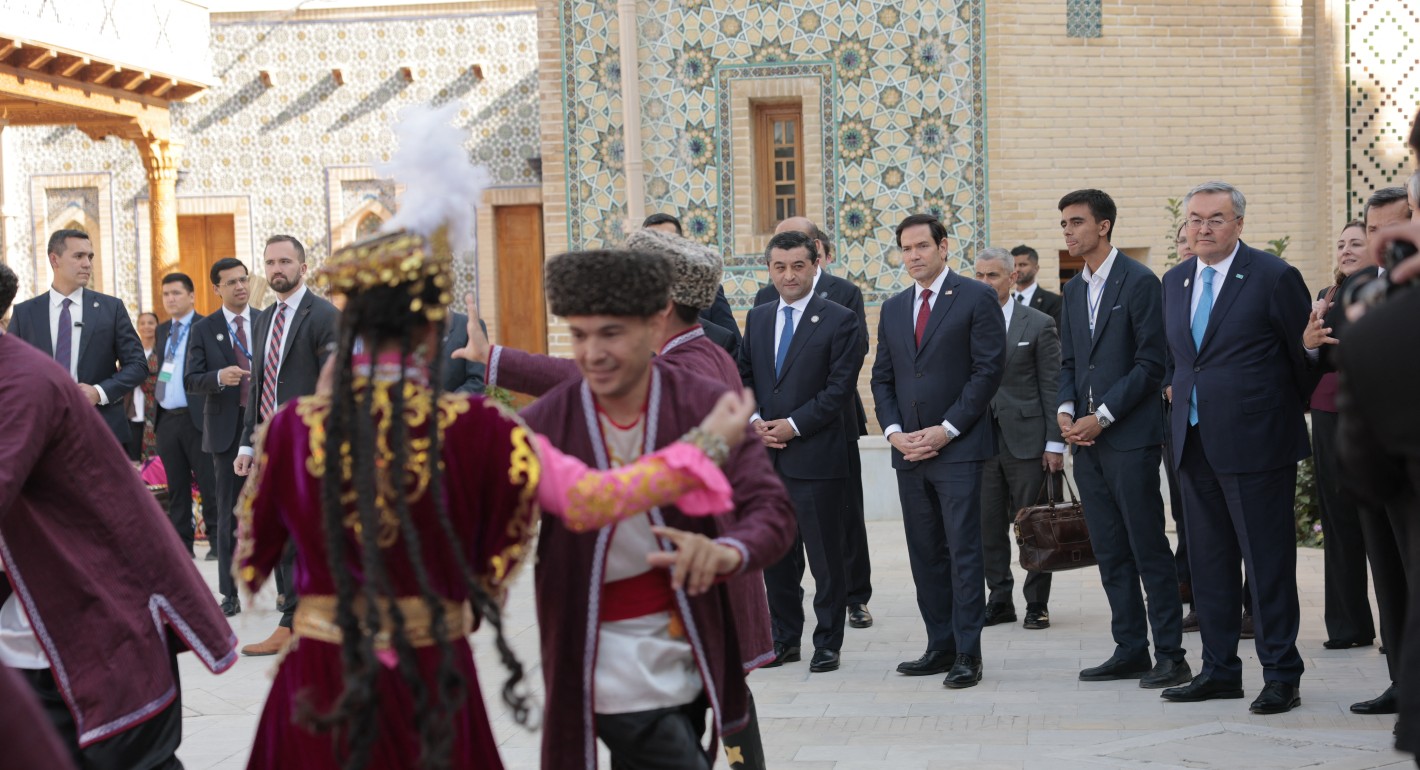
Rubio’s recent visit brought welcome attention, but more capital requires governance changes that may be a hard sell for regional governments.
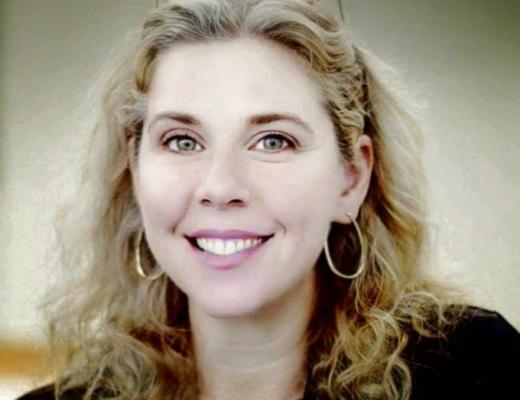
Jennifer B. Murtazashvili

America’s foreign-policy objectives have grown more demanding while Americans have demanded greater focus on their own affairs.
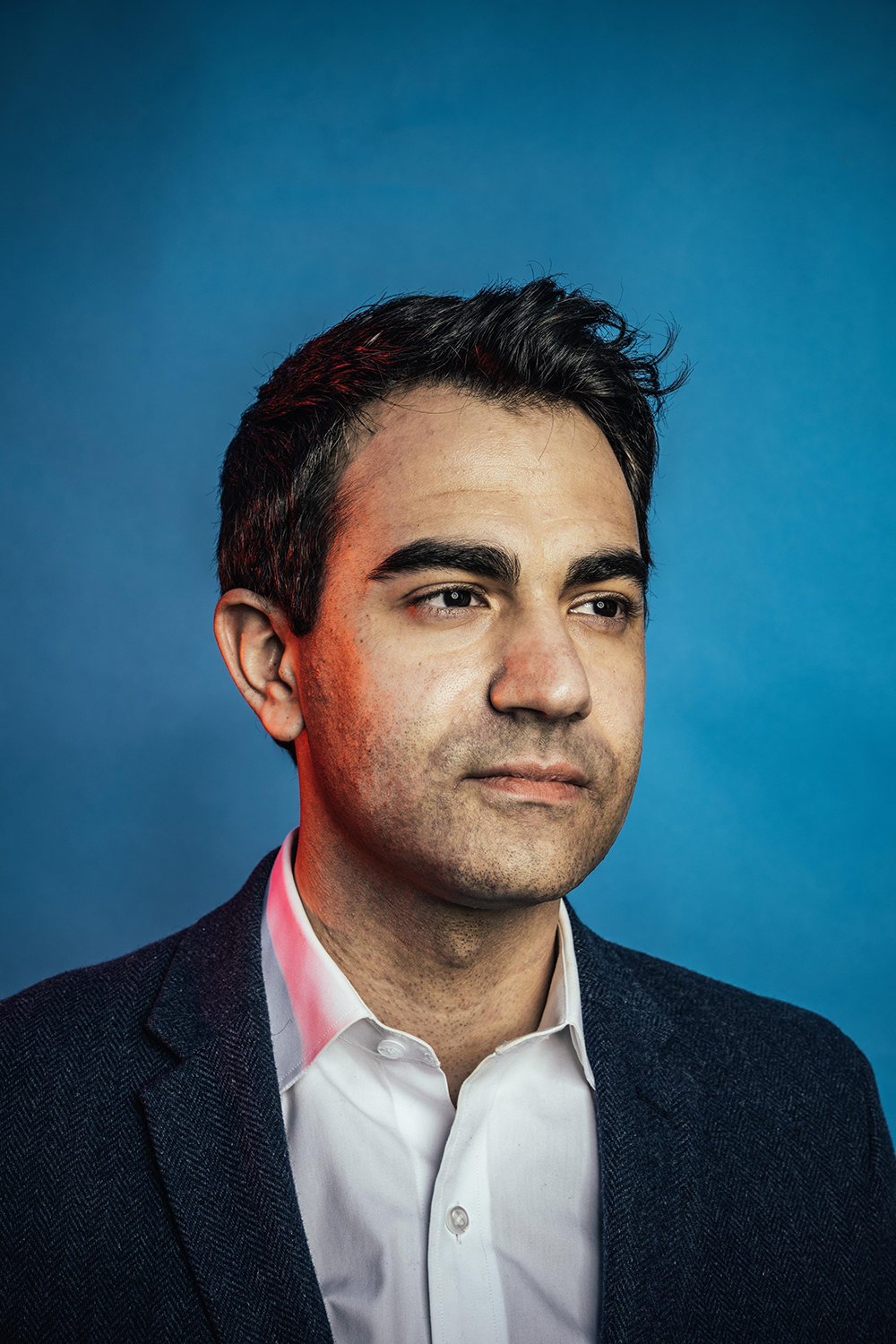
Stephen Wertheim
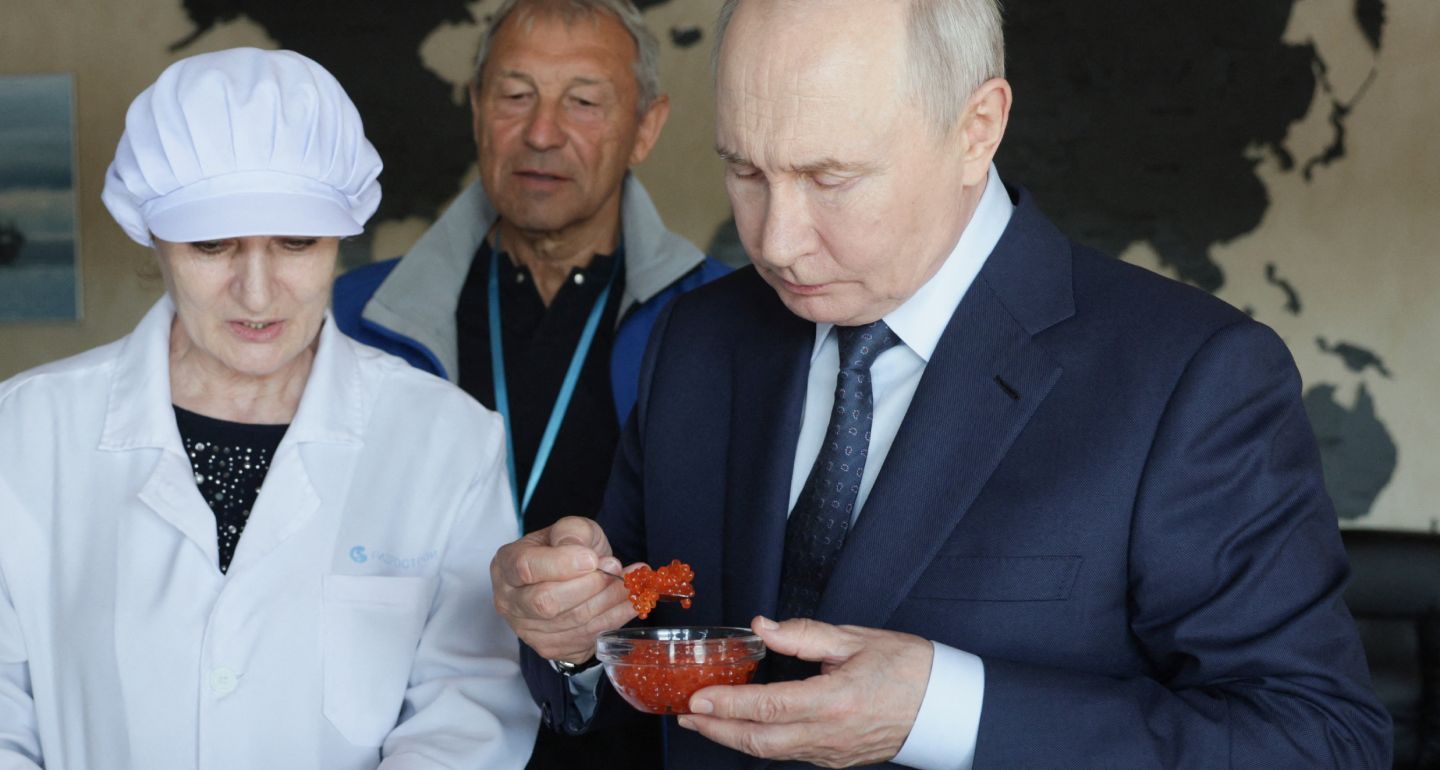
Japan’s long-term security policy is driven by concerns about China, and there is little appetite for (or interest in) pursuing a confrontation with Moscow.

James D.J. Brown