

Article
Ukraine’s asymmetric approach has rendered Russia’s Black Sea Fleet functionally useless. But a long-term commitment will be needed to maintain this balance of power.
Alina Frolova, Stepan Yakymiak
{
  "authors": [
    "Lina Khatib",
    "Ahmed Gaaloul",
    "Aymenn Jawad Al-Tamimi"
  ],
  "type": "legacyinthemedia",
  "centerAffiliationAll": "dc",
  "centers": [
    "Carnegie Endowment for International Peace",
    "Malcolm H. Kerr Carnegie Middle East Center"
  ],
  "collections": [],
  "englishNewsletterAll": "menaTransitions",
  "nonEnglishNewsletterAll": "",
  "primaryCenter": "Malcolm H. Kerr Carnegie Middle East Center",
  "programAffiliation": "MEP",
  "programs": [
    "Middle East"
  ],
  "projects": [],
  "regions": [
    "Gulf",
    "Levant",
    "Maghreb",
    "Syria",
    "Iraq",
    "Tunisia",
    "Middle East",
    "North Africa"
  ],
  "topics": [
    "Security"
  ]
}
Source: Getty
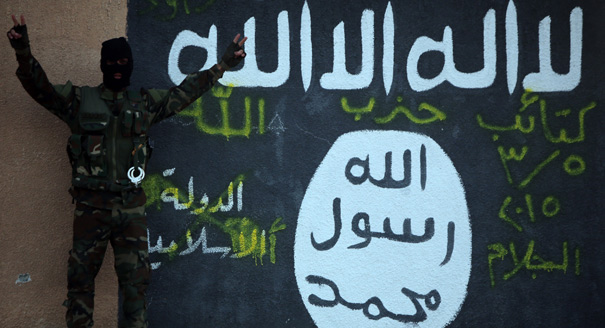
A year after declaring a “caliphate,” self-proclaimed Islamic State fighters are claiming attacks in Kuwait and Tunisia.
Source: Al Jazeera Inside Story
More than 60 people were killed on Friday in two attacks.
The first was a suicide bomb explosion at a mosque for Shia Muslims in Kuwait City—the first such attack in relatively stable Kuwait.
Then in Tunisia, European tourists were targeted in their resort. A gunman randomly opening fire among the beach umbrellas and continuing in a hotel.
The message, for many, is clear: ISIL is expanding its activities beyond areas already seized in Iraq and Syria.
But what are the limits of the group’s expansion?
This interview was originally broadcast on Al Jazeera’s Inside Story.
Former Director, Middle East Center
Khatib was director of the Carnegie Middle East Center in Beirut. Previously, she was the co-founding head of the Program on Arab Reform and Democracy at Stanford University’s Center on Democracy, Development, and the Rule of Law.
Ahmed Gaaloul
Aymenn Jawad Al-Tamimi
Carnegie does not take institutional positions on public policy issues; the views represented herein are those of the author(s) and do not necessarily reflect the views of Carnegie, its staff, or its trustees.
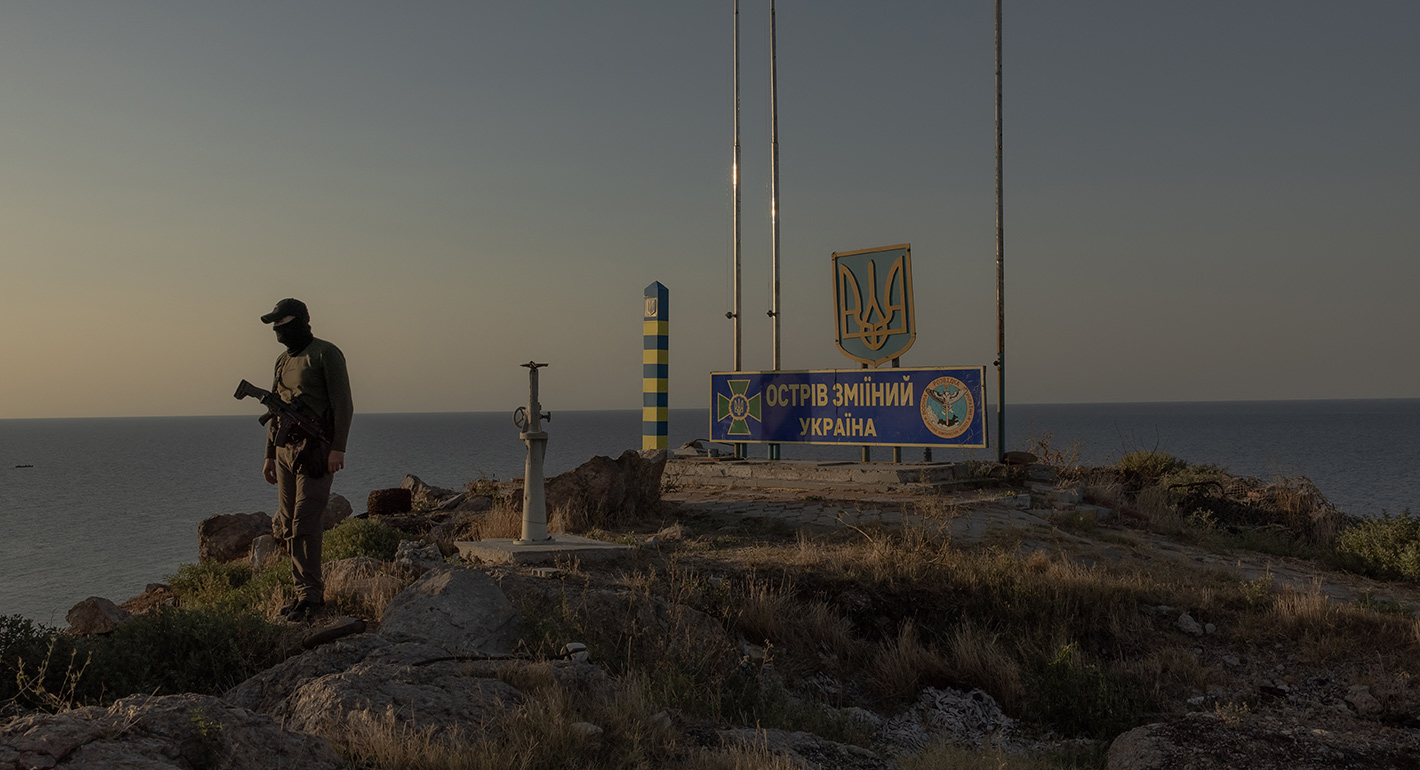
Ukraine’s asymmetric approach has rendered Russia’s Black Sea Fleet functionally useless. But a long-term commitment will be needed to maintain this balance of power.
Alina Frolova, Stepan Yakymiak
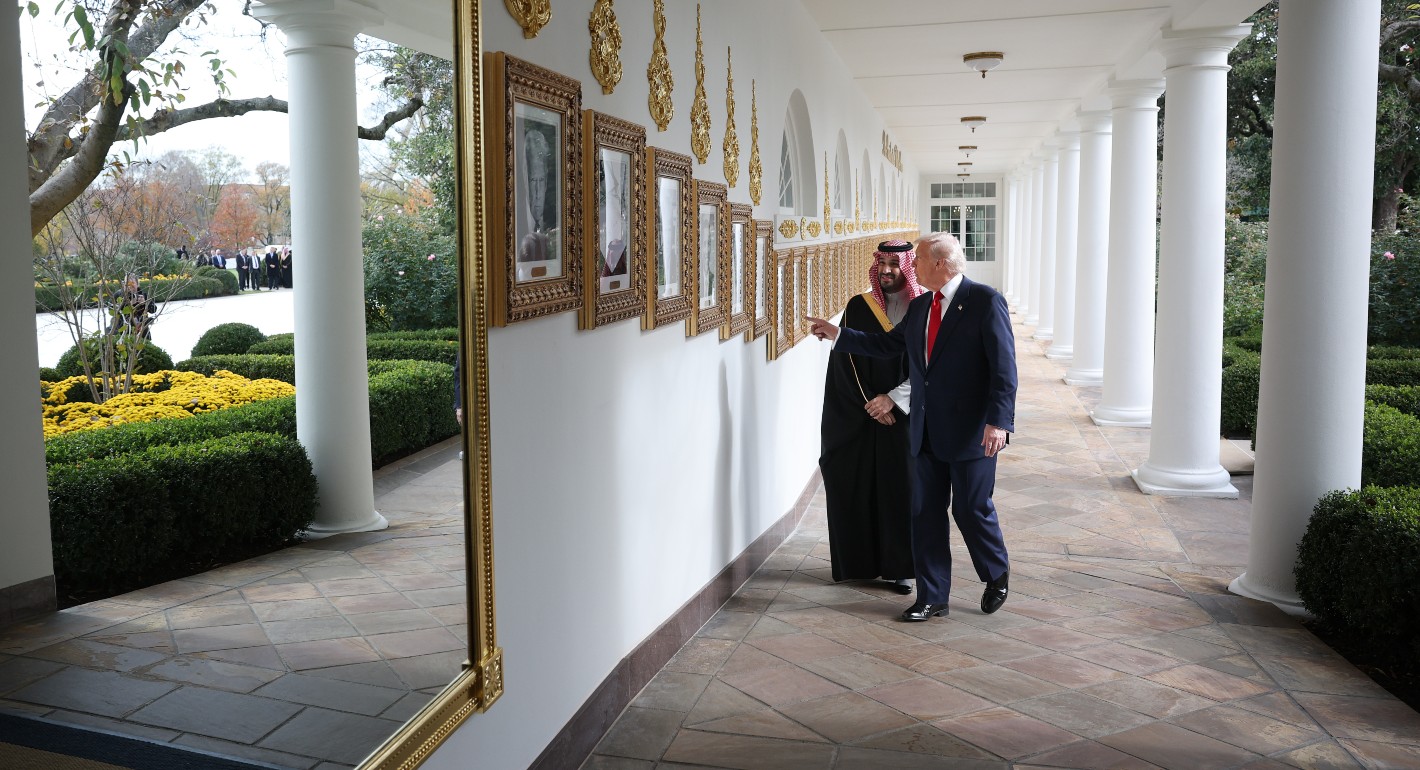
Neither the Abraham Accords nor the presence of large U.S. bases are enough to protect Arab Gulf states.

Marwan Muasher
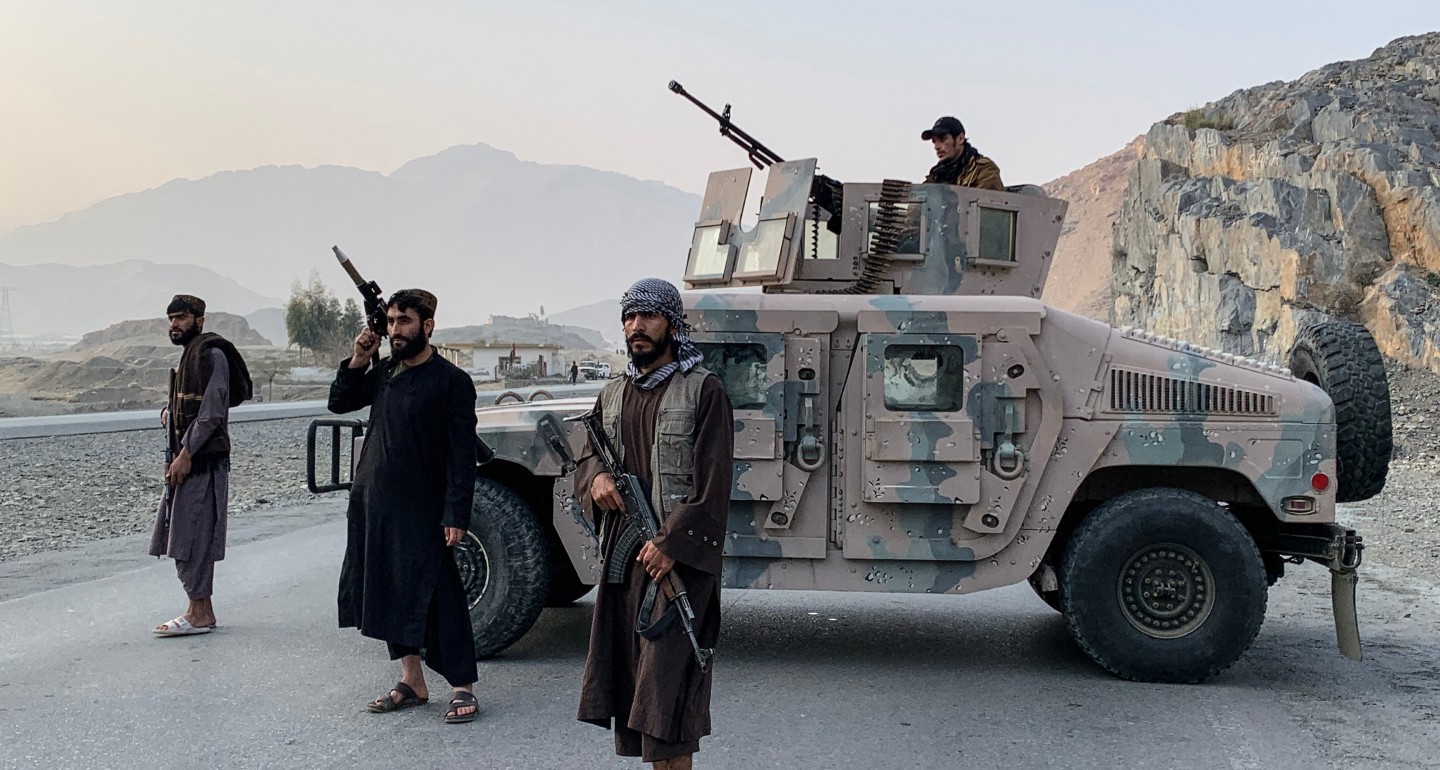
Not only does the fighting jeopardize regional security, it undermines Russian attempts to promote alternatives to the Western-dominated world order.
Ruslan Suleymanov
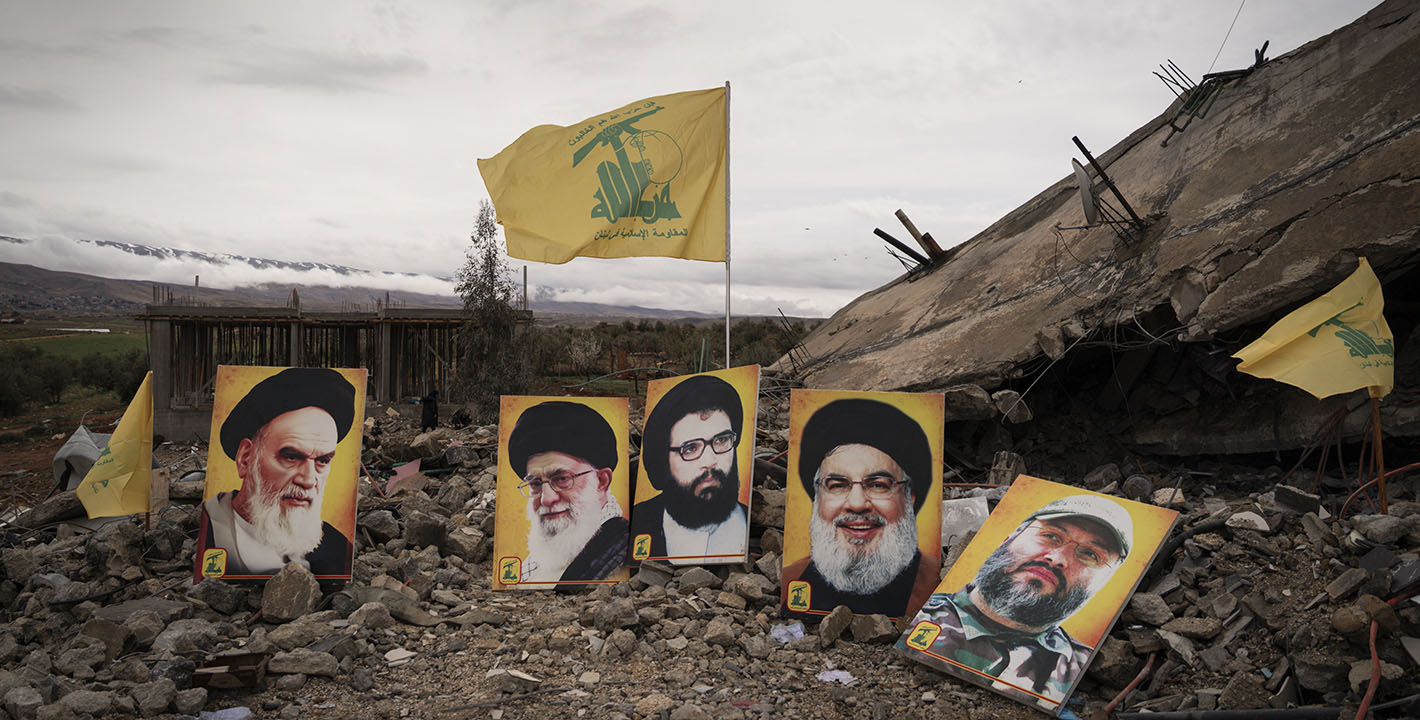
The party’s objectives involve tying together the Lebanese and Iranian fronts, while surviving militarily and politically at home.
Mohamad Fawaz
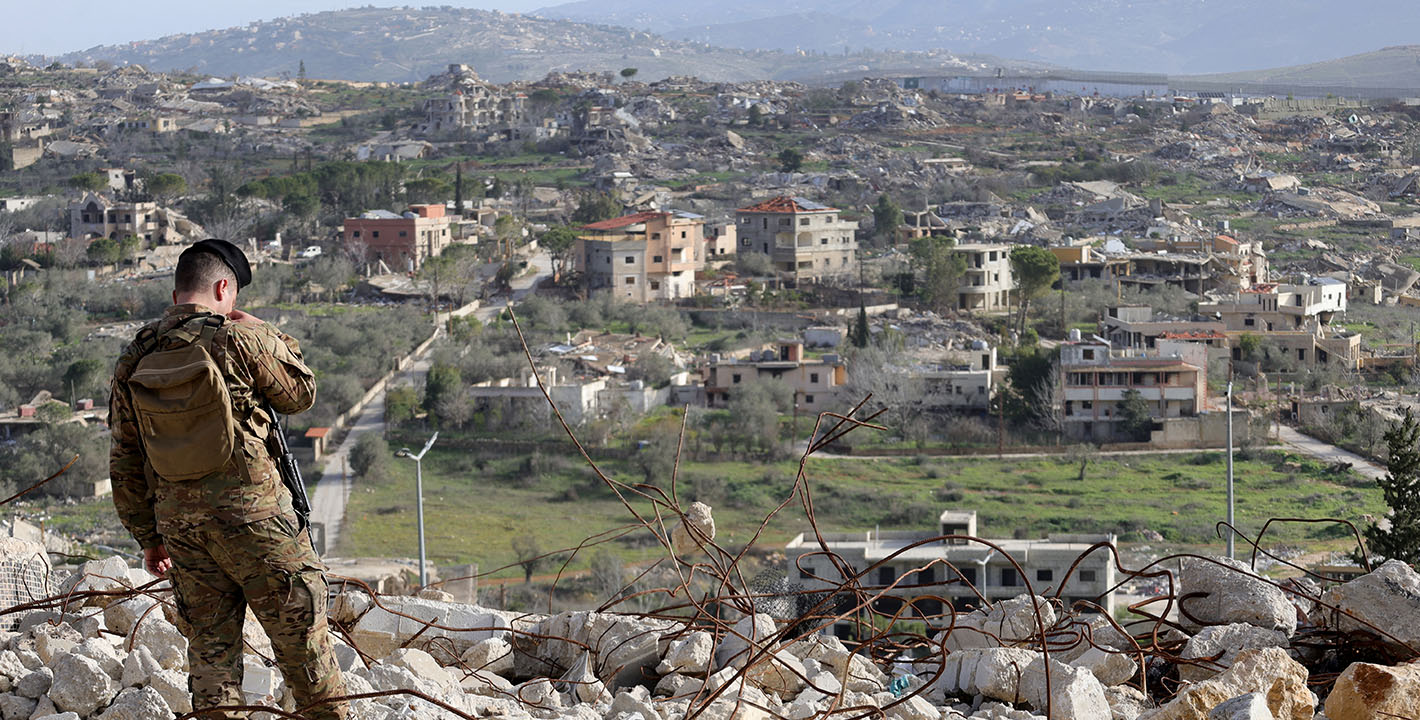
While armed forces commander Rudolph Haykal’s caution is understandable, he is in a position to act, and must.

Michael Young