

Commentary
- +1
Sumitra Badrinathan, Devesh Kapur, Andy Robaina, …
{
  "authors": [
    "Milan Vaishnav"
  ],
  "type": "other",
  "centerAffiliationAll": "dc",
  "centers": [
    "Carnegie Endowment for International Peace"
  ],
  "collections": [],
  "englishNewsletterAll": "ctw",
  "nonEnglishNewsletterAll": "",
  "primaryCenter": "Carnegie Endowment for International Peace",
  "programAffiliation": "SAP",
  "programs": [
    "South Asia"
  ],
  "projects": [],
  "regions": [
    "South Asia",
    "India"
  ],
  "topics": [
    "Political Reform",
    "Economy"
  ]
}
Source: Getty
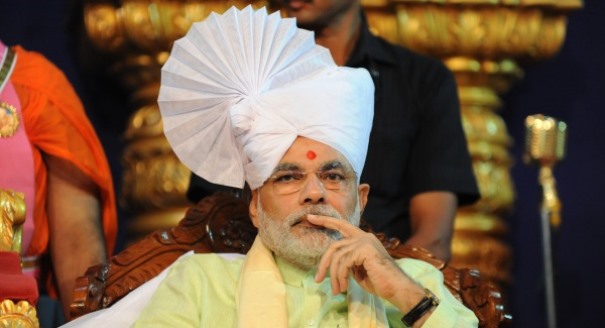
Given the array of external and internal constraints on the government, further enhanced by recent election defeats, the Modi government is unlikely to deviate from its gradualist path toward reform.
Source: Bertelsmann Foundation
Indian Prime Minister Narendra Modi entered office with a historic political mandate. For the first time in thirty years, a single party won a majority of seats in the lower house of Parliament (Lok Sabha). However, Modi faces skyhigh expectations to fulfill his campaign promises of getting India’s economy back on track. Eighteen months into his government’s term and in the wake of electoral defeats in the states of Delhi and Bihar, questions are being raised about its economic performance. While the Modi government has stabilized India’s macroeconomy and announced a series of incremental economic reforms, more sweeping changes have fallen victim to India’s nettlesome domestic politics, including roadblocks within the ruling alliance....Read the full text of this policy brief at the Bertelsmann Foundation.

Director and Senior Fellow, South Asia Program
Milan Vaishnav is a senior fellow and director of the South Asia Program and the host of the Grand Tamasha podcast at the Carnegie Endowment for International Peace. His primary research focus is the political economy of India, and he examines issues such as corruption and governance, state capacity, distributive politics, and electoral behavior. He also conducts research on the Indian diaspora.
Recent Work
Sumitra Badrinathan, Devesh Kapur, Andy Robaina, …
Milan Vaishnav, Sumitra Badrinathan, Devesh Kapur, …
Carnegie does not take institutional positions on public policy issues; the views represented herein are those of the author(s) and do not necessarily reflect the views of Carnegie, its staff, or its trustees.
European reactions to the war in Iran have lost sight of wider political dynamics. The EU must position itself for the next phase of the crisis without giving up on its principles.

Richard Youngs
Tehran’s attacks are reshaping the security situation in the Middle East—and forcing the region’s clock to tick backward once again.

Amr Hamzawy
Cargo time release studies offer a path to greater economic gains and higher trust between neighboring countries.
Nikita Singla
Only collective security can protect fragile economic models.

Andrew Leber
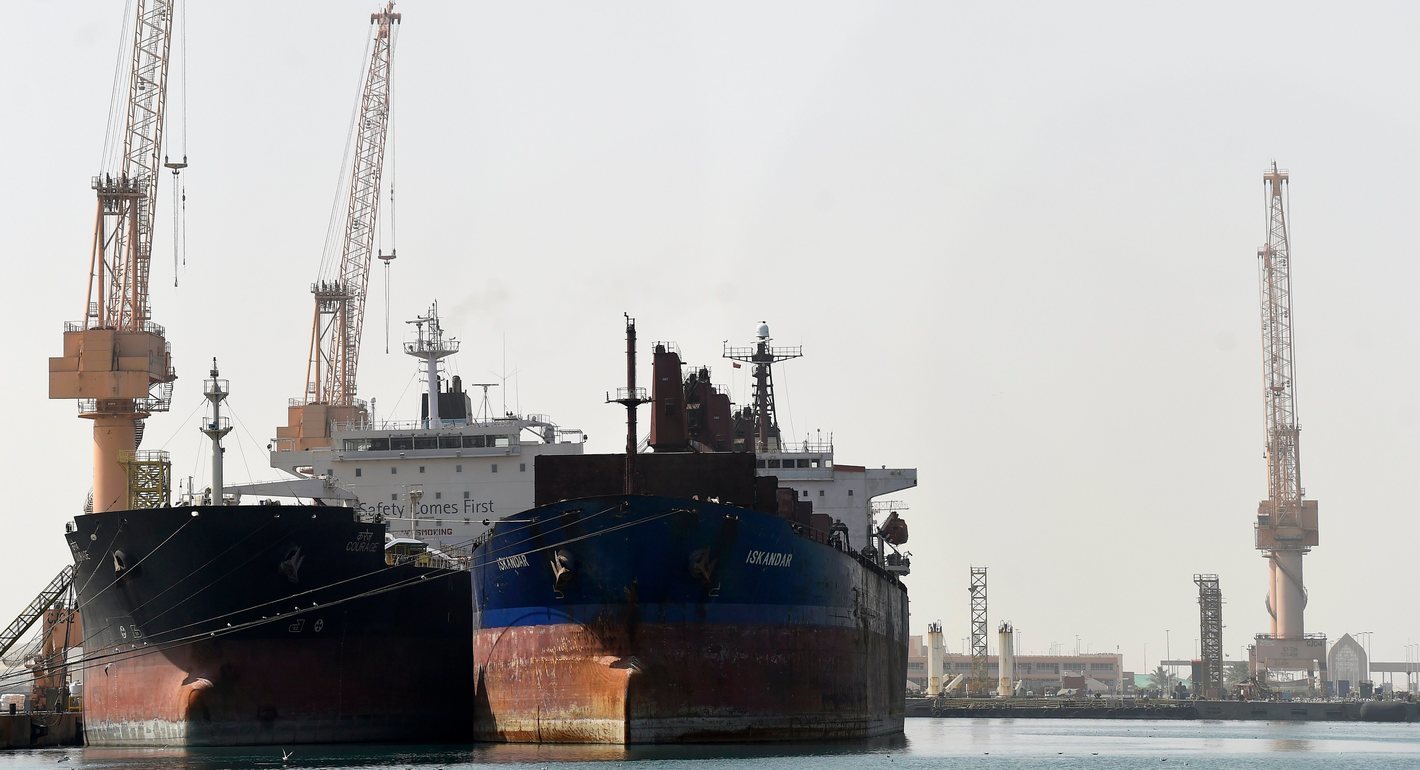
In a volatile Middle East, the Omani port of Duqm offers stability, neutrality, and opportunity. Could this hidden port become the ultimate safe harbor for global trade?
Giorgio Cafiero, Samuel Ramani