

Article
Japan’s revision of its three strategic documents reflects an intention to keep the United States engaged in the region while Japan fills any vacuums of U.S. power to preserve the Indo-Pacific order.
Ryo Sahashi
{
  "authors": [
    "Nikolay Kozhanov"
  ],
  "type": "legacyinthemedia",
  "centerAffiliationAll": "",
  "centers": [
    "Carnegie Endowment for International Peace",
    "Carnegie Russia Eurasia Center"
  ],
  "collections": [],
  "englishNewsletterAll": "",
  "nonEnglishNewsletterAll": "",
  "primaryCenter": "Carnegie Russia Eurasia Center",
  "programAffiliation": "",
  "programs": [],
  "projects": [
    "Eurasia in Transition"
  ],
  "regions": [
    "Middle East",
    "Iran",
    "Syria",
    "Russia"
  ],
  "topics": [
    "Security",
    "Military",
    "Foreign Policy"
  ]
}
Source: Getty
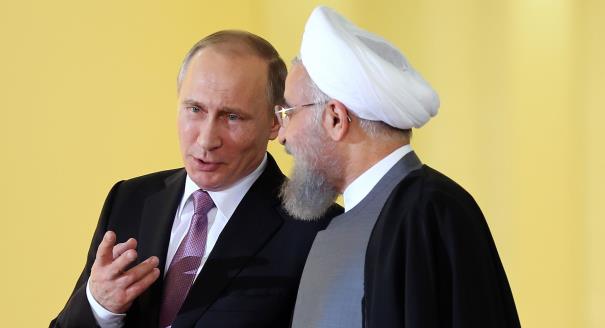
At the moment, Russia and Iran remain partners in Syria, but their cooperation will be limited.
Source: Chatham House
At least for now, Tehran needs Moscow. Iran would be unable to save the Syrian regime without Russian support, not to mention provide Damascus with equipment that guarantees the superiority of the Syrian government forces: Russia does have this within its gift. The Russian government, in response, has been backing Iranian involvement in negotiations on Syria. Russia and Iran not only insist on dialogue between Damascus and the opposition, they both wish to secure the survival of the Syrian government institutions and Bashar al-Assad.
A signal of Iranian support for Russia was sent in mid-October when the speaker of the Iranian parliament, Ali Larijani, met Putin in Sochi and called upon Moscow to play the security guarantor role. Larijani is not just a speaker of the Majlis, his family clan is influential too. He embodies the ‘pragmatic’ views of those traditionally critical of Russia. Praising the Russian president for his efforts in Syria suggests that the Iranian political elite have reached a consensus on cooperating with Russia.
Moscow and Tehran also seem to have arrived at a common view on Assad’s destiny. Both accept the possibility of Syria without Assad. For Russia and Iran, keeping Assad in power is just the means of continuing their policy in Syria. Russia is addressing what it sees as a security challenge to the stability of the post-Soviet space posed by radical Islamists. Moscow also uses its military presence in the region as leverage with the West. For Iran, its struggle in Syria is a part of its effort to be the leading regional power.But there are six reasons why Russian-Iranian cooperation will be limited:
First, neither Russia nor Iran is interested in a fully-fledged alliance. Moscow has no wish to be part of a pro-Shia camp confronting the GCC-led Sunni coalition. This would affect Russian security as its 17 million-strong Muslim population is largely Sunni.
Second, Tehran is also concerned about being involved in the wider Russian confrontation with the West while it seeks European technologies and money.
Third, Moscow guaranteed Israel that Russian actions in Syria would not pose a threat to Israel. This, of course, is contrary to Iran’s interests. Iran will attempt to increase its presence in southern Syria to have better access to Hezbollah and the Israeli borders.
Fourth, while largely supporting Russian air strikes, some of the Iranian political elite is concerned that Russia may hijack Tehran’s own successes in Syria. It is largely due to Iranian support that the Syrian regime has managed to survive until now. Russian military involvement has overshadowed Iranian assistance.
Fifth, a part of the Syrian elite welcomes the Russian presence as a means to balance Tehran. This will inevitably concern the Iranians whose military leaders do not see Assad as just a mere foreign policy tool. On 3 November, the head of Iran’s Revolutionary Guard Corps (IRGC), Major General Mohammad Ali Jafari, said Russia ‘may not care if Assad stays in power as we do’.
The sixth and final reason Russo-Iranian cooperation is limited is the Iranians expect a pay-off from Syria when the conflict is over. Now, they will need to share that with Moscow. This could undermine any revival of the Iran-Iraq-Syria-Mediterranean gas pipeline project that Tehran wants but is a concern for Russia.
Russia and Iran probably understand the limits to their cooperation in Syria. And so far, military coordination between the two has been patchy. Neither are in a hurry to create joint command structures, and in most cases, they simply prefer to take parallel paths to the same destination.
This article originally appeared on the Chatham House’s site.
Nikolay Kozhanov
Former nonresident scholar, Foreign and Security Policy Program, Moscow Center
Kozhanov is a former nonresident scholar at the Carnegie Moscow Center and a contributing expert to the Moscow-based Institute of the Middle East.
Carnegie does not take institutional positions on public policy issues; the views represented herein are those of the author(s) and do not necessarily reflect the views of Carnegie, its staff, or its trustees.
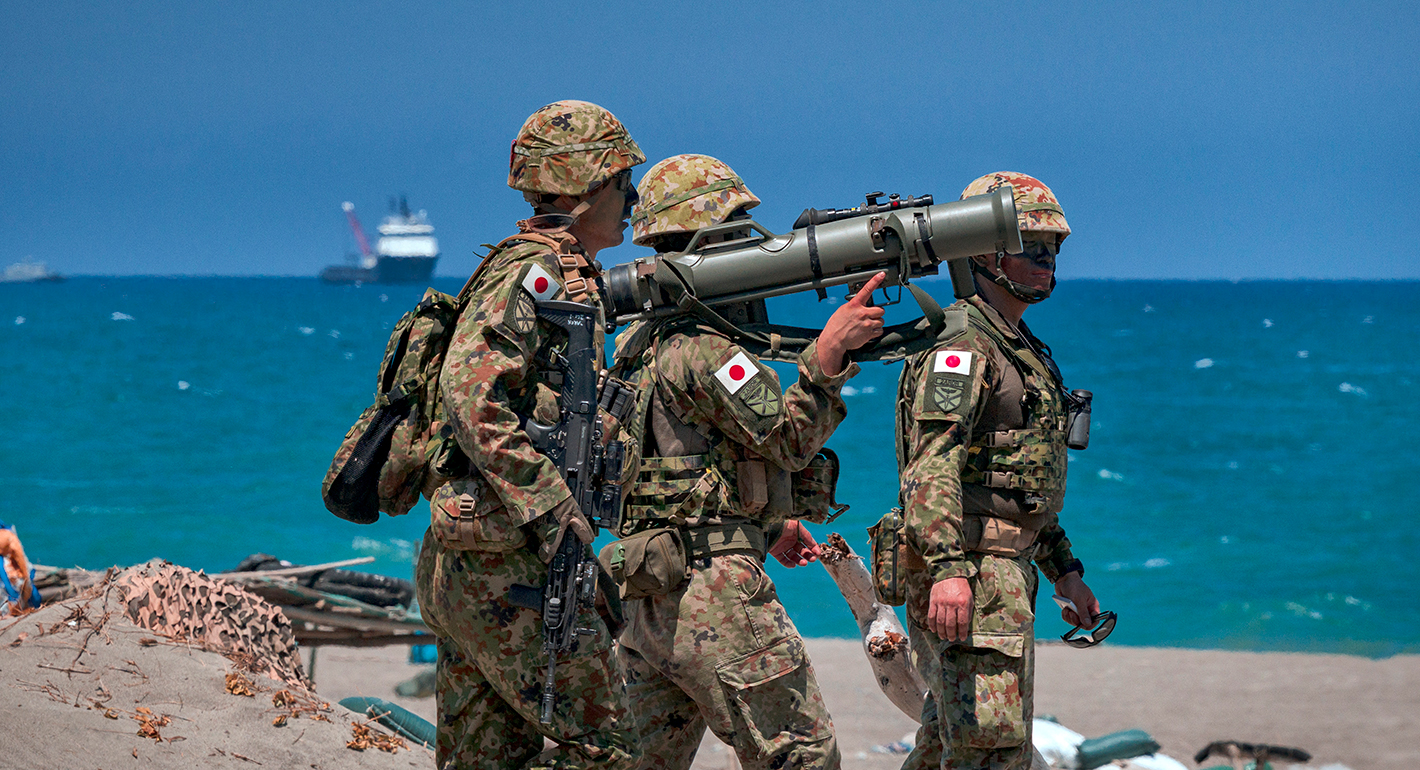
Japan’s revision of its three strategic documents reflects an intention to keep the United States engaged in the region while Japan fills any vacuums of U.S. power to preserve the Indo-Pacific order.
Ryo Sahashi
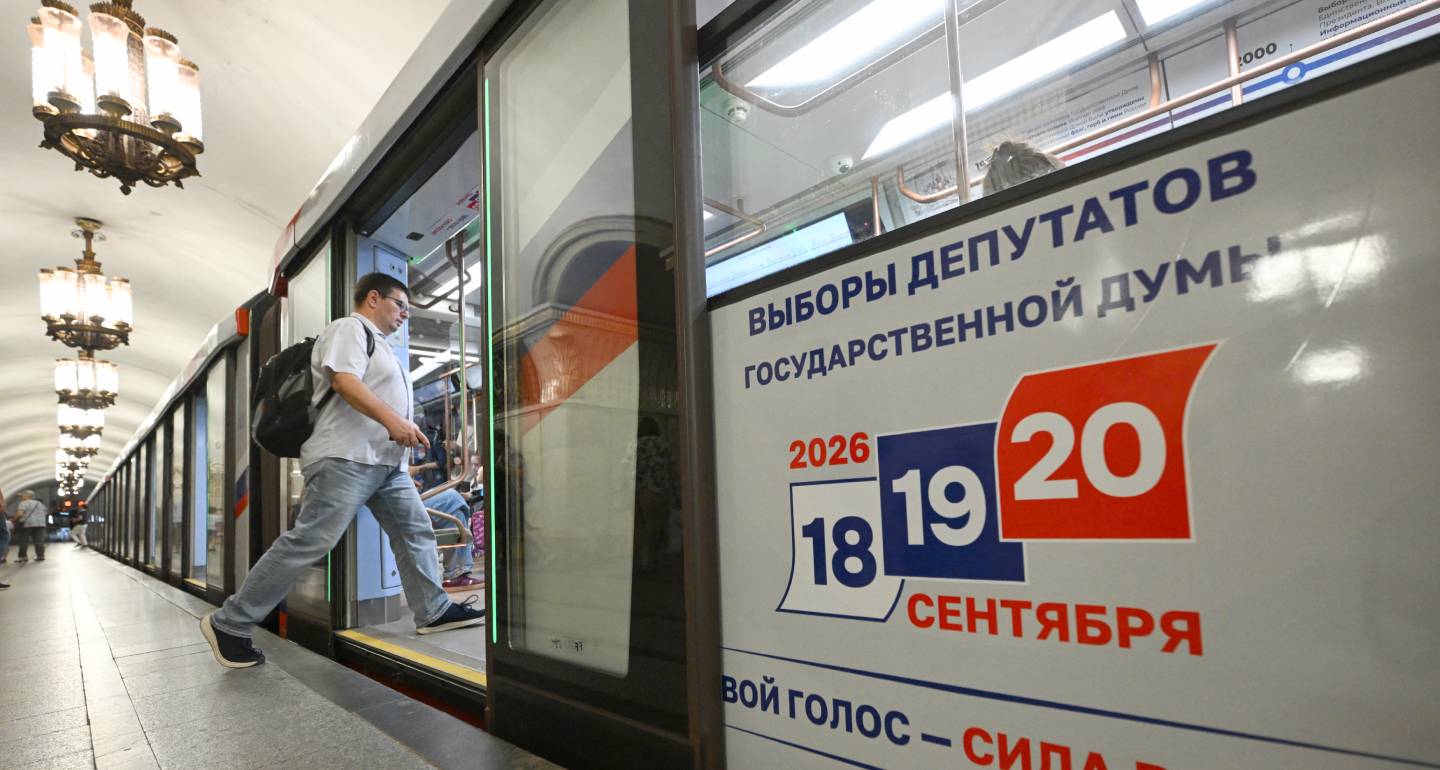
In the discussions made possible by the State Duma election campaign, one question is being asked more and more loudly. “What next?”

Andrey Pertsev

While the Nazis rushed ahead in a revolutionary fervor, Russia’s modern crusaders against enemies of the state work methodically, giving their targets time to adjust to restrictions before closing the loopholes.

Leonid Bershidsky
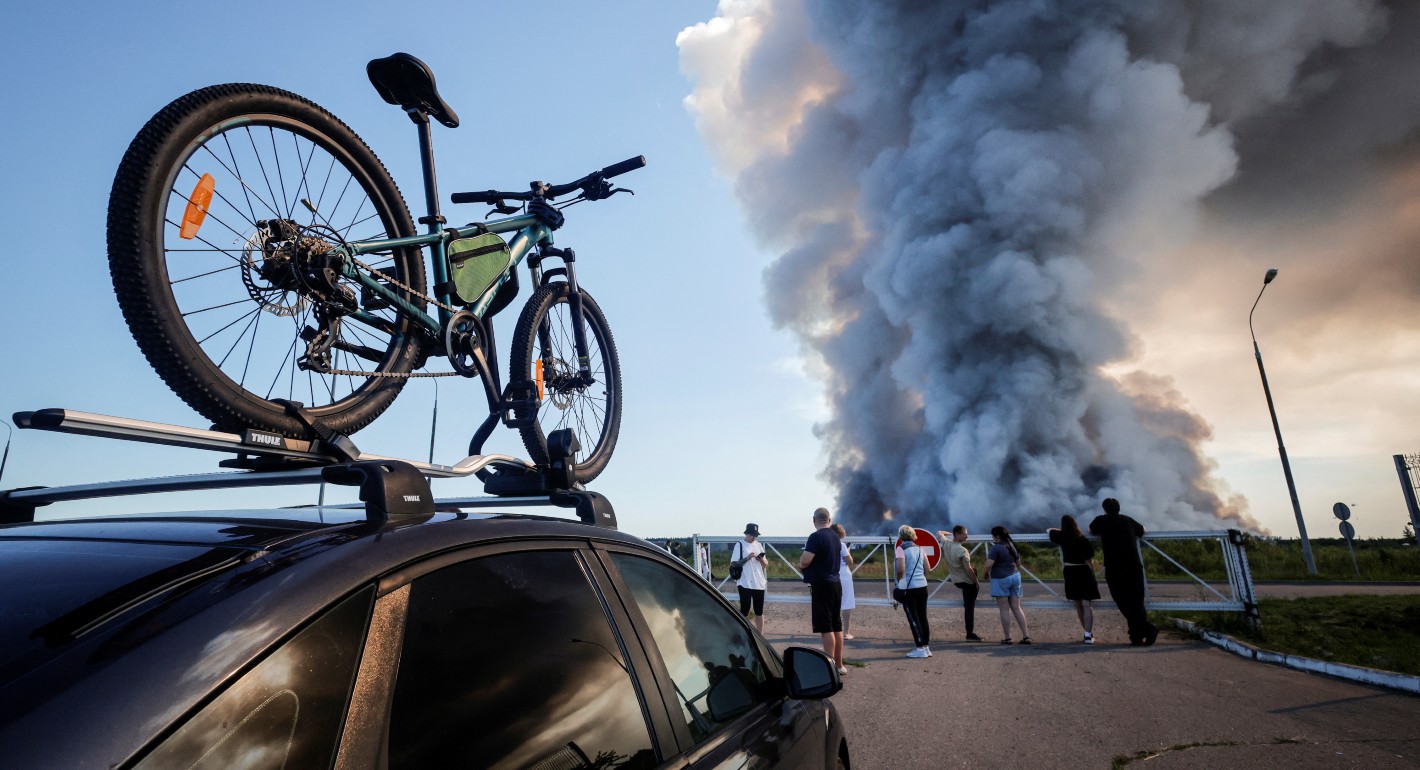
Media coverage suggests Kyiv’s fortunes have changed. That shift may be important, but it only goes so far.



Dara Massicot, Aaron David Miller, Andrew S. Weiss
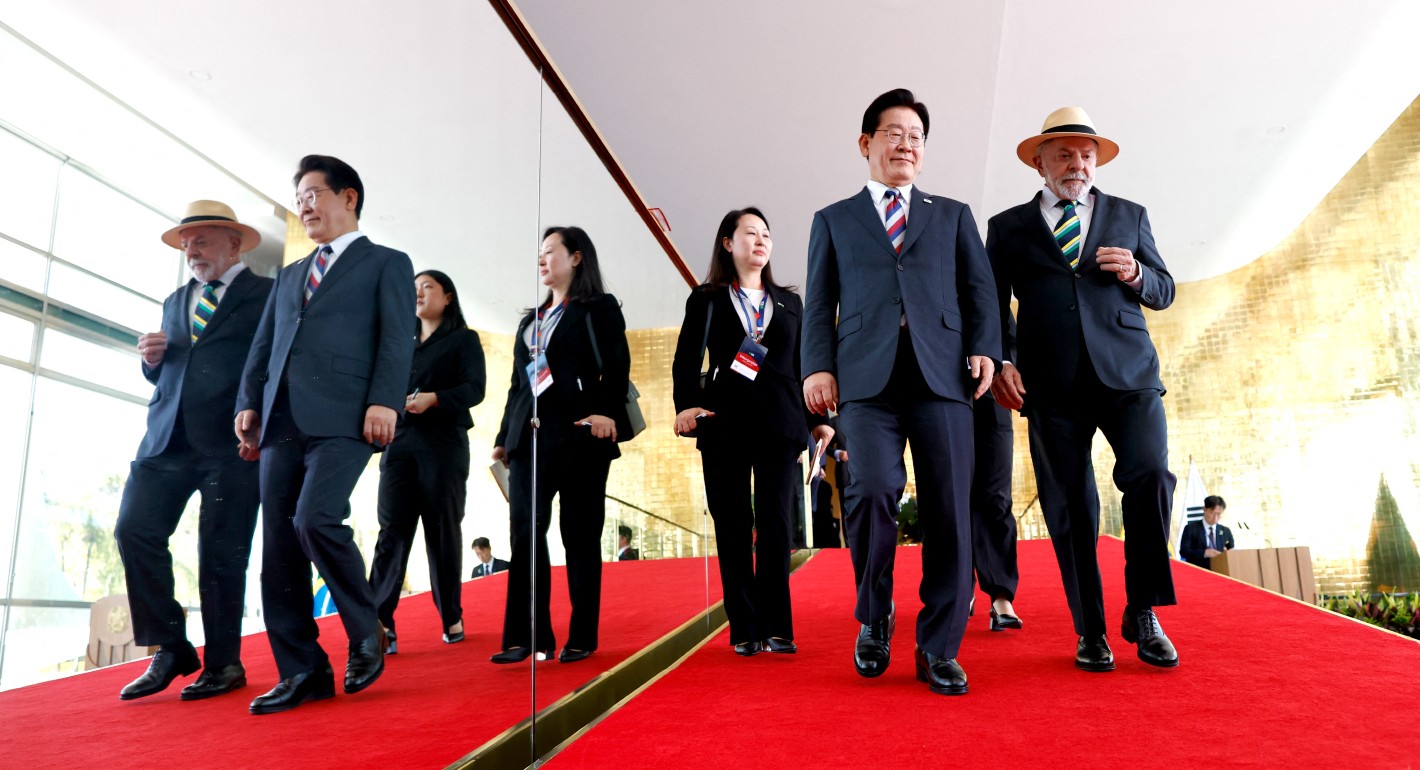
Lee’s tour shows how Seoul is reorganizing its diplomacy away from Pyongyang and toward industrial networks and the geography of the compute economy.

Darcie Draudt-Véjares