

The current U.S. indifference to human rights means Astana no longer has any incentive to refuse extradition requests from its authoritarian neighbors—including Russia.
Temur Umarov
{
"authors": [
"Amr Hamzawy",
"Michael McFaul"
],
"type": "legacyinthemedia",
"centerAffiliationAll": "dc",
"centers": [
"Carnegie Endowment for International Peace",
"Malcolm H. Kerr Carnegie Middle East Center"
],
"collections": [
"Arab Awakening"
],
"englishNewsletterAll": "menaTransitions",
"nonEnglishNewsletterAll": "",
"primaryCenter": "Carnegie Endowment for International Peace",
"programAffiliation": "MEP",
"programs": [
"Middle East"
],
"projects": [],
"regions": [
"Middle East",
"North Africa",
"Egypt",
"Levant"
],
"topics": [
"Political Reform",
"Democracy",
"Security"
]
}Source: Getty
Supporting Arab autocrats may produce some short-term gains, but at the price of long-term disaster.
Source: Hoover Digest
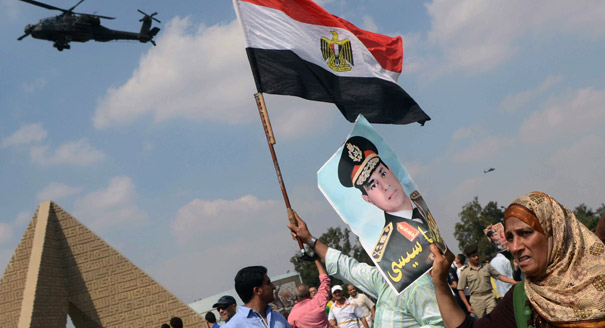
Five years after the Arab Spring, democracy seems a distant dream in the Middle East. Arab ruling elites, royal families, militaries, security services, and some businesspeople welcome this outcome. Restoring stability, the argument goes, is more important than democracy. Many Western governments have embraced this logic as well. Threatened as a result of state failure and an accompanying terrorist upsurge, US and European officials now argue that the most urgent need in the Middle East is fighting the Islamic State and its affiliates—a fight that requires collaboration with autocratic rulers. Strengthening Arab autocrats—including, for some, even the mass murderer Bashar al-Assad—is an evil necessary to defeating the Islamic State in Syria, Iraq, and the rest of the region...
Director, Middle East Program
Amr Hamzawy is a senior fellow and the director of the Carnegie Middle East Program. His research and writings focus on governance in the Middle East and North Africa, social vulnerability, and the different roles of governments and civil societies in the region.
Former Senior Associate
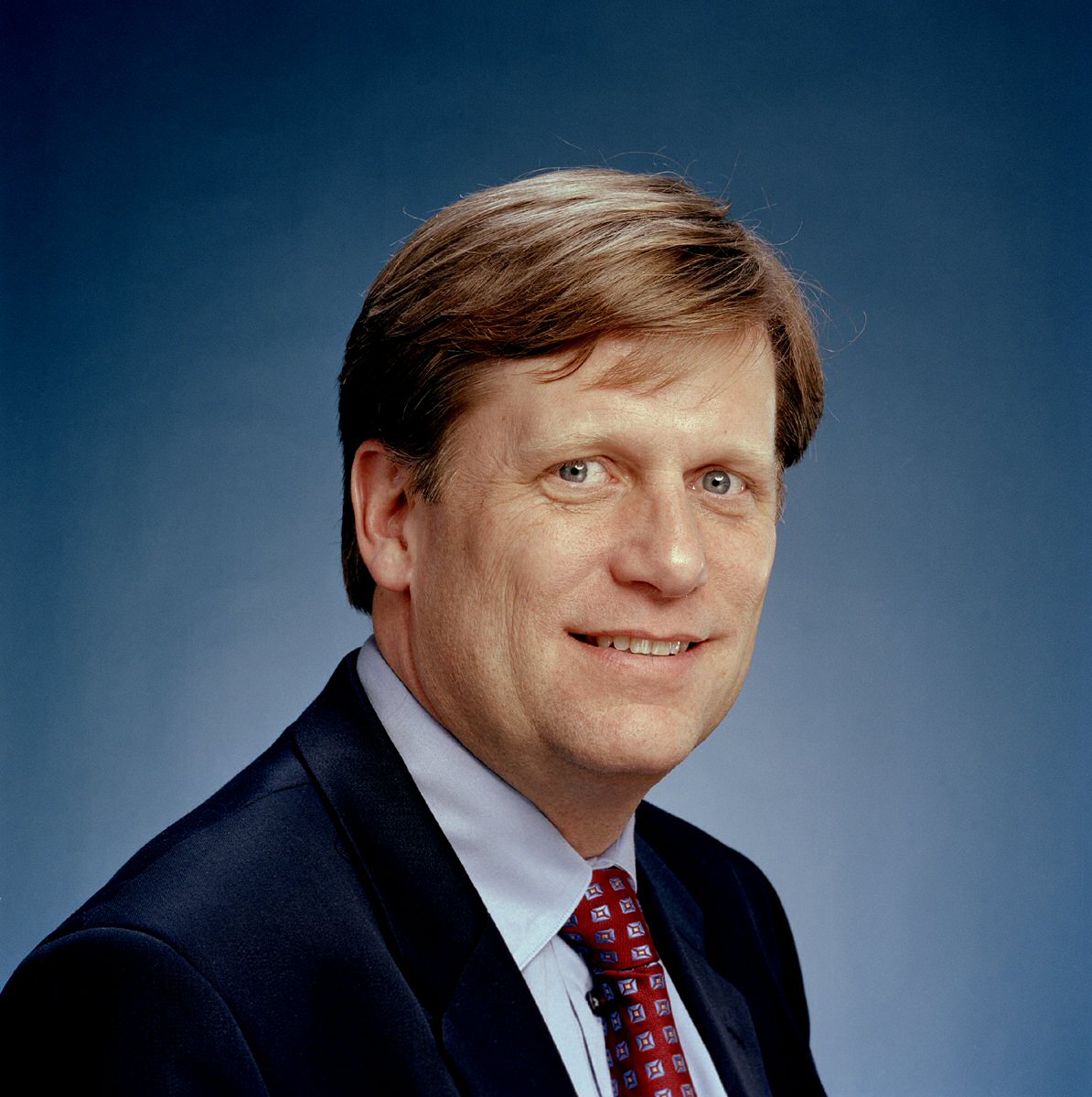
In addition to his role at Carnegie, McFaul is Peter and Helen Bing Senior Fellow at the Hoover Institution and associate professor of political science at Stanford University.
Carnegie does not take institutional positions on public policy issues; the views represented herein are those of the author(s) and do not necessarily reflect the views of Carnegie, its staff, or its trustees.
The current U.S. indifference to human rights means Astana no longer has any incentive to refuse extradition requests from its authoritarian neighbors—including Russia.
Temur Umarov
The conflict is threatening stability in Armenia and Azerbaijan.
Zaur Shiriyev
Stakeholders must demand major restructuring of the Board of Peace and robust oversight and transparency before engaging with it. Until then, rights-respecting existing platforms and mechanisms for multilateral peacemaking should be supported.
Zaha Hassan, Charles H. Johnson
In an interview, Kheder Khaddour explains that Damascus is trying to stabilize its borders, but avoiding war isn’t guaranteed.
Michael Young
The country’s strategy is no longer focused on deterrence and diplomacy, it’s about dominance and degradation.
Nathan J. Brown