

Article
Stefan Lehne
{
  "authors": [
    "Stefan Lehne"
  ],
  "type": "legacyinthemedia",
  "centerAffiliationAll": "dc",
  "centers": [
    "Carnegie Endowment for International Peace",
    "Carnegie Europe"
  ],
  "collections": [
    "EU Integration and Enlargement",
    "Brexit and UK Politics"
  ],
  "englishNewsletterAll": "ctw",
  "nonEnglishNewsletterAll": "",
  "primaryCenter": "Carnegie Europe",
  "programAffiliation": "EP",
  "programs": [
    "Europe"
  ],
  "projects": [],
  "regions": [
    "Europe",
    "Western Europe",
    "United Kingdom",
    "Iran"
  ],
  "topics": [
    "EU",
    "Economy",
    "Political Reform"
  ]
}
Source: Getty
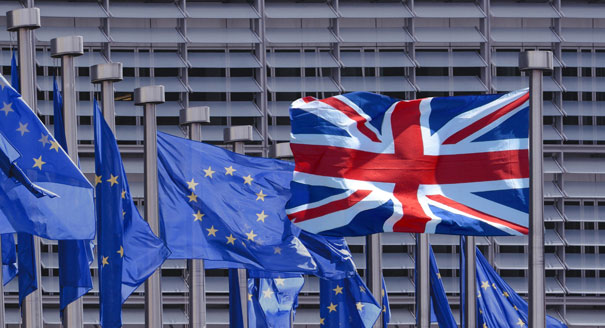
If the UK leaves the European Union without having reached any agreement after two years, it will be a disaster for both sides.
Source: Euronews
With the UK firing the starting gun for Brexit talks, one analyst is warning the negotiations will be “complex and messy.”
Stefan Lehne, from Carnegie Europe, also says remaining EU members will want to see Britain “pay the price” for leaving.Damon Embling, Euronews: “This isn’t going to be a quick divorce is it? Where do things go from here?
Damon Embling, Euronews: “This isn’t going to be a quick divorce is it? Where do things go from here?
Stefan Lehne, Carnegie Europe: “Well the letter will contain indications of the negotiating position of the UK and now the EU will have to formulate its response. There will be consultations among the 27, there will be a summit in a few weeks and then the UK will be given their answer. And the actual negotiations will begin then in early Summer, say June.
“There’s very very little time for extremely complex negotiating process, because Article 50 says clearly that it has to be concluded in two years. So in two years the UK will be out.
“But, and it’s not clear whether that will work. If the UK leaves without an agreement, that will be disaster for both sides. And that will be just the exit. The new arrangements, the new free trade agreement will probably take a lot longer to negotiate, might take five to ten years.”
Embling: “British Prime Minister Theresa May has said that she is going to negotiate hard. We’ve also had the voices here in Brussels and elsewhere in the European Union, saying there is not going to be any cherry picking. In reality, how do you think these talks will actually work out?”
Lehne: “It’s going to be incredibly complex and very messy. It’s very clear to EU member states that the UK will have to pay a price for not any longer being in the EU. So having the cake and eating it is not acceptable to the 27.
Embling: “And how much do you think this is about Brussels getting that message out there about all of that… How much are they trying to put off other countries from exiting the European Union? France comes to mind for instance.
Lehne: “Well the interesting thing is that following the Brexit referendum, the opinion polls show that support for EU membership has gone up, in just about every member state. I think the European economy is now recovering, it’s not in such bad shape – and I’m not sure many countries will follow the UK to the exit.”
Embling: “This is a divorce, but surely the UK and the EU will want to remain good friends, won’t they?”
Lehne: “Well, absolutely in the longer term, there’s a huge interest. The UK has a lot to offer, it’s a permanent member in the Security Council, it has a very effective foreign policy, it has fantastic intelligence services, it can make a big contribution to Europe, economically but also in terms of security.
“There is ongoing great interest of all the 27 that the new relationship will be in both sides’ interest.”

Senior Fellow, Carnegie Europe
Stefan Lehne is a senior fellow at Carnegie Europe in Brussels, where his research focuses on the post–Lisbon Treaty development of the European Union’s foreign policy, with a specific focus on relations between the EU and member states.
Recent Work
Stefan Lehne
Stefan Lehne
Carnegie does not take institutional positions on public policy issues; the views represented herein are those of the author(s) and do not necessarily reflect the views of Carnegie, its staff, or its trustees.
Regardless of the outcome, there’s another path to ensuring that progress doesn’t stall.
Zaur Shiriyev
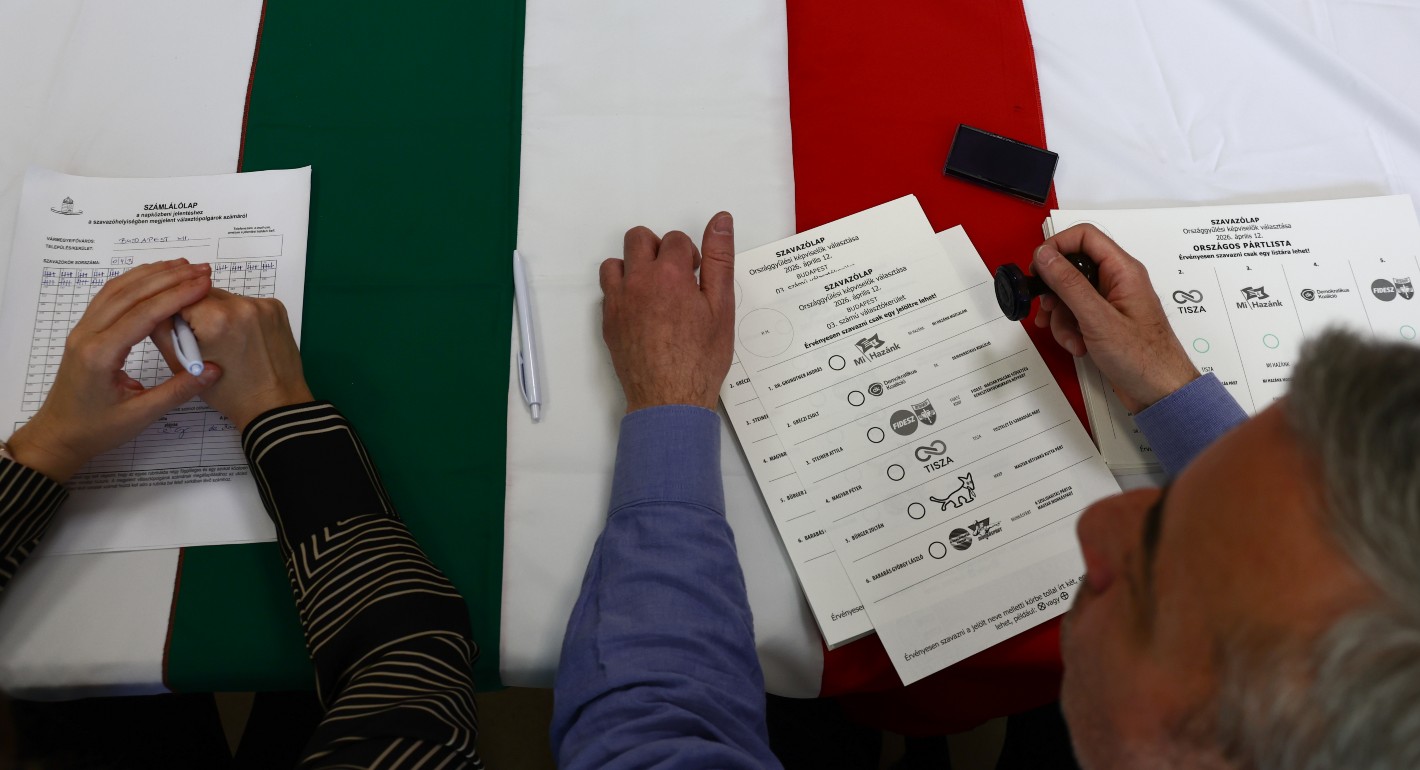
An innovative grassroots civic initiative helped defend the integrity of Hungary’s recent elections, with significant impact on the results and positive lessons for other contexts of democratic backsliding.

Hanna Folsz

The demands of the Kremlin’s war in Ukraine, demographic problems, and public hostility toward Central Asians mean Russia does not have enough workers.

Salavat Abylkalikov

Amid uncertainty caused by the Iran war, the global drive for nonproliferation has stalled. With Europe diplomatically marginalized and countries reassessing their nuclear options, efforts to curb the spread of nuclear weapons risk becoming irrelevant.
Jane Darby Menton
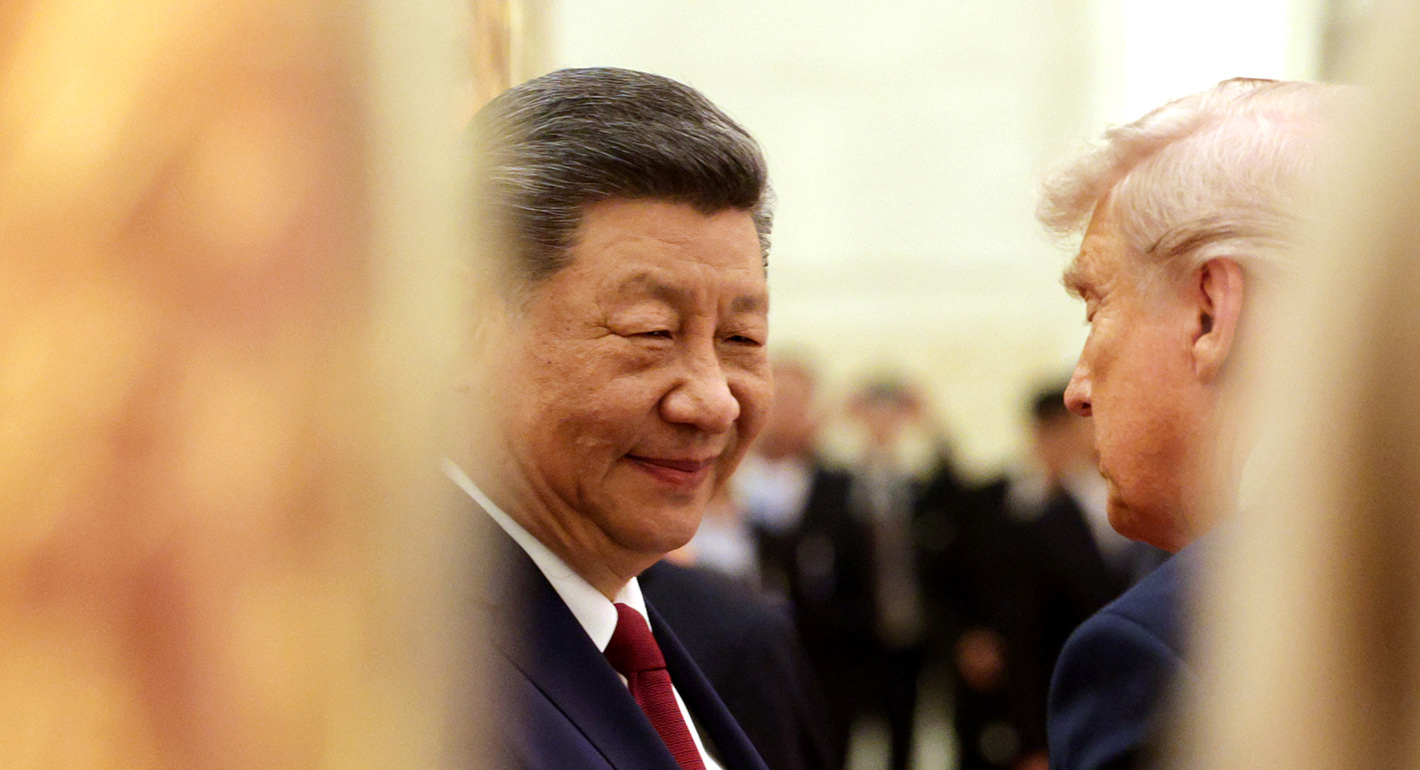
The U.S.-China Summit produced a welcome commitment to build a constructive, strategically stable relationship. However, the United States has a full agenda, including the USMCA review beginning this week, that will likely target Chinese practices of concern. If China views these efforts as inconsistent with the agreements reached in Beijing, it may slow or halt progress in response.
Barbara Weisel