

Article
C. Raja Mohan, Darshana M. Baruah
{
  "authors": [
    "C. Raja Mohan"
  ],
  "type": "legacyinthemedia",
  "centerAffiliationAll": "dc",
  "centers": [
    "Carnegie Endowment for International Peace",
    "Carnegie India",
    "Malcolm H. Kerr Carnegie Middle East Center"
  ],
  "collections": [],
  "englishNewsletterAll": "ctw",
  "nonEnglishNewsletterAll": "",
  "primaryCenter": "Carnegie India",
  "programAffiliation": "SAP",
  "programs": [
    "South Asia"
  ],
  "projects": [],
  "regions": [
    "Asia",
    "Middle East",
    "Iran"
  ],
  "topics": [
    "Foreign Policy",
    "Political Reform"
  ]
}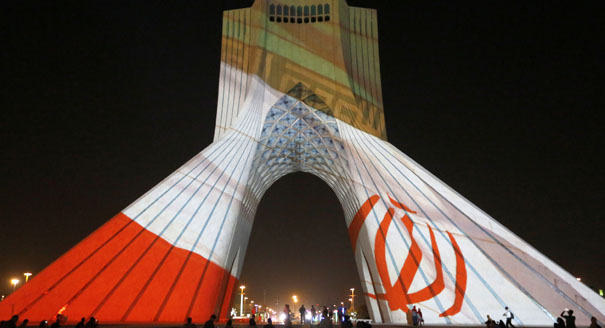
Source: Getty
If past protests called for a reformation of the Islamic Republic established in 1979, some of the current slogans are calling for its overthrow. While few expect the protests to succeed, the legitimacy of the Islamic revolution is being challenged for the first time.
Source: Indian Express
As protests in Iran continue through the new year weekend, most external observers are hard pressed to explain their origin, organisation and political orientation. International reports from Tehran are agreed on one thing though. That the current rebellion appears very different from those seen in 1999 and 2009. If the past protests called for a reformation of the Islamic Republic established in 1979, some of the current slogans are calling for its overthrow. While few expect the protests to succeed, the legitimacy of the Islamic revolution is being challenged for the first time.
That puts the focus back on 1979 – a year that so fundamentally transformed the Middle East and the world for the worse. Not too long ago, the Crown Prince of Saudi Arabia, Mohammed bin Sultan, called for a reversal of 1979 and all that meant. The Crown Prince was referring to the Islamic Revolution in Iran that promised to overthrow the old order in the region and the fear it generated among the Gulf sheikhdoms.
If the Gulf rulers embraced a deeply conservative and sectarian Islam to fend off the Islamic Republic’s challenge, the West embraced jihad as an instrument to end the Soviet occupation of Afghanistan at the end of 1979. In Pakistan, Gen Zia-ul-Haque began the Islamisation of Pakistan to defeat the democratic forces at home and aligned with the jihad to improve Pakistan’s standing vis a vis Afghanistan and India.
As the forces unleashed by 1979–including Osama bin Ladin, the Taliban, al Qaeda and the Islamic State—continue to haunt the world, the calls for a return of moderate Islam from Saudi Arabia and elsewhere in the Gulf have been welcomed by many. The urge for social liberalisation and political modernisation in the Arab world now find their echo in Iran.
The protests of 1999 called for easing of the harsh clerical rule established after the Islamic Revolution overthrew the monarchy headed by the Shah of Iran in 1979. The failed protests exposed the severe limitations of an elected president, Mohammed Khatami, vis a vis the ‘supreme leader’—Ayatollah Khamaeni—who sits at the top of the clerical rule and holds all the reins of power.
In 2009, the protests led by the ‘Green Movement’ were sparked by anger at the perceived manipulation of presidential election results against the reformist candidates and in favour of the incumbent president, Mohammed Ahmadinejad. Despite support from the reformist factions, supreme leader prevailed again over the protestors by declaring Ahmadinejad as President.
Reports from Iran say the protestors are no longer taking about reform but are demanding an end to the clerical regime. Although the unrest was triggered by economic grievances, it has quickly escalated to include political demands and appears to have spread across Iran.
Among the slogans in the protests are direct attacks on the supreme leader: ‘Death to Khamenei’. The demands that the clerics should ‘let go of Iran’ were accompanied by the condemnation of the regime’s ‘revolutionary internationalism’. Social media accounts say that protesters were criticising the government for spending a fortune on external causes in the Middle East including in Palestine and Lebanon, while the Iranian people were suffering,
The most surprising slogans have been those supporting the monarchy. Four decades ago in 1979, the Islamic revolutionaries led by Ayatollah Khomenei rode to power on a wave of massive hatred against an oppressive monarchy. Now, at least some among those who have grown up under the Islamic Republic appear disenchanted enough to develop a nostalgia for the monarchy.
Another equally surprising slogan has been the condemnation of the ‘Arabisation’ of Iran and the demand for a Republic based not on Islam but on ‘Iranian nationalism’. Given the paucity of credible information on these protests, these slogans could be the exception rather than the norm. But by any measure they challenge the very legitimacy of the Islamic republic founded in 1979.
Many leaders of the reformist factions have come out criticising the protests and called on them to abide by the rule of law. There is speculation that at least some of these protests might have had the sanction of a section of the establishment to embarrass President Hassan Rowhani. But as the protests turn against the foundations of the regime, the rival factions might well close ranks. As the protests continued into the fourth night on Sunday, the government has promised to crack down hard on the protesters.
Tehran has also accused the United States and Israel of lending support to the protesters. President Donald Trump’s quick support for the demonstrators, and his administration’s known preference for regime change in Iran are bound to reinforce the determination in the Islamic Republic to crush the revolt. Irrespective of the immediate outcome from the current protests, a longer term challenge to the regional order produced in the Middle East in 1979 may have begun on both sides of the Gulf in 2017.
This article was originally published in the Indian Express.
Former Nonresident Senior Fellow, Carnegie India
A leading analyst of India’s foreign policy, Mohan is also an expert on South Asian security, great-power relations in Asia, and arms control.
Recent Work

C. Raja Mohan, Darshana M. Baruah


Alexander Gabuev, Paul Haenle, C. Raja Mohan, …
Carnegie does not take institutional positions on public policy issues; the views represented herein are those of the author(s) and do not necessarily reflect the views of Carnegie, its staff, or its trustees.
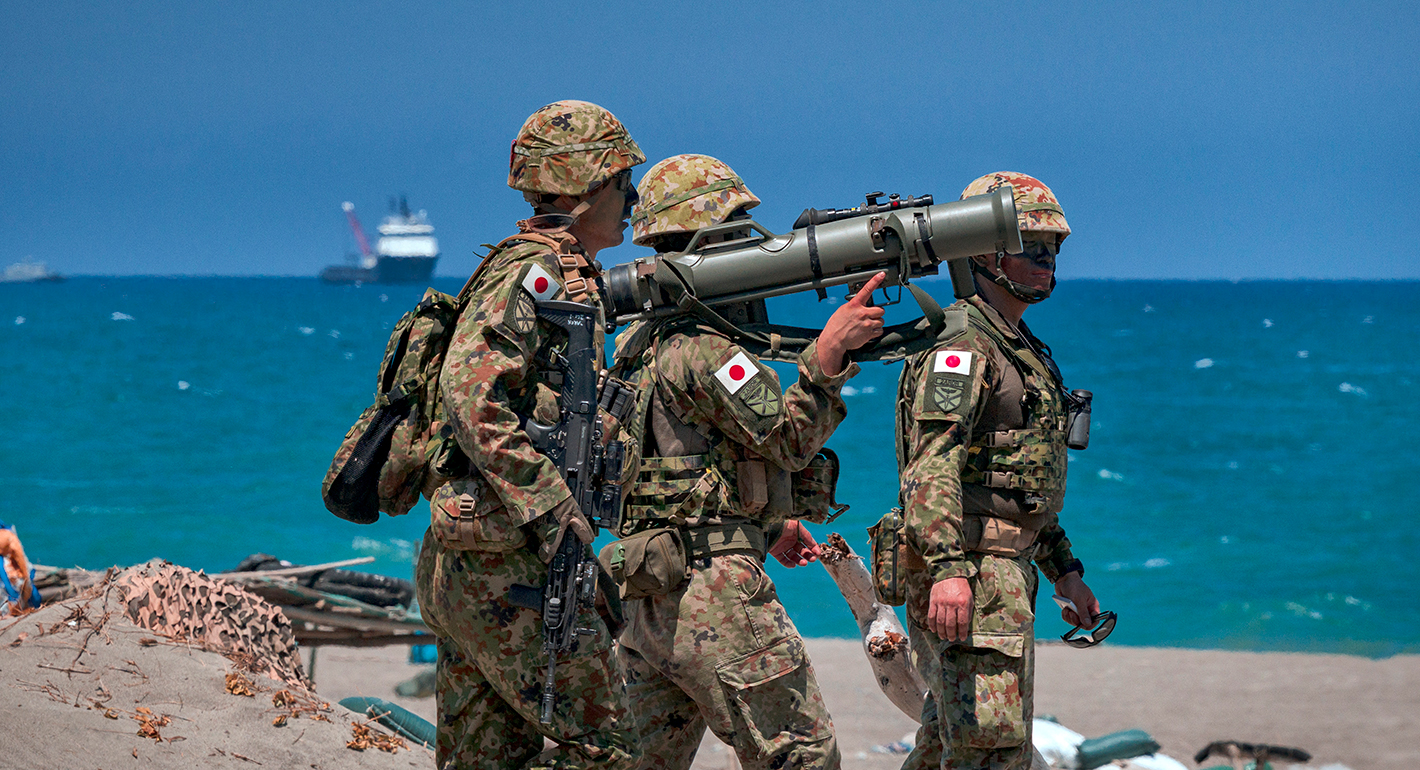
Japan’s revision of its three strategic documents reflects an intention to keep the United States engaged in the region while Japan fills any vacuums of U.S. power to preserve the Indo-Pacific order.
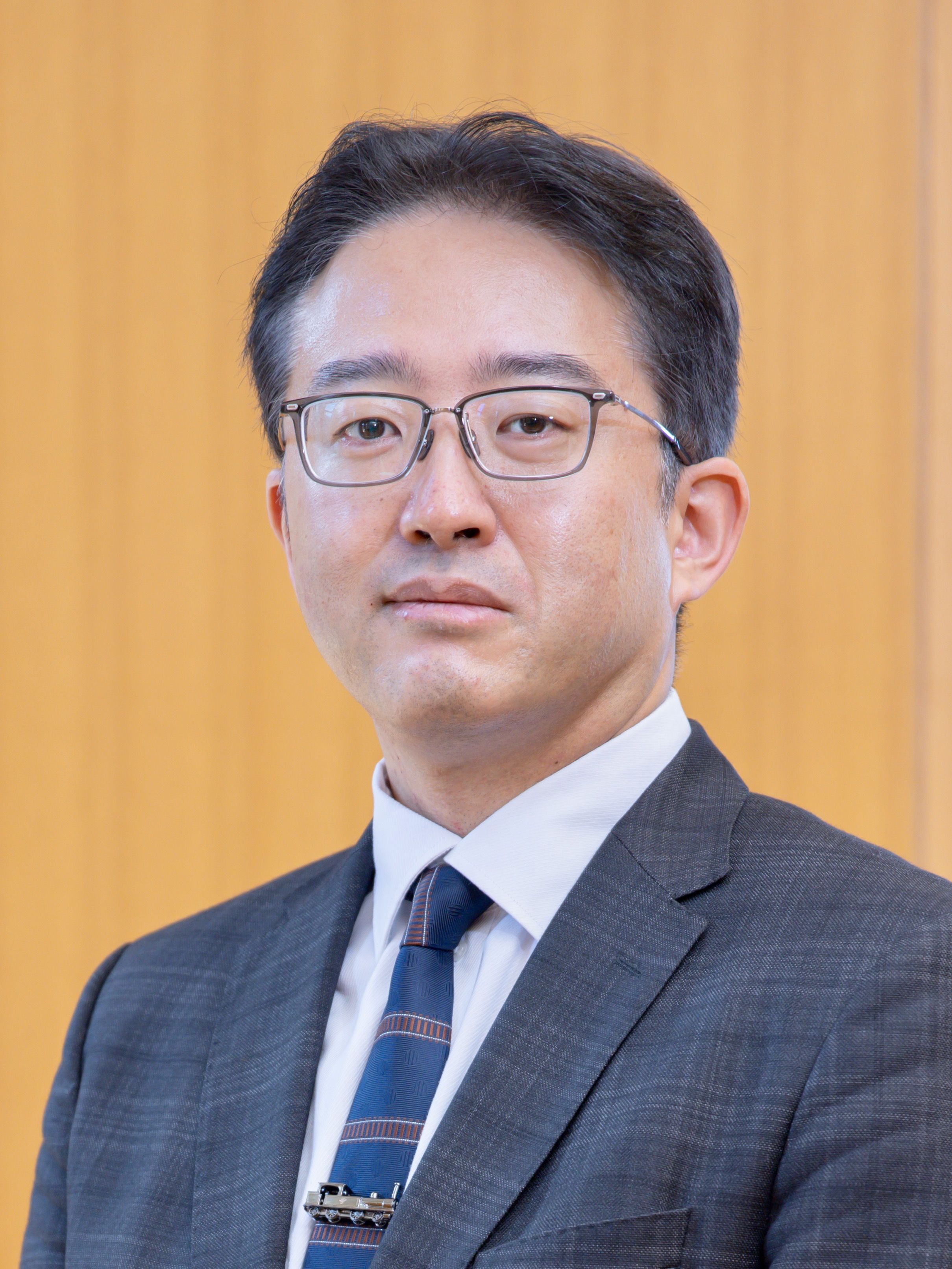
Ryo Sahashi

Chinese biotech companies have been on the receiving end of U.S. economic coercion. Yet their responses have differed significantly because firm and state interests are not uniformly aligned. For Washington, treating all Chinese tech firms the same, irrespective of their actual interests, risks pushing them farther into Beijing’s corner.

Xue Gong

In the discussions made possible by the State Duma election campaign, one question is being asked more and more loudly. “What next?”

Andrey Pertsev
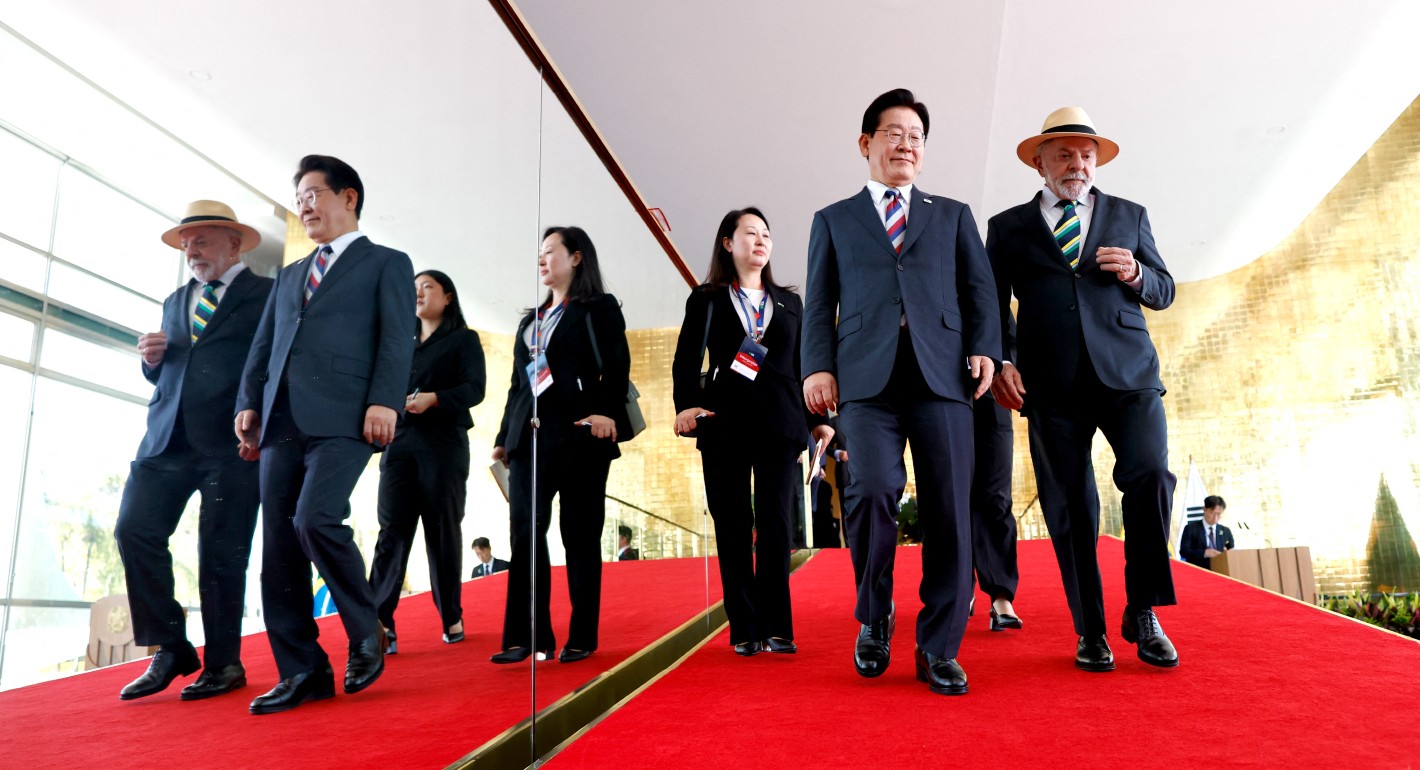
Lee’s tour shows how Seoul is reorganizing its diplomacy away from Pyongyang and toward industrial networks and the geography of the compute economy.

Darcie Draudt-Véjares
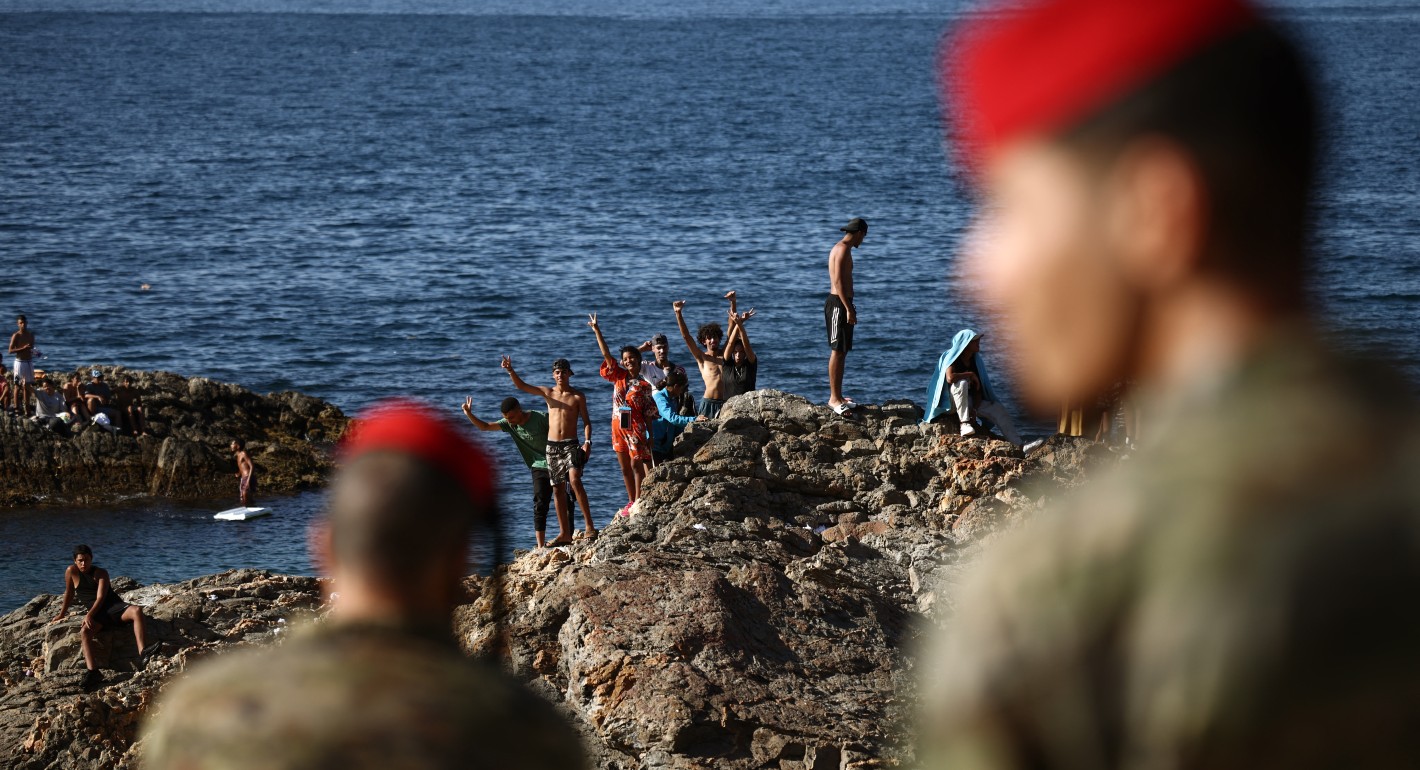
Most migrants may have left Ceuta, but the effects may linger.


Alejandro Martin Rodriguez, Sarah Yerkes