

In The Media
David Rothkopf
{
  "authors": [
    "David Rothkopf"
  ],
  "type": "legacyinthemedia",
  "centerAffiliationAll": "",
  "centers": [
    "Carnegie Endowment for International Peace",
    "Malcolm H. Kerr Carnegie Middle East Center"
  ],
  "collections": [],
  "englishNewsletterAll": "",
  "nonEnglishNewsletterAll": "",
  "primaryCenter": "Carnegie Endowment for International Peace",
  "programAffiliation": "",
  "programs": [],
  "projects": [],
  "regions": [
    "North America",
    "United States",
    "Middle East",
    "Israel"
  ],
  "topics": [
    "Political Reform",
    "Democracy",
    "Civil Society"
  ]
}
Source: Getty
From Moscow, Ankara, and Warsaw to Washington, DC, and New Delhi, nationalist leaders are pitting their base against their neighbors. For Israel, in particular, choosing to scapegoat minorities is beyond ironic.
Source: Haaretz
That said, these two - who share so many similarities that there is now a small school of contrarian pundits who seem to be devoted to playing up their differences - are hardly the only ones to offer up racism and intolerance draped in nationalistic pride as a central theme of their governments.
Of course, past instances of such approaches come easily to mind, linked as they are to many of history’s darkest chapters and most infamous rulers. While racial and ethnic division have always been with us, the worst examples often occur at moments of historical transition and the breakdown of institutions or old formulas for governance.
It is then that scapegoating, identifying an "other" and demonizing or demeaning them are most embraced. We live in such a moment and around the world, ethno-nationalists and those playing the ethno-nationalist card can be seen in leadership positions from Moscow to Ankara, Warsaw to New Delhi.
But of course, for Israel, such a choice is beyond ironic. It is a cynical denial of the country’s origins and the worst possible lesson to have drawn from the experience of the Holocaust or the Jewish diaspora throughout history.
Nonetheless, it is impossible to deny that attacks on the other are now the stock-in-trade of the Israeli right. From secret efforts in Knesset committee investigations to question the origins of Palestinians who don’t look like stereotypical Palestinians to the move to deport African migrants, from Netanyahu’s endorsement of Trump’s border wall idea to the day-to-day, institutionalized discrimination against and often brutal mistreatment of Palestinians, who are denied not just basic rights but who are vilified and actively abused, the current government has made promoting social division the centerpiece of its policies.
What Israel’s government is doing is so regularly inhumane and unjust that we have become numb to even the harshest outcries against it. But more ominously, for those in power, the worst calculus a democratic leader can make has been embraced.
They do not serve all the people nor do they seek their approval. Rather, they seek the approval of just enough people to remain in power, even if the only way to win that approval is to pit their base (the coalition of haters, the fearful and the sheep) against their neighbors.
Trump and his ilk in the U.S. have done the same. So too has the Polish government of Adrzej Duda and the Turkish government of Recep Tayyip Erdogan. Narendra Modi ran for office on a Hindu nationalist platform that has alienated many in the country’s diverse population. Across Europe nationalist opposition parties from Britain to Austria have used a similar approach.
And even non-democrats like Vladimir Putin seek to cement their authoritarian power by deflect attention from their own abuses by playing up fears of minorities and foreigners from whom the public might seek their protection.
Trump has his wall and his anti-Muslim immigration policies. He has said of Mexican immigrants: "They are not our friend, believe me. They’re bringing drugs. They’re bringing crime. They’re rapists." He has characterized Haitians as all having AIDS, celebrated law enforcement officials who use racial profiling and defended white supremacists.
Putin has used the similar language to describe, for example, Chechens, calling them "scum" and "dark forces" and calling Chechnya a "world of banditry." He has made a core message his concerns for the Russian-ness of his state and lamented that "Millions of Russkii [the word for Russians with a strong ethnic connotation] went to sleep in one country and woke up in another, instantly finding themselves ethnic minorities in former Soviet Republics, and the Russkii people became one of the largest, if not the largest, divided nation in the world."
He too has targeted - like Trump and Netanyahu - immigrants and marginalized Muslims. And, of course, his irredentist moves in Crimea and Ukraine more broadly are also driven by nationalist themes.
Erdogan has similar not only attacked those with divergent political-religious views such as the Gulenists, he has overseen a crackdown on Kurdish institutions and culture (going so far as to take off the air children’s cartoons like SpongeBob and The Smurfs which had been translated into Kurdish.)
Poland’s Duda and the ruling Law and Justice Party (PIS) has played on nationalism with its new law making it illegal to accuse Poland of complicity in the Holocaust and has presided over a country in which xenophobic, Islamophobic and anti-Semitic protests have grown rapidly.
Each of these countries have also seen laws or the outbursts of political leaders that have been intended suppress dissent and undercut the legitimacy of journalists or their capacity to do their jobs. (Putin, Netanyahu and Erdogan as well as Trump have all reverted to the delegitimizing concept of attacking news media as purveyors of "fake news.")
This should not be surprising. History has shown, from Nazi Germany to Soviet Russia, that curtailing the rights of minorities is the first step toward minimizing the rights of the majority as well. Both are signs of weakness and deep flaws in the ruling regimes, signs that they see stoking fears as their only dependable way to retain power.
Promoting division, and the illusions of security and blame it seems to provide, is not therefore simply a threat to those targeted. It is a disease that eats away at societies and the institutions within them.
In other words, it is ethno-nationalism and the ethno-nationalists rather than the "others" they target who pose the real threat to their societies. If only walls could keep them out.
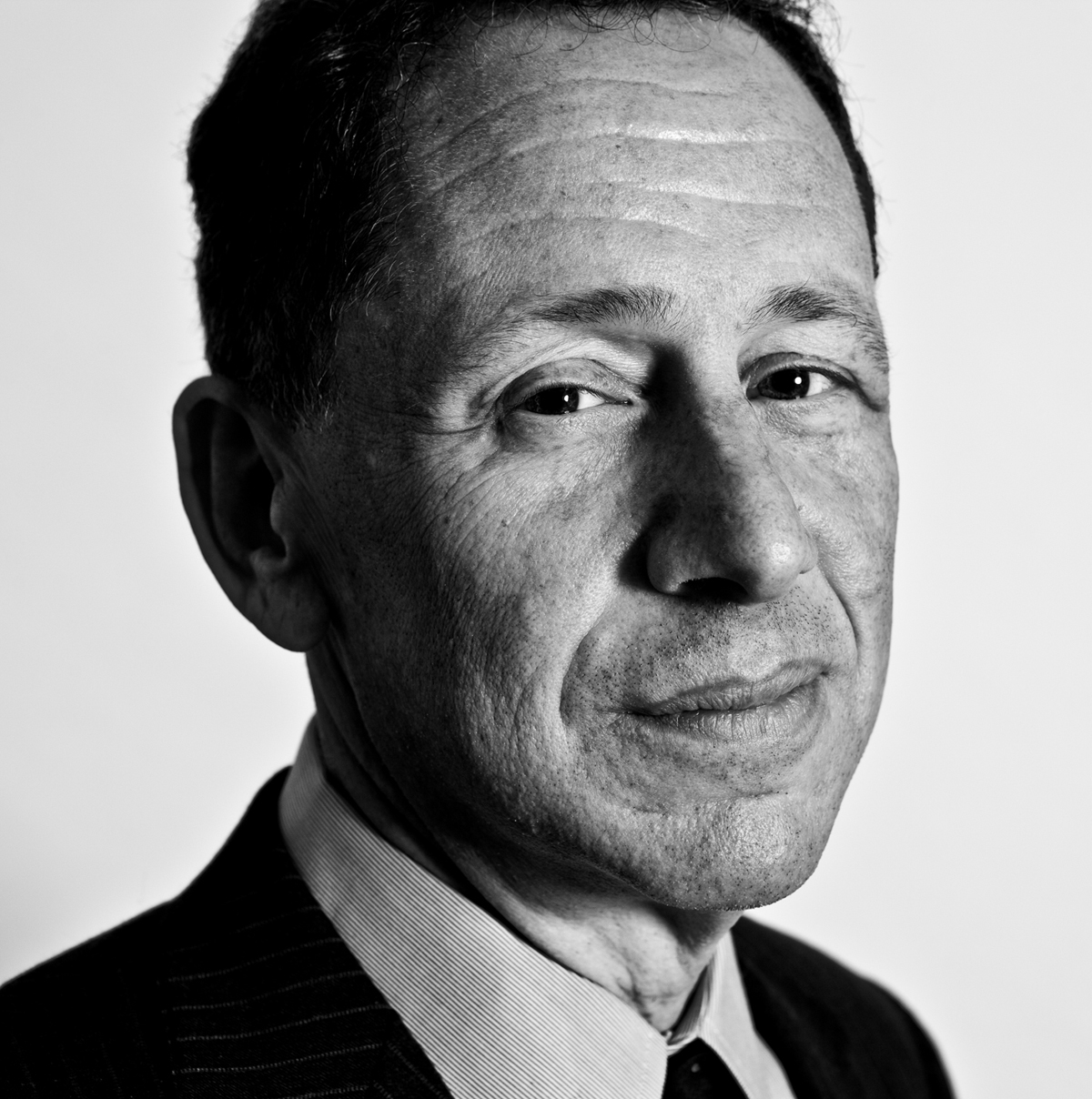
Former Visiting Scholar
David Rothkopf was a visiting scholar at the Carnegie Endowment as well as the former CEO and editor in chief of the FP Group.
Recent Work
David Rothkopf
David Rothkopf
Carnegie does not take institutional positions on public policy issues; the views represented herein are those of the author(s) and do not necessarily reflect the views of Carnegie, its staff, or its trustees.

Two divergent trends—Putin’s hardline vision of how to prosecute the war in Ukraine, and a growing desire for change in Russia—could tear the regime apart.

Tatiana Stanovaya
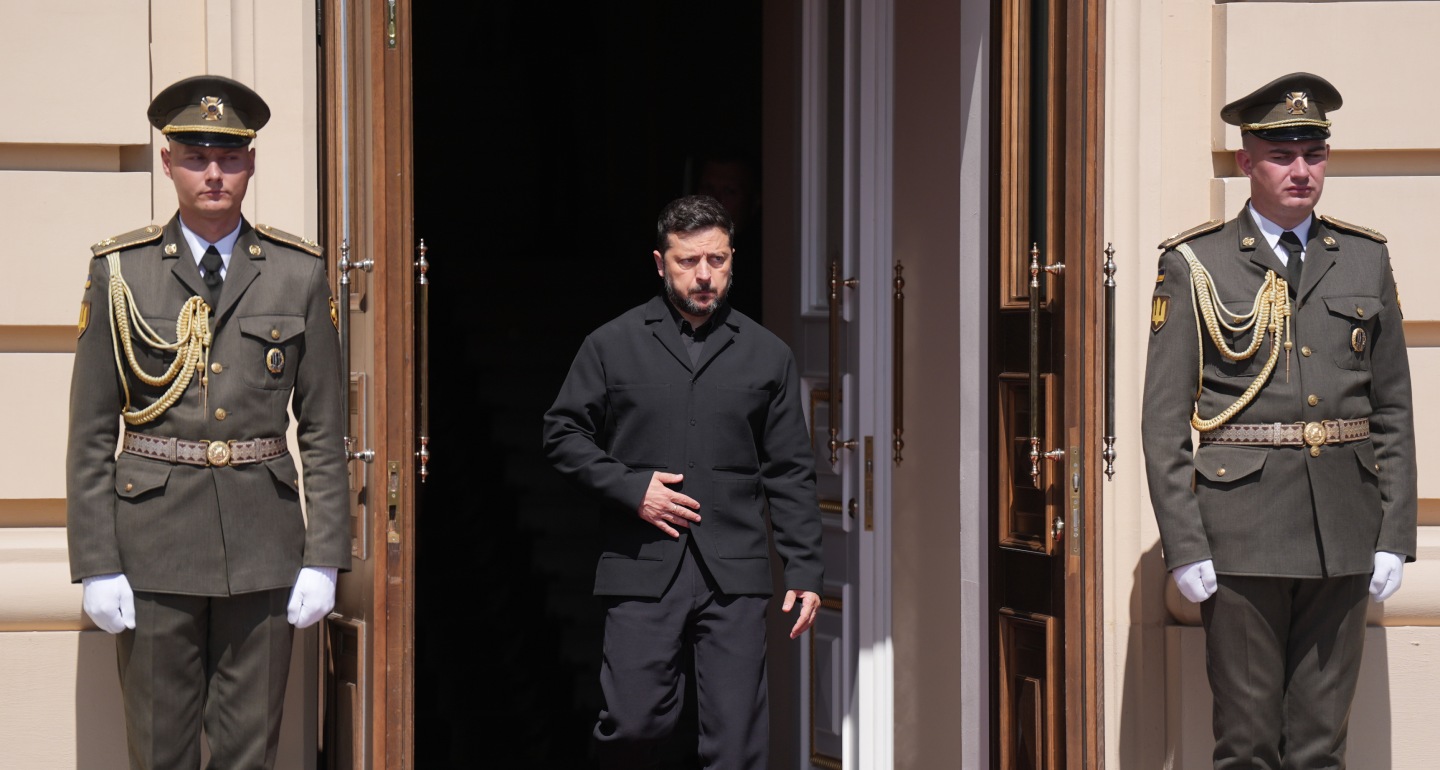
Ultimately, Zelensky sided neither with the reform camp nor with the military establishment as such, but with political control.

Balázs Jarábik

Despite the agreement’s uncertainty, it’s still a significant development in regional and nuclear policy.


Andrew Leber, Jane Darby Menton
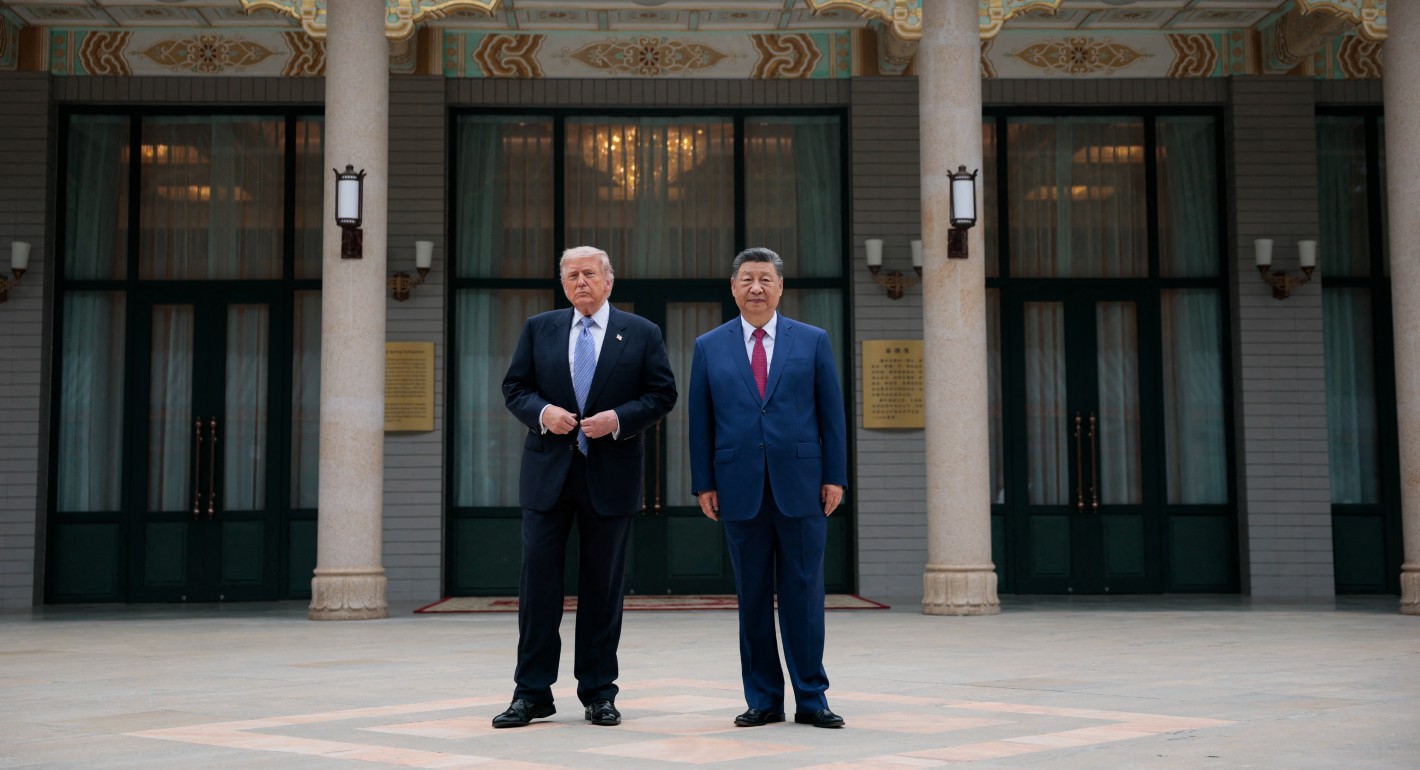
“AI safety in parallel” is modest and pragmatic but vital.

Matt Sheehan

Trump is distracted and Ukraine wants Europe to step up. The continent’s leaders must find their voice and assert it in talks with Russia.

Alissa de Carbonnel