

Research
- +6
Yasmine Farouk, Nathan J. Brown, Maysaa Shuja Al-Deen, …
{
  "authors": [
    "Michele Dunne"
  ],
  "type": "testimony",
  "centerAffiliationAll": "dc",
  "centers": [
    "Carnegie Endowment for International Peace",
    "Malcolm H. Kerr Carnegie Middle East Center"
  ],
  "collections": [
    "Arab Awakening"
  ],
  "englishNewsletterAll": "menaTransitions",
  "nonEnglishNewsletterAll": "",
  "primaryCenter": "Carnegie Endowment for International Peace",
  "programAffiliation": "MEP",
  "programs": [
    "Middle East"
  ],
  "projects": [],
  "regions": [
    "North Africa",
    "Egypt"
  ],
  "topics": [
    "Political Reform",
    "Democracy",
    "Foreign Policy"
  ]
}
Source: Getty
What the U.S. government, and particularly Congress, can do is scrutinize engagement with and assistance to Egypt in order to ensure that they promote stability for the nation rather than one man rule.
Source: U.S. House Foreign Affairs Committee
Chairman Ros-Lehtinen, ranking member Deutch, and members of the Subcommittee, thank you for inviting me to testify. While Egypt is not in the headlines these days, there are important and worrying developments in security, economy, foreign policy, human rights, and politics—all of which have implications for the country’s stability. In my testimony, I will focus on domestic politics.
With the beginning of President Abdel Fattah al-Sisi’s second term, Egypt is undergoing a deepening of authoritarianism verging on totalitarianism. As you are aware, Egypt’s rocky attempt at a democratic transition began in early 2011 and ended with a military coup in July 2013. During the first half of 2018, President Sisi eliminated, through imprisonment or intimidation, five presidential challengers (four of them his supporters previously) and was re-elected on March 29. Three of the would-be candidates were from the military. One is in prison, one under house arrest, and the third, former Army Chief of Staff Sami Anan, suffered a stroke in prison and is now in critical condition.
Anan’s imprisonment was part of a new wave of repression against those who have criticized Sisi. Others arrested during the presidential race or shortly afterward included Strong Egypt Party founder Abdel Moneim Aboul Fotouh, who was accused of terrorism after criticizing Sisi on satellite television and is now suffering dire health consequences due to prolonged solitary confinement under harsh conditions. The campaign has also extended to many young liberals including blogger Wael Abbas, youth activist Shady al-Ghazaly Harb, and human rights defender Amal Fathy. They have joined tens of thousands of other political prisoners, many detained for months or years without charge, or convicted in mass trials.
Recent efforts to eliminate potential rivals and silence independent voices come amid growing signs that Sisi might try to stay in office beyond the end of his second term in 2022. When the Egyptian constitution was rewritten after the 2013 coup, the drafters were still hoping to preserve some gains of the 2011 revolution including constraints on presidential power. The 2014 constitution stipulated that the president is limited to two four-year terms (unlike former President Hosni Mubarak, who served for 30 years). All amendments to the constitution must be approved by a popular referendum as well as parliament, but the drafters added a special provision that articles relating to the re-election of the president may not be amended.
The drafters of the 2014 constitution had reason to worry. During his first term Sisi promised that he would respect the constitution and leave office after a maximum of eight years, but he did not repeat that pledge during his recent campaign for re-election and his supporters have suggested publicly and in parliament that he should stay longer. Sources within the Egyptian parliament now say that there is a process underway to introduce amendments that would remove the provision saying that articles relating to the re-election of the president may not be amended, extend the presidential term from four to six years, and remove term limits, among other changes.
Now Sisi appears to be working on removing any opposition. Independent political parties formed since the 2011 revolution have been systematically undermined by security agencies, and there is now pressure on the 20 or so parties represented in parliament to coalesce into just two or three, all supporting Sisi.
There are also efforts to quell any opposition within the regime. Sisi has replaced many senior security officials—the ministers of defense and interior, army chief of staff, and director of intelligence—in recent months. The parliament also passed on July 16 a law that would grant designated senior 2 military officers lifelong immunity from prosecution for crimes committed in the years following the 2013 coup. The law gives the president the right to designate the officers enjoying such immunity, a highly effective tool to use in managing any dissent within the military.
Why should the United States, a long-term ally of Egypt that has given more than $78 billion in assistance, care if Sisi paves the way to remaining president for life? Because if he succeeds, at best it will bring back the stagnation, corruption, and lack of responsiveness to citizens that led to the revolt against Mubarak—but with much more brutal repression. That is a recipe for trouble in this most populous country of the Middle East and neighbor to Israel, which is already fighting a terrorist insurgency in Sinai. And if Sisi tries to secure a lock on the presidency and fails, then the country—lacking any outlets for peaceful expression of opposition in politics, media, or civil society—might soon be headed for violent unrest. Far better for Sisi to allow the re-emergence of free politics and to leave office on time.
There is not much the United States can or should do directly about the internal political situation in Egypt. What the U.S. government, and particularly the Congress, can do is scrutinize engagement with and assistance to Egypt in order to ensure that they promote stability for the nation rather than oneman rule.
My specific recommendations include:
Thank you for this opportunity to testify.
This testimony was given to the United States House Foreign Affairs Committee.

Former Nonresident Scholar, Middle East Program
Michele Dunne was a nonresident scholar in Carnegie’s Middle East Program, where her research focuses on political and economic change in Arab countries, particularly Egypt, as well as U.S. policy in the Middle East.
Recent Work



Yasmine Farouk, Nathan J. Brown, Maysaa Shuja Al-Deen, …
Robert Springborg, Emile Hokayem, Becca Wasser, …
Carnegie does not take institutional positions on public policy issues; the views represented herein are those of the author(s) and do not necessarily reflect the views of Carnegie, its staff, or its trustees.
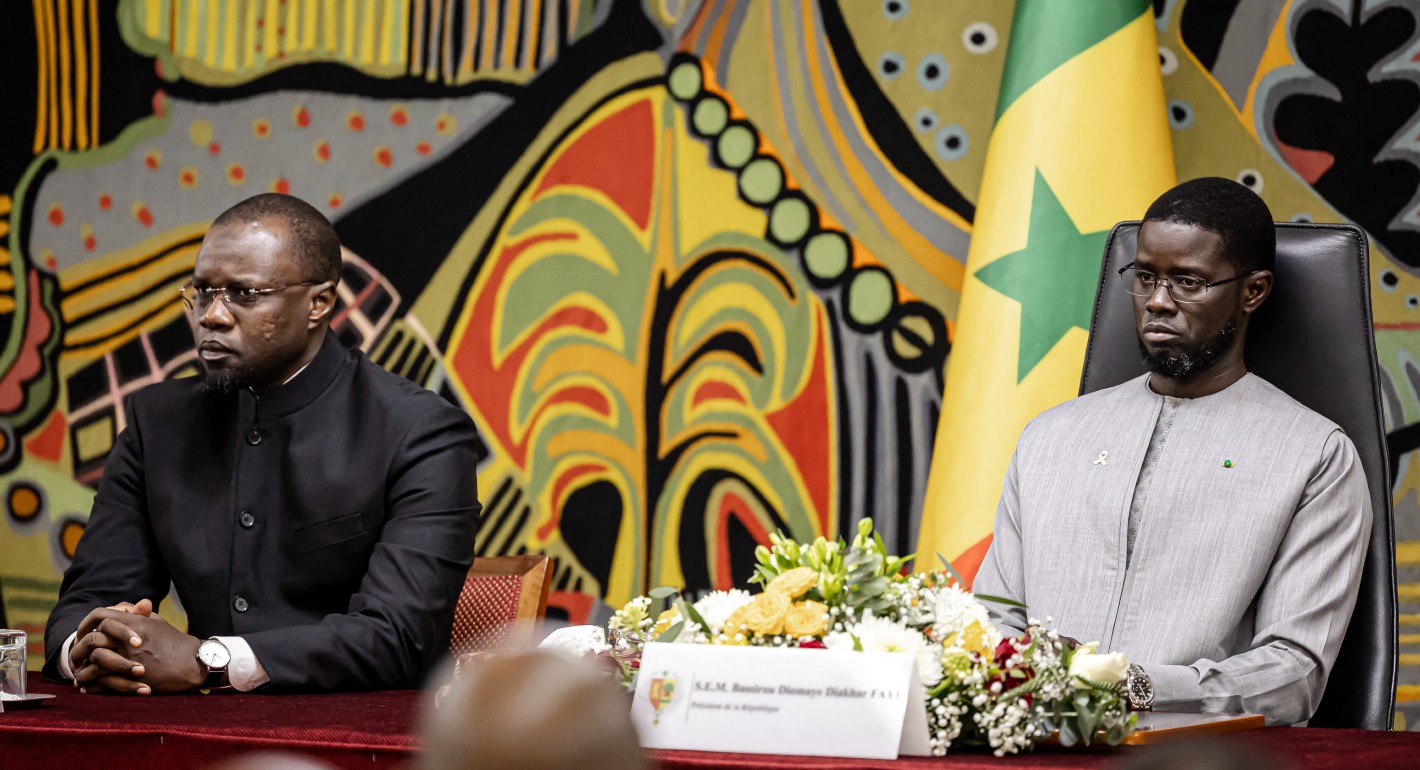
The impacts of the Faye-Sonko rupture could go well beyond the country’s borders.

Lesley Anne Warner
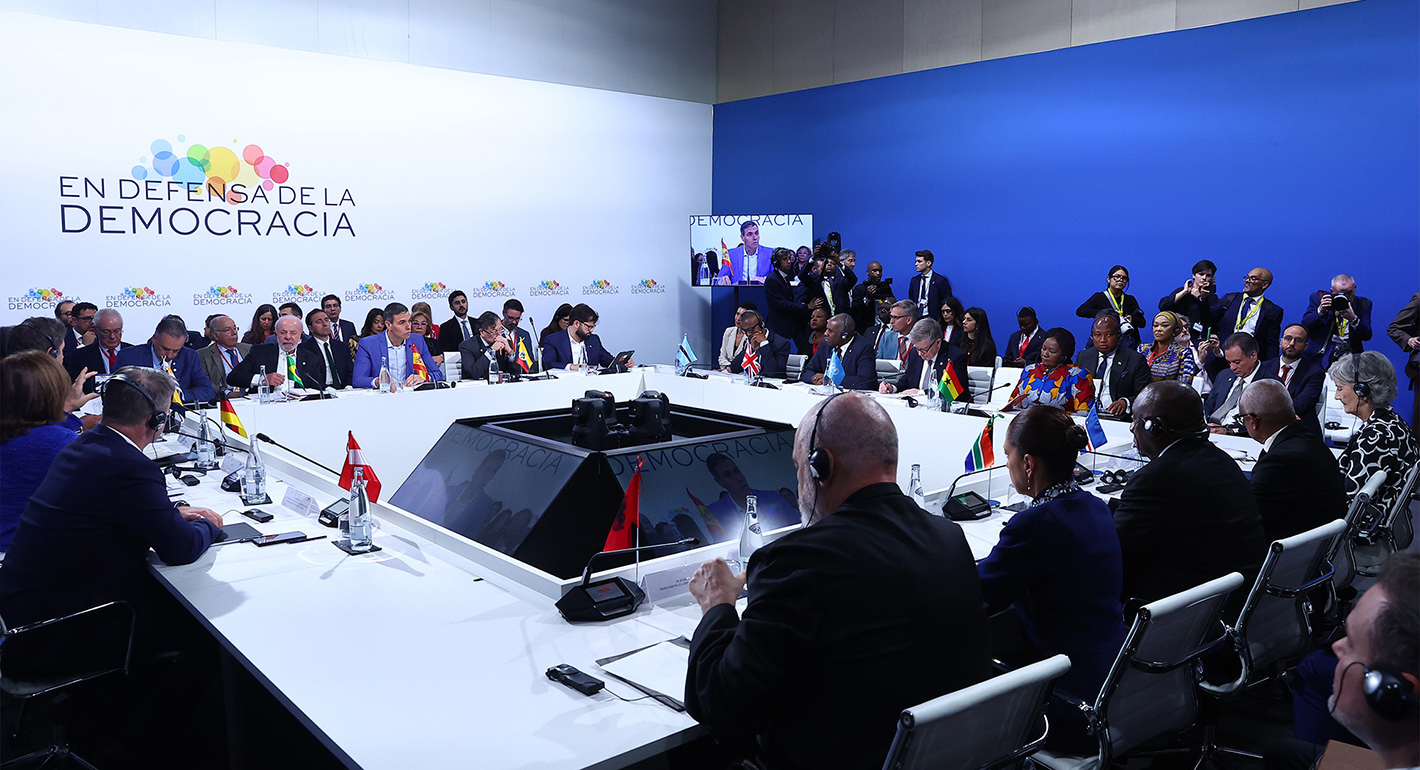
The reinvention of democracy support needs to be carried forward without the clear leadership of one dominant player.


Richard Youngs, Thomas Carothers
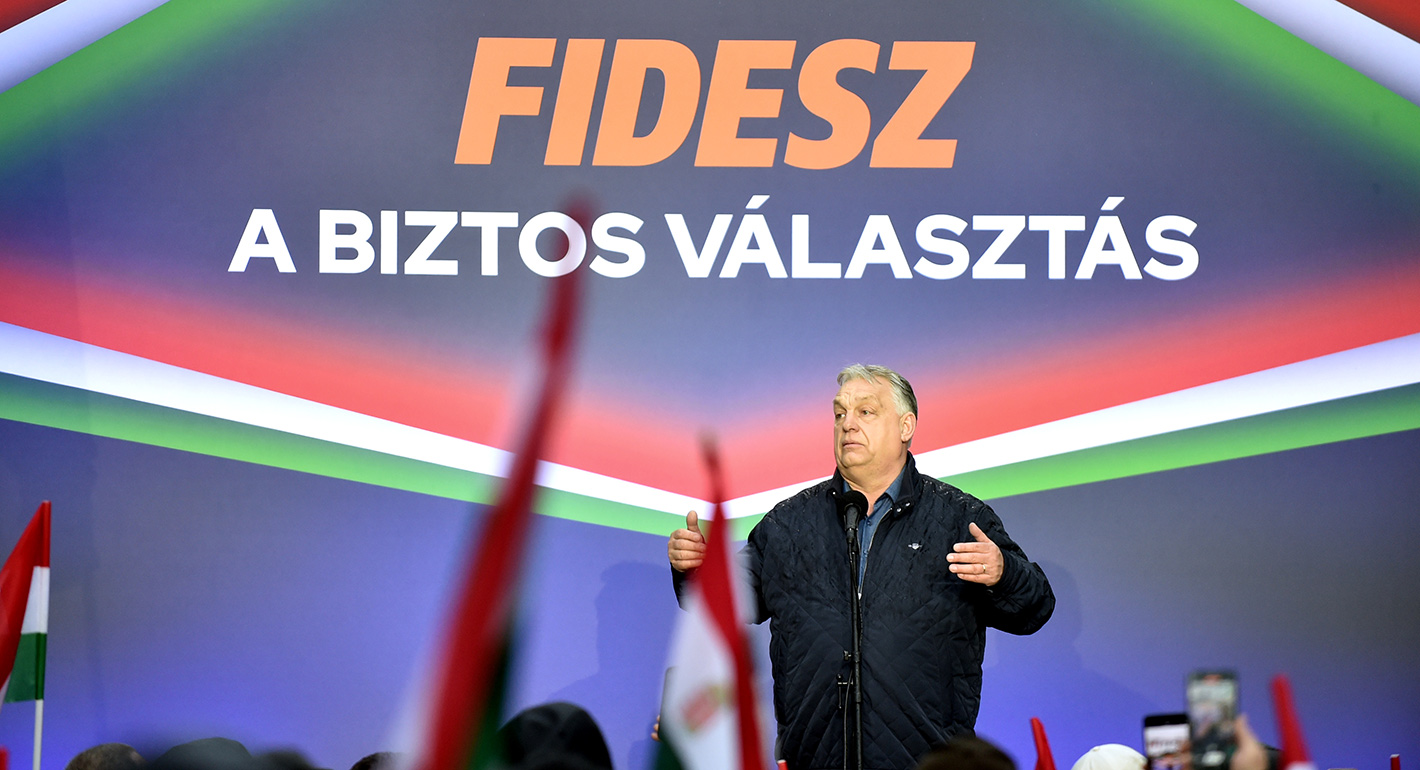
Hungary under Viktor Orbán deployed right-wing populism as a foreign policy strategy, embedding the country in a web of illiberal transnational networks whose legacy will endure even after his April 2026 electoral defeat.
Zsuzsanna Végh
This will be the region’s most representative tournament, amid broad changes in its footballing landscape.

Issam Kayssi
By fueling the arguments of both supporters and opponents of Armenian Prime Minister Nikol Pashinyan, Azerbaijan wants to ensure he is re-elected with a weaker mandate.

Bashir Kitachaev