

Q&A
Paul Haenle, Philippe Le Corre
{
  "authors": [
    "Philippe Le Corre"
  ],
  "type": "legacyinthemedia",
  "centerAffiliationAll": "dc",
  "centers": [
    "Carnegie Endowment for International Peace"
  ],
  "collections": [],
  "englishNewsletterAll": "ctw",
  "nonEnglishNewsletterAll": "",
  "primaryCenter": "Carnegie Endowment for International Peace",
  "programAffiliation": "EP",
  "programs": [
    "Europe"
  ],
  "projects": [],
  "regions": [
    "East Asia",
    "China",
    "Eastern Europe",
    "Western Europe",
    "Iran"
  ],
  "topics": [
    "Political Reform",
    "Economy",
    "Global Governance",
    "Foreign Policy"
  ]
}
Source: Getty
The European Chamber of Commerce in China has repeated year after year that the Chinese market is becoming too restrictive for foreign companies. Where does this leave the relationship between China and a European Union?
Source: South China Morning Post
This has been quite a month in EU-China relations. It started with Chinese President Xi Jinping’s visit to Italy, Monaco and France, and was followed by Chinese Premier Li Keqiang’s trip to Brussels and on to Dubrovnik in Croatia for the 16+1 forum involving China, 11 European Union member states and five Balkan nations.
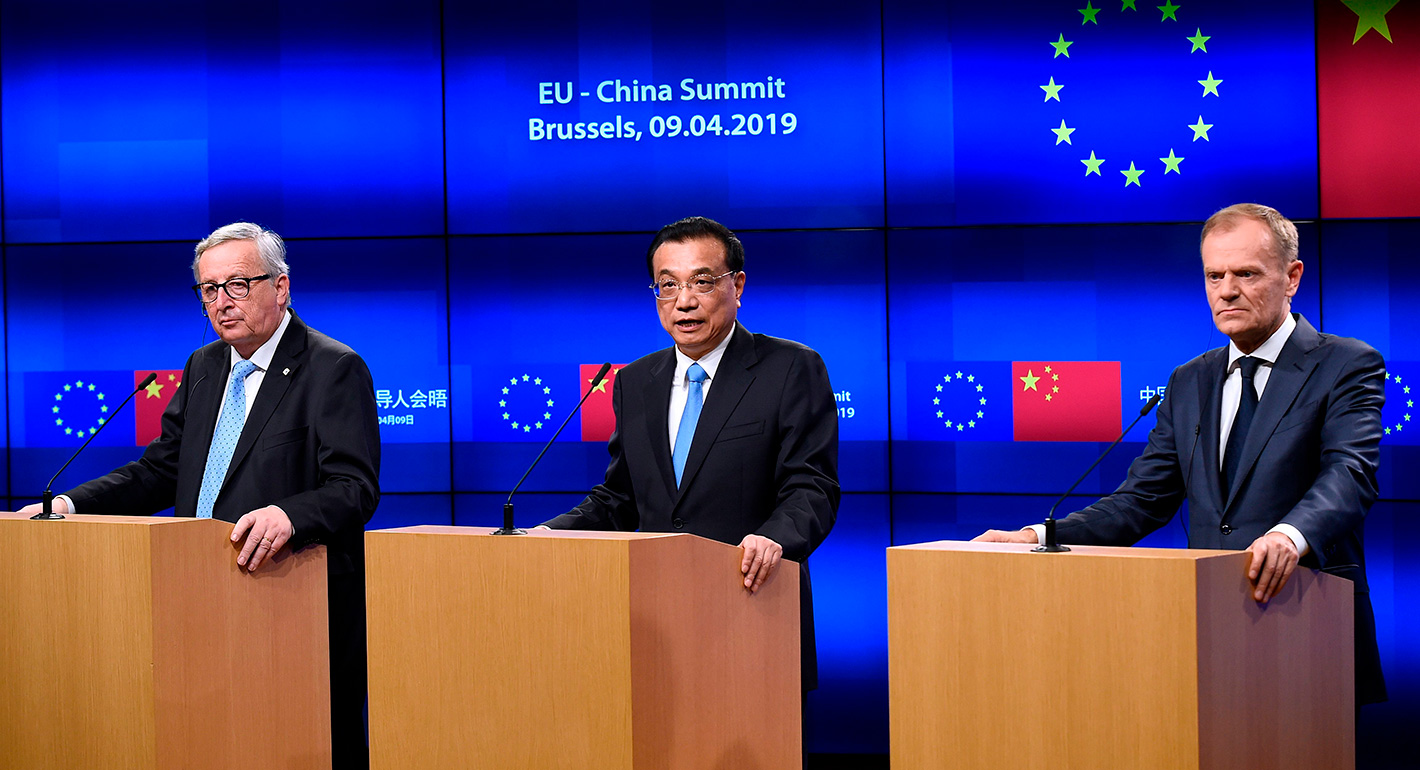
The most significant moment was without doubt the annual EU-China summit that took place on Tuesday in Brussels. Following the publication of an unusually blunt EU white paper in March in which China was described as a “systemic rival”, the meeting ended with a lengthy joint statement.
Interestingly, it referred to “universal, indivisible, interdependent and interrelated” human rights, but stopped short of looking at matters that pertain to China.
The statement was also vague on security and foreign policy matters. It offered some common views on the Joint Comprehensive Plan of Action on Iran’s denuclearisation process, called for “African solutions to African problems”, and weighed some support for a “maintained dialogue” between the US and North Korea, under the auspices of the United Nations.
The statement was also vague on security and foreign policy matters. It offered some common views on the Joint Comprehensive Plan of Action on Iran’s denuclearisation process, called for “African solutions to African problems”, and weighed some support for a “maintained dialogue” between the US and North Korea, under the auspices of the United Nations.
Unsurprisingly, the lengthiest and strongest part of the agreement was on trade and investment. Led by Germany and France, the EU has become more critical of China’s behaviour over the past couple of years.
This month, it introduced a non-binding investment screening framework aimed at Chinese investments in technology and infrastructure. In the European Commission’s strategic outlook, issued on March 12, the EU used strong language on “the distortive effects of foreign state ownership and state financing in the internal market” and called on member states to “ensure the swift, full and effective implementation of the regulation on screening of foreign investment”.
The Brussels summit’s joint statement, which was finalised only hours before Li arrived in Brussels, addressed some of these concerns by drawing up a timetable for the conclusion of an EU-China Comprehensive Investment Agreement by 2020, which was probably the single most important achievement of this year’s summit.
The two sides reaffirmed the importance of sticking to international scientific standards. Following years of negotiations, China recently agreed to the WTO’s plurilateral Agreement on Government Procurement. And, most importantly, it said that “there should not be forced transfers of technology” (for foreign companies in China).
The EU and China also committed to “build their economic relationship on openness, non-discrimination and fair competition, ensuring a level playing field, transparency and based on mutual benefits”.
These phrases were typical of EU statements, but having Beijing agree to it meant that the need for a timely “deal” with the EU became a top priority. After all, China was still negotiating with the US over trade and investment.
The European Chamber of Commerce in China has repeated year after year that the Chinese market is becoming too restrictive for foreign companies. It is possible that the state subsidies will become less obvious when Chinese companies invest overseas in the future but, on the other hand, it is hard to see Beijing under the current leadership changing gears with regard to state-owned enterprises, which remain a cornerstone of China’s geoeconomic expansion – especially in Europe.
Where does this leave the relationship between China and a European Union? After all, the EU has presumably “stopped being naive about China” according to French President Emmanuel Macron.
The bluntness of the past few weeks seems to have helped the Europeans to enforce their positions when facing a Chinese leadership which badly needs to improve its image in Europe ahead of an important “Belt and Road Initiative” forum in Beijing.
Interestingly, both sides agreed on reinforcing cooperation on the long-term sustainability of Europe-Asia connectivity with the new EU-China Connectivity Platform.
A final point: while Europeans have become more assertive, China appears to have become more modest and willing to compromise.
First, Xi agreed to a joint meeting in Paris with German Chancellor Angela Merkel, Macron and European Commission President Jean-Claude Juncker for the first time. This showed a willingness to cooperate.
Second, two weeks later, Li – who has customarily been the Chinese representative at these annual summits – has appeared in a compromising mood with the Europeans. Still, it remains to be seen how much of the summit’s conclusions are implemented. No doubt European companies will be among the first to monitor the situation.
This article was originally published by the South China Morning Post.
Former Nonresident Senior Fellow, Europe Program
Philippe Le Corre was a nonresident senior fellow in the Europe Program at the Carnegie Endowment for International Peace.
Recent Work

Paul Haenle, Philippe Le Corre

Erik Brattberg, Philippe Le Corre, Paul Stronski, …
Carnegie does not take institutional positions on public policy issues; the views represented herein are those of the author(s) and do not necessarily reflect the views of Carnegie, its staff, or its trustees.

Funding Ukraine remains a priority for European leaders. As Russia’s war of aggression heads into another winter, two feasible options to mobilize support for Kyiv should be fast-tracked.


Vladyslav Rashkovan, Gregory P. Wilson

Russian strikes are weakening the economy sustaining Ukraine’s war effort. Closing the growing funding gap will require more European support and politically contentious reforms in Kyiv.

Balázs Jarábik

While the EU and European governments are embracing the much-lauded middle-power moment, this entails three difficult conundrums.

Richard Youngs
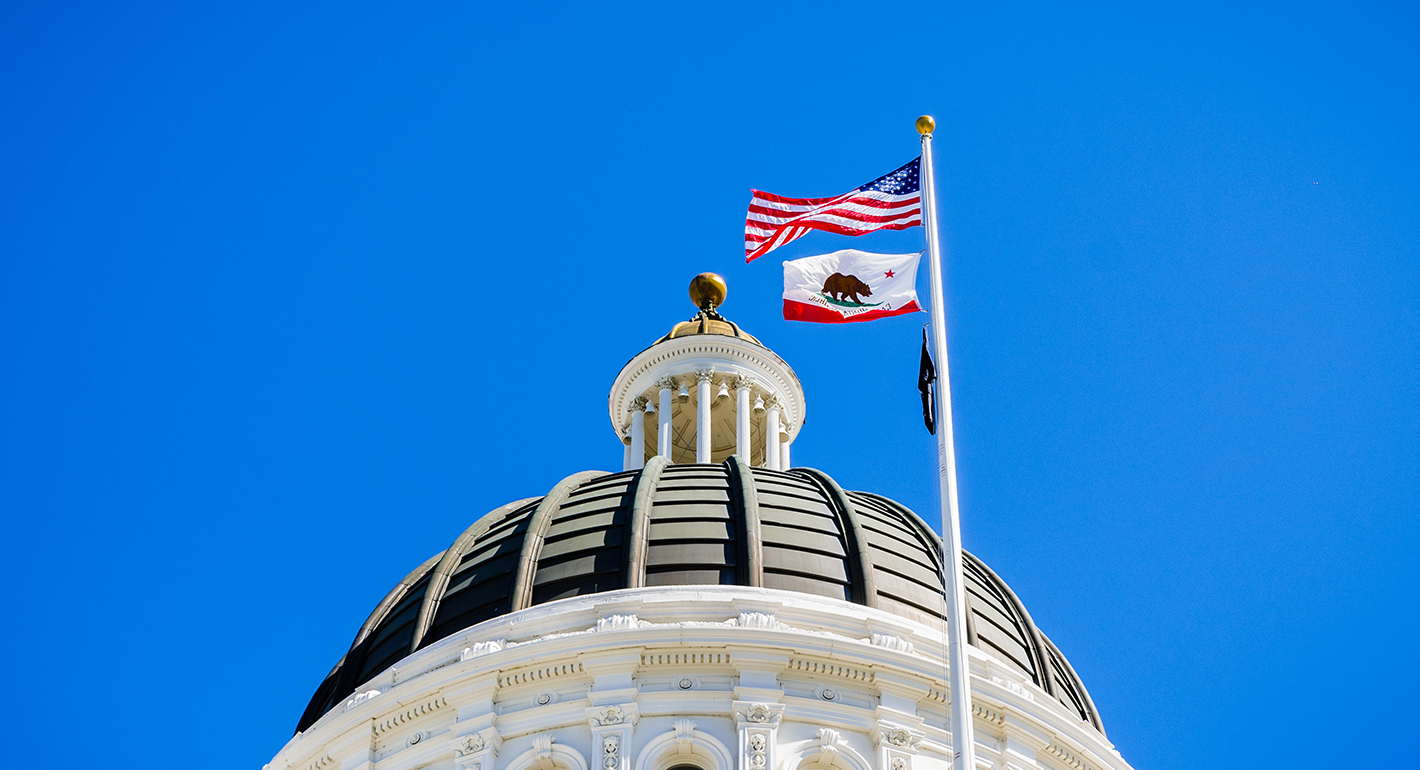
The middle power moment will not be defined by sovereign states alone, and California stands out for its potential contributions to international cooperation.


Ian Klaus, Stewart Patrick

Ex-president Gurbanguly Berdimuhamedov remains interested in politics, but his son Serdar, Turkmenistan’s current president, is becoming increasingly independent and willing to break with his father’s legacy. If their covert rivalry goes too far, both risk losing power.

Galiya Ibragimova