

Research
- +10
Jarrett Blanc, Thomas de Waal, Karim Sadjadpour, …
{
  "authors": [
    "Jarrett Blanc"
  ],
  "type": "legacyinthemedia",
  "centerAffiliationAll": "dc",
  "centers": [
    "Carnegie Endowment for International Peace",
    "Malcolm H. Kerr Carnegie Middle East Center"
  ],
  "collections": [],
  "englishNewsletterAll": "americanStatecraft",
  "nonEnglishNewsletterAll": "",
  "primaryCenter": "Carnegie Endowment for International Peace",
  "programAffiliation": "ASP",
  "programs": [
    "American Statecraft"
  ],
  "projects": [],
  "regions": [
    "North America",
    "United States",
    "Middle East",
    "Iran"
  ],
  "topics": [
    "Political Reform",
    "Security",
    "Military",
    "Foreign Policy",
    "Global Governance"
  ]
}
Source: Getty
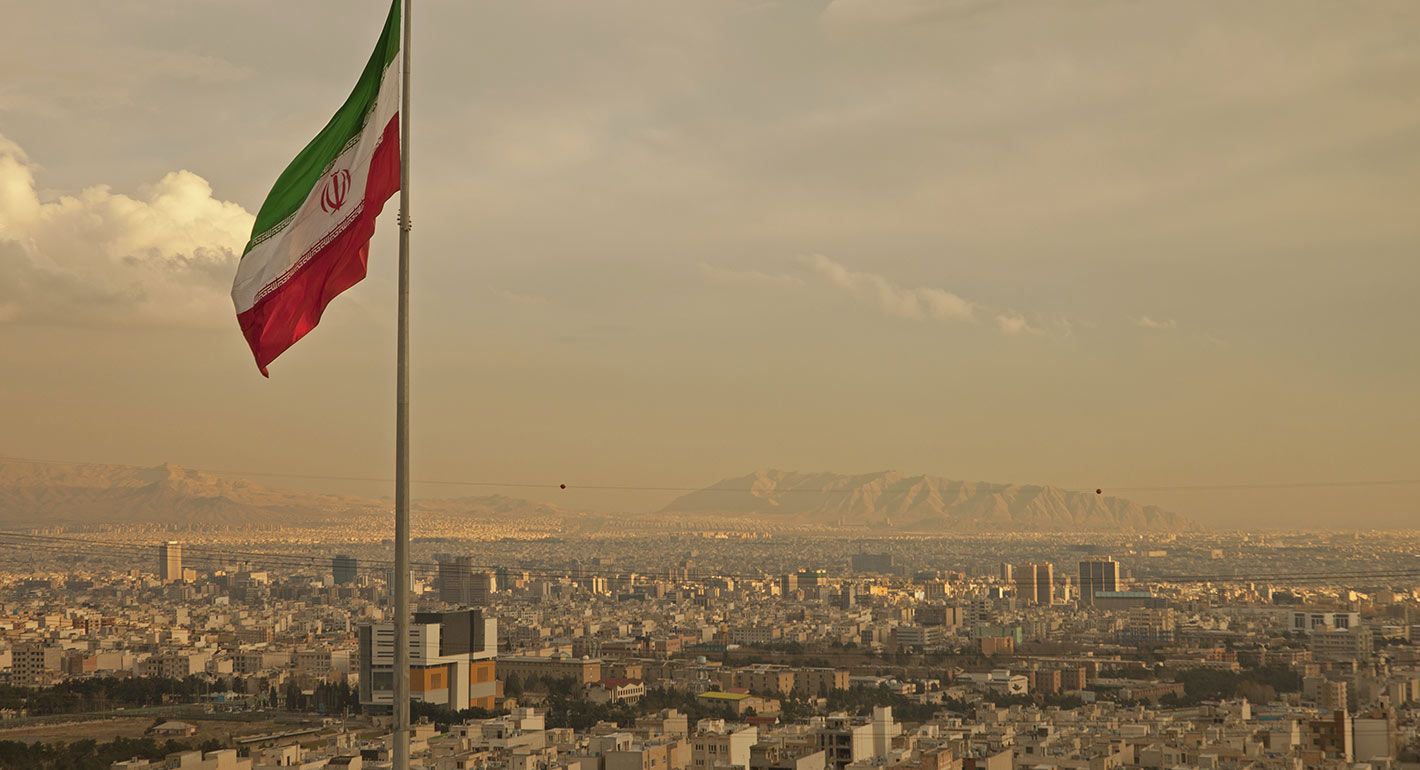
U.S. partners forced by proximity to rub elbows with the IRGC might worry that unavoidable contacts could make them subject to U.S. sanctions.
Source: Axios
The designation of Iran's Islamic Revolutionary Guard Corps (IRGC) as a Foreign Terrorist Organization (FTO) imposes few if any new restrictions. As President Trump noted, though, it is technically an "unprecedented" action, since the label was intended for non-state actors.
The big picture: This amounts to just one more layer of opprobrium on top of Iran’s 1984 designation as a state sponsor of terrorism, the IRGC’s designation under separate counterterrorism authorities, and a long list of related sanctions. Because most countries and firms worried about U.S. sanctions have already left the Iranian market, it's unlikely to chill much international business.
Where it stands: Iran has already announced that it will designate the U.S. military as a terrorist organization — a similarly symbolic gesture. It may end there.
Yes, but: The real concern is that this designation will escalate the conflict between Washington and Tehran, in three possible ways.
Between the lines: U.S. partners forced by proximity to rub elbows with the IRGC — including the governments of Iraq, Afghanistan and Lebanon — might worry that unavoidable contacts could make them subject to U.S. sanctions, but enforcing any would require Washington to take further and ultimately self-defeating positions.
What to watch: It's possible the FTO designation is a sop to hardliners who failed to persuade the president to adopt a more aggressive posture. Or, as can't be ruled out in an administration that has not prioritized interagency policy review and decision-making, it could prove disconnected from other Iran policy decisions.
Former Senior Fellow, Geoeconomics and Strategy Program
Jarrett Blanc was a senior fellow in the Geoeconomics and Strategy Program at the Carnegie Endowment for International Peace.
Recent Work


Jarrett Blanc, Thomas de Waal, Karim Sadjadpour, …

Dan Baer, Rosa Balfour, Jarrett Blanc, …
Carnegie does not take institutional positions on public policy issues; the views represented herein are those of the author(s) and do not necessarily reflect the views of Carnegie, its staff, or its trustees.
Despite its flop at the box office, the film raises important questions for the climate community to answer.

Leonardo Martinez-Diaz

Funding Ukraine remains a priority for European leaders. As Russia’s war of aggression heads into another winter, two feasible options to mobilize support for Kyiv should be fast-tracked.


Vladyslav Rashkovan, Gregory P. Wilson

Russian strikes are weakening the economy sustaining Ukraine’s war effort. Closing the growing funding gap will require more European support and politically contentious reforms in Kyiv.

Balázs Jarábik

In an interview, Rozina Ali discusses her new book on the rise and manifestations of Islamophobia in the United States.

Michael Young

While the EU and European governments are embracing the much-lauded middle-power moment, this entails three difficult conundrums.

Richard Youngs