

Article
Thomas de Waal
{
  "authors": [
    "Thomas de Waal"
  ],
  "type": "other",
  "centerAffiliationAll": "dc",
  "centers": [
    "Carnegie Endowment for International Peace",
    "Carnegie Europe"
  ],
  "collections": [
    "Europe’s Eastern Neighborhood"
  ],
  "englishNewsletterAll": "ctw",
  "nonEnglishNewsletterAll": "",
  "primaryCenter": "Carnegie Europe",
  "programAffiliation": "EP",
  "programs": [
    "Europe"
  ],
  "projects": [],
  "regions": [
    "Russia",
    "Eastern Europe",
    "Caucasus",
    "Georgia",
    "Iran"
  ],
  "topics": [
    "Security"
  ]
}
Source: Getty
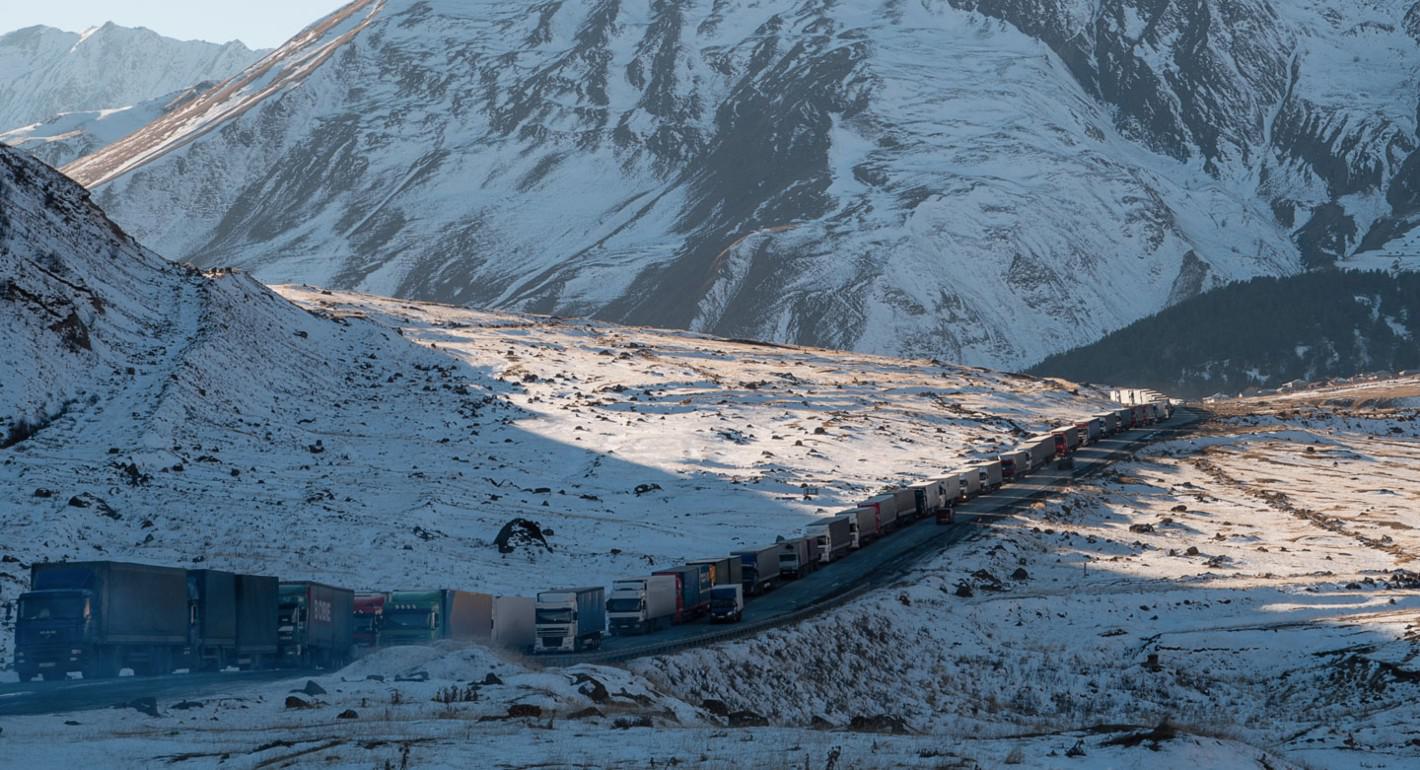
South Ossetia has all but disappeared from international view since the Georgia-Russia conflict of 2008 and is now being used by Moscow to pressure Tbilisi and channel funds to the breakaway Donbas regions.
Source: CENTRE FOR EUROPEAN POLICY STUDIES
The modern history of South Ossetia is a tragic one in which a generally peaceful region was first dragged into an unnecessary war with Georgia in the 1990s, then became the centre of the Georgian-Russian conflict of 2008. Since then it has been granted what has been described as “unwanted independence,” which in practice means isolation, economic depression and de facto Russian military annexation. On a personal level, this isolation hurts Ossetians as much or even more than Georgians. Many mixed Georgian-Ossetian families have been divided. The South Ossetian economy has withered, deprived of its traditional economic links with neighbouring Georgian towns.This publication was prepared within the framework of the CEPS-led 3DCFTAs project, enabled by financial support from Sweden. To download the publication, please consult the following link.

Senior Fellow, Carnegie Europe
Thomas de Waal is a senior fellow at Carnegie Europe, specializing in Eastern Europe and the Caucasus.
Recent Work
Thomas de Waal
Thomas de Waal

If the Russian-speaking community in Latvia cannot articulate their interests without being seen as disloyal, they could end up embracing a pro-Kremlin agenda.

Sergejs Potapkins

Are Germany’s economic, industrial, and political struggles becoming a liability for the EU’s ability to rise to the geopolitical moment?

Rym Momtaz, ed.

Russia’s ruling party would have benefited from Putin appearing as its distant patron, but as an active frontman imposing his views on the public, he has done nothing but harm both the party’s election campaign and the ruling system overall.

Andrey Pertsev

China’s police training infrastructure construction projects provide benefits to recipient countries, promote China’s image as a major global security provider, and are likely to reinforce alignment between Beijing’s security priorities and those of countries in the Global South.


Cameron Waltz, Sheena Chestnut Greitens, Kim Nguyen, …
They face an uphill climb, but they could draw on a strategy that other diplomats have used in the past.


Shana Tabak, Alejandro Martin Rodriguez