

Q&A
Dara Massicot, Aaron David Miller, Andrew S. Weiss
{
  "authors": [
    "Aaron David Miller"
  ],
  "type": "legacyinthemedia",
  "centerAffiliationAll": "",
  "centers": [
    "Carnegie Endowment for International Peace",
    "Malcolm H. Kerr Carnegie Middle East Center"
  ],
  "collections": [],
  "englishNewsletterAll": "",
  "nonEnglishNewsletterAll": "",
  "primaryCenter": "Carnegie Endowment for International Peace",
  "programAffiliation": "",
  "programs": [],
  "projects": [],
  "regions": [
    "North America",
    "United States",
    "Middle East",
    "Türkiye"
  ],
  "topics": [
    "Political Reform",
    "Foreign Policy"
  ]
}
Source: Getty
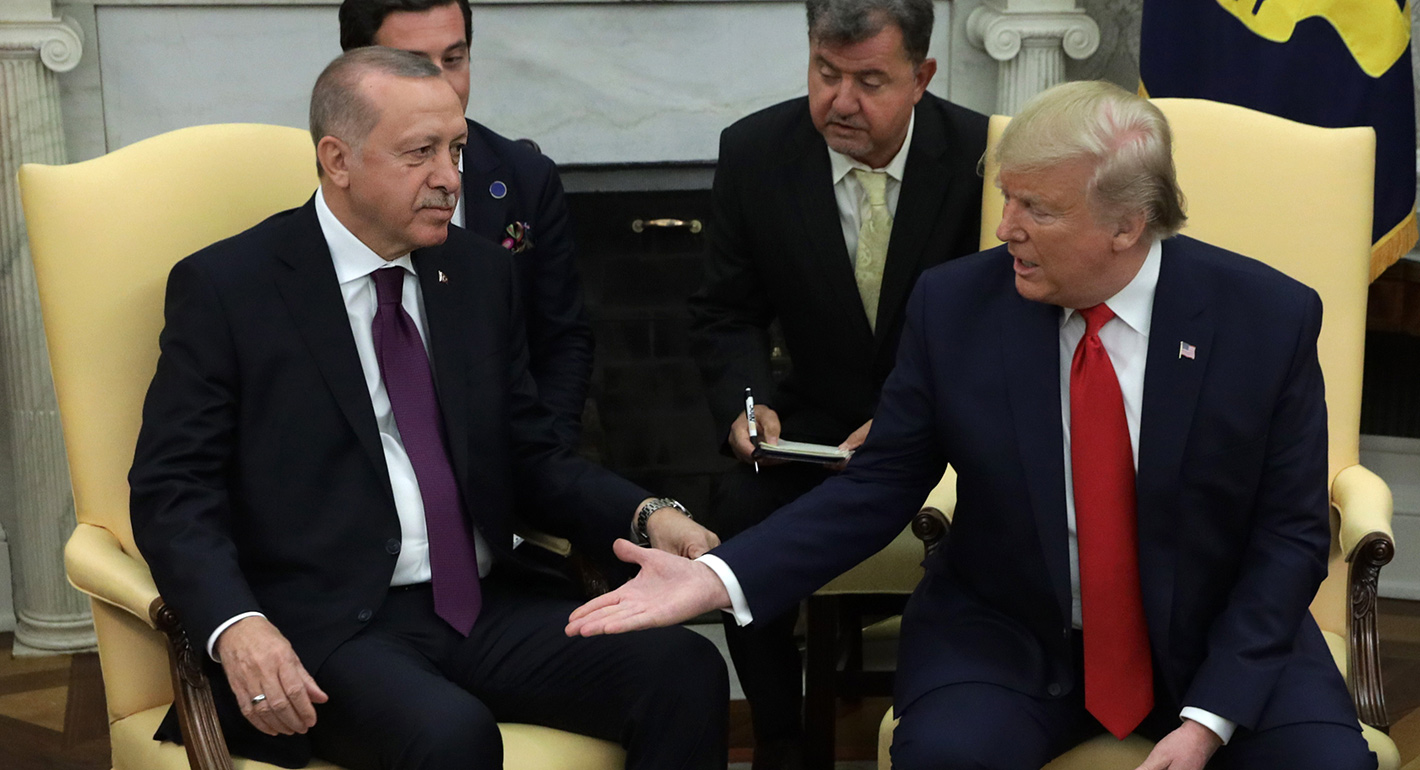
Trump’s relations with foreign leaders have followed a consistent pattern. Given the issues that divide the U.S. and Turkey, it’s somewhat of a mystery what Trump thinks he's getting out of his relationship with Erdogan.
Source: CNN
When Turkish President Recep Tayyip Erdogan visits Washington on Wednesday, he'll likely find the capital a pretty hostile place
Not only is it the first public session of the impeachment inquiry, but Congress is out to sanction Erdogan, and the press and think tankers are lambasting his policies toward the Kurds. But there's one place he's assured some measure of sanctuary -- and that's the Oval Office. The meeting with Trump may cover some difficult terrain, especially on Turkey's purchase of a S-400 Russian air defense system. But the President has long had a soft spot for Erdogan that all but guarantees the relationship will endure; here's why.
Trump's relations with foreign leaders have followed a consistent pattern. With the exception of Japanese Prime Minister Shinzo Abe, with whom he has developed close relations since the beginning of the administration, Trump clearly prefers dictators and authoritarians to democrats.
The list of the President's first authoritarian club is a long one that includes Russia's Vladimir Putin, China's President Xi Jinping; Saudi Arabian Crown Prince Mohammed bin Salman, Egypt's Abdel Fattah el-Sisi, of course, North Korea's Kim Jong Un. But high on the list has been Turkey's seeming leader for life.
But there's seems to be little concrete evidence of any of that. The politically inconvenient reality is that even though Turkey is hardly behaving as a close friend, let alone an ally, Trump continues to treat it as such by deferring sanctions for buying Russian military equipment and acquiescing in its Syria incursion. There may well be some tough words -- even actions --over Turkey's purchase of the Russian air defense system in Wednesday's meeting.
Trump has tangled with Erdogan, to be sure, sanctioning Turkey over the detention of American pastor Andrew Brunson and threatening to destroy the Turkish economy if Erdogan didn't end his attack on the US-allied Kurds in Syria. (Of course, Trump changed tunes when he pulled US troops out of Syria, abandoning the Kurds.)
At the same time, Trump has been consistently influenced by Erdogan's counsel, continuously flatters him and openly attributes friendly US-Turkish ties to his close "personal relationship" with the Turkish leader.
Given the issues that divide the US and Turkey, it's somewhat of a mystery what Trump thinks he's getting out of his relationship with Erdogan.
The reality is that Turkey has ceased to become a close American ally and by fostering friendly ties, and not using US leverage or pushing back, Trump is undermining, not furthering, a partnership that runs against US national interests.
After all, Erdogan is stirring up anti-American sentiment to rally a nationalist base, has taken delivery of a Russian air defense system, is seeking to strengthen his ties to Moscow and distance himself from NATO. He is seemingly far more interested in pushing the Kurds away from Turkey's border and ensuring they don't create an autonomous enclave, and dumping refugees in Syria, than going after ISIS and other jihadis.
But given Trump's self-centered view of the world where personal likes and dislikes seem to override the national interest, the explanation for Trump's bromance with Erdogan may well lie in the President's conviction that he and Erdogan face a common set of challenges.
Trump, like Erdogan, has authoritarian instincts and a contempt for democratic practices. Both leaders feel aggrieved by what they regard as criticism from the press and from elites in their society. They have each used the threat of the deep state to justify their behavior, and both see real merit in maintaining close ties to Putin.
In Erdogan's case, his actions are ostensibly driven by Turkey's national interests; in Trump's case there is personal interest over national welfare.
Nor can we rule out -- as with so much of Trump's motives -- the business angle. Trump's business interests in Turkey go back at least a decade. He reaps lucrative profit from a licensing deal from his Trump Tower in Istanbul and much of these dealings are being handled by a channel involving Erdogan's son in law and Trump's son-in-law, Jared Kushner. In this regard, the relationship between Trump and Turkey most closely resembles that between Trump and Saudi Arabia where Kushner also plays a leading role.
It would be nice to assume that Trump's desire to cultivate close relations with Erdogan was tethered to some broader strategy or purpose. Trump seemingly grasped the significance of keeping Turkey -- with the alliance's second largest military and key geographic location -- close.
He was determined to prevent Turkey from falling further into Russia's embrace and developed a plan for Syria in which Erdogan didn't have free rein to have his way with the Kurds.
But there's seems to be little concrete evidence of any of that. The politically inconvenient reality is that even though Turkey is hardly behaving as a close friend, let alone an ally, Trump continues to treat it as such by deferring sanctions for buying Russian military equipment and acquiescing in its Syria incursion. There may well be some tough words -- even actions --over Turkey's purchase of the Russian air defense system in Wednesday's meeting.
But Trump didn't invite Erdogan to Washington for the second time in two years to yell at him or to see the relationship crater.
Indeed, despite Congress asking Trump to rescind the offer to meet with the Turkish President, it is possible that Trump will use the meeting to double down and demonstrate his close relationship with Erdogan in defiance of Congress.
The relationship will endure because it's based on the most solid foundation of all -- a President who consistently conflates the national interest with his own ego, sensibilities and personal needs and interests.

Senior Fellow, American Statecraft Program
Aaron David Miller is a senior fellow at the Carnegie Endowment for International Peace, focusing on U.S. foreign policy.
Recent Work


Dara Massicot, Aaron David Miller, Andrew S. Weiss



Sophia Besch, Eric Ciaramella, Steve Feldstein, …
Carnegie does not take institutional positions on public policy issues; the views represented herein are those of the author(s) and do not necessarily reflect the views of Carnegie, its staff, or its trustees.

The conflict has sent economic and political shock waves through a country with no representation at the negotiating table—and Kenya is not alone.
Georgia Schaefer-Brown, Jane Munga
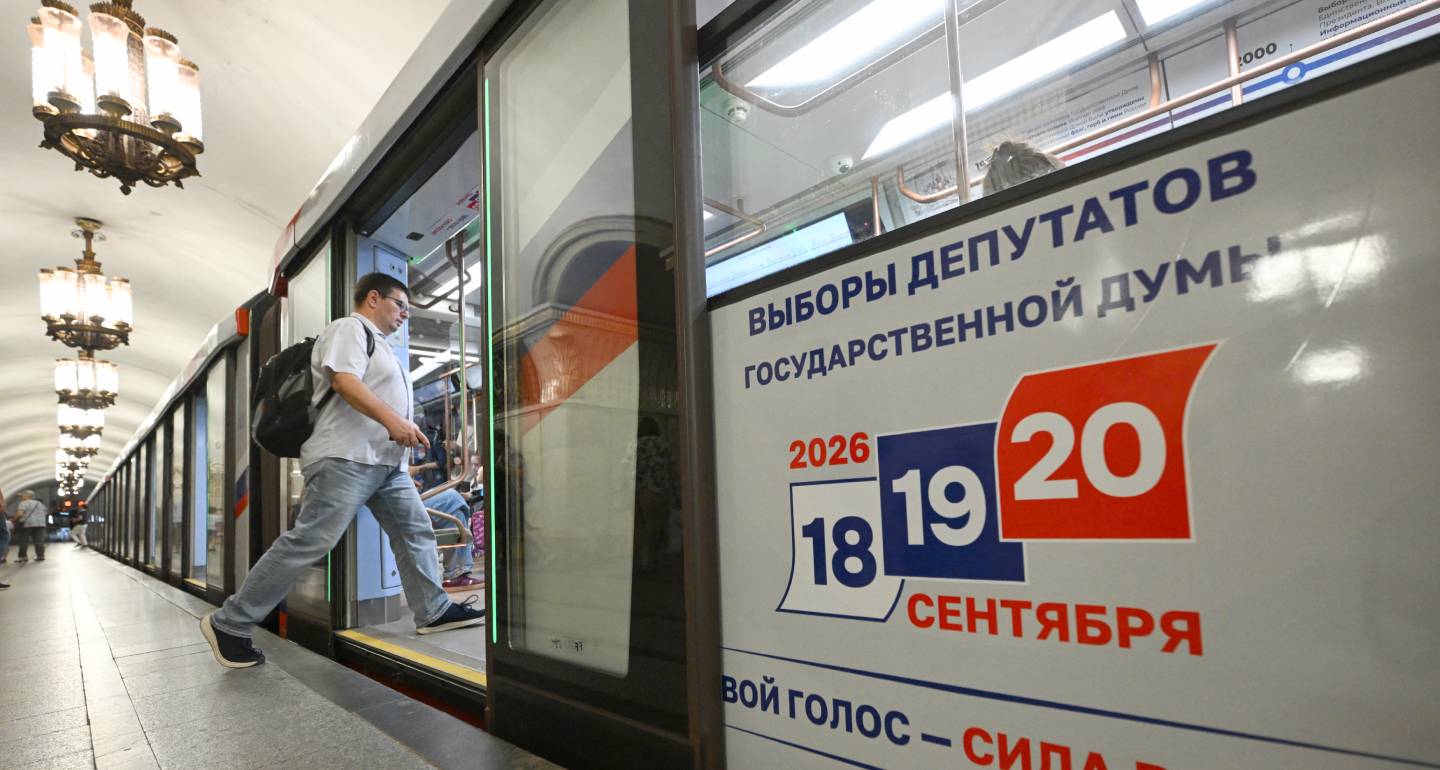
In the discussions made possible by the State Duma election campaign, one question is being asked more and more loudly. “What next?”

Andrey Pertsev
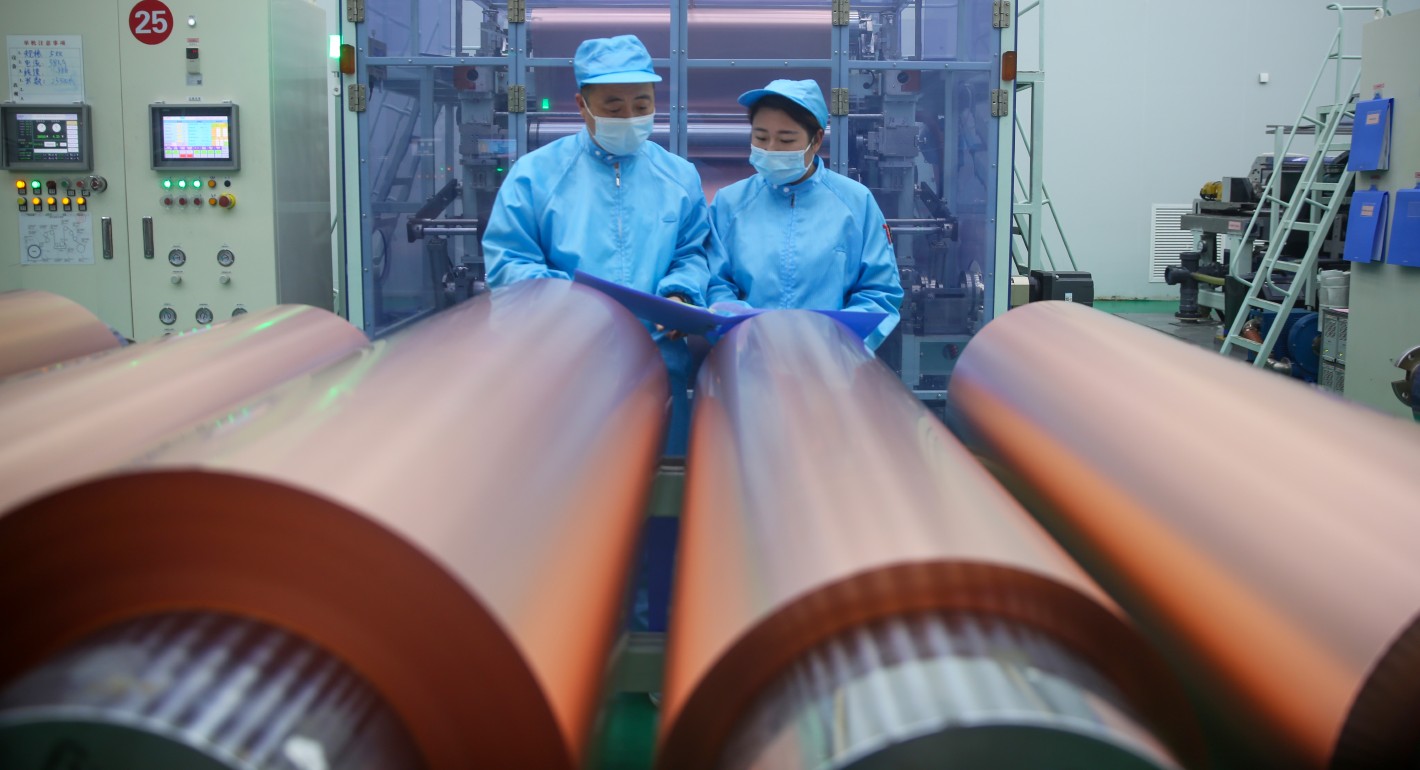
Over the past decade, China has moved from marginal player to major producer of all things batteries. The United States, Europe, and others are aiming to balance the market.

Milo McBride
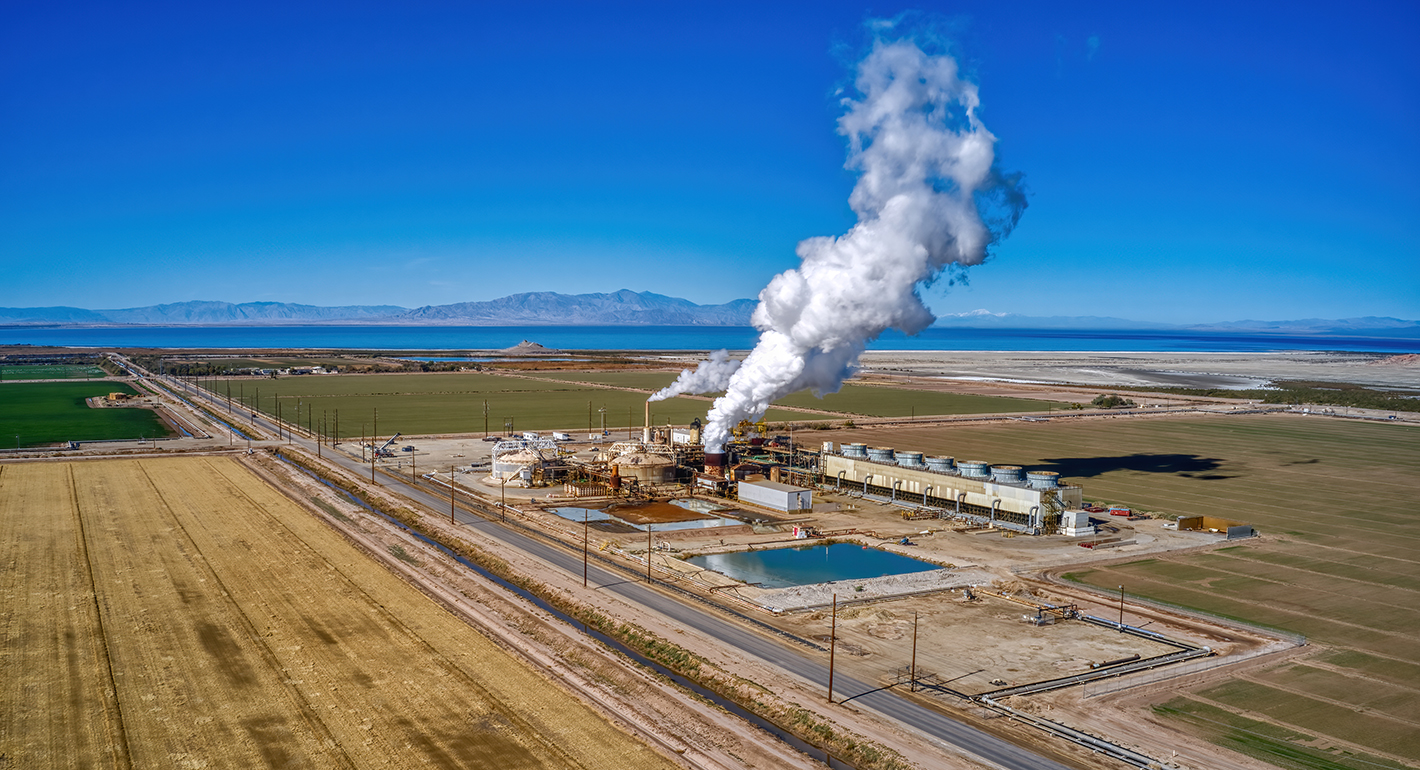
The DFC should focus on advanced, low-carbon energy sources, prioritizing areas where the United States has comparative advantages.
Noah Gordon, Liana Schmitter-Emerson
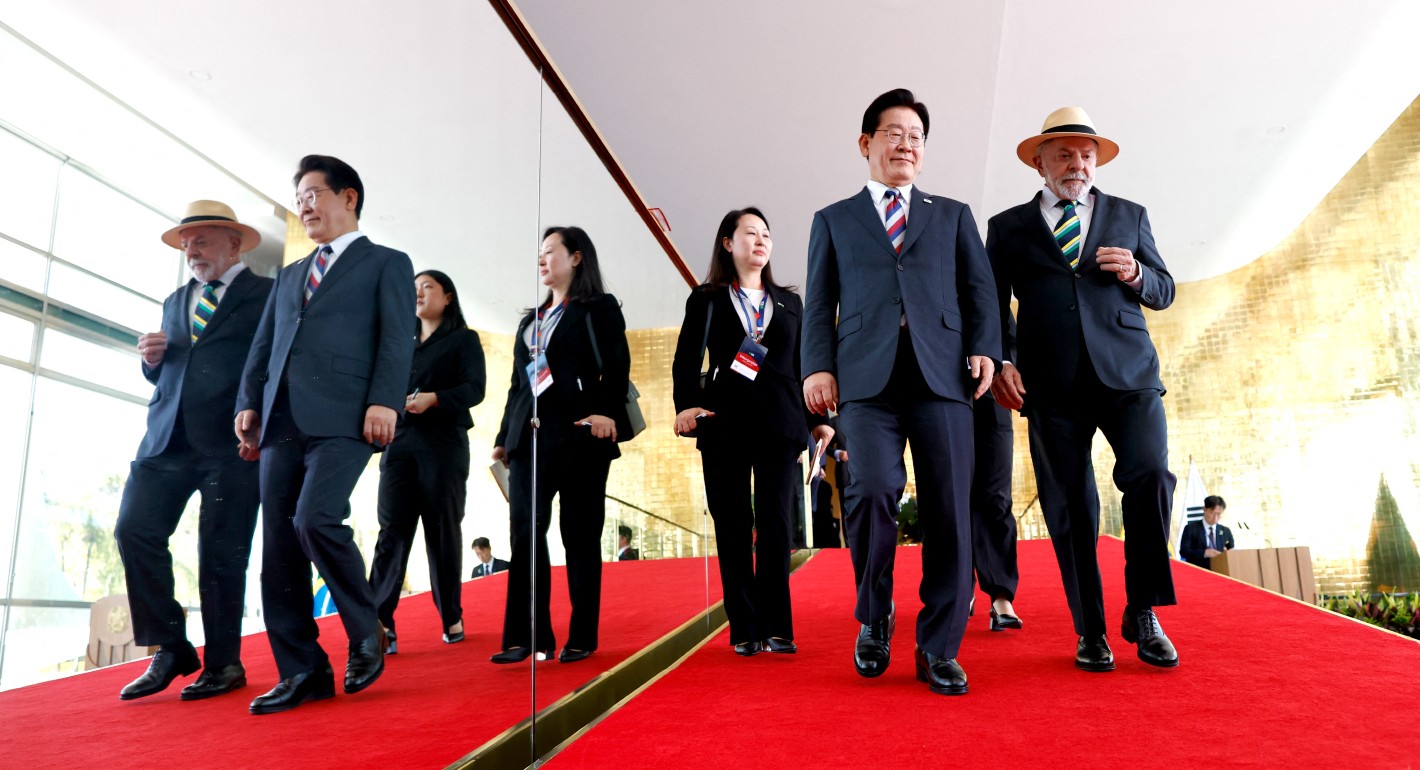
Lee’s tour shows how Seoul is reorganizing its diplomacy away from Pyongyang and toward industrial networks and the geography of the compute economy.

Darcie Draudt-Véjares