• Research
  • Emissary
  • About
  • Experts
Carnegie Global logoCarnegie lettermark logo
DemocracyIran
  • Donate
{
  "authors": [
    "Philippe Le Corre"
  ],
  "type": "other",
  "centerAffiliationAll": "dc",
  "centers": [
    "Carnegie Endowment for International Peace"
  ],
  "collections": [],
  "englishNewsletterAll": "asia",
  "nonEnglishNewsletterAll": "",
  "primaryCenter": "Carnegie Endowment for International Peace",
  "programAffiliation": "AP",
  "programs": [
    "Asia",
    "Europe"
  ],
  "projects": [],
  "regions": [
    "East Asia",
    "China",
    "Iran"
  ],
  "topics": [
    "Political Reform",
    "Foreign Policy"
  ]
}

Source: Getty

Other

Hong Kong, a Democratic Voice in China

The democratic pressure does not seem to be diminishing and could have political consequences in the elections later this year.

Link Copied
By Philippe Le Corre
Published on Feb 29, 2020
Program mobile hero image

Program

Asia

The Asia Program in Washington studies disruptive security, governance, and technological risks that threaten peace, growth, and opportunity in the Asia-Pacific region, including a focus on China, Japan, and the Korean peninsula.

Learn More
Program mobile hero image

Program

Europe

The Europe Program in Washington explores the political and security developments within Europe, transatlantic relations, and Europe’s global role. Working in coordination with Carnegie Europe in Brussels, the program brings together U.S. and European policymakers and experts on strategic issues facing Europe.

Learn More

Source: Études

For several months, there have been ongoing protests in Hong Kong against the Chinese government. The democratic pressure does not seem to be diminishing and could have political consequences in the elections later this year. To understand the evolution of the situation, we must also take into account the economic transformation of the region as a whole, of which Hong Kong is no longer necessarily at the forefront.

Read the Full Text

This article was originally published by Études.

About the Author

Philippe Le Corre

Former Nonresident Senior Fellow, Europe Program

Philippe Le Corre was a nonresident senior fellow in the Europe Program at the Carnegie Endowment for International Peace.

    Recent Work

  • Q&A
    Russia’s Invasion of Ukraine Has Jeopardized the China-EU Relationship

      Paul Haenle, Philippe Le Corre

  • Paper
    China’s Influence in Southeastern, Central, and Eastern Europe: Vulnerabilities and Resilience in Four Countries
      • +1

      Erik Brattberg, Philippe Le Corre, Paul Stronski, …

Philippe Le Corre
Former Nonresident Senior Fellow, Europe Program
Political ReformForeign PolicyEast AsiaChinaIran

Carnegie does not take institutional positions on public policy issues; the views represented herein are those of the author(s) and do not necessarily reflect the views of Carnegie, its staff, or its trustees.
More Work from Carnegie Endowment for International Peace

  • Commentary
    Carnegie Politika
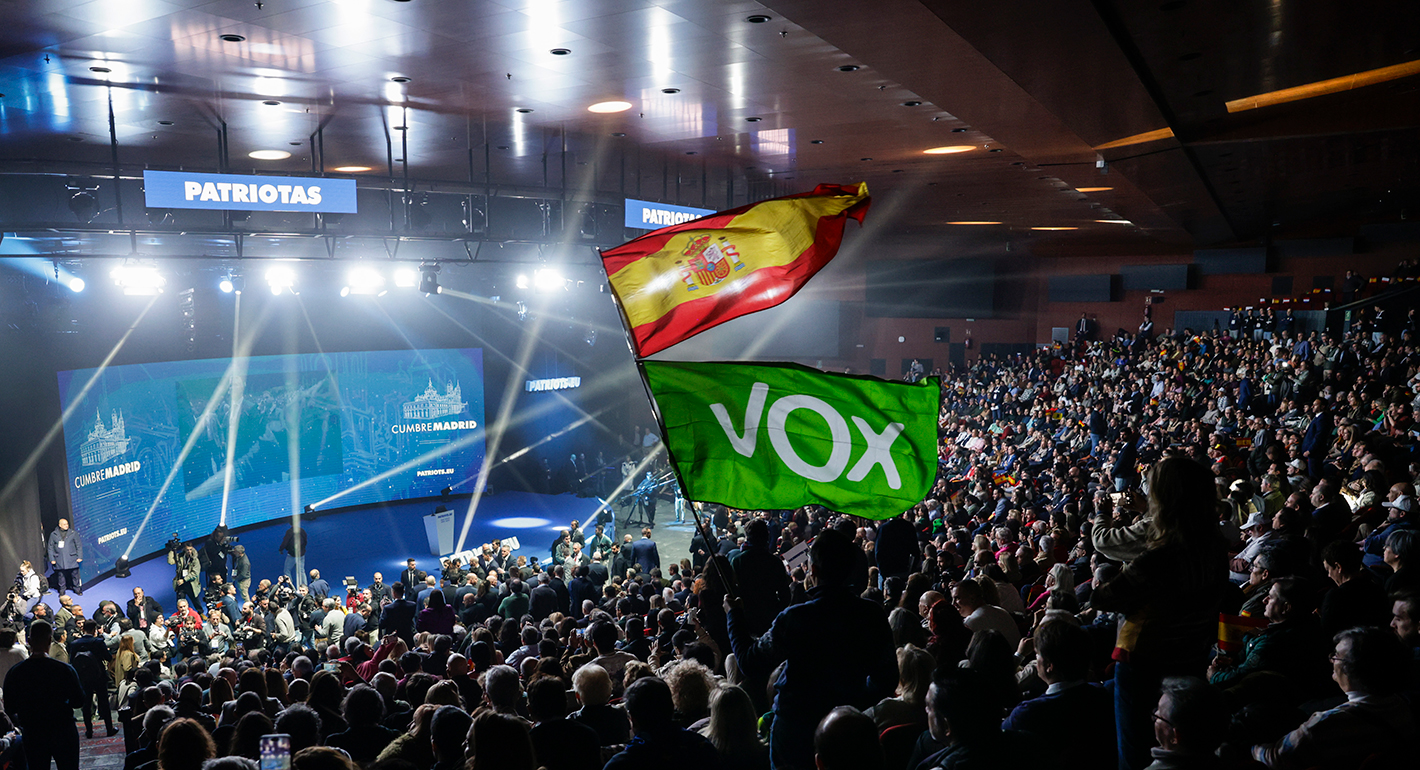
    What Does Central Europe’s Post-Orban Russia Policy Look Like?

    Though Orban is gone, Putin can still count on some like-minded individuals in Central and Eastern Europe. However, they will seek to avoid open confrontation with EU institutions over Ukraine and their ties with Moscow.


      Dimitar Bechev

  • Abstract image of China and AI
    Article
    China’s Pivot on Global AI

    Beijing’s AI diplomacy is pivoting from infrastructure and associated technical standards toward a more comprehensive effort aimed at recrafting global norms and institutions of AI governance.

      Arindrajit Basu

  • Commentary
    Carnegie Politika
    Are Russia-Japan Relations Really Warming Up?

    The truth is that Japan’s government is seeking a degree of reengagement but at a vastly reduced level than under Abe. Most significantly, Japan has shown no willingness to ease sanctions.

      James D.J. Brown

  • Commentary
    Carnegie Politika
    Brussels and Baku Are Talking Again: What Next?

    Azerbaijan’s relations with the EU appear to be going from strength to strength after several years in the deep freeze following the military escalation in Karabakh in 2023 and Azerbaijan’s bitter fallout with France and several other EU member states.

      Shujaat Ahmadzada

  • Commentary
    Strategic Europe
    Trump Turns NATO into a Tool of Coercion

    The full list of humiliations Europe has endured since Donald Trump returned to the White House makes for grim reading. But Washington’s adversarial approach to its allies undermines its own power base.

      • Rym Momtaz

      Rym Momtaz

Get more news and analysis from
Carnegie Endowment for International Peace
Carnegie global logo, stacked
1779 Massachusetts Avenue NWWashington, DC, 20036-2103Phone: 202 483 7600
  • Research
  • Emissary
  • About
  • Experts
  • Donate
  • Programs
  • Events
  • Blogs
  • Podcasts
  • Contact
  • Annual Reports
  • Careers
  • Privacy
  • For Media
  • Government Resources
Get more news and analysis from
Carnegie Endowment for International Peace
© 2026 Carnegie Endowment for International Peace. All rights reserved.