

Q&A
Jon Bateman, Andy Masley
{
  "authors": [
    "Jon Bateman"
  ],
  "type": "legacyinthemedia",
  "centerAffiliationAll": "dc",
  "centers": [
    "Carnegie Endowment for International Peace"
  ],
  "collections": [
    "U.S. Democracy in Comparative Perspective"
  ],
  "englishNewsletterAll": "ctw",
  "nonEnglishNewsletterAll": "",
  "primaryCenter": "Carnegie Endowment for International Peace",
  "programAffiliation": "TIA",
  "programs": [
    "Technology and International Affairs"
  ],
  "projects": [],
  "regions": [
    "North America",
    "United States",
    "Russia",
    "Iran"
  ],
  "topics": [
    "Political Reform",
    "Democracy",
    "Foreign Policy",
    "Technology"
  ]
}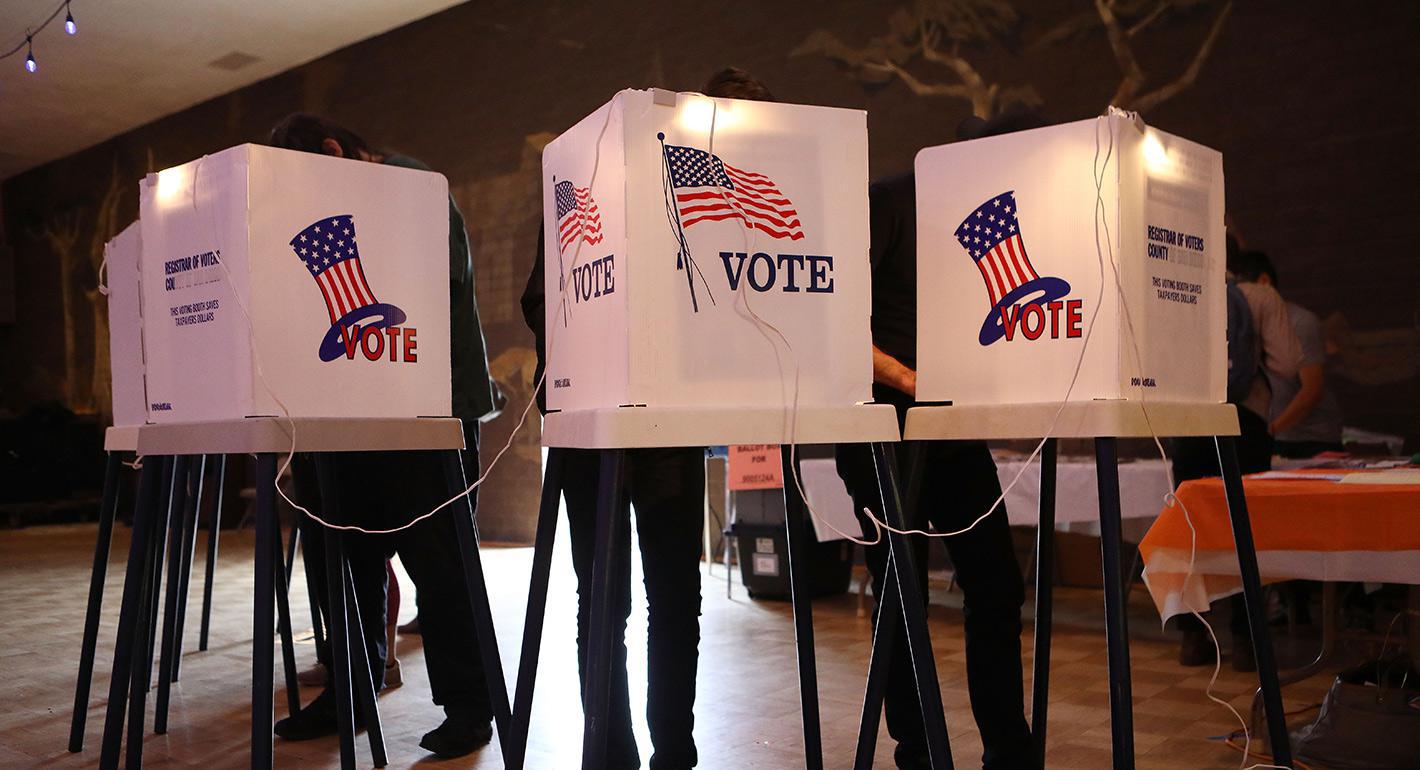
Source: Getty
Voters should demand actionable intelligence on foreign influence which is targeting the 2020 election. After all, the principal defense remains the public itself.
Source: Hill
Four years ago, Russian influence on the American election rocked our politics. Broad concern led United States intelligence agencies to reveal much of what they knew. Today the threat remains, but the attention has faded and the transparency is gone. Wild allegations fill this vacuum, like the claim by President Trump that other countries could print millions of mail ballots. Meanwhile, real evidence of active foreign influence is kept secret. The public hears only vague warnings of ongoing dangers.
Voters should demand actionable intelligence on foreign influence which is targeting the 2020 election. After all, the principal defense remains the public itself. Basic information can help citizens spot hallmarks of foreign manipulation and fact check their own leaders. Who are the main foreign actors? What are their agendas and narratives? The federal government can answer these questions, but it remarkably has chosen not to.
Indeed, as a former intelligence officer who spent years tracking foreign adversaries online, I am simply dismayed by this silence. I am afraid that the coronavirus has only raised the stakes. With campaigns going virtual, foreign trolls and propagandists have new avenues to covertly manipulate political discourse. Yet instead of educating American voters, government leaders resist public testimony. Meanwhile, tens of millions of voters have already cast primary ballots, and the general election now looms.
Just consider what the American people have been told about the major threat of Russia. Over one year ago, the director of national intelligence released a two sentence assessment of Russian influence efforts that said Moscow “will continue to focus on aggravating social and racial tensions, undermining trust in authorities, and criticizing” politicians perceived to be against Russia. This very brief statement omitted crucial details, such as how Russian tactics have shifted since 2016 and what the voters have to look out for. A belated update this month gave no new substance.
The entire primary came and went without any official word about Russian influence. Instead, press leaks became the means of sharing intelligence with the public. The result is a whirlwind of disputed storylines over basic matters such as which candidates Russia has supported. Earlier this year, reports indicated Moscow was aiding Trump, based on some anonymous accounts of a closed intelligence briefing. The White House pushed back, citing contrary secret briefings. Another round of stories suggested initial reports had overstated the intelligence about Russia helping Trump. Such accounts had also relied on unnamed sources with opaque agendas.
Intelligence leaders could have cleared things up for the public, but they called the matter classified. Congress spent months looking for answers. Average citizens still have no way to sort out conflicting assertions and must simply await the next leak. This game of telephone cannot be the American system of educating citizens about threats to our democracy. Voters deserve authoritative assessments from intelligence officials.
The standard rationale for keeping intelligence under wraps is to protect sensitive sources. But it is possible to share conclusions without exposing the evidence. Indeed, the intelligence community had released a lengthy assessment of Russian influence efforts in the 2016 election. While it was sanitized, it answered important questions. What did Russia do? How and why did Russia do it? Who ordered it? It still remains a gold standard.
The biggest limitation of the report was its timing. With the 2016 election already decided, American voters had no opportunity to respond. That is why a bipartisan Senate panel recently urged that “the public should be informed as soon as possible” of any foreign influence campaign for the 2020 election. The federal government adopted a process for this, but it never actually used it. Why not? I know from experience that intelligence agencies are profoundly resistant to communication with the public.
Secrecy is ingrained. Analysts write only for their “customers” with proper clearances and a need to know. The spy agencies have grown particularly reticent under this administration, fearing any disclosures that may draw ire from Trump. But these are not adequate justifications for withholding critical information from the public. Citizens have been conscripted into modern information warfare, so national defense depends partly on how well the public understands this battlefield. The American people should be considered intelligence customers with an urgent need to know.
Public release of intelligence is always delicate. A botched rollout in the middle of the campaign season could become its own form of election interference. Recrimination lingers from the FBI involvement in the 2016 election, and there is a legitimate fear of a political intelligence process. Careless disclosures might also sow undue panic over foreign influence, accidentally helping adversaries delegitimize the election results.
But responsible transparency is better than shrouded secrecy. Leaks and distortions proliferate and often drown out truthful information. A timely public record would end these games and make the federal government more accountable for addressing election influence, a signature threat of our era. Voters deserve facts on active foreign efforts to manipulate them. With the election just months away, there is no more time to waste.

Senior Fellow and Co-Director, Technology and International Affairs Program
Jon Bateman is a senior fellow and co-director of the Technology and International Affairs Program at the Carnegie Endowment for International Peace.
Recent Work

Jon Bateman, Andy Masley

Jon Bateman, Steve Feldstein
Carnegie does not take institutional positions on public policy issues; the views represented herein are those of the author(s) and do not necessarily reflect the views of Carnegie, its staff, or its trustees.

A leak of Russian gas price data helps establish that China is paying Russia far less than Central Asian countries and Gazprom’s former European customers.

Sergey Vakulenko

China’s political future will be shaped between now and next October. As the Communist Party enters its intense “campaign season” to prepare for a major political transition in 2027, reading Beijing's actions and responses may become more difficult as domestic politics weigh on its behavior more than usual.

Damien Ma

The EU can impose sanctions but struggles to enforce them without the United States. With Washington increasingly disinterested in backing European interests, the bloc must now fend for itself.


Nicu Popescu, Tiago Antunes
Global and rising powers will need to engage with Africa’s priorities and agency in order to secure the continent’s increasingly attractive partnerships.

Fonteh Akum

Rubio’s recent visit brought welcome attention, but more capital requires governance changes that may be a hard sell for regional governments.

Jennifer B. Murtazashvili