

Commentary
Cornelius Adebahr
{
  "authors": [
    "Cornelius Adebahr"
  ],
  "type": "legacyinthemedia",
  "centerAffiliationAll": "dc",
  "centers": [
    "Carnegie Endowment for International Peace",
    "Carnegie Europe"
  ],
  "collections": [
    "Iranian Proliferation"
  ],
  "englishNewsletterAll": "ctw",
  "nonEnglishNewsletterAll": "",
  "primaryCenter": "Carnegie Europe",
  "programAffiliation": "EP",
  "programs": [
    "Europe"
  ],
  "projects": [],
  "regions": [
    "Middle East",
    "Europe",
    "Iran",
    "Western Europe"
  ],
  "topics": [
    "Foreign Policy",
    "Political Reform",
    "Nuclear Policy"
  ]
}
REQUIRED IMAGE
Eight years of European thinking that Tehran could be a partner will end when hardliner Ebrahim Raisi becomes Iran’s next president. The EU should update its approach to the Persian Gulf by going beyond the nuclear file and focusing on regional security.

Former Nonresident Fellow, Carnegie Europe
Cornelius Adebahr was a nonresident fellow at Carnegie Europe. His research focuses on foreign and security policy, in particular regarding Iran and the Persian Gulf, on European and transatlantic affairs, and on citizens’ engagement.
Recent Work
Cornelius Adebahr

Cornelius Adebahr, Barbara Mittelhammer
Carnegie does not take institutional positions on public policy issues; the views represented herein are those of the author(s) and do not necessarily reflect the views of Carnegie, its staff, or its trustees.

After two years of mass protests, Serbia’s student-led movement has ousted Aleksandar Vučić. Now the Student List must prove it can deliver on its promises.
Dimitar Bechev
Even if the administration maintains its broader trade policy, it should use tariffs more strategically and work with U.S. partners, not against them.
Barbara Weisel
Safa Naser
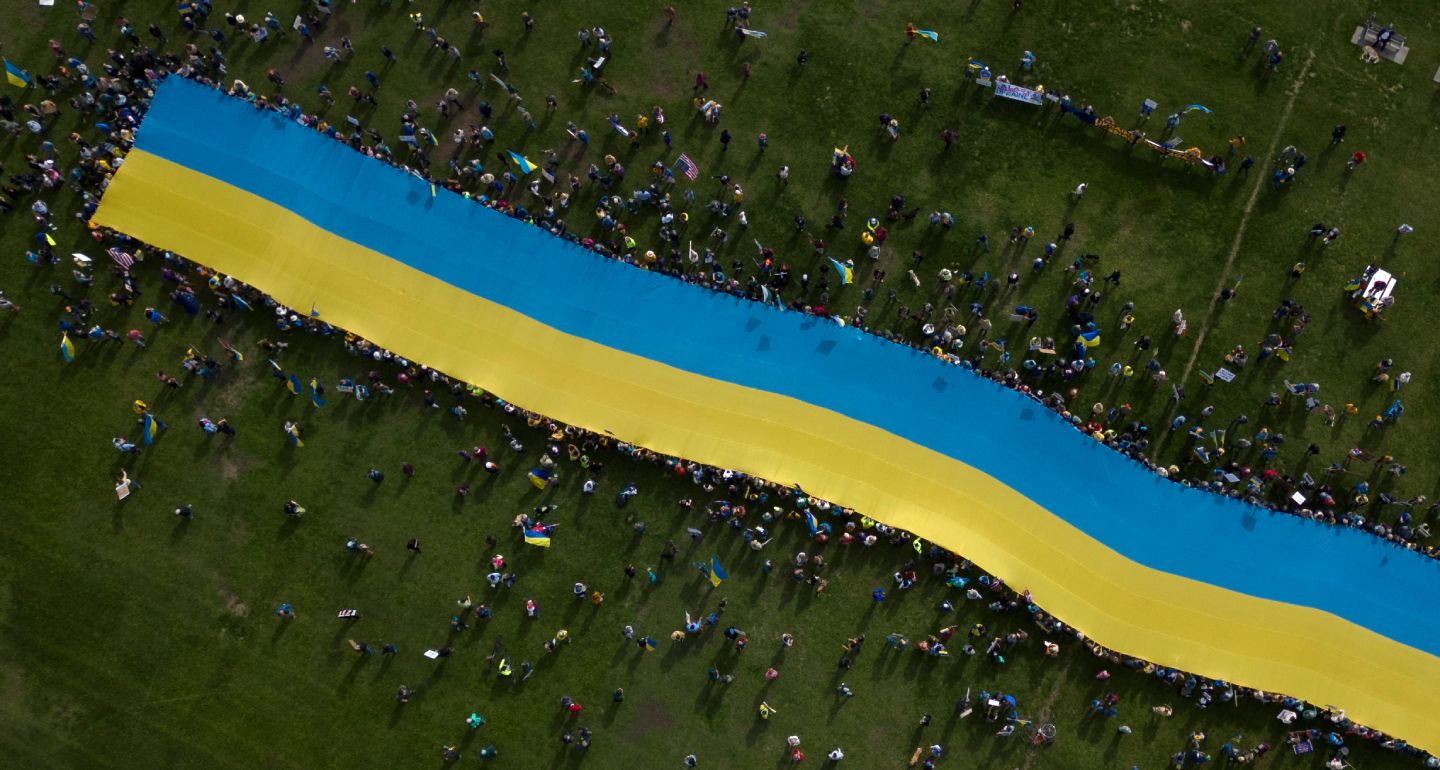
The war does threaten Putin’s existence. That is why he does not negotiate.
René Nyberg
Democrats now have the gavel and the purse, but the executive branch still pulls the levers on the U.S. role in the world.

James M. Acton, Dan Baer, Mark Baldassare, …