

Commentary
Cornelius Adebahr
{
  "authors": [
    "Cornelius Adebahr"
  ],
  "type": "legacyinthemedia",
  "centerAffiliationAll": "dc",
  "centers": [
    "Carnegie Endowment for International Peace",
    "Carnegie Europe"
  ],
  "collections": [
    "Iranian Proliferation"
  ],
  "englishNewsletterAll": "ctw",
  "nonEnglishNewsletterAll": "",
  "primaryCenter": "Carnegie Europe",
  "programAffiliation": "EP",
  "programs": [
    "Europe"
  ],
  "projects": [],
  "regions": [
    "North America",
    "United States",
    "Middle East",
    "Iran",
    "Western Europe"
  ],
  "topics": [
    "Foreign Policy",
    "Security",
    "Nuclear Policy"
  ]
}
REQUIRED IMAGE
While a successful Iran nuclear deal is far from guaranteed, alternatives to diplomacy are bleak. The United States’ apparent unwillingness to signal its intention to honor the agreement, Iran’s nuclear progress, and rising tensions between Washington and Beijing stand in the way of a renewed compromise.
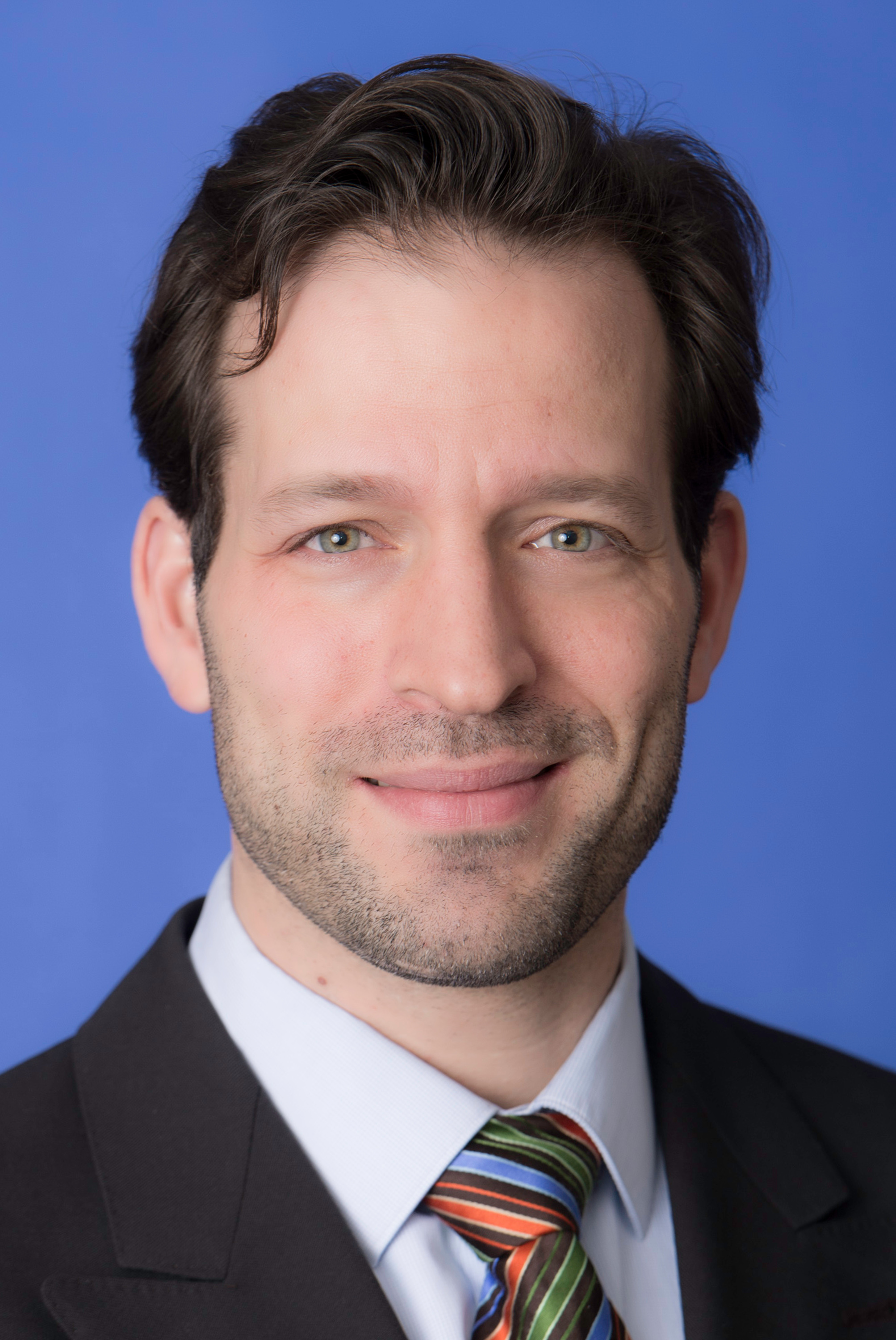
Former Nonresident Fellow, Carnegie Europe
Cornelius Adebahr was a nonresident fellow at Carnegie Europe. His research focuses on foreign and security policy, in particular regarding Iran and the Persian Gulf, on European and transatlantic affairs, and on citizens’ engagement.
Recent Work
Cornelius Adebahr

Cornelius Adebahr, Barbara Mittelhammer
Carnegie does not take institutional positions on public policy issues; the views represented herein are those of the author(s) and do not necessarily reflect the views of Carnegie, its staff, or its trustees.

In an interview, Ian Lustick and Eli Clifton discuss their new book on why a prominent ally has so much influence in America.

Michael Young

Germany, India, and other middle powers can’t build frontier AI alone, and they risk being cut off if they depend on the United States or China. The way through is to build the capacity for a frontier sprint while hoping never to use it.

Anton Leicht, Sam Winter-Levy

Trump has promised Belarus a massive potash deal. But Minsk is seeking something greater: restored Western transit and greater room for maneuver from Russia.

Balázs Jarábik

Before the next wave of EU enlargement takes place, the union needs to grapple with thorny questions of how power is distributed among its members.


Emil Sondaj Hansen, Ditte Brasso Sørensen

The real test may come after the leaders leave the room.



Sheena Chestnut Greitens, Oriana Skylar Mastro, Yukon Huang, …