

Commentary
Dimitar Bechev
{
  "authors": [
    "Dimitar Bechev"
  ],
  "type": "legacyinthemedia",
  "centerAffiliationAll": "dc",
  "centers": [
    "Carnegie Endowment for International Peace",
    "Carnegie Europe"
  ],
  "collections": [
    "Turkey’s Transformation",
    "Europe’s Eastern Neighborhood"
  ],
  "englishNewsletterAll": "ctw",
  "nonEnglishNewsletterAll": "",
  "primaryCenter": "Carnegie Europe",
  "programAffiliation": "EP",
  "programs": [
    "Europe"
  ],
  "projects": [],
  "regions": [
    "Europe",
    "Türkiye",
    "Eastern Europe",
    "Middle East",
    "Caucasus",
    "Russia",
    "Iran"
  ],
  "topics": [
    "Foreign Policy",
    "Security"
  ]
}
REQUIRED IMAGE
Türkiye’s post-Cold War policy in the Black Sea, based on the vision of a Russian-Turkish duopoly of power, has lapsed. In this less predictable and more unstable environment, Türkiye will continue to pursue its balancing act between Russia and the West.

Senior Fellow, Carnegie Europe
Bechev is a senior fellow at Carnegie Europe, where he focuses on EU enlargement, the Western Balkans, and Eastern Europe.
Recent Work
Dimitar Bechev

Dimitar Bechev, Iliriana Gjoni
Carnegie does not take institutional positions on public policy issues; the views represented herein are those of the author(s) and do not necessarily reflect the views of Carnegie, its staff, or its trustees.

Hungarians head to the polls on April 12 for an election of national and European consequence. Three different outcomes are on the cards, each with their own implications for the EU.

Zsuzsanna Szelényi
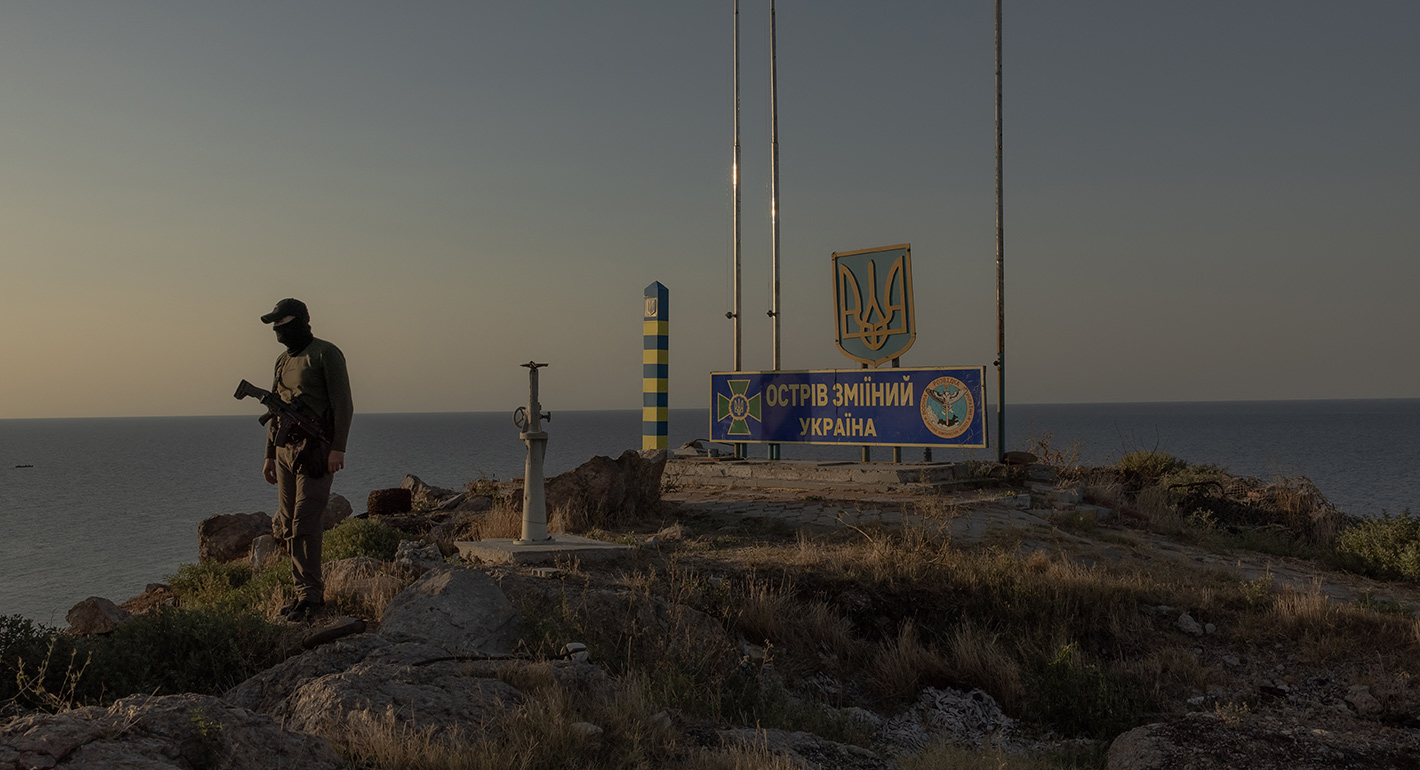
Ukraine’s asymmetric approach has rendered Russia’s Black Sea Fleet functionally useless. But a long-term commitment will be needed to maintain this balance of power.
Alina Frolova, Stepan Yakymiak
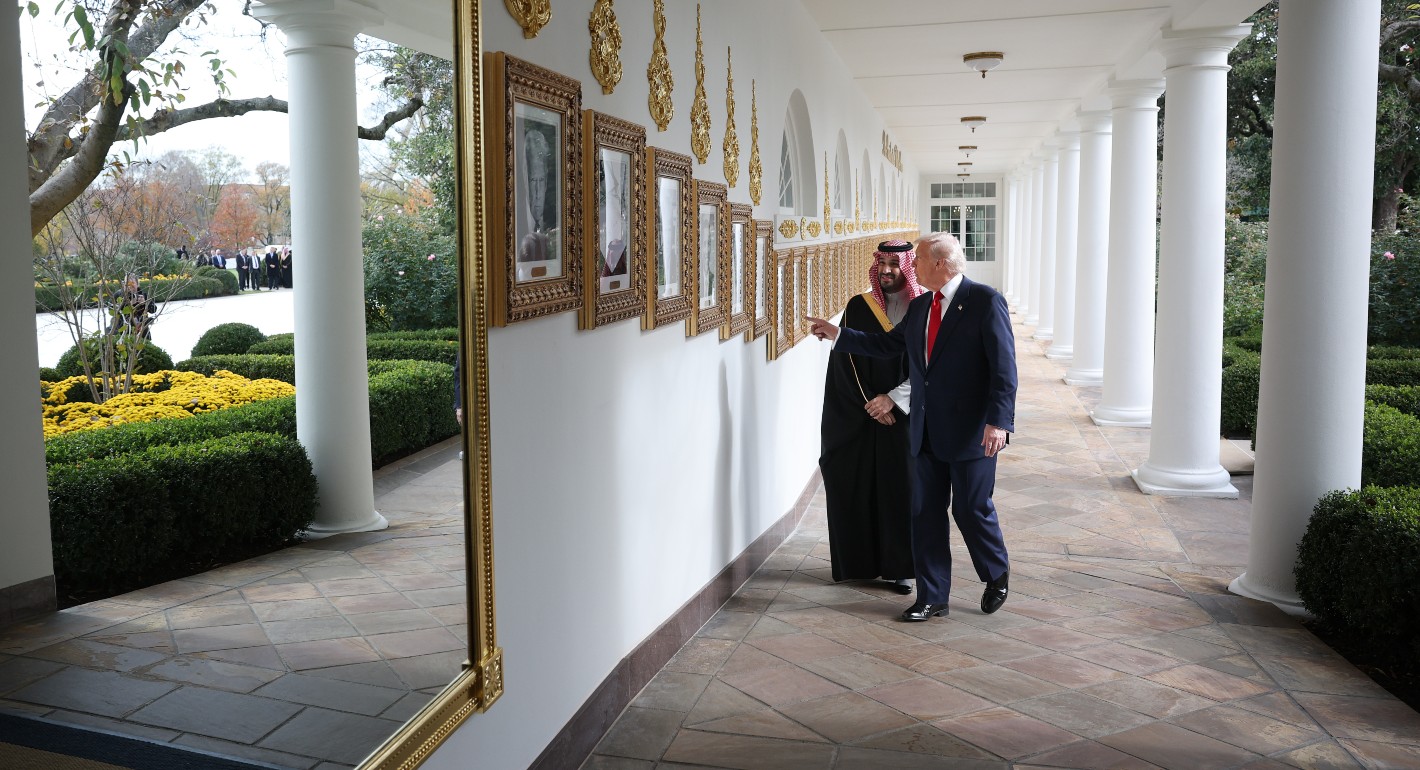
Neither the Abraham Accords nor the presence of large U.S. bases are enough to protect Arab Gulf states.

Marwan Muasher
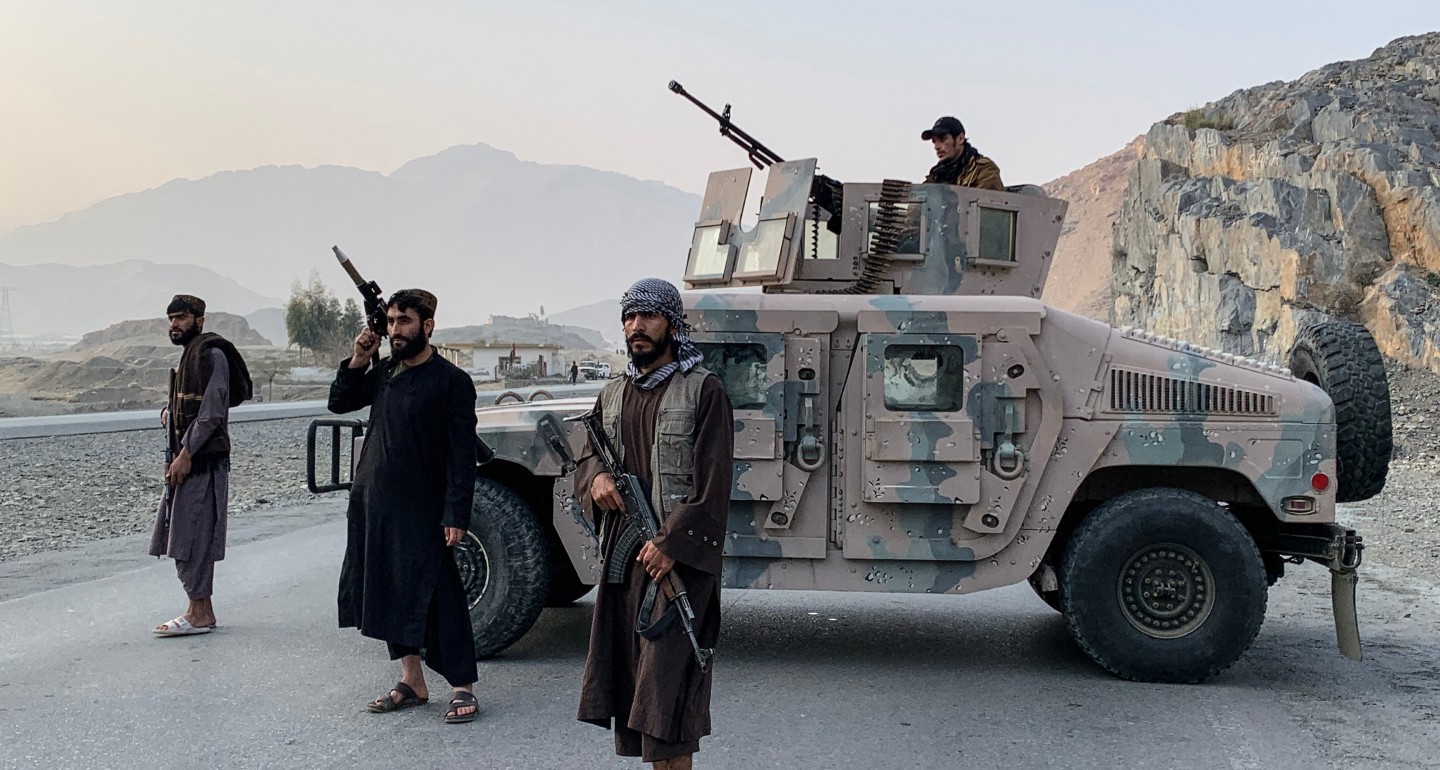
Not only does the fighting jeopardize regional security, it undermines Russian attempts to promote alternatives to the Western-dominated world order.

Ruslan Suleymanov
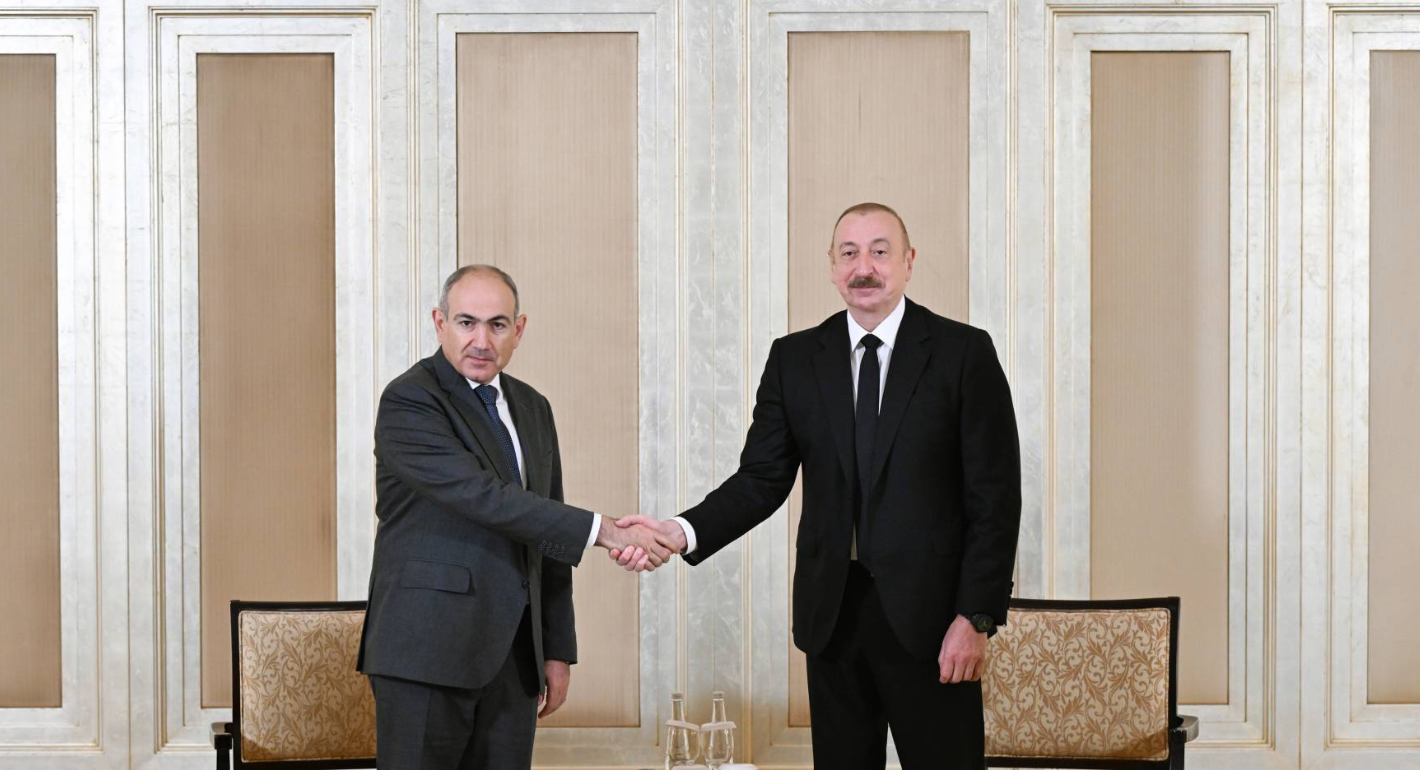
The U.S.-sponsored TRIPP deal is driving the Armenia-Azerbaijan peace process forward. But foreign and domestic hurdles remain before connectivity and economic interdependence can open up the South Caucasus.


Thomas de Waal, Areg Kochinyan, Zaur Shiriyev